
3 min walk
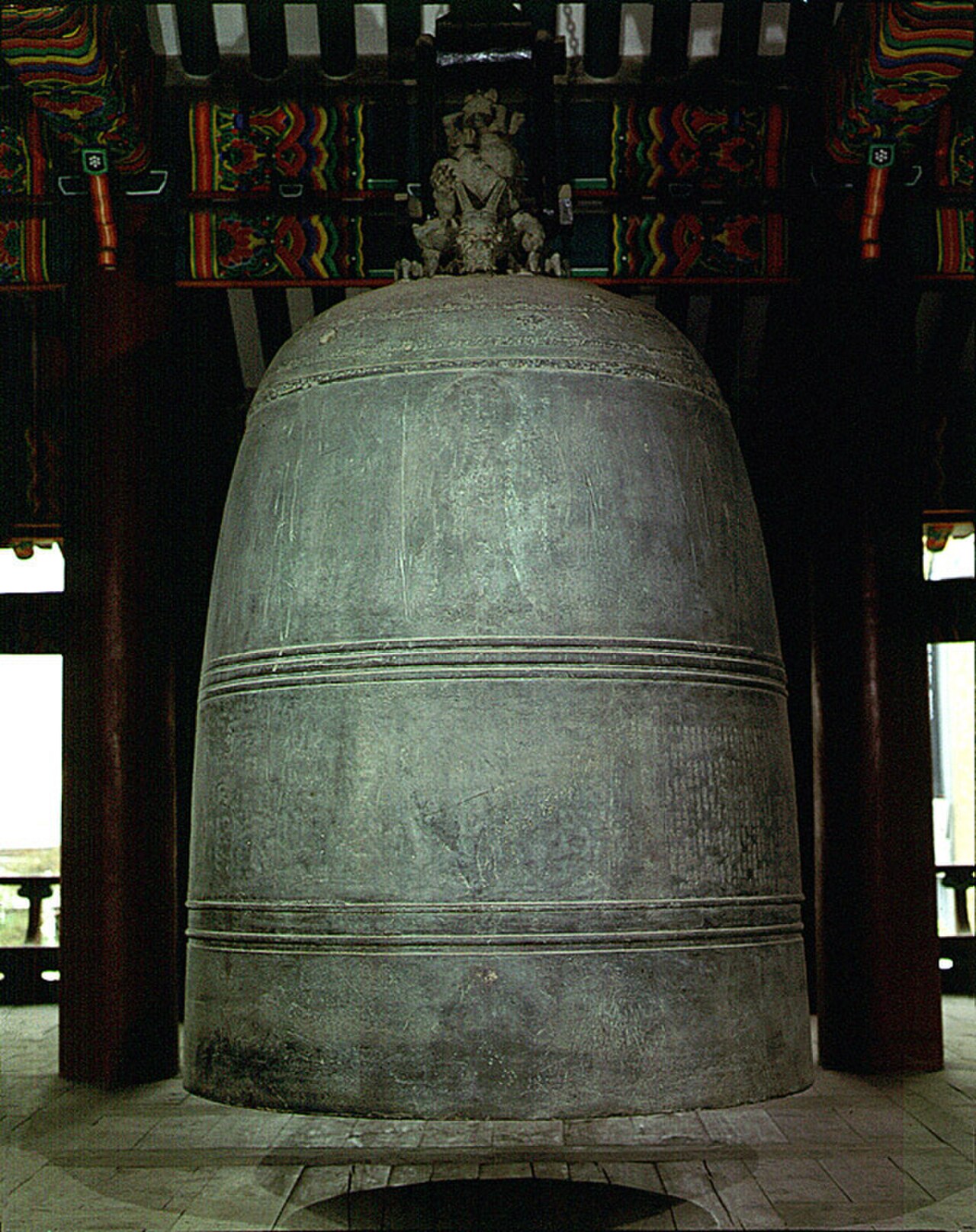
Bronze Bell of Bosingak Pavilion
- Notable
- Historic monument
Museum · Seoul
국립중앙박물관
| Monday | 09:30 – 17:30 |
|---|---|
| Tuesday | 09:30 – 17:30 |
| Wednesday | 09:30 – 21:00 |
| Thursday | 09:30 – 17:30 |
| Friday | 09:30 – 17:30 |
| Saturday | 09:30 – 21:00 |
| Sunday | 09:30 – 17:30 |
Checked 2026-08-31 · Source
| Per person | Free entry |
|---|
Checked 2026-08-31 · Source
Read from the OpenStreetMap access tags; anything not listed has no tag recorded.
Set the group type to family in the planner and the day window contracts to about three quarters of a solo day.
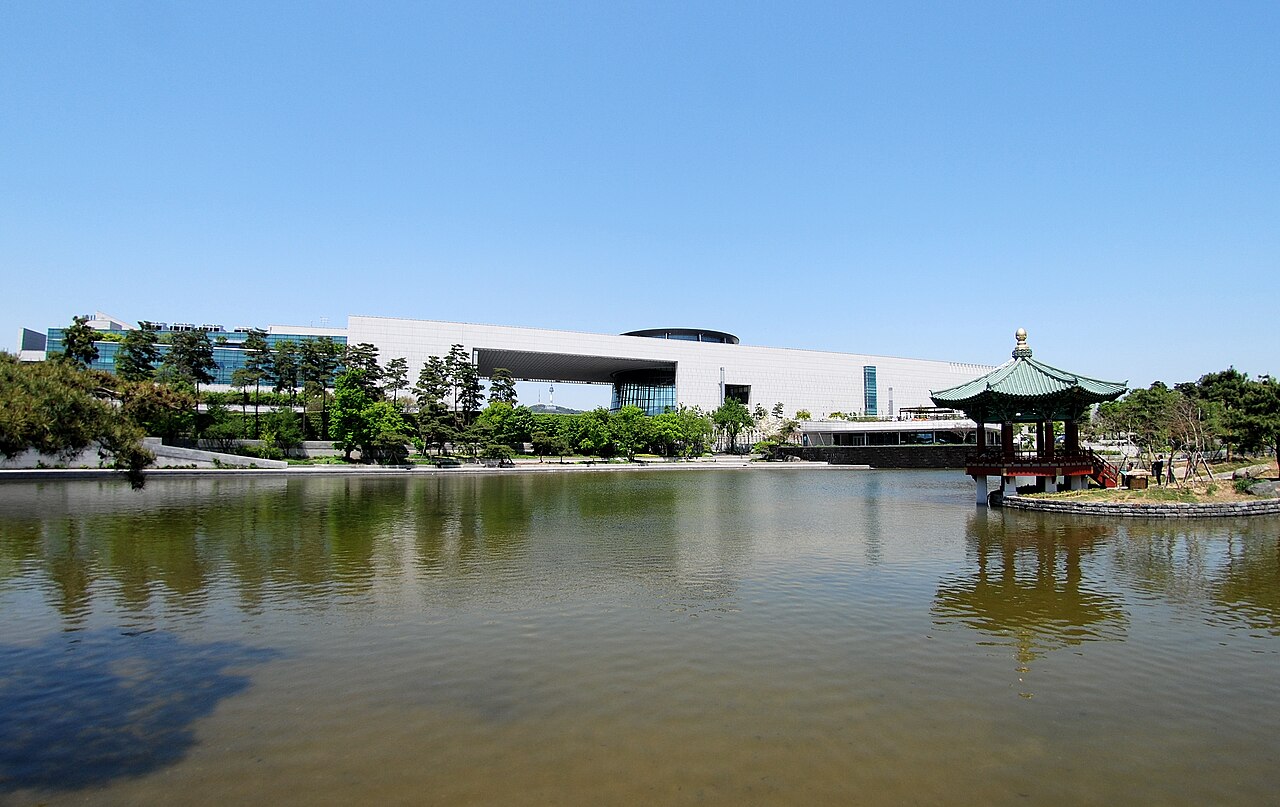
The National Museum of Korea is the flagship museum of Korean history and art in Seoul. Established as a central institution for preserving and exhibiting Korea's cultural heritage, it stands as one of the largest museums in Asia. The building occupies a prominent position in Yongsan Family Park, with its modern architectural design incorporating traditional Korean aesthetic elements. The museum serves as a major repository for archaeological and historical artifacts spanning the full breadth of Korean civilization from prehistoric times through the modern era.
Checked 2026-08-31 · Source
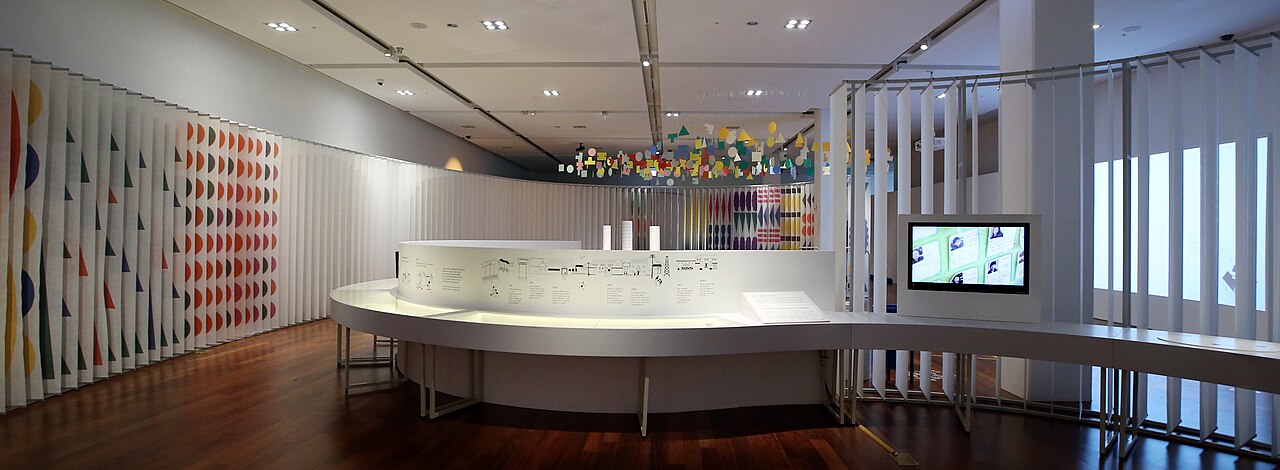
The museum's collections encompass vast holdings of Korean cultural properties including ceramics, metalwork, paintings, sculpture, and calligraphy. Galleries are organized chronologically and thematically across multiple floors. Notable categories include prehistoric and ancient history, medieval and early modern history, calligraphy and painting, and Asian art. The museum also maintains special exhibition halls for rotating displays. Outdoor exhibition spaces feature traditional stone pagodas, lanterns, and other large-scale architectural elements that cannot be accommodated indoors. city_place_id; stored names and coordinates were copied without approximation.
Checked 2026-08-31 · Source
Visitors should allocate substantial time for even a partial exploration of this extensive institution. A comprehensive visit covering all permanent galleries would require multiple hours. Many visitors choose to focus on specific periods or collections of particular interest. The museum's scale permits brief visits for those with limited time, though such approaches necessarily involve significant omission. Audio guides and guided tour options may influence pacing decisions. Personal interest in Korean history and art remains the primary determinant of appropriate visit duration.
Checked 2026-08-31 · Source
Monday, Tuesday, Thursday, Friday and Sunday: 09:30–17:30. Wednesday and Saturday: 09:30–21:00. Last admission is 30 minutes before closing; visitors are guided to exit 10 minutes before closing. The museum closes on January 1, Lunar New Year’s Day (February 17 in 2026) and Chuseok (September 25 in 2026). The Permanent Gallery and Special Galleries also close on the first Monday of March, June, September and December; the museum states that March 2026 was exempt. The Pagoda Garden remains open 07:00–22:00 without a ticket. Take Seoul Subway Line 4 or the Gyeongui–Jungang Line to Ichon Station. From Exit 2, walk 150 metres toward Yongsan Family Park, or use Museum Nadeulgil, the underground passage linking the station and museum, open 07:00–23:00 on museum opening days. An elevator is available in the direction of Exits 1 and 2. The museum address is 137 Seobinggo-ro, Yongsan-gu, Seoul. Seasonal considerations for Seoul include hot humid summers and cold dry winters, with spring and autumn generally offering more comfortable conditions for walking between indoor and outdoor exhibition areas. The museum's popularity suggests potential crowding during domestic holiday periods and peak tourist seasons.
Checked 2026-08-31 · Source
General admission is free for the permanent exhibition halls, Children’s Museum and designated free special exhibitions. Charged special exhibitions require separate admission. The museum has historically operated with free admission to permanent exhibitions, though this policy should be verified through current official sources. Special exhibitions typically require separate ticketing with associated costs. Any applicable fees, discount categories, or free admission policies must be confirmed directly with museum administration. Visitors should not rely on outdated information regarding entry costs and should seek current pricing through official channels before arrival.
Checked 2026-08-31 · Source
Take Seoul Subway Line 4 or the Gyeongui–Jungang Line to Ichon Station. From Exit 2, walk 150 metres toward Yongsan Family Park, or use Museum Nadeulgil, the underground passage linking the station and museum, open 07:00–23:00 on museum opening days. An elevator is available in the direction of Exits 1 and 2. The museum address is 137 Seobinggo-ro, Yongsan-gu, Seoul. This is the named approach for an independent visit. The museum is situated in the Yongsan district of Seoul. Public transportation access is available through Seoul's extensive metro system, with Ichon Station serving as the nearest major transit point. The station connects both Line 4 and the Gyeongui-Jungang Line. Signage and pedestrian routes guide visitors from the station to the museum entrance. Bus services also operate in the surrounding area. The museum's location within Yongsan Family Park provides contextual green space accessible during the approach.
Checked 2026-08-31 · Source
The museum’s floor guide marks passenger elevators and rescue elevators. Wheelchairs are available free of charge in the Great Hall. Barrier-free information kiosks provide automatic height adjustment for wheelchair users, voice interaction, adjustable contrast and text size, Korean sign-language interaction, Korean braille and audio guidance. The access description applies to the documented visitor route. The museum complex involves considerable walking between galleries and indoor-outdoor transitions. Comfortable footwear is advisable. Large crowds may impede movement through popular galleries and during special exhibitions. Photography restrictions vary by gallery and exhibit type; visitors should observe posted regulations. The building's scale can prove disorienting; orientation maps merit attention. Climate control maintains preservation conditions that some visitors may find cool relative to outdoor temperatures. Food and beverage restrictions apply within gallery spaces. Personal belongings may be subject to security screening.
Checked 2026-08-31 · Source
Photography policies within the National Museum of Korea vary across different spaces and exhibitions. Permanent collection galleries may permit non-flash photography for personal use, while special exhibitions commonly impose stricter prohibitions. Tripods, selfie sticks, and professional equipment typically face restrictions without prior arrangement. Visitors must observe all posted signage regarding photographic permissions in specific galleries. Flash photography is generally prohibited due to conservation concerns. When permitted, photography should not inconvenience other visitors or impede circulation through crowded spaces. Commercial or publication use requires separate authorization processes.
Checked 2026-08-31 · Source
Admission ends 30 minutes before the museum closes, and visitors are guided to leave 10 minutes before closing.
Personal photography is allowed, but flash, tripods, selfie sticks and gimbals are prohibited. Commercial photography requires advance written permission.
Food, beverages and pets are prohibited; certified service dogs assisting visitors with disabilities are permitted.
Free coat storage is on the west side of the main gate. Lockers are located in front of the museum shop and the Children’s Museum.
Wheelchairs and strollers are available free of charge in the Great Hall; strollers are limited to children weighing up to 15 kilograms.
The museum’s free Exhibition Guide app provides location-based guidance in Korean, English, Chinese, Japanese and Vietnamese; personal earphones are required, and the museum recommends downloading content over Wi-Fi before visiting.
Loading the interactive map…
The interactive map could not be loaded.
Last updated:
Source: OpenStreetMap contributors, Wikidata ·