
.jpg)
_%ED%92%8D%EA%B2%BD(%EC%84%9C%EC%9A%B8-%EA%B4%91%ED%99%94%EB%AC%B8).JPG)


3 min walk
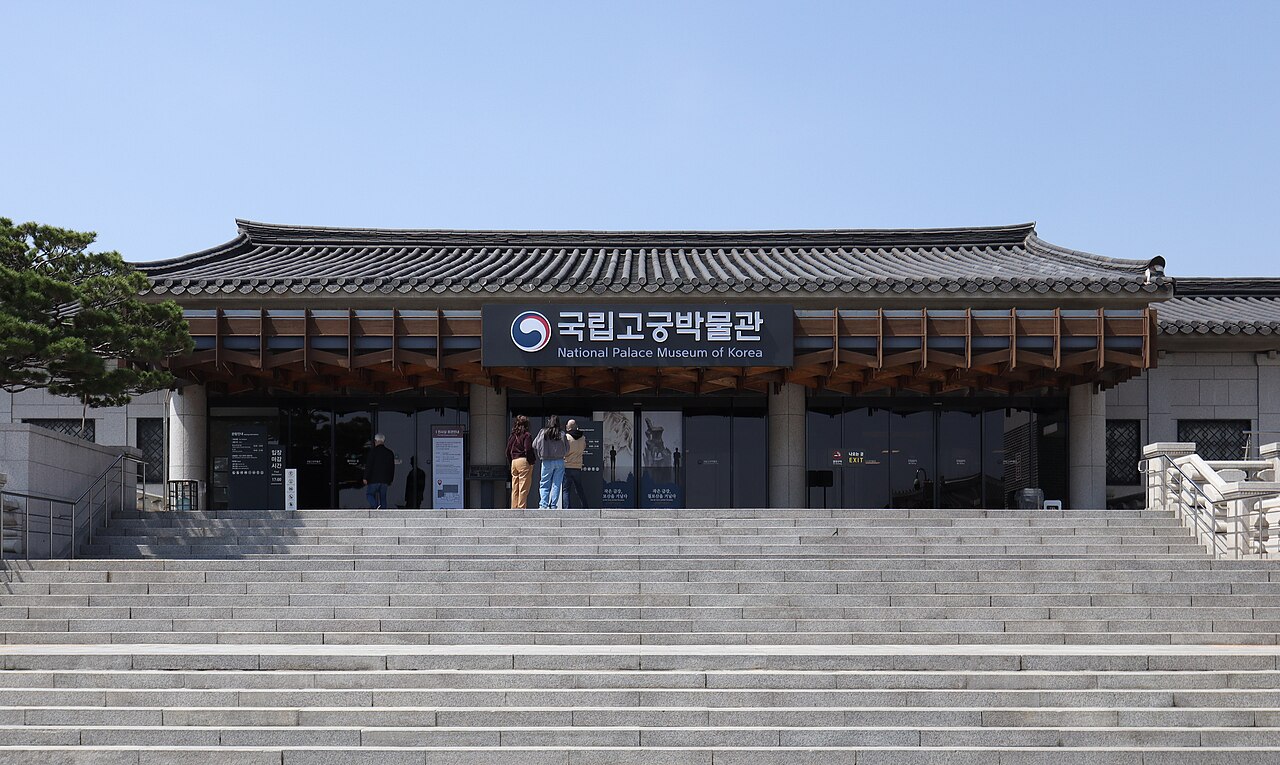
National Palace Museum of Korea
- Must see
- Museum
Historic monument · Seoul
광화문
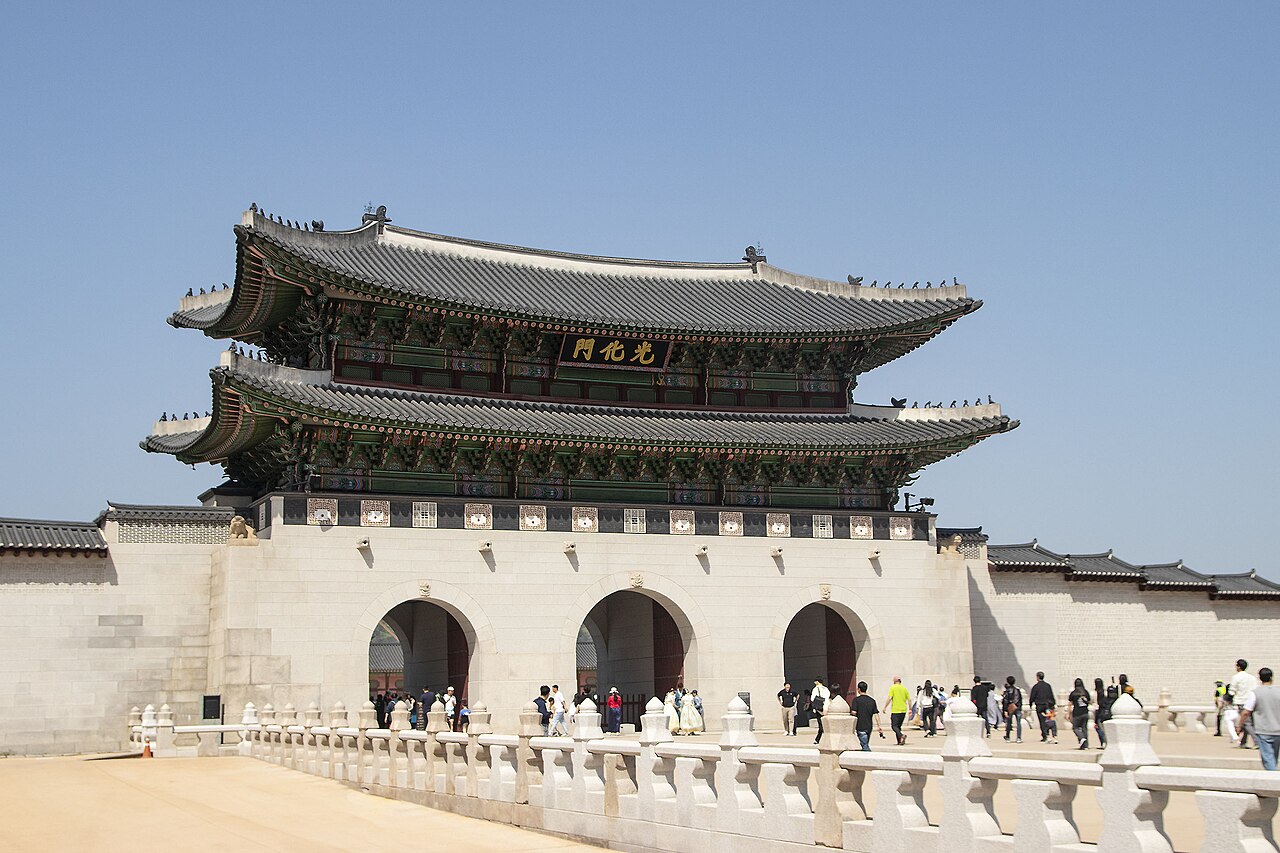
Gwanghwamun is the principal gate of Gyeongbokgung Palace and one of central Seoul’s defining landmarks. It stands at the northern end of Sejong-daero, facing the broad public space of Gwanghwamun Plaza. The gate combines a stone base, three arched passages, and a two-storey wooden pavilion with a tiled roof. It is both a historic entrance and a useful orientation point for exploring Jongno, the palace district, Bukchon, and nearby museums. The present structure is a reconstruction after earlier destruction connected with the Japanese colonial period and the Korean War. Begin here to understand the ceremonial scale of the palace before walking inside.
Checked 2026-08-26 · Source
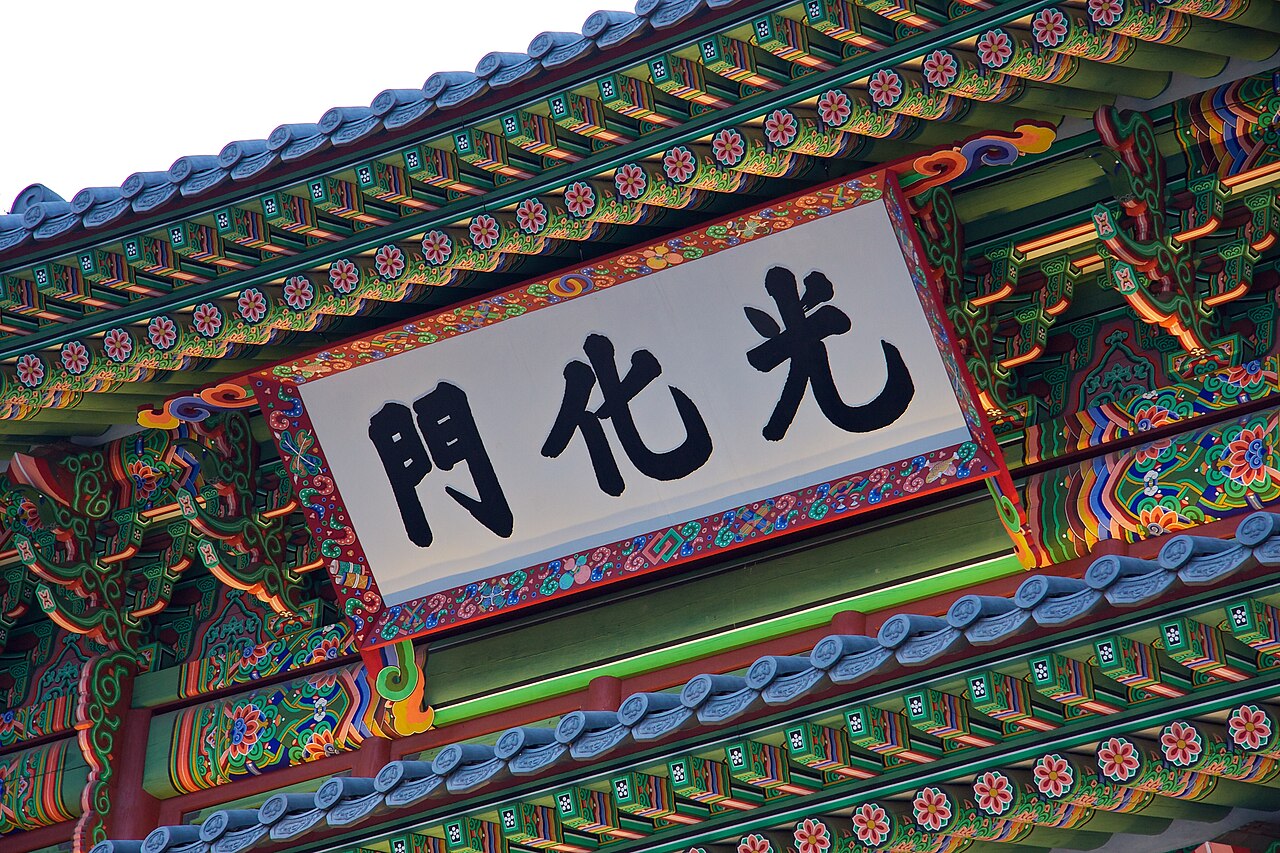
The gate itself is an exterior architectural stop rather than a museum interior. Look closely at the painted wooden beams, bracket sets, roof tiles, stone base, and the three arched entrances. A wooden plaque above the central opening carries the name Gwanghwamun in Hanja characters. The gate opens toward the palace grounds and frames the route to the major halls beyond. Stone details and roof ridges reward a slower look than a quick entrance photograph. From the front, the structure reads as a balanced ceremonial facade; from within the passage, the heavy masonry and timber construction become more apparent.
Checked 2026-08-26 · Source
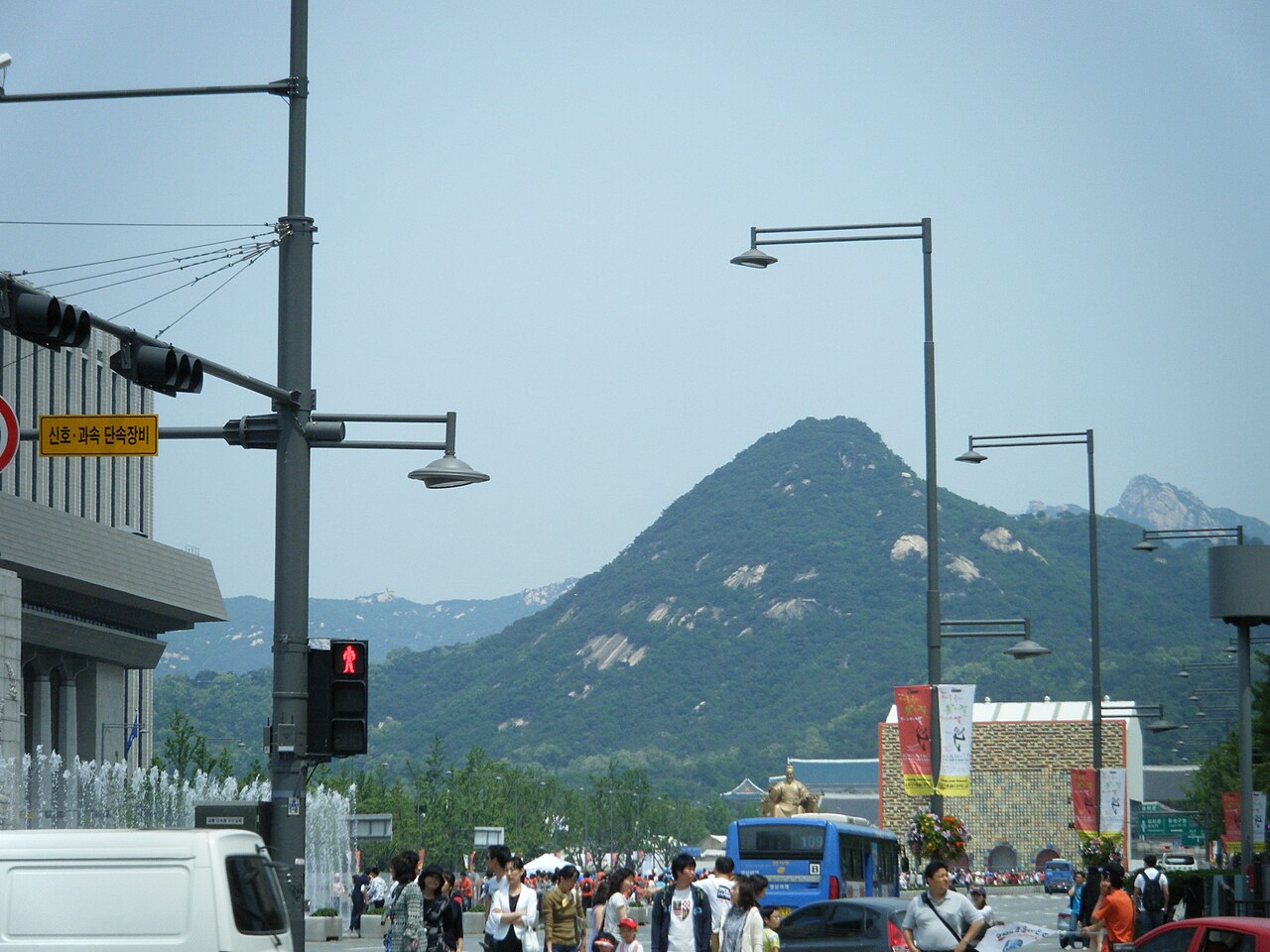
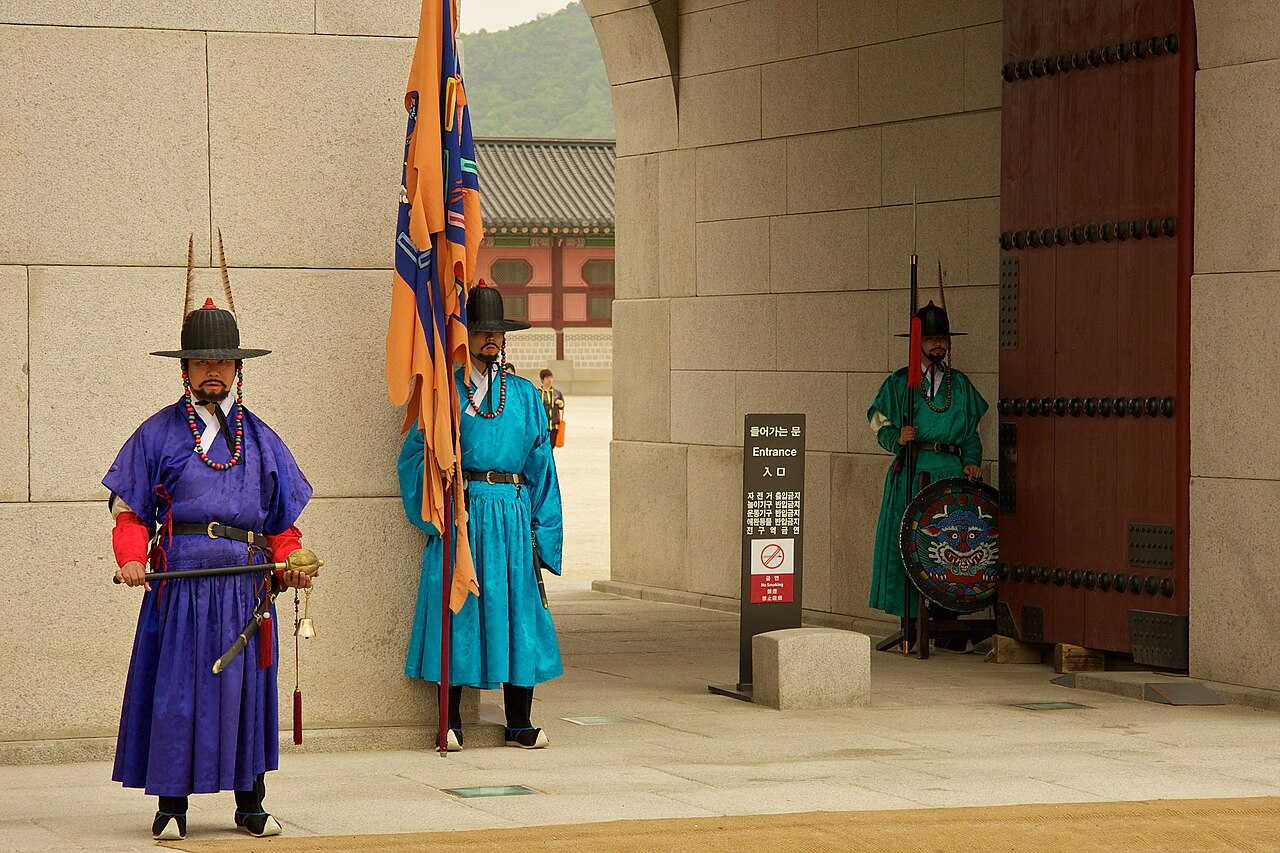
Allow about fifteen to thirty minutes for Gwanghwamun as a focused architectural stop. That time covers approaching from the plaza, passing through the gate, examining the facade, and taking photographs from several angles. The wider Gyeongbokgung visit needs considerably longer because the gate leads into a large palace complex with halls, courtyards, and garden areas. If you are moving through the district on foot, Gwanghwamun works well as the opening point of a palace-and-Jongno route. Leave extra time when crowds gather at the entrance or when you want portraits in traditional clothing against the gate.
Checked 2026-08-26 · Source
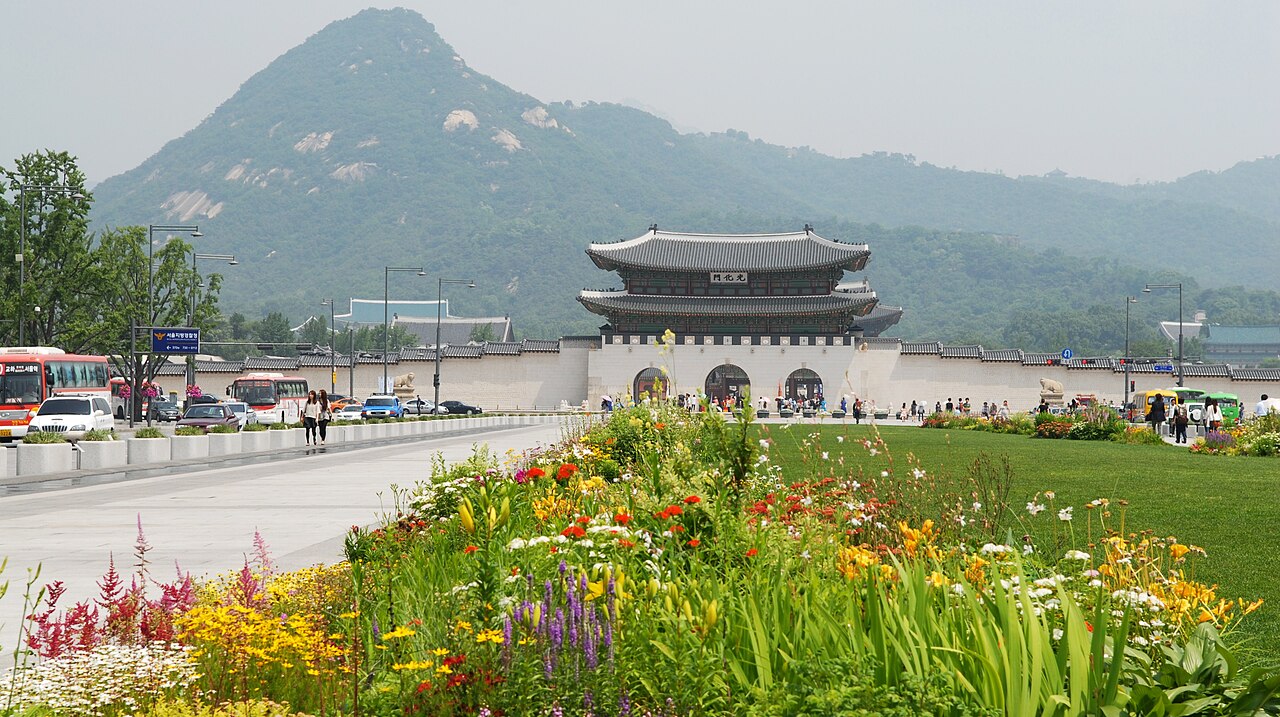
Morning is a comfortable choice for seeing the facade before the central Seoul streets become busier. The open plaza gives the gate strong daylight and broad sightlines, while later afternoon can bring warmer light across the timber and stone. Summer visits may feel hot and humid on exposed paving; winter brings cold air and can make a long outdoor photography session uncomfortable. Weekends and holiday periods can be busy around the palace entrance. Pair the gate with the palace grounds rather than treating it as an isolated landmark, then continue toward Jongno’s historic streets and cultural attractions.
Checked 2026-08-26 · Source
Gwanghwamun is the entrance structure of Gyeongbokgung Palace, so the practical ticket question concerns access to the palace complex rather than a separate gate experience. Once inside, continue beyond the gate to see the principal buildings and courtyards. A visit focused only on the exterior can be enjoyed from the surrounding public space, while passage into the grounds forms part of the palace visit. Keep the gate in the same plan as the palace, since separating the two would miss its role as the formal threshold. The entrance also connects naturally with a wider walking route through northern central Seoul.
Checked 2026-08-26 · Source
Gwanghwamun sits beside Gwanghwamun Plaza on the central Sejong-daero axis. Gwanghwamun Station on Subway Line 5 serves the surrounding plaza, while Gyeongbokgung Station on Line 3 provides another subway approach from the west. From either station, continue on foot through the central Seoul streets toward the palace frontage. The plaza offers a clear approach from the south, with the gate visible as the route narrows toward the palace. Buses and taxis also use the major roads around the district, though walking is the simplest way to appreciate the gate’s urban setting.
Checked 2026-08-26 · Source
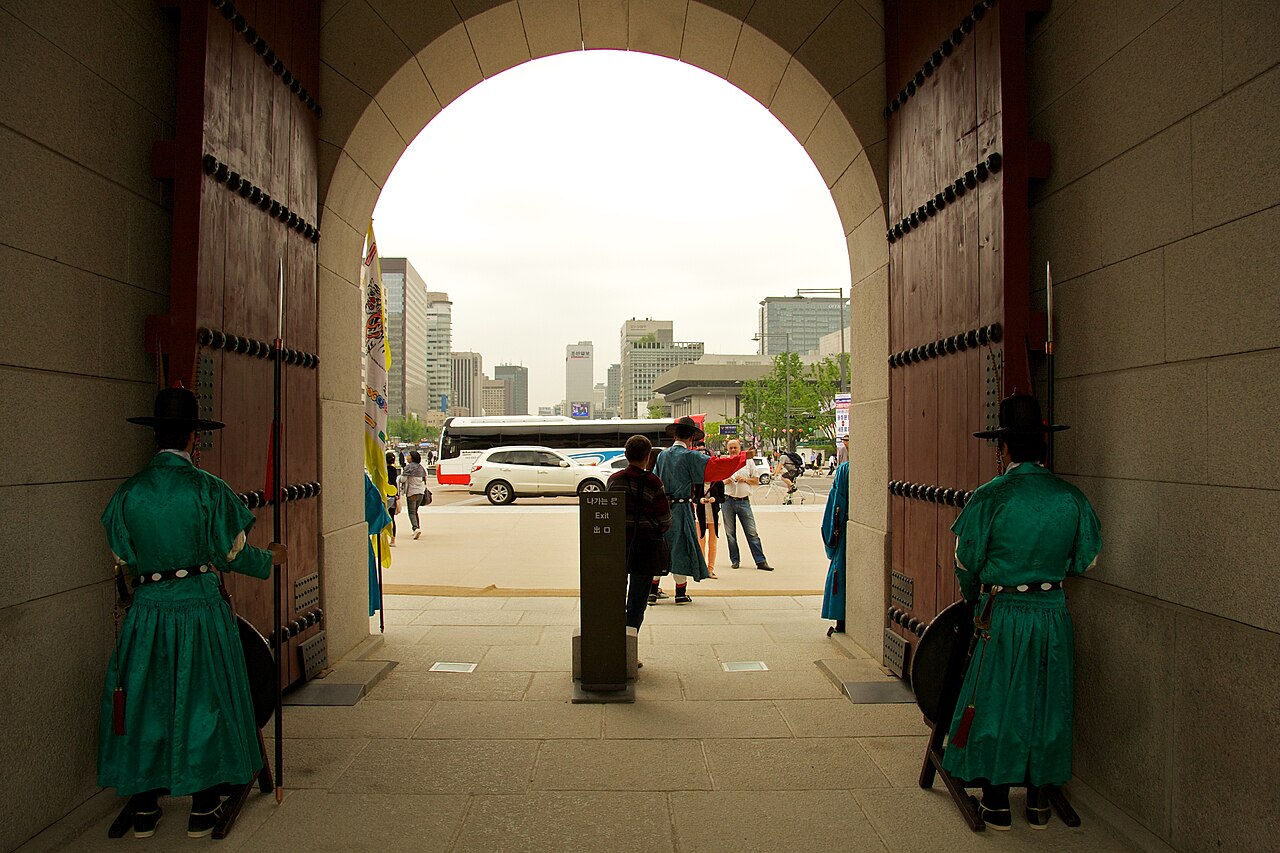
Gwanghwamun stands beside busy roads and a large pedestrian plaza, so take care at crossings and follow the signals when approaching from Sejong-daero. The stone threshold and surrounding paving can become slippery after rain. Crowds may slow movement through the arched passages, especially when visitors stop for photographs or gather near the palace entrance. In hot weather, the open plaza offers little relief from reflected heat, so plan pauses in shaded areas elsewhere in the district. Keep clear of ceremonial or managed areas and avoid touching painted wood, stonework, or other historic surfaces.
Checked 2026-08-26 · Source
The front of Gwanghwamun gives you a strong symmetrical composition, with the three arches, stone base, pavilion, and roofline aligned against the plaza. Step farther back for the full facade, then move closer for the wooden plaque, painted brackets, roof tiles, and stone details. A wide lens includes the open urban setting; a zoom lens isolates the upper structure. Early or late daylight can soften contrast on the facade, while cloudy weather brings even illumination to the painted surfaces. Keep pathways open and avoid blocking the entrance while composing portraits or architectural shots.
Checked 2026-08-26 · Source
Gwanghwamun is the main gate of Gyeongbokgung Palace in central Seoul. It has a stone base, three arched entrances, and a two-storey wooden pavilion.
Gwanghwamun forms the principal entrance to Gyeongbokgung Palace. The gate leads toward the palace grounds and the major halls beyond.
The wooden plaque carries the name Gwanghwamun in Hanja characters. Its calligraphic attribution has been subject to historical dispute.
Allow about fifteen to thirty minutes for the gate itself. Plan a much longer visit if you continue through the wider Gyeongbokgung Palace complex.
Gwanghwamun stands at the northern end of Sejong-daero beside Gwanghwamun Plaza, in Seoul’s Jongno district.
Use the plaza approach for a symmetrical front view, then move closer for the plaque, painted timber, roof tiles, and stone base. Early or late daylight can soften the facade.
Loading the interactive map…
The interactive map could not be loaded.
Last updated:
Source: OpenStreetMap contributors, Wikidata ·