
3 min walk
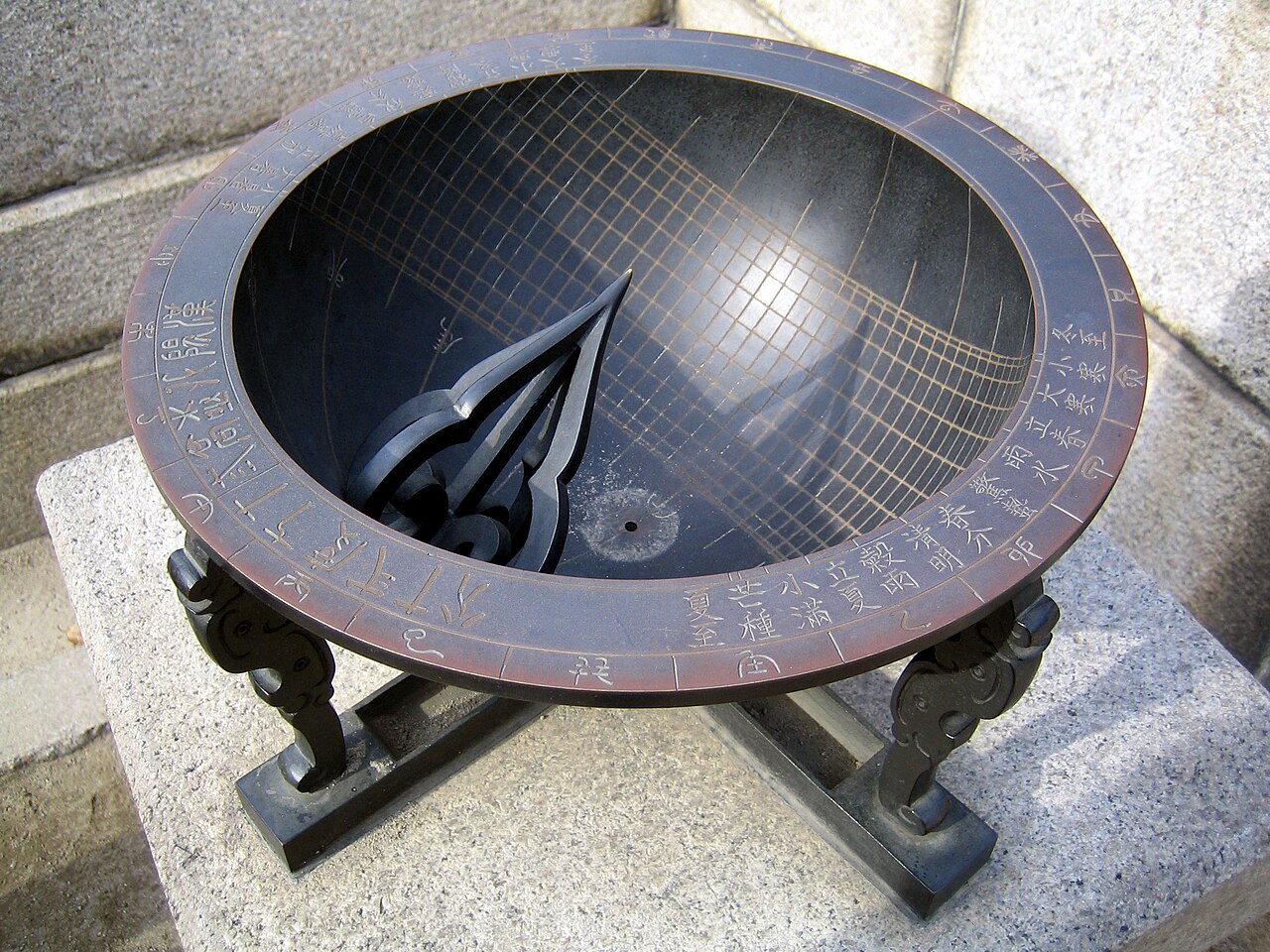
Angbu-ilgu
- Notable
- Historic monument
Museum · Seoul
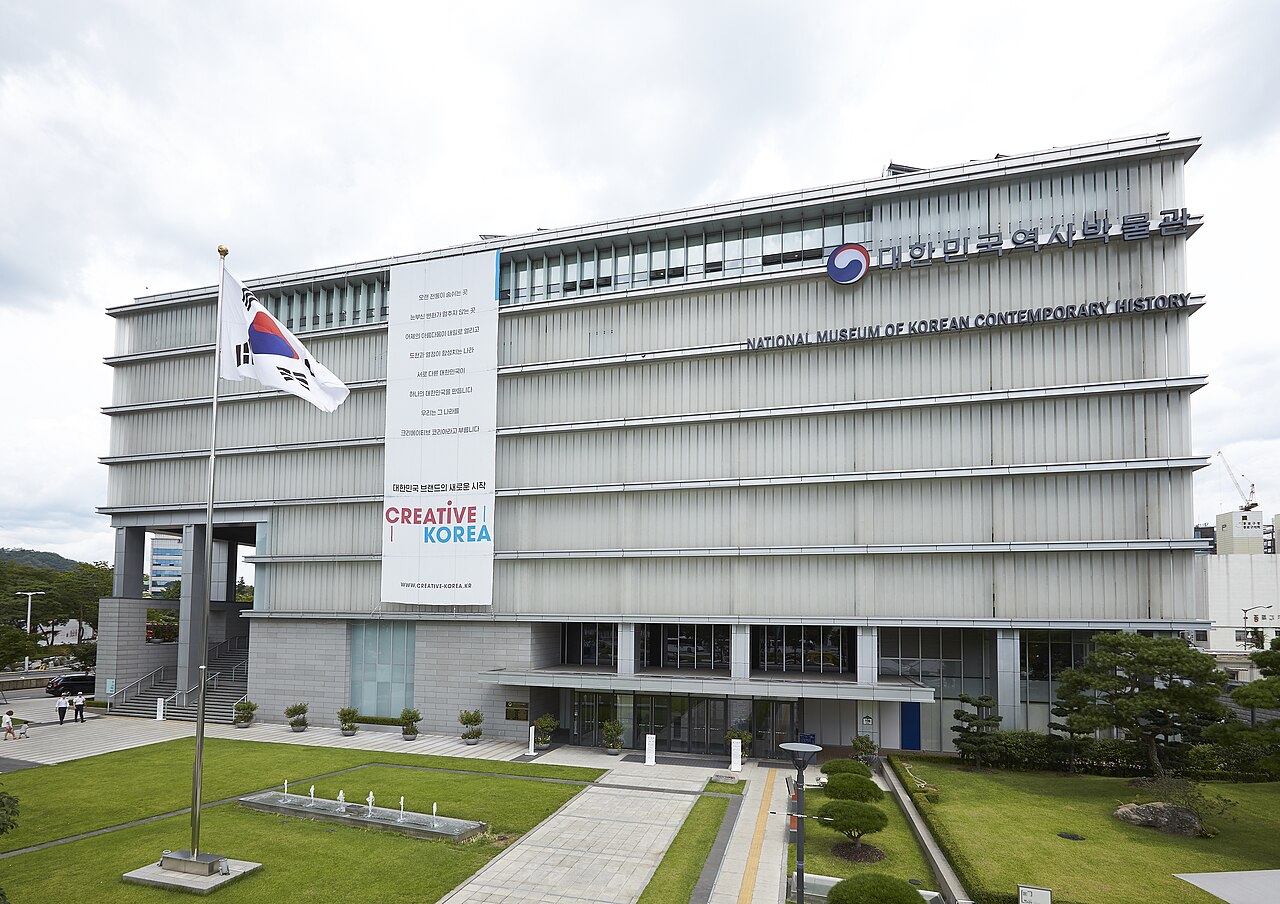
대한민국역사박물관
| Monday | 10:00 – 18:00 |
|---|---|
| Tuesday | 10:00 – 18:00 |
| Wednesday | 10:00 – 21:00 |
| Thursday | 10:00 – 18:00 |
| Friday | 10:00 – 18:00 |
| Saturday | 10:00 – 21:00 |
| Sunday | 10:00 – 18:00 |
Also recorded: 10:00 – 18:00
Parsed from OpenStreetMap opening hours on 2026-09-09.
The National Museum of Korean Contemporary History presents South Korea’s modern story from the late nineteenth century to the present. In Seoul, it offers a focused way to understand political change, social transformation, conflict, industrial growth and democratization through museum exhibitions. The Korean name is 대한민국역사박물관. Choose this stop when you want historical context alongside Seoul’s palaces, government district and central streets. The National Museum of Korean Contemporary History is a museum in Seoul dedicated to the modern and contemporary history of South Korea. Its local name is 대한민국역사박물관. The museum focuses on the period from the late 19th century to the present day, covering significant historical events and transformations that shaped the Korean nation. It serves as an institutional repository for understanding South Korea's political, social, and economic development through documented historical materials and exhibitions. A flexible visit lets travellers connect National Museum of Korean Contemporary History with the rest of the day without treating one room, viewpoint or photograph as the whole experience. The useful pace depends on personal interest and conditions on arrival.
Checked 2026-08-26 · Source
The exhibition halls bring together photographs, documents, objects and multimedia presentations about Korea’s recent past. Themes include independence movements, national division, war, rapid economic development and democratization. Read the material in sequence if you want a chronological overview, or move between themes according to your interests. The museum works especially well for travellers who want social and political background before exploring modern Seoul. The museum contains exhibition halls organized around major themes in Korean contemporary history. Displays include historical photographs, documents, artifacts, and multimedia presentations related to Korean independence movements, national division, war, economic development, and democratization. The collections aim to preserve and present materials that illustrate the lived experiences of Koreans during periods of colonial rule, conflict, rapid industrialization, and political change.
Checked 2026-08-26 · Source
Set aside one to two hours for a purposeful visit through the main galleries. Visitors with a strong interest in Korean history can spend much longer reading documents and studying multimedia material. A shorter visit still works if you select the themes most relevant to your itinerary. Keep extra time available when you are pairing the museum with nearby cultural sights, since the depth of the displays can make a quick walk-through feel rushed.
Checked 2026-08-26 · Source
The indoor galleries provide a useful cultural stop in every season. Spring and autumn are comfortable periods for combining the museum with walks through central Seoul, while summer heat and winter cold make an indoor programme particularly convenient. Allow more time when visiting on a weekend or holiday, because popular cultural institutions can feel busier. Build the museum into a day when you want historical interpretation rather than an outdoor viewpoint.
Checked 2026-08-26 · Source
Plan the museum as a history-focused cultural visit rather than a shopping or entertainment stop. The displays cover politically and socially significant periods, so the value comes from the exhibitions and the time you give them. Keep your schedule flexible around the galleries, especially if you enjoy reading documents or watching multimedia presentations. Place it beside other central Seoul sights when you want one day to connect historic foundations with the city’s present life.
Checked 2026-08-26 · Source
The museum is in Seoul’s urban core, where subway, bus, taxi and walking routes connect the central districts. Use the museum’s name in a current Seoul map application and follow the final pedestrian signs once you reach the surrounding area. T-money cards are useful for the city’s integrated public transport. Its central setting makes the museum easy to combine with other cultural visits rather than treating it as an isolated destination.
Checked 2026-08-26 · Source
The museum deals with colonial rule, national division, war and political violence, and some displays may be emotionally demanding. Give yourself time to pause between sections instead of trying to absorb every object quickly. Follow gallery rules around bags, food, noise and displayed materials. Keep personal belongings secure in the busy central district. The experience rewards attentive reading more than a rapid sequence of photographs.
Checked 2026-08-26 · Source
Treat photography as secondary to the historical material. Follow the signs and staff directions in each gallery, since rules can differ between documents, objects and exhibitions. Avoid flash where photography is permitted, and do not let a camera or phone interrupt other visitors’ concentration. The museum’s photographs and documents are most useful when you also read their captions, which provide the context that a quick image cannot capture.
Checked 2026-08-26 · Source
It covers South Korea’s modern and contemporary history, including independence movements, division, war, economic development and democratization.
Allow one to two hours for the main galleries, with additional time if you want to read documents and study multimedia displays in depth.
Yes. Its exhibitions connect political, social and economic change with the wider story of South Korea’s transformation.
The galleries include historical photographs, documents, artefacts and multimedia presentations arranged around major themes in Korean contemporary history.
Yes. Its central Seoul setting makes it practical to pair with nearby cultural and historic places in the same day.
The museum addresses colonial rule, division, war and political violence, so allow time for careful reading and reflection between galleries.
Loading the interactive map…
The interactive map could not be loaded.
Last updated:
Source: OpenStreetMap contributors, Wikidata ·