


2 min walk
Sejong Center
- Must see
- Art and culture venue
Historic monument · Seoul
앙부일구
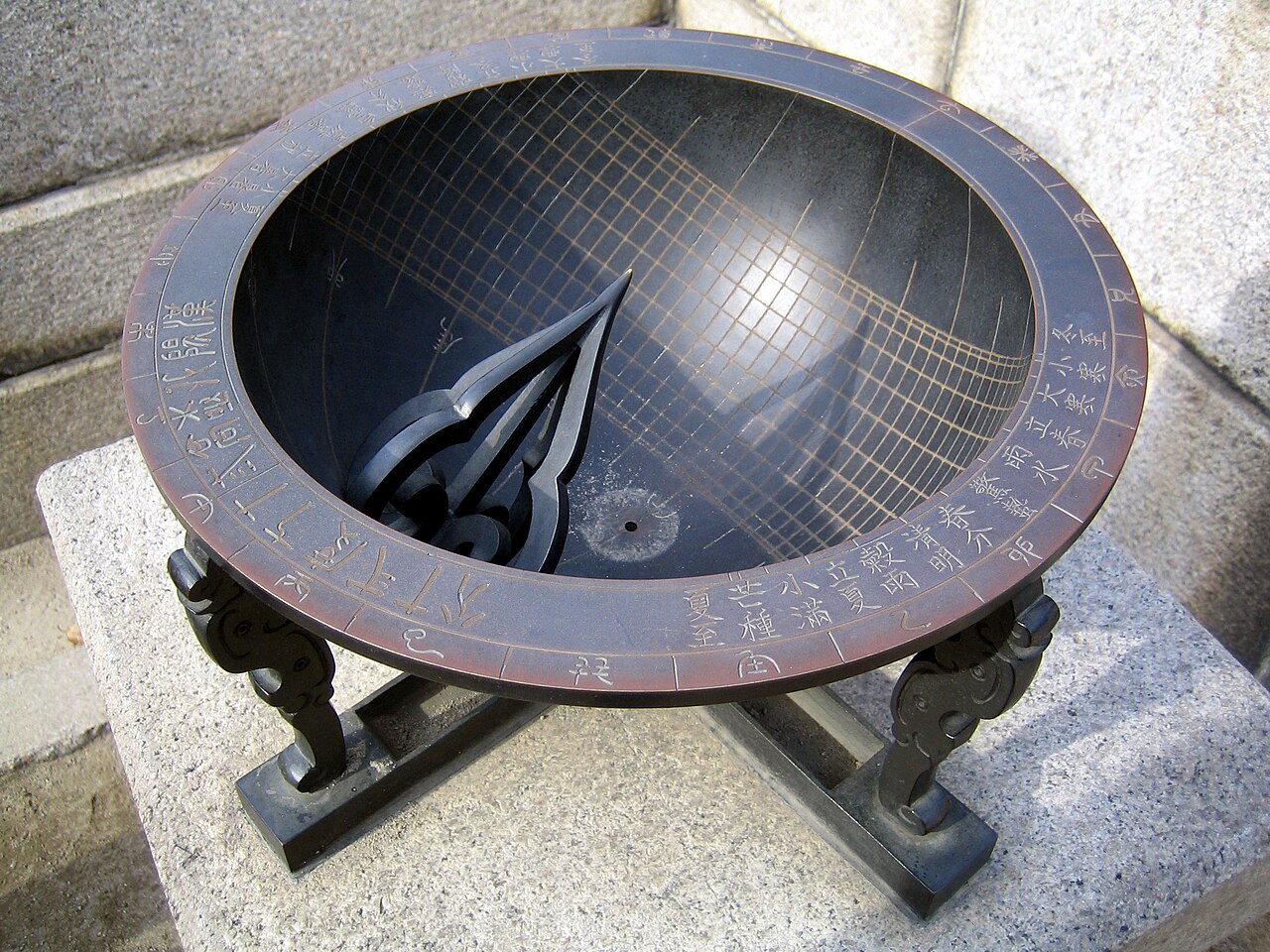
Angbu-ilgu is a Korean sundial in Seoul, written 앙부일구 in Korean. Its urn-shaped form belongs to Korea’s traditional science of measuring solar time. The instrument connects visitors with Joseon-era astronomical knowledge and public timekeeping. Its design was adapted to Seoul’s latitude, allowing the sun’s position to be read through the shadow cast across marked time lines. This is a compact heritage stop rather than a large architectural complex, so the appeal lies in examining the instrument closely and understanding how scientific work once served daily life in the capital.
Checked 2026-08-26 · Source
The sundial is the central feature at Angbu-ilgu. Its traditional design is based on a hemispherical bronze bowl, marked lines for reading time, and a gnomon that casts the telling shadow. Visitors should focus on the relationship between the bowl, the markings and the changing position of sunlight. Angbu-ilgu is presented as an outdoor installation, with no enclosed museum route described for this point. The surrounding setting forms part of the experience, but the instrument itself remains the reason to stop. Read any nearby interpretation slowly, especially if you want to connect the visible markings with Korean astronomical practice.
Checked 2026-08-26 · Source
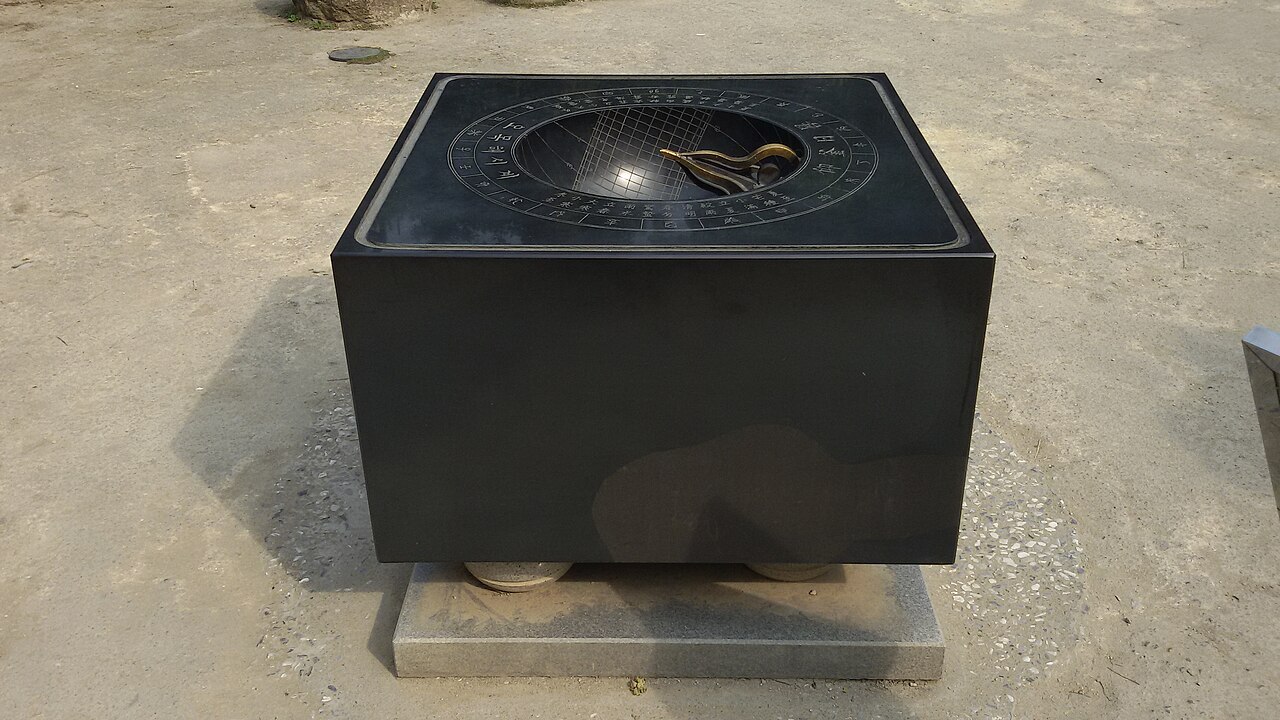
Allow about fifteen to thirty minutes at Angbu-ilgu. That is enough time to inspect the bowl and gnomon, read available interpretation and take photographs from several angles. Visitors with a strong interest in astronomy, Korean technology or heritage conservation may stay longer to study the markings and the instrument’s relationship with the sun. The compact scale makes Angbu-ilgu easy to combine with other historical sights in Seoul. Treat it as a focused stop within a walking route, not as a venue requiring a half-day programme.
Checked 2026-08-26 · Source
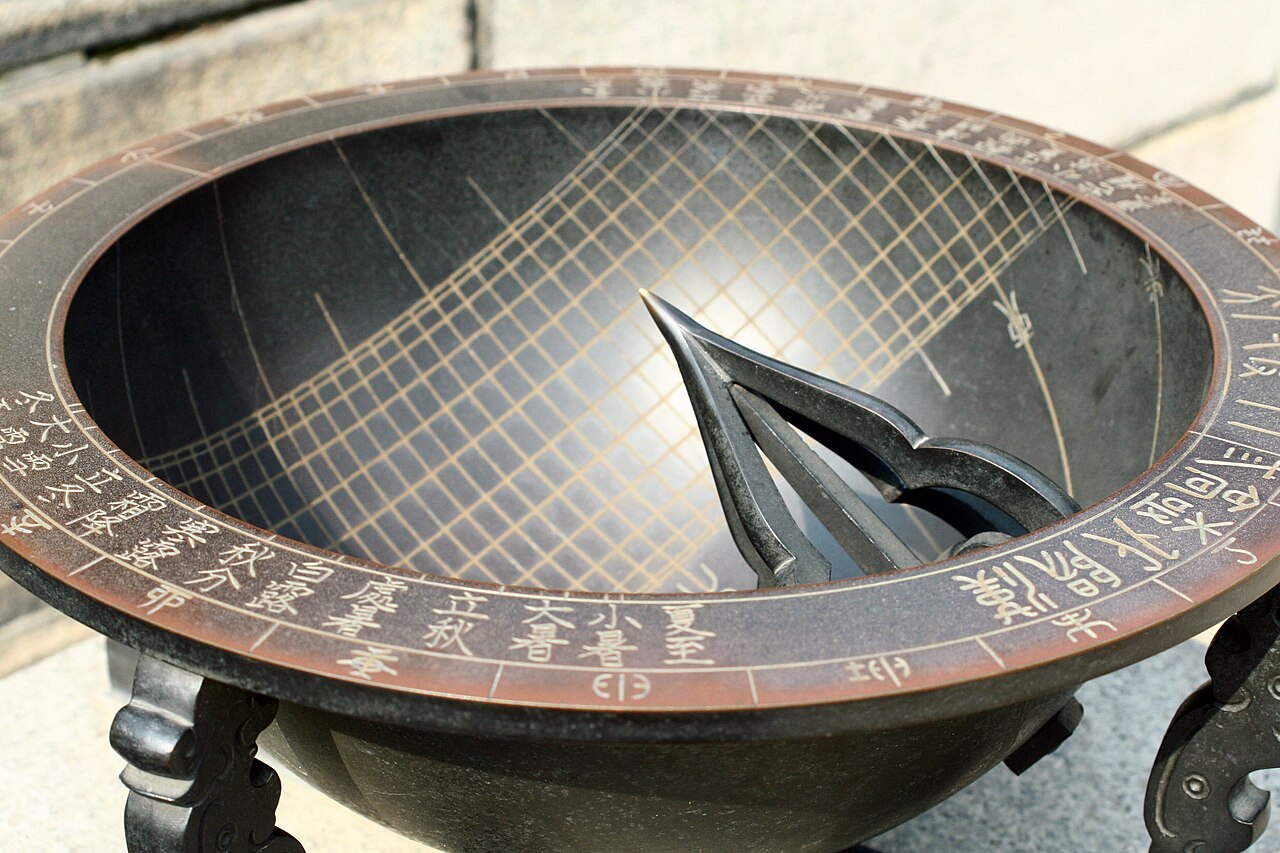
Visit Angbu-ilgu in daylight, when the instrument’s purpose can be understood through its shadow and markings. Morning and afternoon light can make the bowl’s form easier to read than strong overhead sun. Winter brings shorter daylight and sharper shadows, while summer offers a longer outdoor window but can feel humid. The site is best suited to a flexible daytime itinerary. If the sky is overcast, the physical object remains worth seeing, although the shadow-reading function is less visually apparent. Pairing Angbu-ilgu with nearby heritage streets can make the visit more rewarding.
Checked 2026-08-26 · Source
Angbu-ilgu is described as an outdoor installation, so the visit centres on viewing the sundial rather than entering a ticketed exhibition. No ticket booth, reservation arrangement or payment mechanism is identified for this specific point. Plan the stop as a brief heritage viewing beside the rest of your Seoul route. Nearby attractions can have separate admission arrangements, so keep Angbu-ilgu’s visit distinct from any museums, palaces or historic interiors you visit on the same day. The main value here is the instrument’s scientific and cultural meaning in an urban setting.
Checked 2026-08-26 · Source
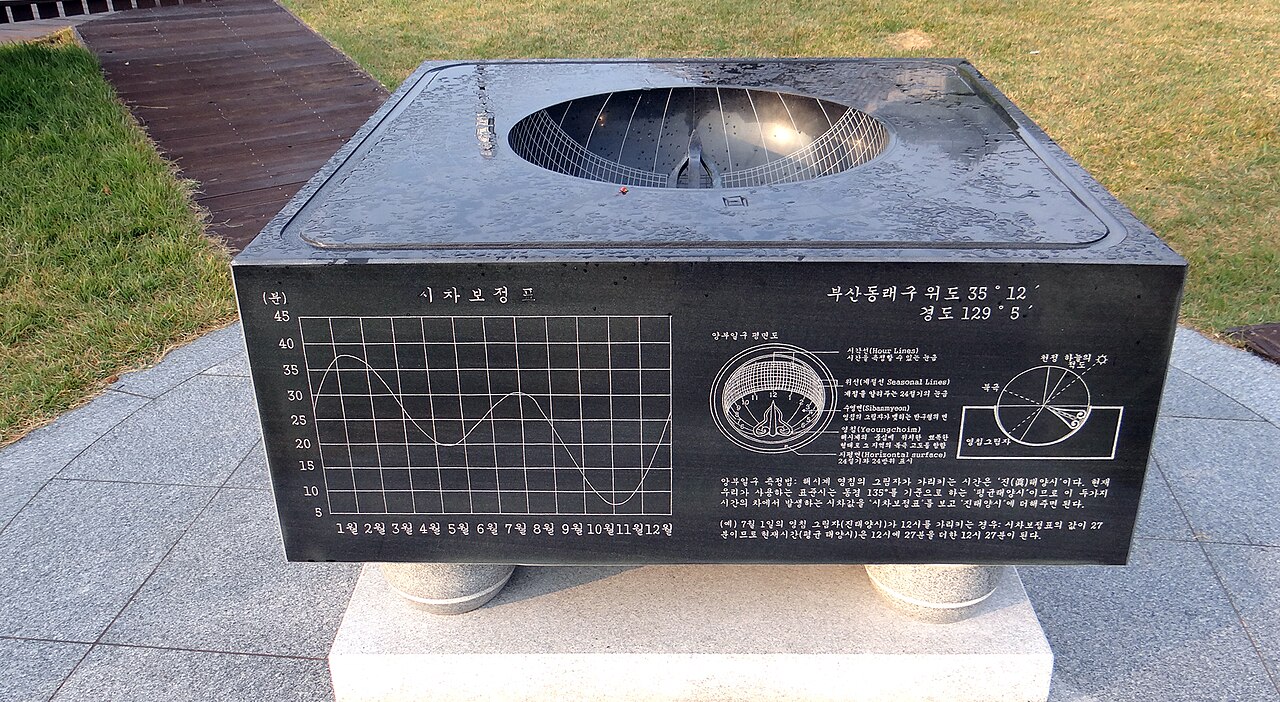
Angbu-ilgu is located within Seoul’s dense urban fabric. Use the mapped point as your destination when walking, taking a taxi or planning a route through the city’s historical areas. Seoul’s subway and bus network provides the broader connection, while the final approach depends on the surrounding streets and pedestrian paths. A navigation application can help keep the compact destination in view as you move through the neighbourhood. Build the stop into a walking itinerary, and allow time to pause rather than treating the location as a drive-by photograph.
Checked 2026-08-26 · Source

Angbu-ilgu is an outdoor heritage object, so rain, heat and winter cold can affect the visit. Avoid climbing on, leaning against or handling the sundial; careful distance protects both visitors and the historic material. Wet bronze and nearby paving can be slippery. Seoul traffic and pedestrian movement require attention if the installation sits beside an active street. Interpretation may be primarily in Korean, so a translation tool can help with reading signs. The small scale may surprise visitors expecting a monumental landmark, but close observation is the intended experience.
Checked 2026-08-26 · Source
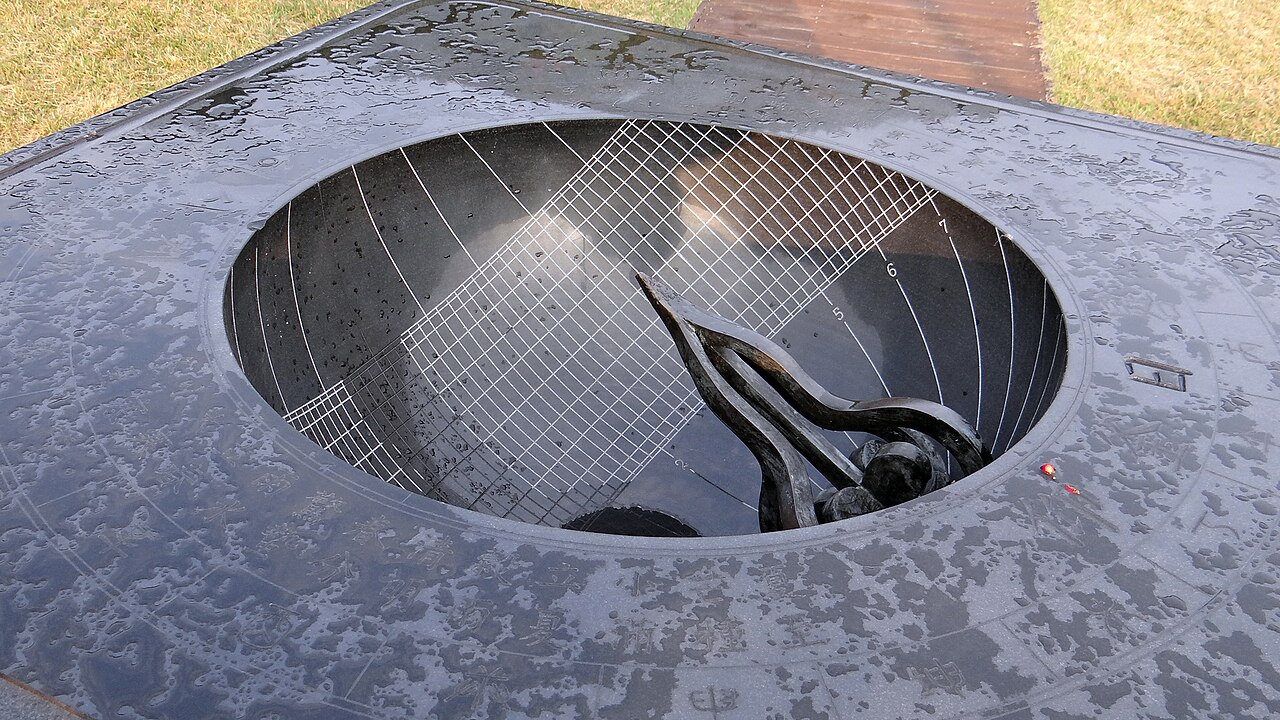
Angbu-ilgu photographs well as a study of shape, shadow and surface. Use angled daylight to show the curvature of the hemispherical bowl and the markings inside it. Overhead sun can reduce the visible shadow and make the form look flatter. Detail photographs can concentrate on the time lines and gnomon, while a wider frame places the instrument in Seoul’s urban heritage setting. Include a person only when appropriate and keep the surrounding path clear. Bronze surfaces may create bright reflections, so check exposure on the markings rather than on the brightest highlight.
Checked 2026-08-26 · Source
Angbu-ilgu is the Korean name for an urn-shaped sundial: angbu refers to the bowl-like form, and ilgu identifies a sundial or time-measuring instrument.
The main feature is an outdoor Korean sundial consisting of a hemispherical bowl, time markings and a gnomon that casts a shadow.
Allow approximately fifteen to thirty minutes to inspect the sundial, read its interpretation and take photographs.
Daylight reveals the sundial’s purpose because the gnomon casts a shadow across the marked surface for reading solar time.
Angbu-ilgu is described as an outdoor installation centred on the sundial, rather than an indoor museum route.
Photograph the bowl’s curvature, the gnomon, the inscribed time markings and the changing shadow in angled daylight.
Loading the interactive map…
The interactive map could not be loaded.
Last updated:
Source: OpenStreetMap contributors, Wikidata ·