
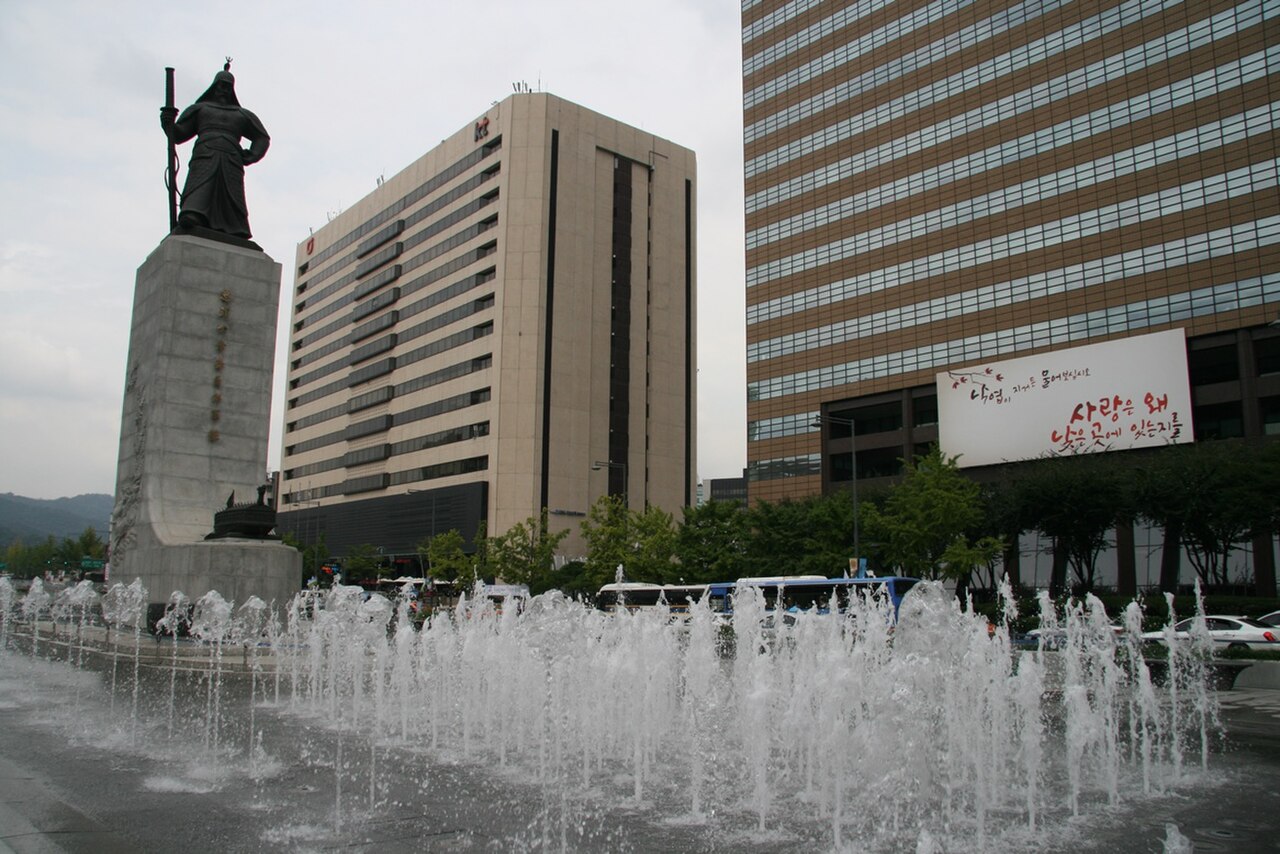
2 min walk
Gwanghwamun Square
- Must see
- Historic monument
Language · 11 published
Art and culture venue · Seoul
세종문화회관 대극장
Reviewed by Elena Voss · Roavina Travel Editor
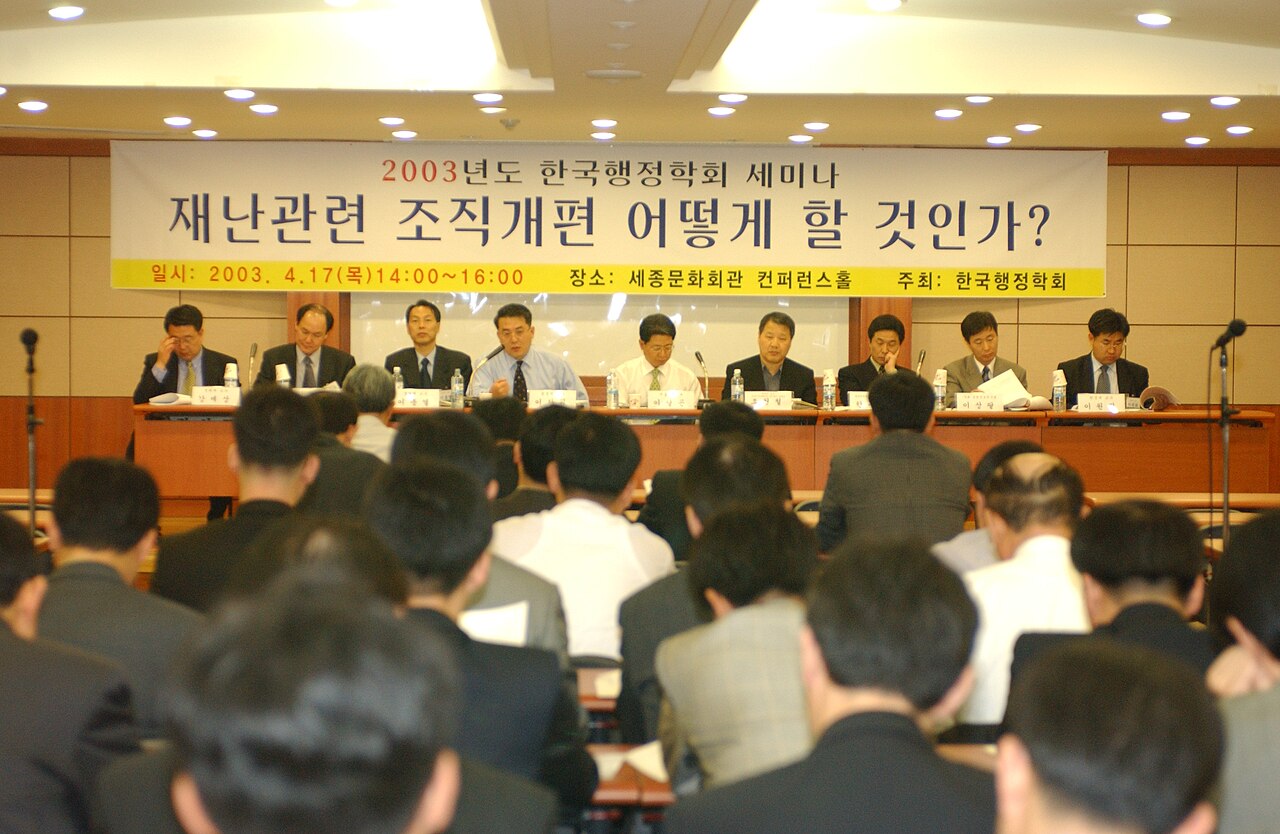
This place is a Theatre.
Sejong Center is a major performing-arts complex in central Seoul, beside Gwanghwamun Plaza. The name refers to King Sejong, the Joseon monarch associated with the creation of Hangul. The center is especially relevant for visitors interested in classical music, opera, ballet, orchestral concerts, and traditional Korean performing arts. Its location places it within a walkable cultural area containing royal history, public monuments, and broad civic spaces. It works best as part of a central Seoul day, particularly when paired with Gyeongbokgung Palace or the statues in Gwanghwamun Plaza. Sejong Center is a major performing arts complex in Seoul, South Korea. The local name is 세종문화회관 대극장, indicating the Grand Theater within the broader Sejong Center for the Performing Arts. No general admission fee exists for entering the Sejong Center building itself. Fees apply only for specific performances and events.
Checked 2026-08-26 · Source
The complex includes the Grand Theater, the principal large-scale performance venue, as well as additional halls for smaller productions and exhibitions. Visitors attending a concert, opera, ballet, or traditional performance will spend most of their time in the relevant auditorium, while the wider complex provides public circulation and gathering areas. The center is designed for substantial productions, with rehearsal, backstage, and performer-support spaces behind the audience areas. The surrounding cultural district adds outdoor monuments and open civic views, making the building more than a single auditorium stop.
Checked 2026-08-26 · Source
Allow the full scheduled performance length, including any interval, when visiting for an event. Arriving before the starting time gives you room to find the correct hall and seat without disturbing the audience. A visitor interested mainly in the exterior and surrounding public spaces can make the center a shorter stop within a Gwanghwamun walk. Combining a performance with Gyeongbokgung Palace, the King Sejong statue, and nearby streets creates a longer cultural outing. Evening shows can anchor the final part of a sightseeing day.
Checked 2026-08-26 · Source
Spring and autumn are comfortable seasons for walking around Gwanghwamun Plaza and combining the center with nearby outdoor sights. Summer can feel hot and humid, while winter is cold and may make a long outdoor route less pleasant. For an indoor visit, the decisive factor is the performance schedule rather than the season. Daytime viewing of the exterior works throughout the year. An evening performance gives the center a natural place in a day that begins with palaces and civic landmarks.
Checked 2026-08-26 · Source
Entry for a performance is tied to the individual production, with prices shaped by the event and seating section. The Grand Theater and other halls may therefore have different ticket arrangements on the same site. Popular concerts and major dance or opera productions are better suited to advance booking. Keep the event details available when you arrive, because the complex contains several performance spaces. Treat the performance ticket as separate from walking around Gwanghwamun Plaza, which is an outdoor public space rather than part of the theatre admission.
Checked 2026-08-26 · Source
Gwanghwamun Station on Seoul Subway Line 5 serves the center and places you in the central civic district. The building is also within walking distance of Gyeongbokgung Palace and the King Sejong statue. Buses and taxis serve the busy Gwanghwamun area, while the surrounding main roads can be crowded. A practical route is to visit the palace or plaza first, then walk to the center for an evening event. Use the hall name and venue name together when navigating to avoid being directed to a nearby landmark.
Checked 2026-08-26 · Source
Gwanghwamun is a busy civic and traffic area, and large gatherings can alter pedestrian movement around the plaza. For performances, arrive punctually, silence your phone, and follow the auditorium's rules on late seating, photography, and recording. Formal concerts and stage productions are shared experiences, so conversation and bright screens can disturb other audience members. A light layer can be useful inside a large theatre. Leave enough time for the final walk from the subway or a nearby sightseeing stop, especially before a fixed starting time.
Checked 2026-08-26 · Source
The exterior can be photographed as part of a Gwanghwamun walk, with the center, plaza, and monuments creating a civic Seoul composition. The King Sejong and Admiral Yi Sun-sin statues provide additional subjects nearby. Inside a performance hall, keep your camera away during the show and follow posted instructions. Flash and recording are particularly disruptive in dark auditoriums. For the strongest outdoor images, combine the building with the broad perspective of the plaza rather than treating the entrance alone as the complete scene.
Checked 2026-08-26 · Source
The center presents large-scale concerts, opera, ballet, and traditional Korean performing arts in the Grand Theater and other halls. Its Gwanghwamun setting also connects it with public monuments and royal sites.
Yes. The center is in the Gwanghwamun area, within walking distance of Gyeongbokgung Palace and the King Sejong statue.
Gwanghwamun Station on Seoul Subway Line 5 serves the center and the surrounding plaza.
Its programme includes classical music, orchestral concerts, opera, ballet, and traditional Korean performing arts, with productions distributed across several halls.
Arrive before the scheduled start, silence your phone, and follow the hall's rules about late seating, photography, and recording.
The center, Gwanghwamun Plaza, and the King Sejong and Admiral Yi Sun-sin statues provide strong outdoor subjects. Avoid photographing or recording during performances.
Loading the interactive map…
The interactive map could not be loaded.
Last updated:
Source: OpenStreetMap contributors, Wikidata ·