.jpg)
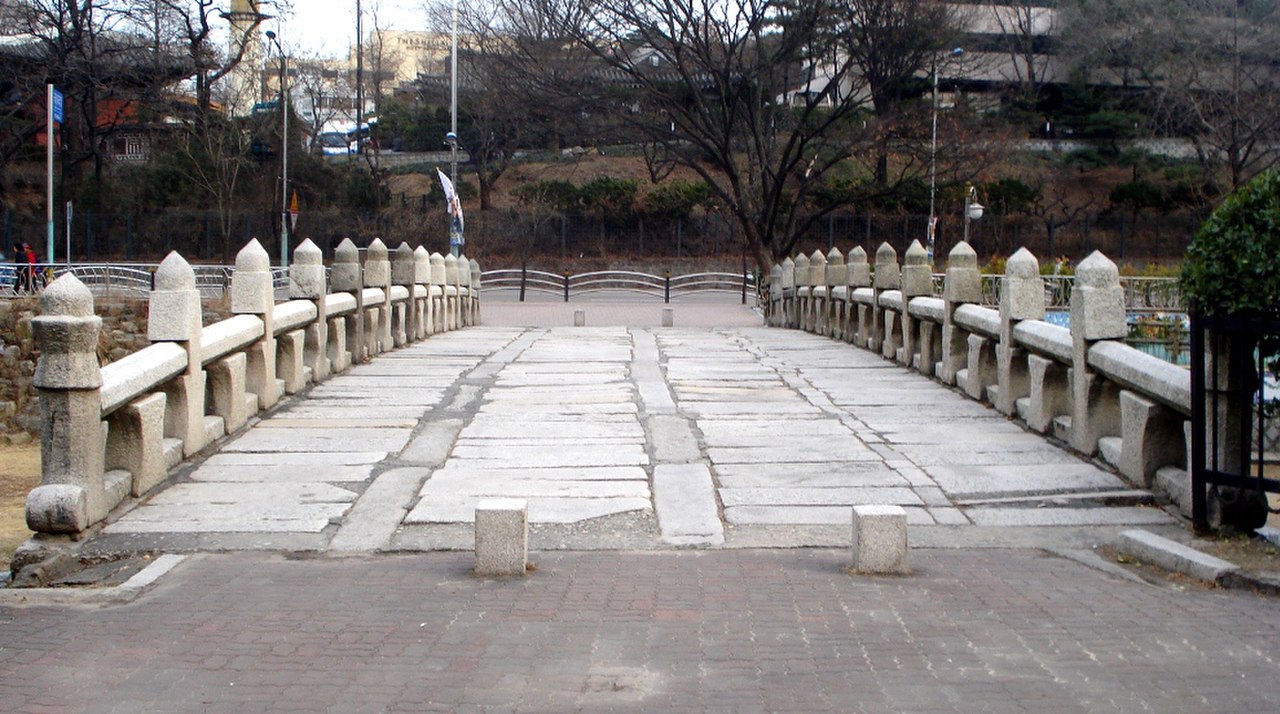
9 min walk
Jangchungdan Park
- Notable
- Nature site
Art and culture venue · Seoul
국립극장
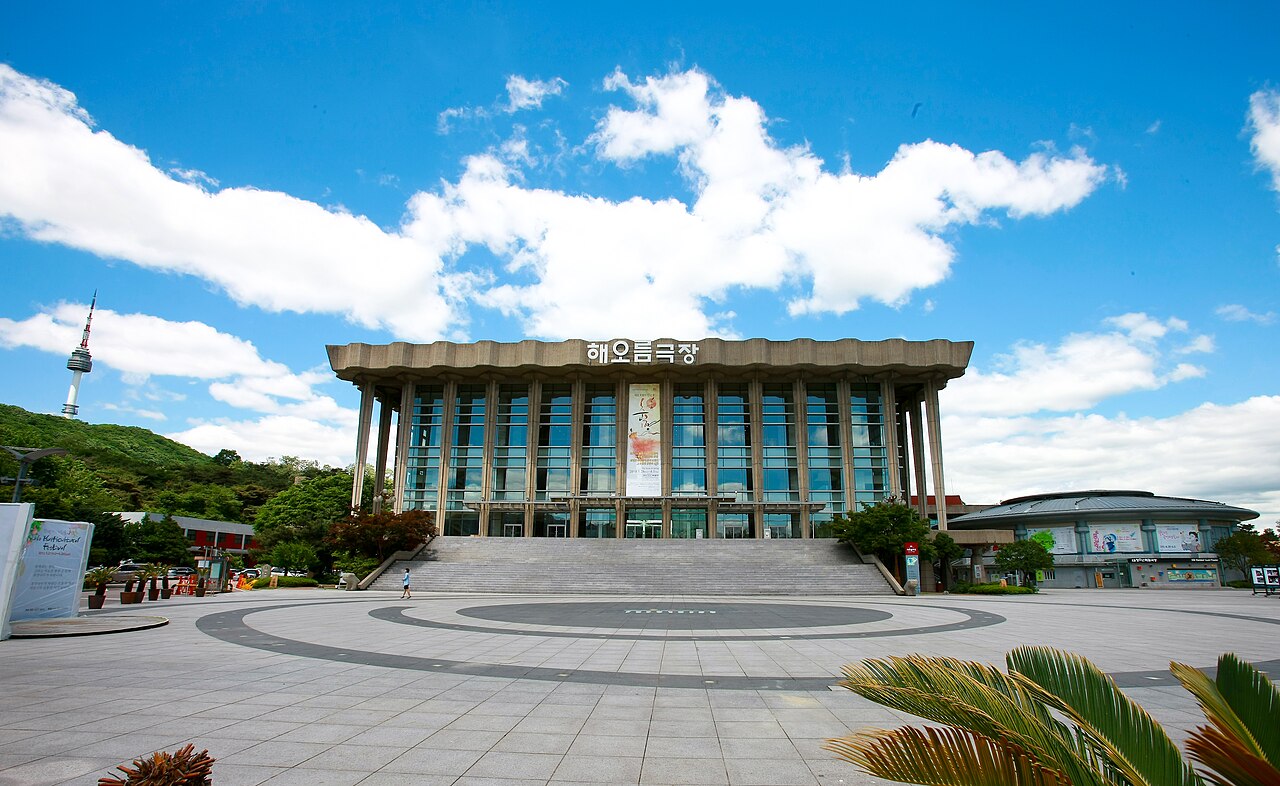
The National Theater of Korea is a major performing-arts institution on the slopes of Namsan in Seoul. It presents Korean theatrical heritage alongside contemporary theatre, music, dance, and large stage productions. The venue is particularly valuable for travelers seeking pansori, changgeuk, traditional dance, and other forms connected with Korea's performance culture. Its hillside setting gives the visit a different rhythm from central Seoul's flat civic districts. It can be combined with Namsan walking routes and other cultural stops around the mountain. The National Theater of Korea is the country's premier public performing arts venue, established to preserve and develop traditional Korean performing arts while also presenting contemporary works. Located in Seoul, it serves as a major cultural institution under national administration. The complex occupies a significant site on Namsan Mountain's slopes. Visitors should verify operational status before traveling.
Checked 2026-08-26 · Source
The complex is organized around several halls with different scales and purposes. Haeoreum Theater is the main venue for large productions, Daloreum Theater serves medium-sized performances, and Byeoloreum Theater offers a smaller setting. The grounds also contain rehearsal and educational spaces, exhibition areas, and outdoor areas used for performances. Korean architectural references are integrated with modern theatre facilities. The most useful way to experience the site is to follow the specific hall named on your event details, then explore the wider compound if time allows.
Checked 2026-08-26 · Source
For a performance, allow the show length plus time to climb or walk through the hillside grounds, find the correct hall, and take your seat. A short visit focused on the exterior and architectural setting can fit into a Namsan route. Educational programmes and scheduled events require the length stated for that programme. An evening production can become the main event of the day, while a daytime visit leaves room for Namsan Park or other nearby Seoul attractions. Build in extra time when weather makes slopes slower.
Checked 2026-08-26 · Source
Spring and autumn are the easiest seasons for exploring the theater's outdoor setting and the surrounding Namsan slopes. Summer combines heat, humidity, and possible monsoon rain, while winter can make exposed paths cold. For ticket holders, the event time matters more than the season. Outdoor programmes are especially sensitive to weather. A daytime visit suits travelers combining the theater with a Namsan walk; an evening performance works well after sightseeing elsewhere in Seoul.
Checked 2026-08-26 · Source
Ticket arrangements depend on the production and the hall. Traditional performance, contemporary theatre, dance, and special events can use different prices and seating plans. Popular productions benefit from advance reservation, while same-day availability depends on remaining capacity. Read the event details carefully so you go to the correct theater within the compound. Some outdoor performances may be presented without the same ticketing pattern as indoor shows. Keep your ticket accessible from arrival through seating, particularly when moving across a large site.
Checked 2026-08-26 · Source
Dongguk University Station on Seoul Subway Line 3 is the nearby rail connection, followed by a walk or local transfer toward the Namsan hillside. Buses and taxis can reach the theater area directly. The terrain means the final approach is not the same as arriving at a flat city-center venue. Pedestrian paths through Namsan Park provide another approach for visitors already walking on the mountain. Follow the hall name and venue signage once on the grounds, because the complex contains Haeoreum, Daloreum, and Byeoloreum theaters.
Checked 2026-08-26 · Source
The hillside location brings slopes and steps, so comfortable shoes and a slower pace are useful. Rain can make outdoor approaches less comfortable, and winter cold is noticeable on exposed paths. During a show, arrive on time and follow theatre rules on late seating, photography, and recording. Traditional performances may rely on Korean cultural context, so the form itself can be part of the experience even when the spoken or sung language is unfamiliar. Crowds can increase around major productions and festivals.
Checked 2026-08-26 · Source
The theater buildings and Namsan hillside provide more varied subjects than an indoor auditorium alone. Photograph the exterior architecture and landscaped grounds before entering a performance. Inside the halls, respect the ban on photography and recording during active shows. Exhibition areas and outdoor events may have their own instructions, so follow signs and staff directions. Wide views that include the buildings and mountain setting communicate the character of the National Theater better than close-up details of one entrance.
Checked 2026-08-26 · Source
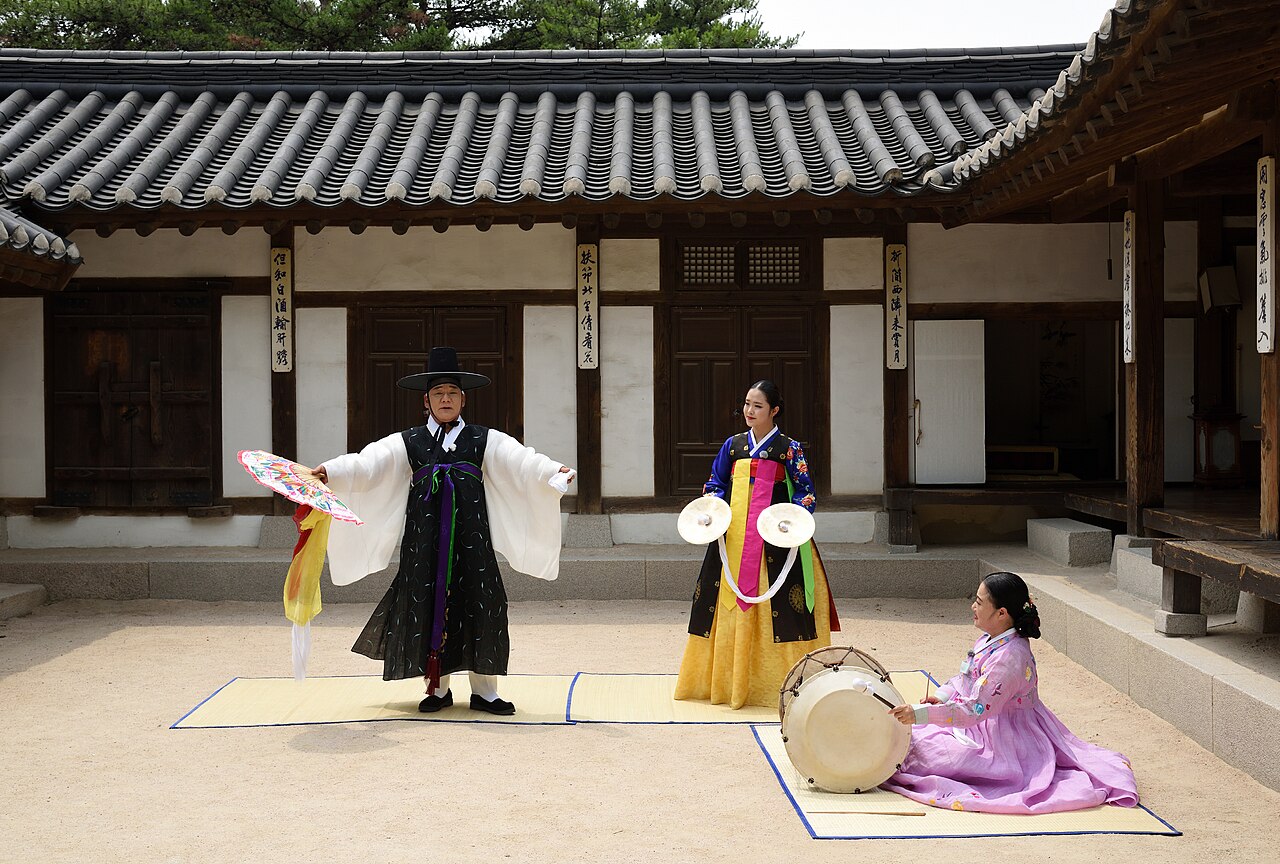
The venue presents pansori, changgeuk, traditional dance, contemporary theatre, music, and other large and small stage productions.
Haeoreum Theater is the main large venue, Daloreum Theater serves medium-sized performances, and Byeoloreum Theater provides a smaller setting.
It stands on the slopes of Namsan in Seoul, near Dongguk University Station on Subway Line 3 and connected Namsan walking routes.
Yes. Its hillside grounds can be combined with Namsan Park walks and other cultural or scenic stops around the mountain.
Expect a hillside approach with slopes and steps rather than a flat central-city arrival. Allow extra walking time before a scheduled performance.
Exterior architecture and grounds are useful subjects, while photography and recording should be avoided during performances and controlled by venue instructions indoors.
Loading the interactive map…
The interactive map could not be loaded.
Last updated:
Source: OpenStreetMap contributors, Wikidata ·