
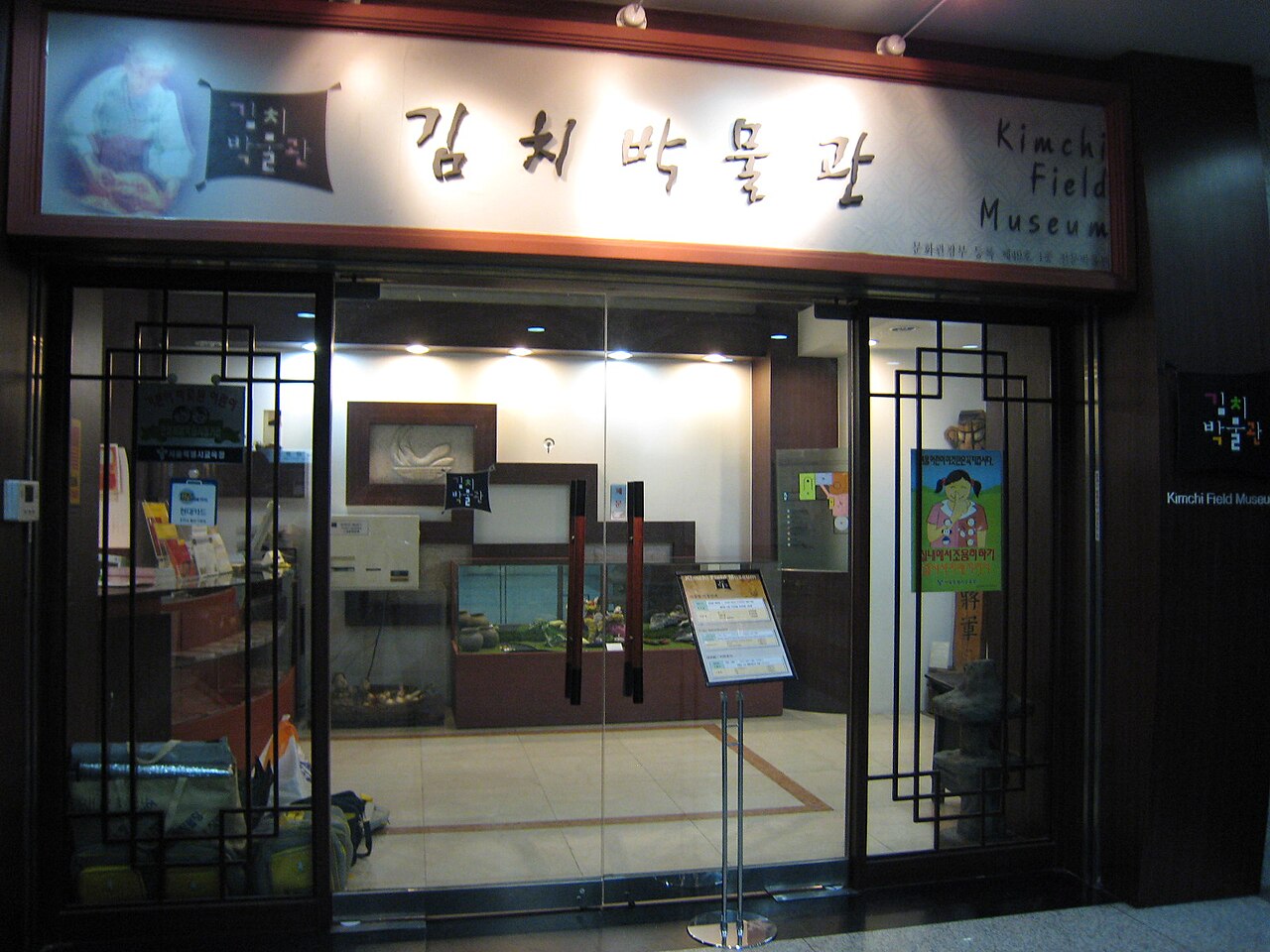
5 min walk
Museum Kimchikan
- Must see
- Museum
Historic monument · Seoul
운현궁
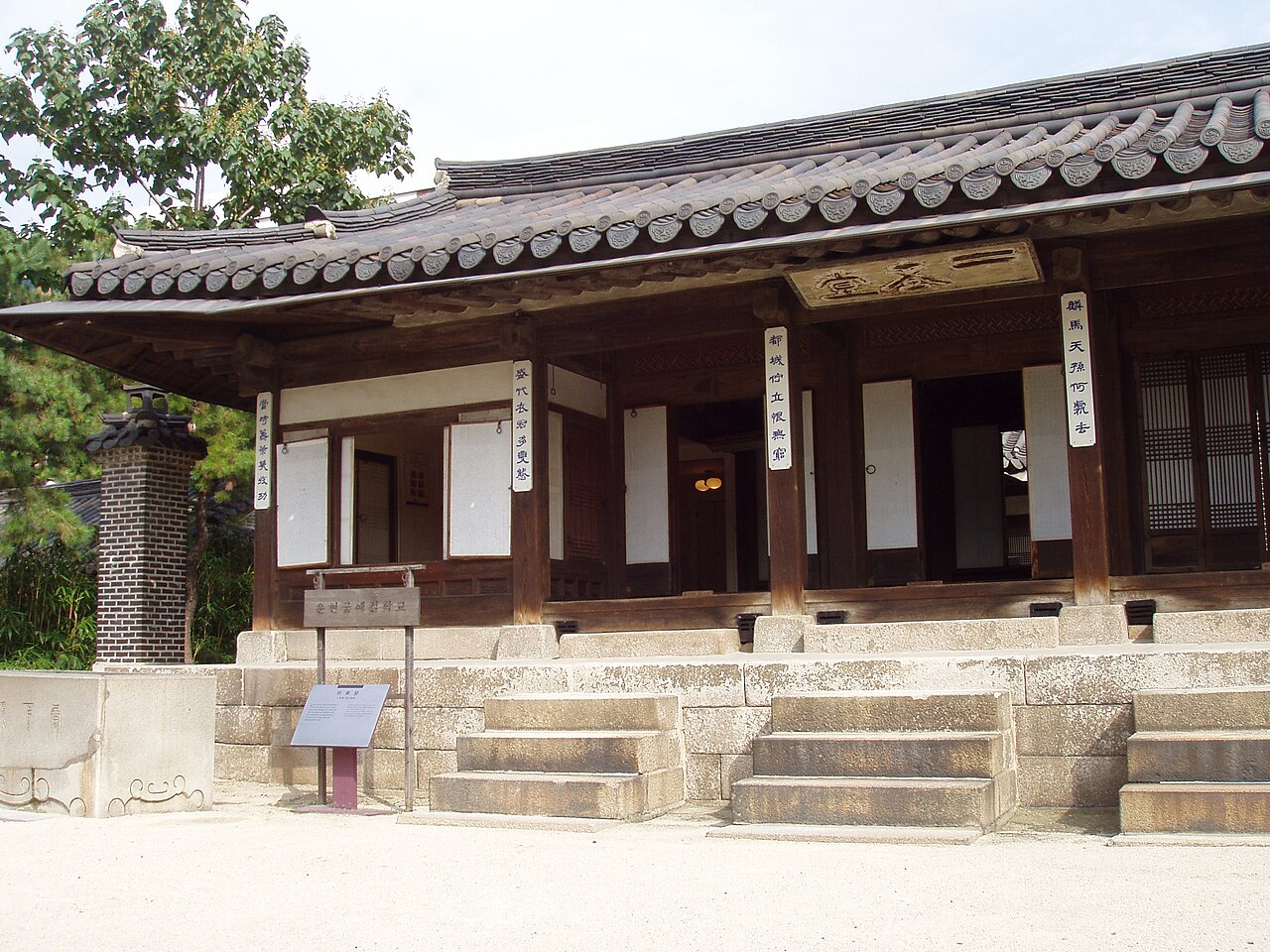
Unhyeongung is a historic royal residence in Seoul, known locally as 운현궁. It was associated with Heungseon Daewongun, the powerful nineteenth-century regent of the Joseon Dynasty. Unlike the largest royal palaces, Unhyeongung presents a more intimate residential setting, helping visitors connect political history with the spaces used by an influential Joseon-era household. Unhyeongung is a royal residence in Seoul, South Korea, historically associated with the Joseon dynasty. The local name is 운현궁. It served as the residence of Heungseon Daewongun, the regent who wielded significant political power during the nineteenth century. The compound represents an important example of traditional Korean palace architecture at a scale more intimate than the primary royal palaces. Its historical significance derives from its connection to major political events of the late Joseon period. The site has been preserved as a cultural heritage destination within the contemporary urban fabric of Seoul, offering visitors insight into aristocratic residential life and nineteenth-century Korean political history. Unhyeongung is historically significant as the residence of Heungseon Daewongun, a powerful regent of the late Joseon dynasty who dominated Korean politics in the nineteenth century.
Checked 2026-08-26 · Source
The compound contains traditional Korean buildings arranged around courtyards, including residential quarters, reception spaces, and supporting structures. Look for tiled roofs, timber construction, painted decoration, raised thresholds, and the carefully ordered relationship between rooms and open space. Unhyeongung feels more like an aristocratic residence than a vast ceremonial palace, so architectural scale and domestic layout are central to the experience. The Unhyeongung compound contains multiple traditional structures arranged according to Korean palace design principles. Buildings include residential quarters, reception halls, and ancillary structures typical of elite Joseon-era architecture. Wooden construction with tiled roofs and painted decorative elements characterizes the built environment. Courtyard spaces and garden areas would have formed part of the original residential complex. The site may contain reconstructed or restored elements alongside original fabric. Visitors should expect a traditional Korean architectural ensemble rather than a museum with extensive curated collections.
Checked 2026-08-26 · Source
Allow enough time to walk through the compound, compare the buildings and courtyards, and read the historical context connected with Heungseon Daewongun. A brief circuit suits travelers adding Unhyeongung to a central Seoul walk, while visitors fascinated by Joseon residential architecture can linger longer over timber details, thresholds, roof forms, and the arrangement of the rooms. The duration of a visit to Unhyeongung depends on individual interest in Korean architectural heritage and historical narrative. A thorough exploration of the compound, including examination of building exteriors, courtyard spaces, and any informational materials available on-site, would reasonably occupy a visitor for a period of time comparable to other medium-scale heritage sites.
Checked 2026-08-26 · Source
Spring and autumn make outdoor movement through the courtyards especially pleasant. Summer brings heat and humidity, and winter can be cold, particularly when moving between buildings. Daylight helps reveal the compound’s timber, rooflines, and courtyard geometry. A quieter weekday visit can make it easier to appreciate the residential scale and the connection between the site and Seoul’s modern streets.
Checked 2026-08-26 · Source
Unhyeongung is a separate historic residence, distinct from Seoul’s principal palace complexes. Plan it as an independent cultural stop whose value comes from its architecture and association with Heungseon Daewongun. Its intimate scale makes it easy to combine with other central Seoul heritage destinations, while keeping the visit focused on aristocratic residential life rather than a large royal compound.
Checked 2026-08-26 · Source
Unhyeongung sits within Seoul’s central urban network, where subway, bus, taxi, and walking connections link historic destinations. Use the place position for the final approach and expect a walk from public transport. The compound’s traditional construction may include steps, thresholds, and uneven surfaces, so travelers with mobility concerns should plan their route around the physical character of a heritage residence.
Checked 2026-08-26 · Source
Traditional buildings may have raised thresholds, wooden floors, steps, and changes in level between courtyards. Wet weather can make timber and stone surfaces slippery. Protect personal belongings in busy urban areas, and follow any rules concerning footwear, food, behavior, or restricted rooms. The compound has limited shelter in open courtyards, so dress for Seoul’s seasonal conditions.
Checked 2026-08-26 · Source
Unhyeongung offers strong subjects in its tiled roofs, painted timber, bracket systems, thresholds, courtyards, and layered views between buildings. Exterior architectural photography can emphasize the residence’s intimate scale. Keep flash, tripods, and other equipment unobtrusive, and respect any interior restrictions. Morning or afternoon daylight can reveal the texture of wood and the contrast between enclosed rooms and open courtyards.
Checked 2026-08-26 · Source
Unhyeongung was associated with Heungseon Daewongun, a powerful nineteenth-century regent of the Joseon Dynasty.
No. It is a separate historic royal residence with a more intimate residential scale than Gyeongbokgung or Changdeokgung.
Visitors can see traditional Korean timber buildings, tiled roofs, painted decoration, courtyards, thresholds, and residential spaces.
Its distinctive quality is the combination of late Joseon political history with the intimate layout of an aristocratic residence.
Expect traditional thresholds, wooden floors, steps, courtyards, and changes in level between the connected buildings.
Spring and autumn are comfortable for walking through the courtyards; summer is humid and winter can be cold.
Loading the interactive map…
The interactive map could not be loaded.
Last updated:
Source: OpenStreetMap contributors, Wikidata ·