


1 min walk
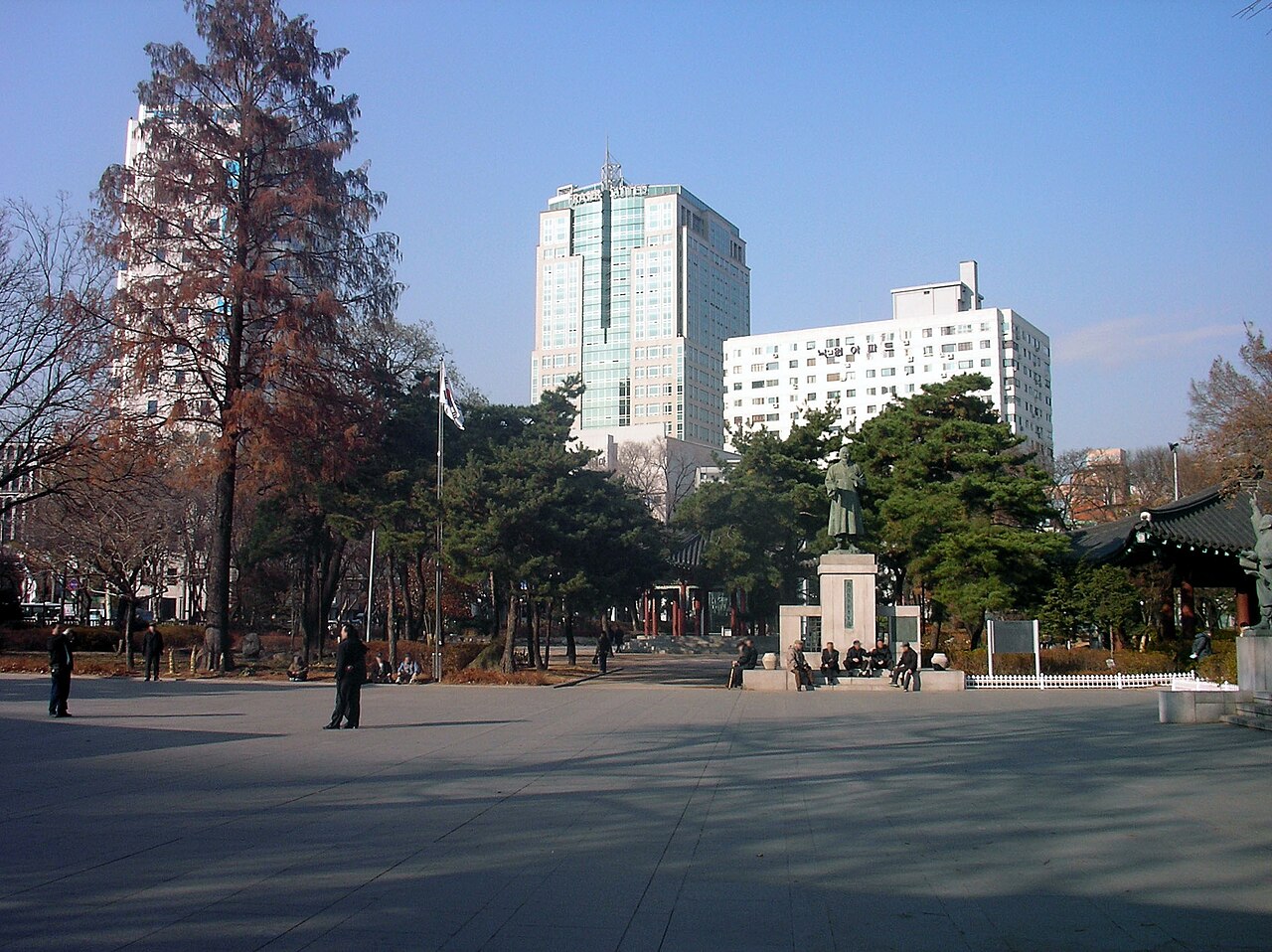
Tapgol Park
- Must see · Heritage site
- Nature site
Historic monument · Seoul
서울원각사지십층석탑
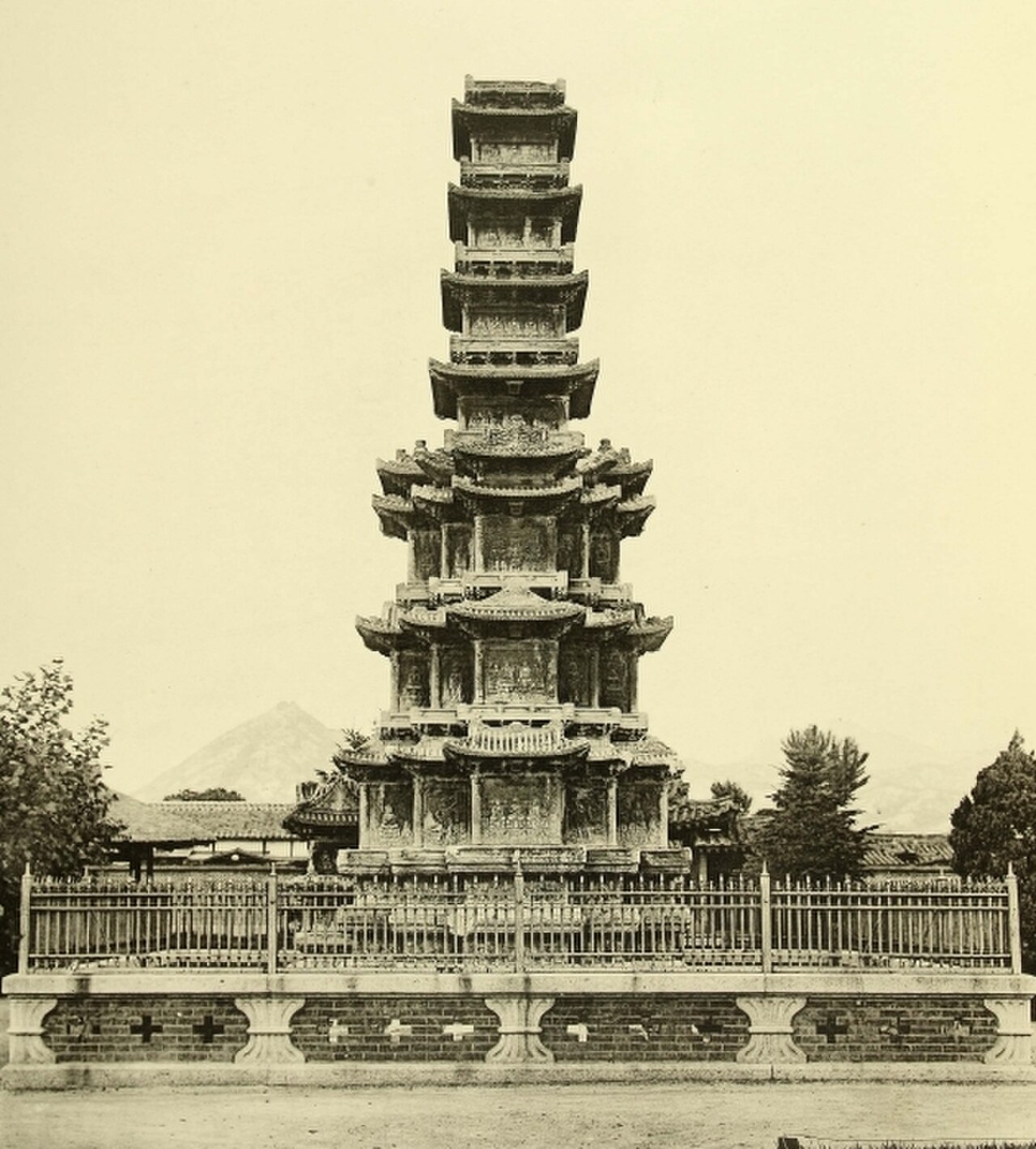
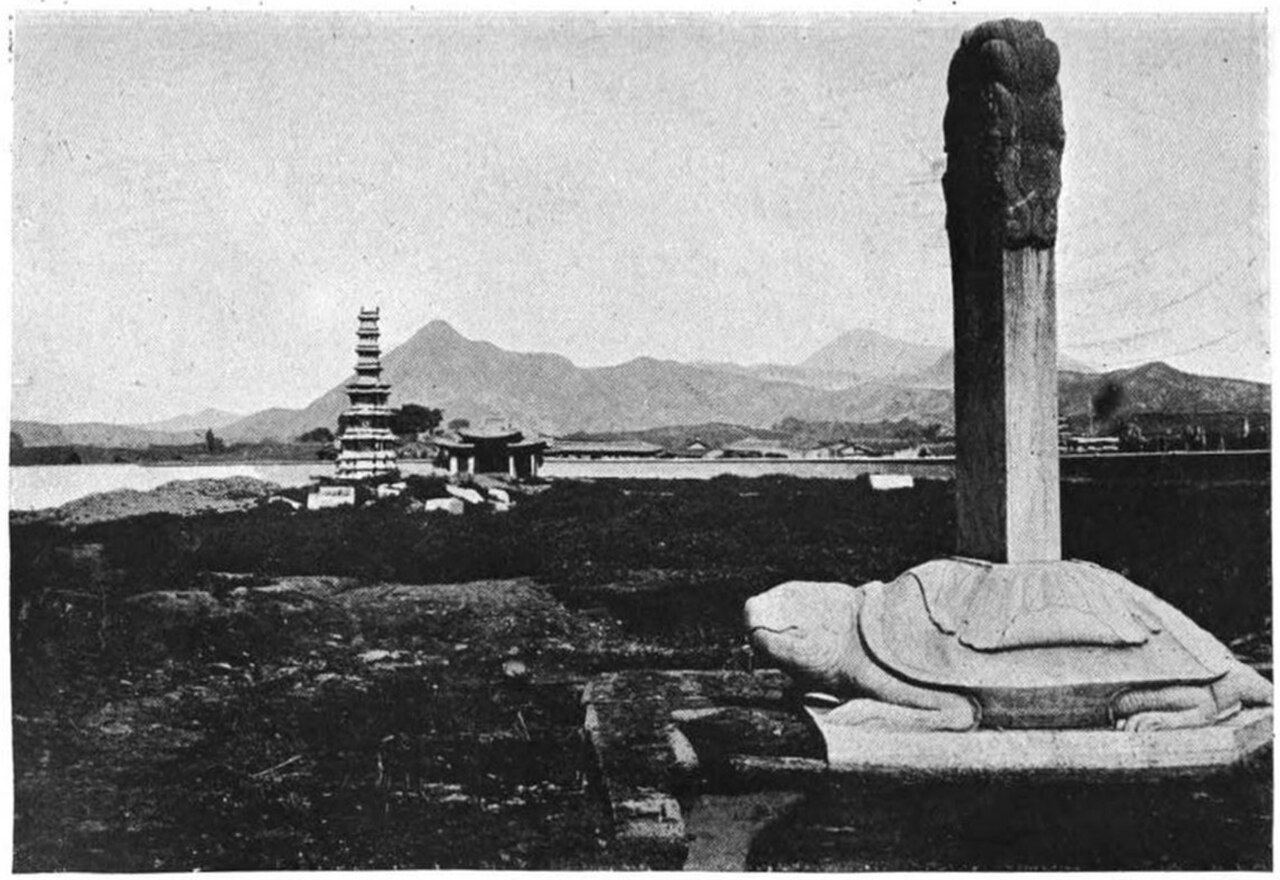
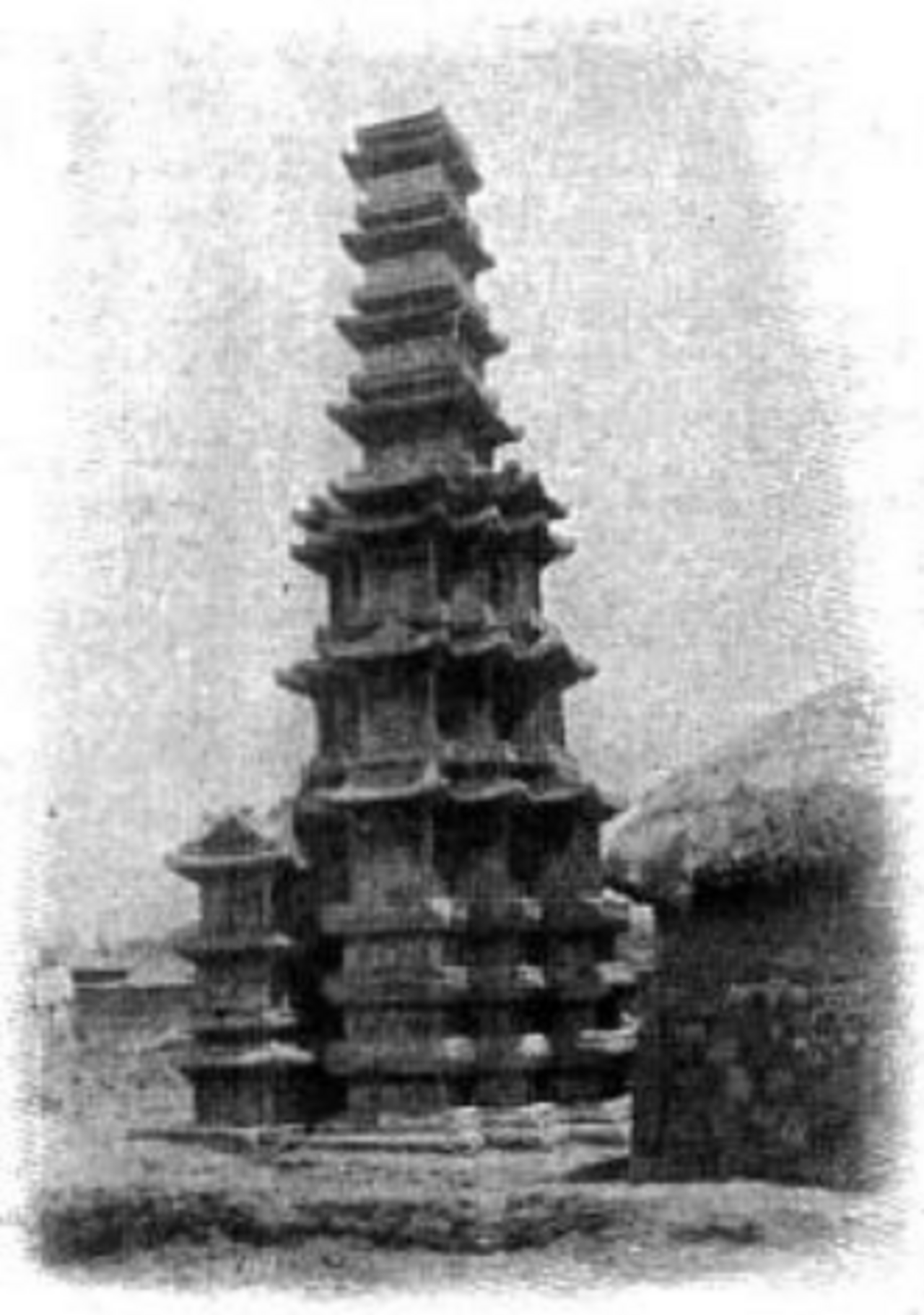
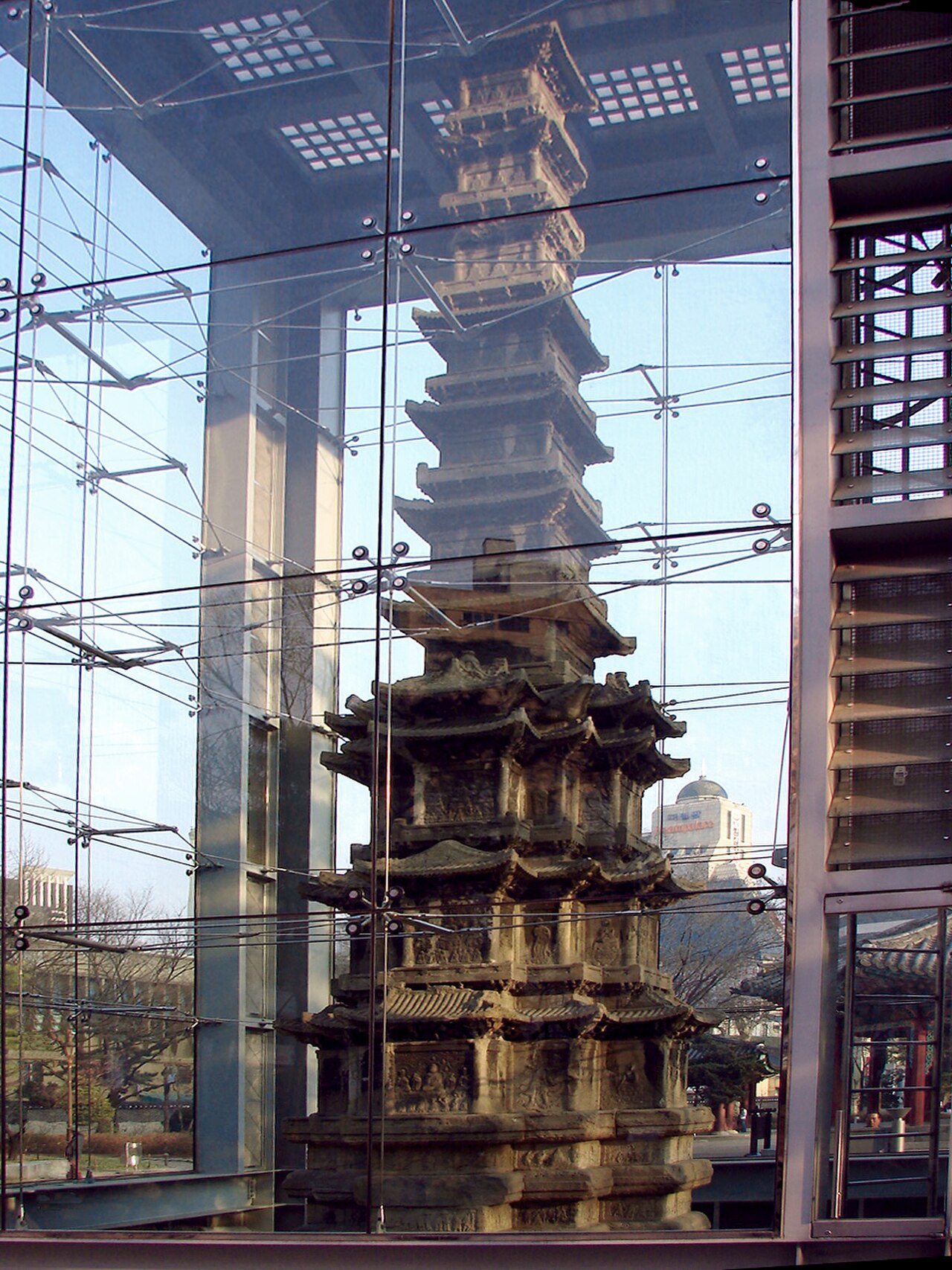
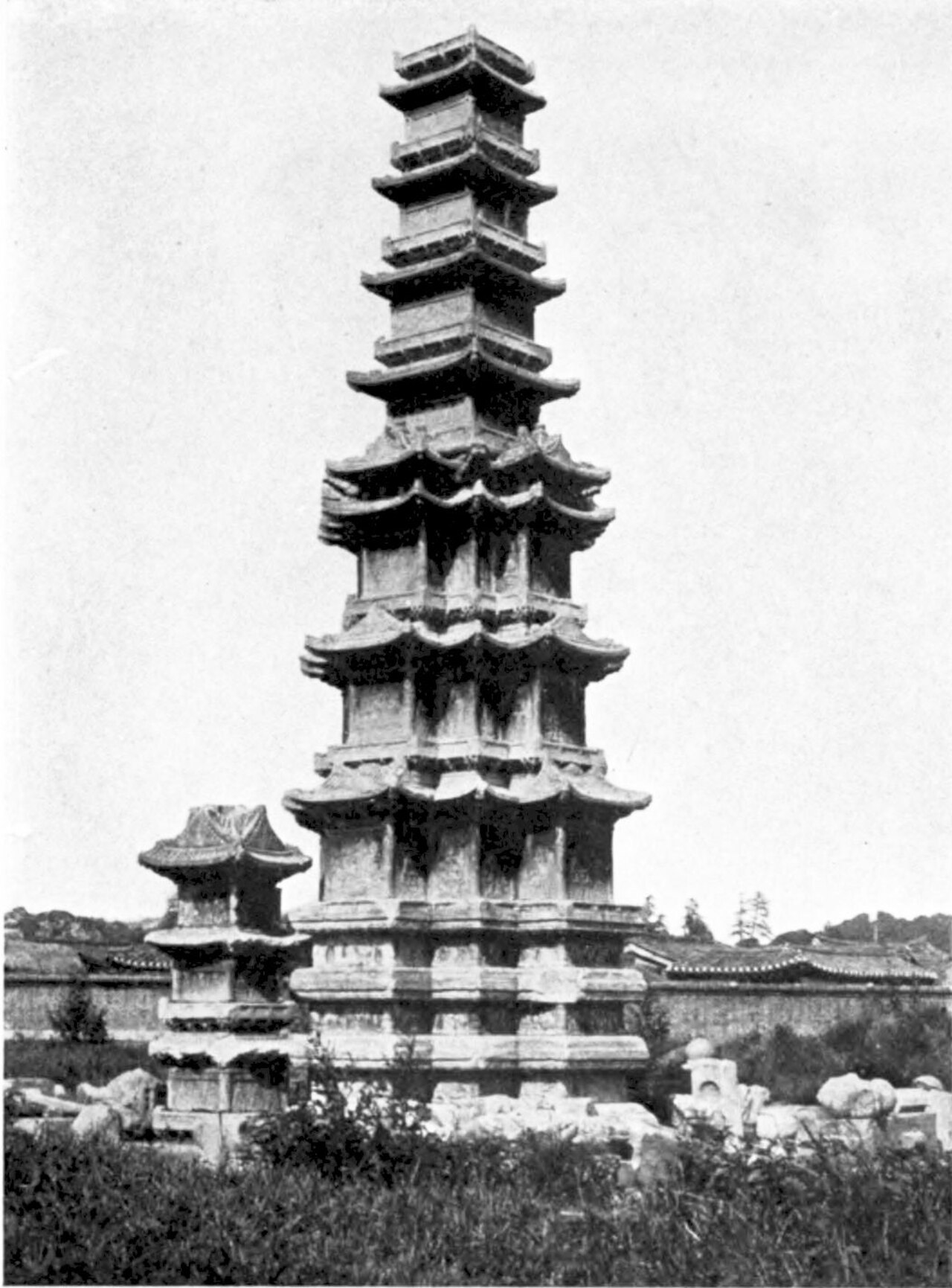
Wongaksa Pagoda, known locally as Seoul Wongaksaji Sipcheungseoktap, stands as a significant stone pagoda in Seoul, South Korea. The structure represents a notable example of Joseon-era Buddhist architecture, originally associated with Wongaksa Temple. The pagoda has survived historical upheavals including the Japanese invasions and subsequent periods of neglect. Today it remains an important cultural heritage site within the urban fabric of modern Seoul. The ten-story stone construction demonstrates traditional Korean stonework techniques. Visitors encounter this monument in a protected setting that acknowledges its historical importance to Korean Buddhist tradition and national heritage preservation efforts.
Checked 2026-08-26 · Source
The pagoda itself is an exterior stone monument without interior chambers accessible to visitors. The structure consists of stacked stone tiers forming ten levels, each diminishing in size as they ascend. Decorative stone carvings adorn various levels, though detailed documentation of specific motifs requires specialist examination. The surrounding area typically features protective fencing or barriers to prevent direct contact with the ancient stonework. Interpretive signage may provide historical context, though specific content varies by installation. The site functions primarily as an open-air historical monument rather than an enclosed attraction. Visitors should expect to observe the structure from designated viewing positions at ground level around its perimeter.
Checked 2026-08-26 · Source
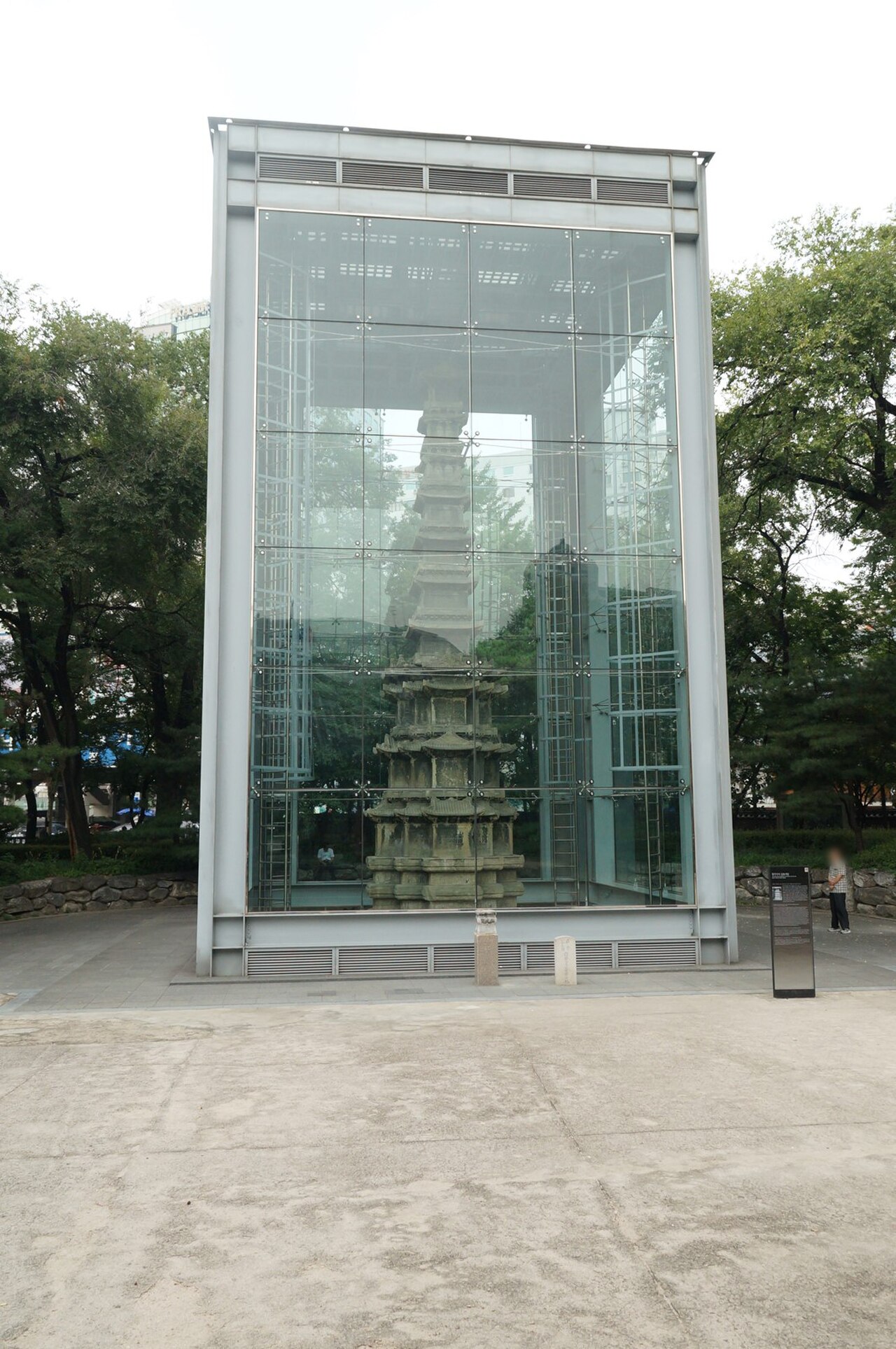
A visit to Wongaksa Pagoda typically requires brief observation time, generally ranging from fifteen to thirty minutes for most visitors. The experience centers on circumambulating the structure to appreciate its stonework from multiple angles and reading any available interpretive materials. Photography and contemplation may extend this duration for individuals with particular interest in Korean Buddhist architecture or heritage photography. The pagoda does not offer interior exploration or supplementary exhibition spaces that would substantially lengthen a visit. Travelers often combine this stop with other nearby historical or cultural attractions in central Seoul. Planning thirty to forty-five minutes allows comfortable pacing without rushing the observational experience.
Checked 2026-08-26 · Source
The pagoda occupies an outdoor urban location accessible during daylight hours throughout the year. Seasonal variations in Seoul's climate affect visitor comfort, with spring and autumn generally offering mild temperatures favorable to outdoor monument viewing. Summer brings heat and humidity, while winter presents cold conditions potentially affecting extended outdoor stays. Rain or snow may diminish the experience of this unsheltered site. The monument lacks artificial illumination, restricting meaningful viewing to natural daylight periods. Early morning or late afternoon light may enhance photographic opportunities of the stone surfaces.
Checked 2026-08-26 · Source
Wongaksa Pagoda stands in an open public space without controlled entry gates in its immediate vicinity. No admission fee structure is documented for direct access to the pagoda viewing area. Visitors should anticipate free access consistent with many outdoor heritage monuments in Seoul's public spaces. No ticket purchase procedures, advance booking systems, or reservation requirements are known. Group tours or specialized heritage programs operating in the area may involve separate arrangements unknown to this guide. Visitors carrying identification and standard travel provisions should encounter no financial barriers to basic observation of this monument.
Checked 2026-08-26 · Source
The pagoda occupies a location in central Seoul accessible through the city's extensive public transportation network. Multiple subway stations serve the general district, requiring subsequent walking to reach the specific monument. Bus routes operate throughout the surrounding area with stops in reasonable proximity. Exact walking distances and optimal transit connections depend on departure points throughout the metropolitan region. Taxis and rideshare services provide direct access though may face traffic delays during peak periods. The monument's placement within urban development means pedestrian navigation from nearby transit points involves street-level walking. Visitors should consult current Seoul transit applications or tourist information centers for precise routing from their accommodations.
Checked 2026-08-26 · Source
The pagoda's protected status means visitors must observe barriers and avoid touching or climbing the ancient stonework. Weather conditions affect the immediate area without shelter provision; sun exposure, precipitation, or temperature extremes require appropriate personal preparation. Urban surroundings involve standard city safety awareness regarding traffic and personal belongings. The site may experience crowding during peak tourism periods or surrounding cultural events. No on-site staff presence is consistently documented for immediate assistance. Visitors with mobility considerations should assess pathway conditions around the monument perimeter. Nighttime access presents reduced visibility and standard urban safety factors. Respectful conduct appropriate to Buddhist heritage sites remains expected regardless of formal supervision.
Checked 2026-08-26 · Source
The pagoda presents opportunities for exterior photography from multiple angles around its perimeter. Daylight conditions significantly affect image quality given the absence of artificial lighting. Morning and late afternoon light may enhance the stone textures and tiered silhouette against sky backgrounds. Protective barriers may limit proximity and certain compositional choices. The urban setting introduces background elements of modern Seoul that photographers may incorporate or seek to minimize. No interior photography opportunities exist. Commercial or professional photography may require permits unknown to this guide. Visitors should exercise discretion regarding other individuals in frame.
Checked 2026-08-26 · Source
The structure stands as a heritage monument in an urban setting.
No interior access is possible. The structure is solid stone without chambers, and protective barriers prevent climbing. Observation is limited to ground-level circumambulation.
Visitors typically observe independently. Broader Seoul heritage tours may include this monument without specific confirmation.
The pagoda represents Joseon-era Buddhist architecture.
The pagoda relies on natural daylight for viewing, and nighttime observation would lack meaningful visibility of architectural details.
Visitors should anticipate standard urban Seoul facilities in the surrounding district without confirmed proximity.
Loading the interactive map…
The interactive map could not be loaded.
Last updated:
Source: OpenStreetMap contributors, Wikidata ·