.jpg)
.jpg)
.jpg)
25 min walk
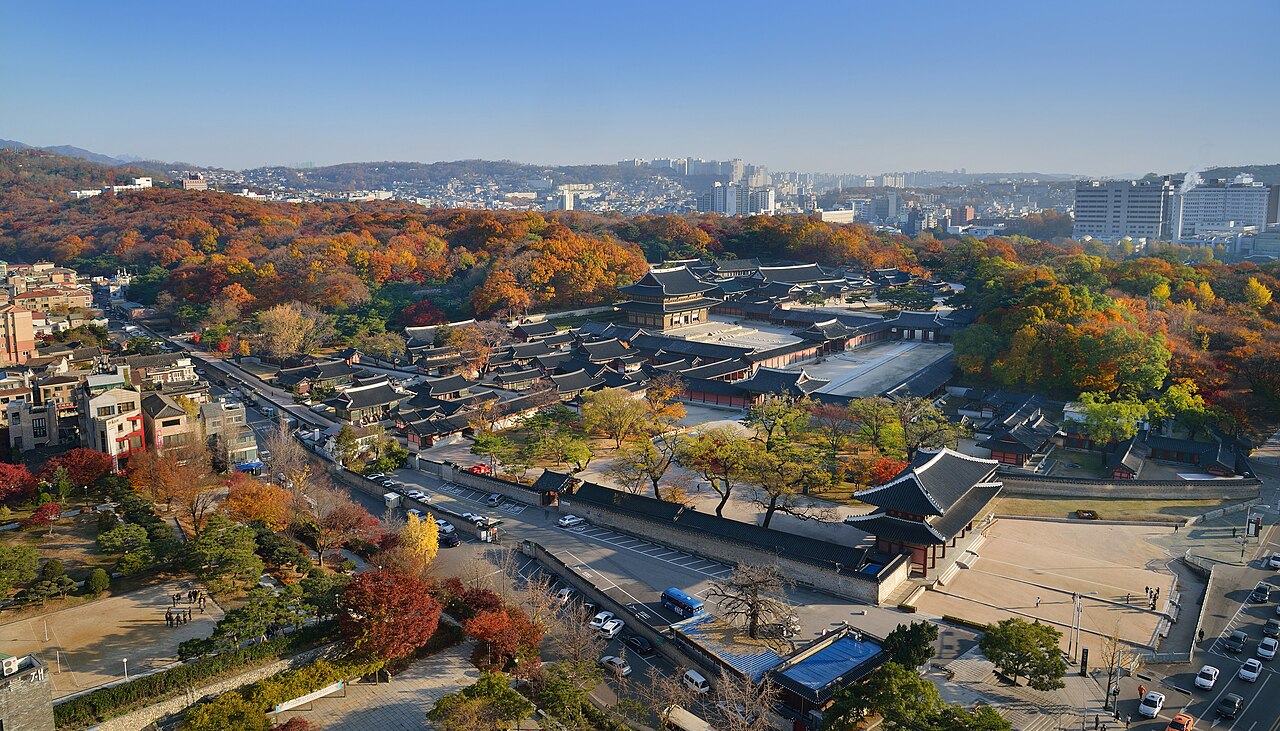
Changdeokgung Palace
- Must see · Heritage site
- Historic monument
Museum · Seoul
한국가구박물관
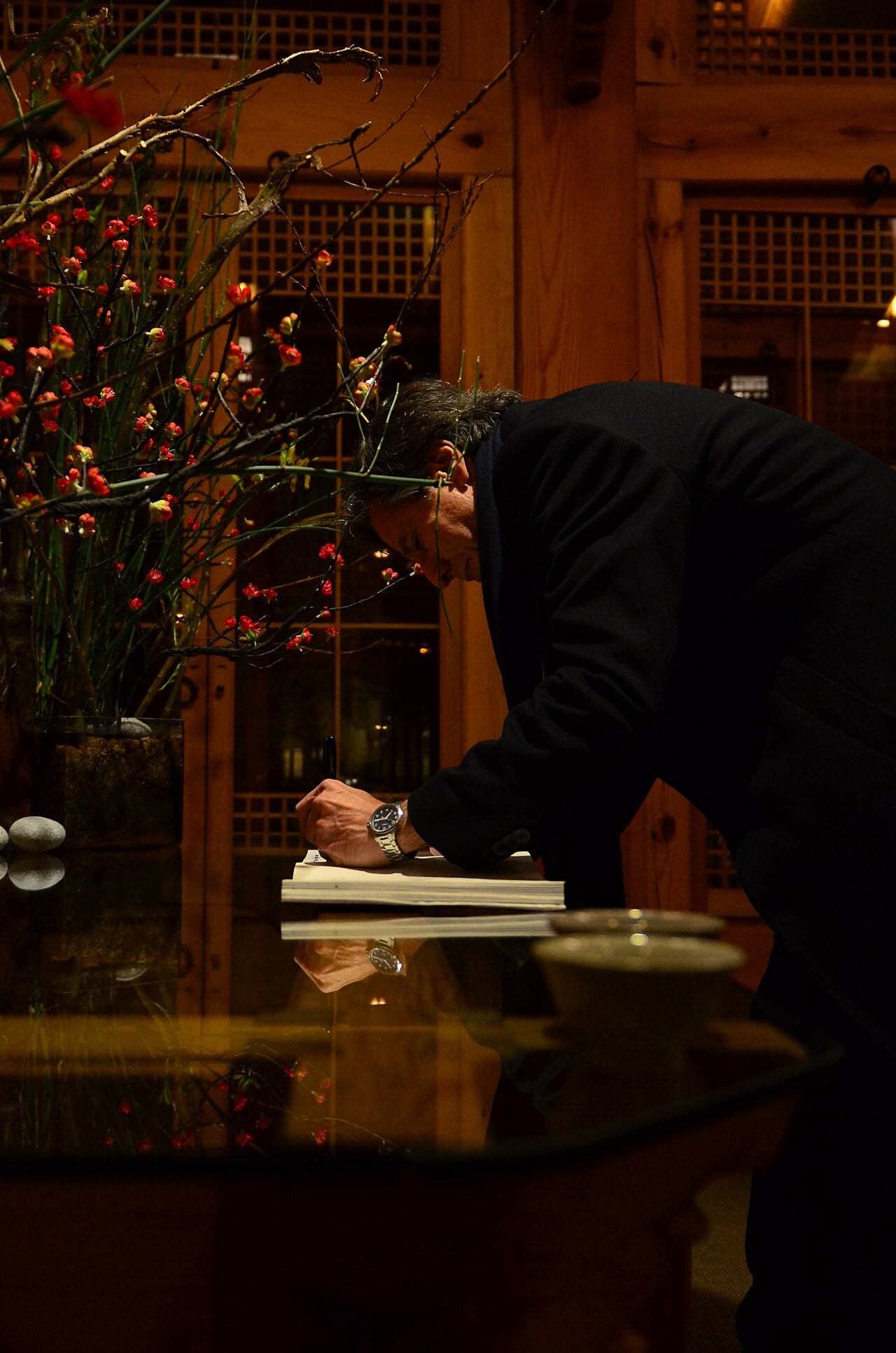
The Korea Furniture Museum presents traditional Korean furniture within a hanok setting in Seoul. The buildings and collection belong together: chests, wardrobes, cabinets and tables can be understood as objects made for particular rooms, habits and social settings. Joseon-era furniture and earlier traditions reveal a preference for restrained forms, practical storage and carefully worked wood. The museum is therefore both a design visit and a chance to see how traditional Korean domestic life shaped the objects used inside it. The Korea Furniture Museum is a cultural institution in Seoul dedicated to the preservation and display of traditional Korean furniture. Housed in a hanok complex, the museum showcases the craftsmanship and aesthetic principles of Korean wooden furniture from the Joseon dynasty and earlier periods. Traditional Korean buildings with floor-level displays and threshold transitions may present accessibility challenges. Direct museum inquiry advised.
Checked 2026-08-26 · Source
Expect furniture such as storage chests, wardrobes, document cabinets and scholar's tables, with differences in size, wood, finish and brass fittings. The arrangement in traditional buildings helps show how each piece related to the surrounding room rather than presenting furniture as a stand-alone product. Joinery without nails is an important detail to notice, because construction contributes as much to the character of the pieces as their decoration. Displays also reflect more than one social setting, from refined households to simpler domestic interiors.
Checked 2026-08-26 · Source
Set aside one to two hours for a considered visit. The museum rewards slow looking: examine joints, surfaces, hardware and proportions, then step back to see how the furniture sits within the hanok rooms. The traditional layout encourages movement at a gentler pace than a large modern gallery. Design students, photographers and travellers interested in Korean interiors may want longer, while a visitor making a compact cultural itinerary can experience the principal collection within the shorter end of that range.
Checked 2026-08-26 · Source

Spring and autumn are pleasant seasons for reaching the museum through Seoul's neighbourhood streets. Summer heat and humidity, as well as winter cold, matter more during the journey than during a short gallery visit. Choose a time when you can move unhurriedly through the traditional rooms, since the setting is part of the experience. A visit fits well with a day devoted to Seoul's historic neighbourhoods and design culture. Wear comfortable shoes that can be removed easily if the building's customs require it.
Checked 2026-08-26 · Source
The important feature of the visit is its collection-and-hanok format: the admission experience leads into traditional domestic spaces rather than a conventional white-walled museum. Keep the visit relaxed and allow time for the rooms themselves, not only the furniture cases. If you are travelling with a group, the quiet setting makes it helpful to stay together and move at the same pace. The practical admission row is kept separate, so this guide does not attach an unsupported fare or discount to the museum.
Checked 2026-08-26 · Source
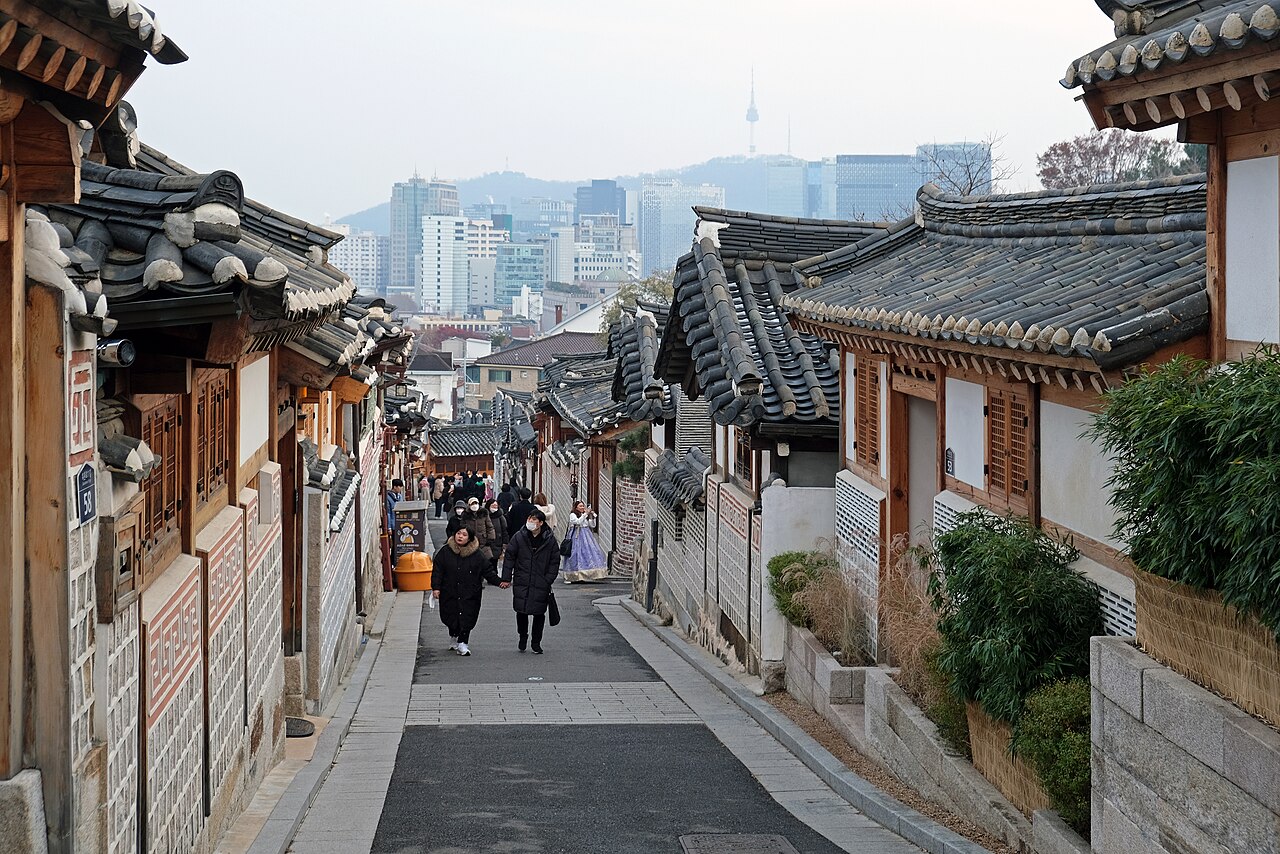
Reach the museum through Seoul's subway and bus network, then expect a final walk through a residential neighbourhood. Search for the Korean name, 한국가구박물관, in a local navigation app, especially when the English name produces ambiguous results. A taxi can simplify the final approach if you are carrying luggage or travelling with older companions. Look for the entrance within the hanok setting rather than expecting a large urban frontage. The neighbourhood route is part of the transition from modern Seoul to the museum's traditional atmosphere.
Checked 2026-08-26 · Source

Traditional rooms require respectful behaviour. Remove shoes when requested, stay behind barriers and do not touch wood, brass or lacquered surfaces. Furniture may be positioned low or close to the floor, so the best view can involve bending or sitting; visitors with limited mobility should plan their movement around that arrangement. Keep voices low and avoid bringing food or drinks into display areas. Because the museum sits in a residential setting, leave and arrive quietly and treat the surrounding streets as a lived neighbourhood rather than an extension of the exhibition.
Checked 2026-08-26 · Source
The hanok rooms and furniture details invite careful photography, but preservation and visitor comfort come first. Follow the instructions for each room and keep equipment compact. Avoid flash around wood, lacquer and other historic finishes, and do not use a tripod or selfie stick where it obstructs movement. Photograph the relationship between a cabinet and its room as well as close details such as joints and fittings. If photography is restricted in a particular space, the architectural setting can still be appreciated without a camera in hand.
Checked 2026-08-26 · Source
It displays traditional Korean furniture, including chests, wardrobes, document cabinets and scholar's tables.
The traditional buildings show how Korean furniture related to domestic rooms, floor-sitting habits and everyday life.
Plan for one to two hours, allowing extra time to study woodworking details and the room layouts.
Look closely at the joinery, since many traditional pieces demonstrate construction techniques that do not rely on nails.
Wear comfortable footwear that can be removed easily if shoes must be left outside traditional rooms.
Yes. The collection combines furniture design, joinery, materials and traditional Korean interior architecture in one focused setting.
Loading the interactive map…
The interactive map could not be loaded.
Last updated:
Source: OpenStreetMap contributors, Wikidata ·