
.JPG)

.JPG)
.JPG)
.JPG)
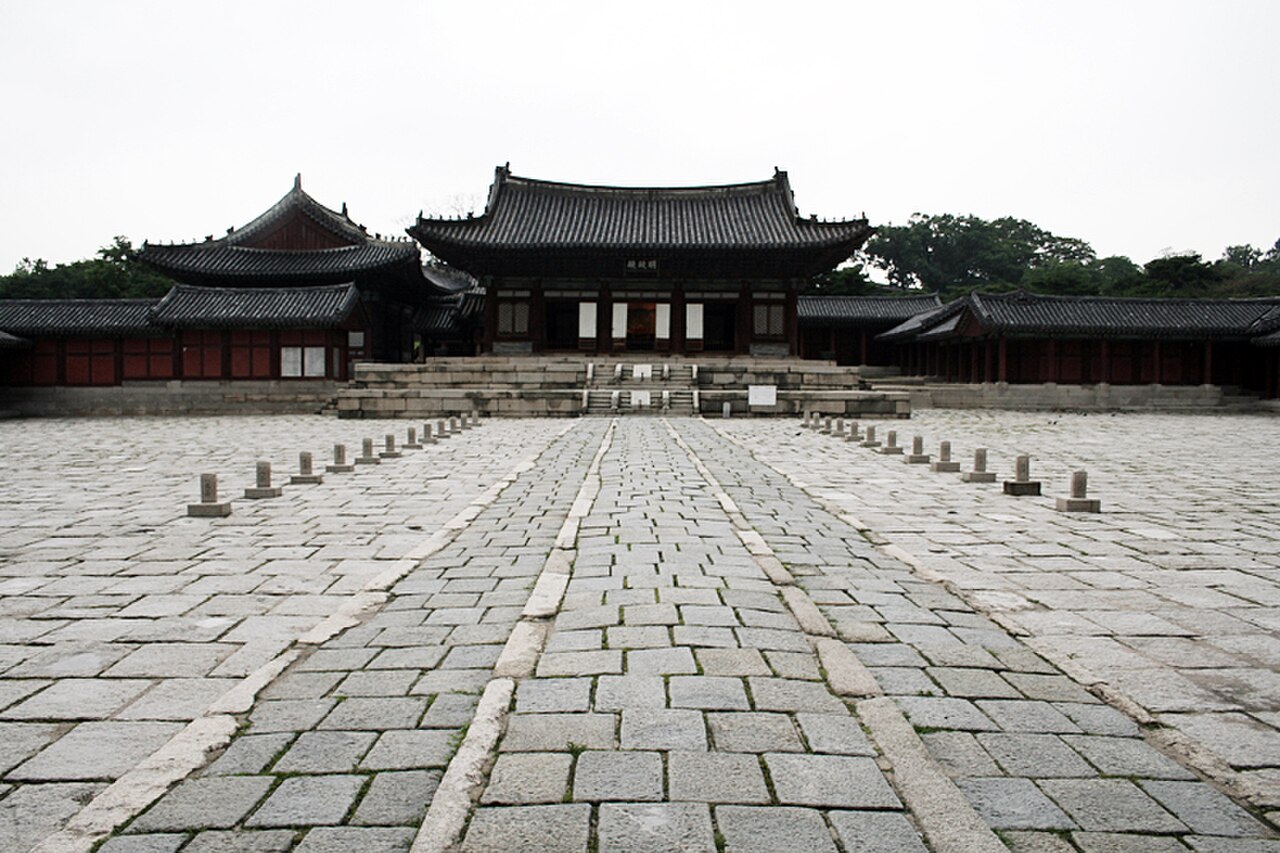
4 min walk
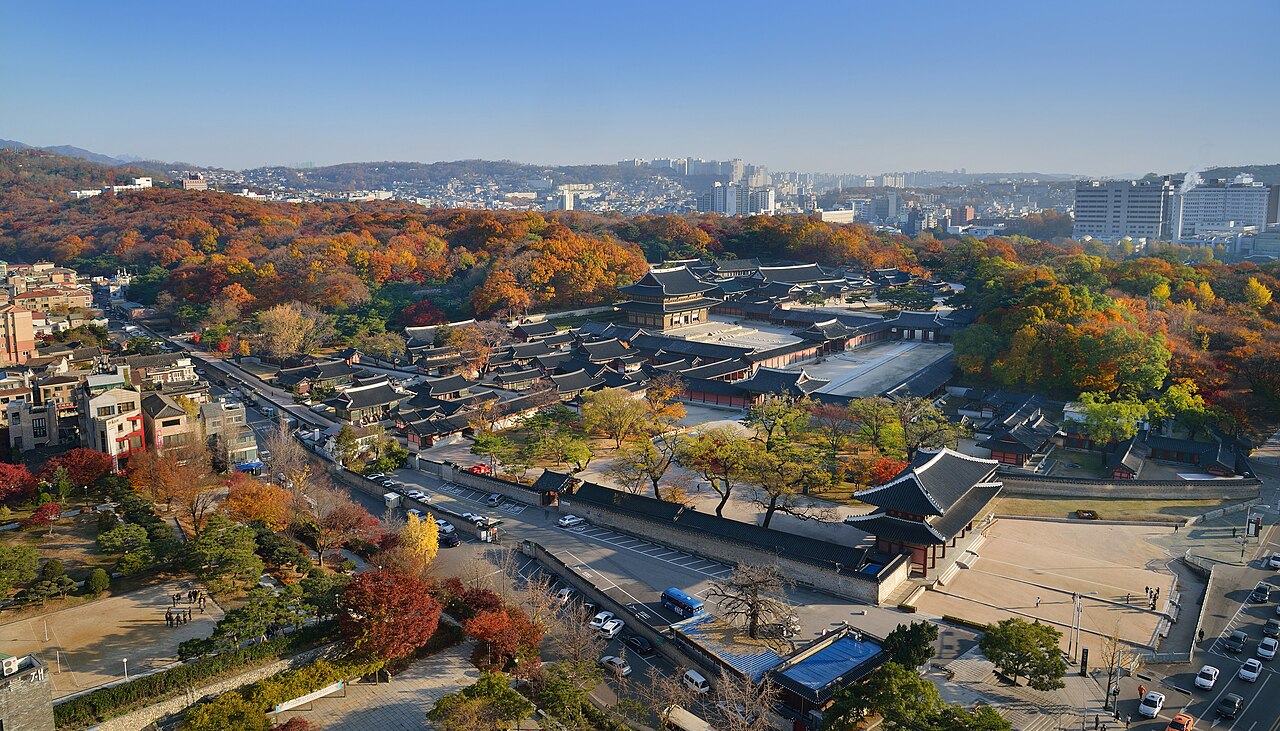
Changgyeonggung Palace
- Must see · Heritage site
- Historic monument
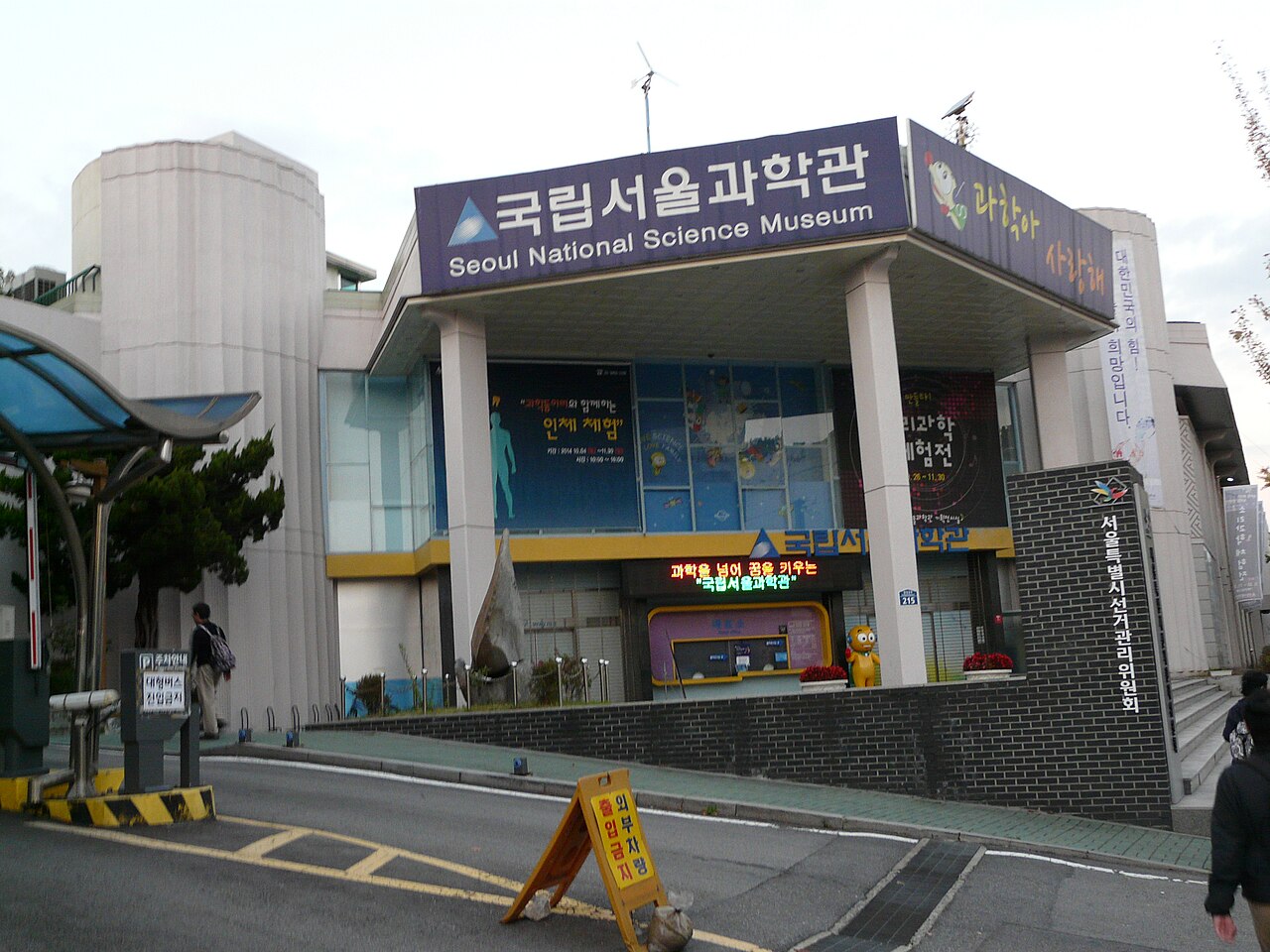
Museum · Seoul
국립서울과학관
The National Children’s Science Center, known locally as 국립서울과학관, is a science museum in Seoul designed to engage children and families with scientific ideas. As a national educational facility, it offers a hands-on alternative to conventional sightseeing. The centre suits families who want an active indoor experience in which children can explore concepts through interaction, movement and curiosity rather than simply reading labels beside static objects. The National Children's Science Center, known locally as 국립서울과학관, is a science museum in Seoul dedicated to engaging young visitors with scientific concepts through interactive exhibits. As a national facility, it serves educational purposes for children and families. The institution operates under public administration as part of South Korea's network of science museums. Visitors should verify current operational status before planning a trip. A flexible visit lets travellers connect National Children’s Science Center with the rest of the day without treating one room, viewpoint or photograph as the whole experience. The useful pace depends on personal interest and conditions on arrival. National children's science centers typically accommodate diverse ages, but parents of very young children should verify suitability directly.
Checked 2026-08-26 · Source
The centre is built around interactive science learning for children. Visitors should expect hands-on displays that invite participation and exploration, with scientific ideas presented through activity rather than passive viewing. The Korean name, 국립서울과학관, identifies it as the Seoul national science centre. A family visit is strongest when adults allow children to choose the stations that hold their attention, while keeping the group moving gently through the educational spaces. The center contains hands-on science exhibits designed for children's participation and learning. Typical national children's science centers feature themed galleries covering physics, biology, chemistry, and technology. Visitors should expect interactive educational displays rather than passive observation.
Checked 2026-08-26 · Source
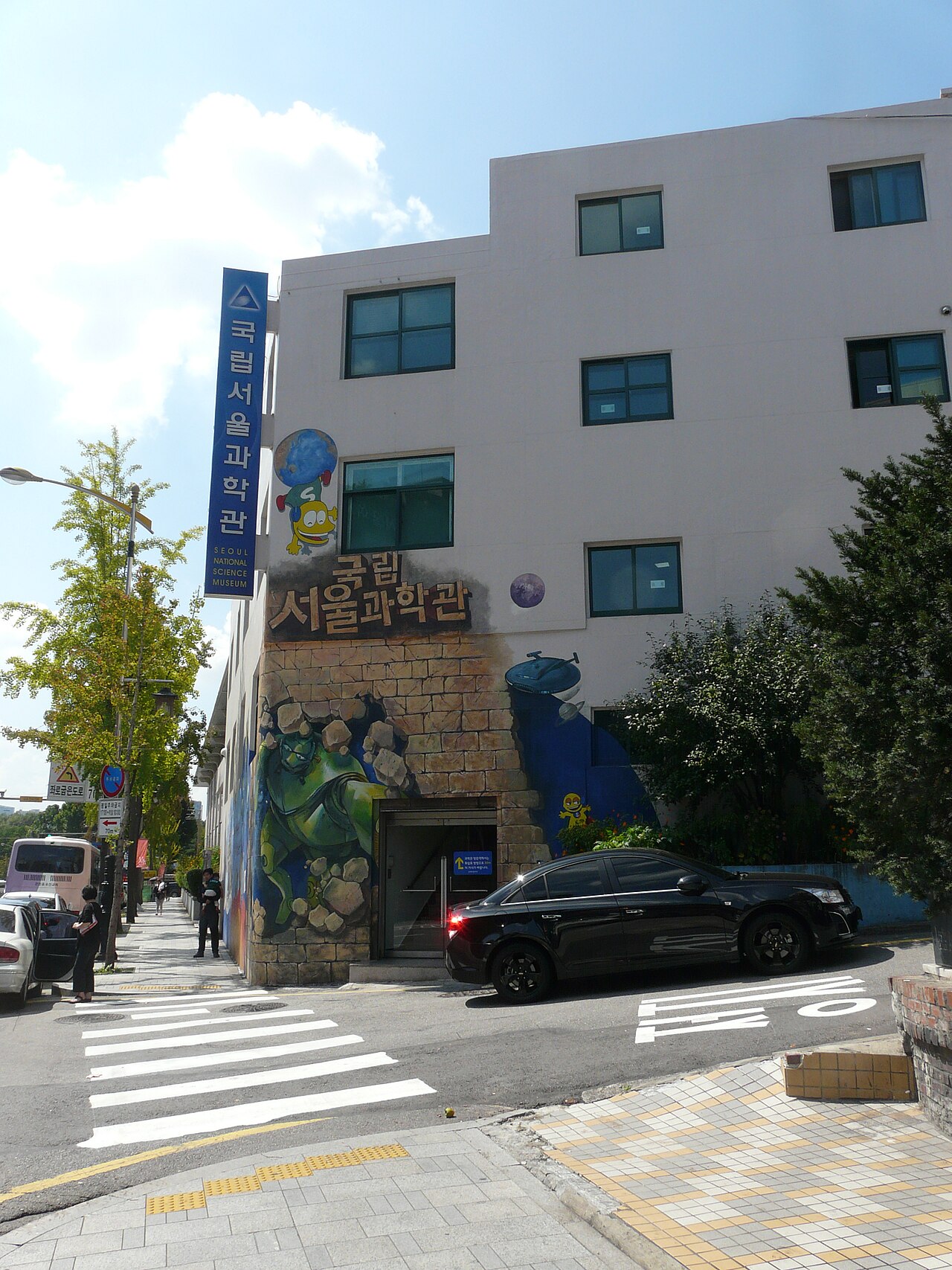
Set aside a flexible half-day if the children enjoy interactive exhibits. Younger visitors may spend a long time repeating an activity, while older children may move quickly between different scientific ideas. Crowd levels can also influence the pace when several visitors want the same station. The centre can be shorter than a full museum day, but leaving without a time margin may cut off the most engaging experiments and discoveries.
Checked 2026-08-26 · Source

The centre is a useful Seoul option for a hot, humid or cold day when an indoor family activity is welcome. Weekends and school holiday periods can be lively because children are the main audience, so allow extra time for popular interactive stations. A weekday visit may feel easier for families who prefer a calmer rhythm. Build the stop around the children’s energy, with breaks between active galleries and other city plans.
Checked 2026-08-26 · Source
The National Children’s Science Center is an educational museum rather than a simple sightseeing viewpoint. Families should plan for an active visit in which children spend time engaging with the exhibits. Keep the day’s schedule adaptable, since a child’s interest can make one interactive area last much longer than expected. The centre is most rewarding when treated as a learning experience, not merely as a quick indoor stop between other Seoul attractions.
Checked 2026-08-26 · Source
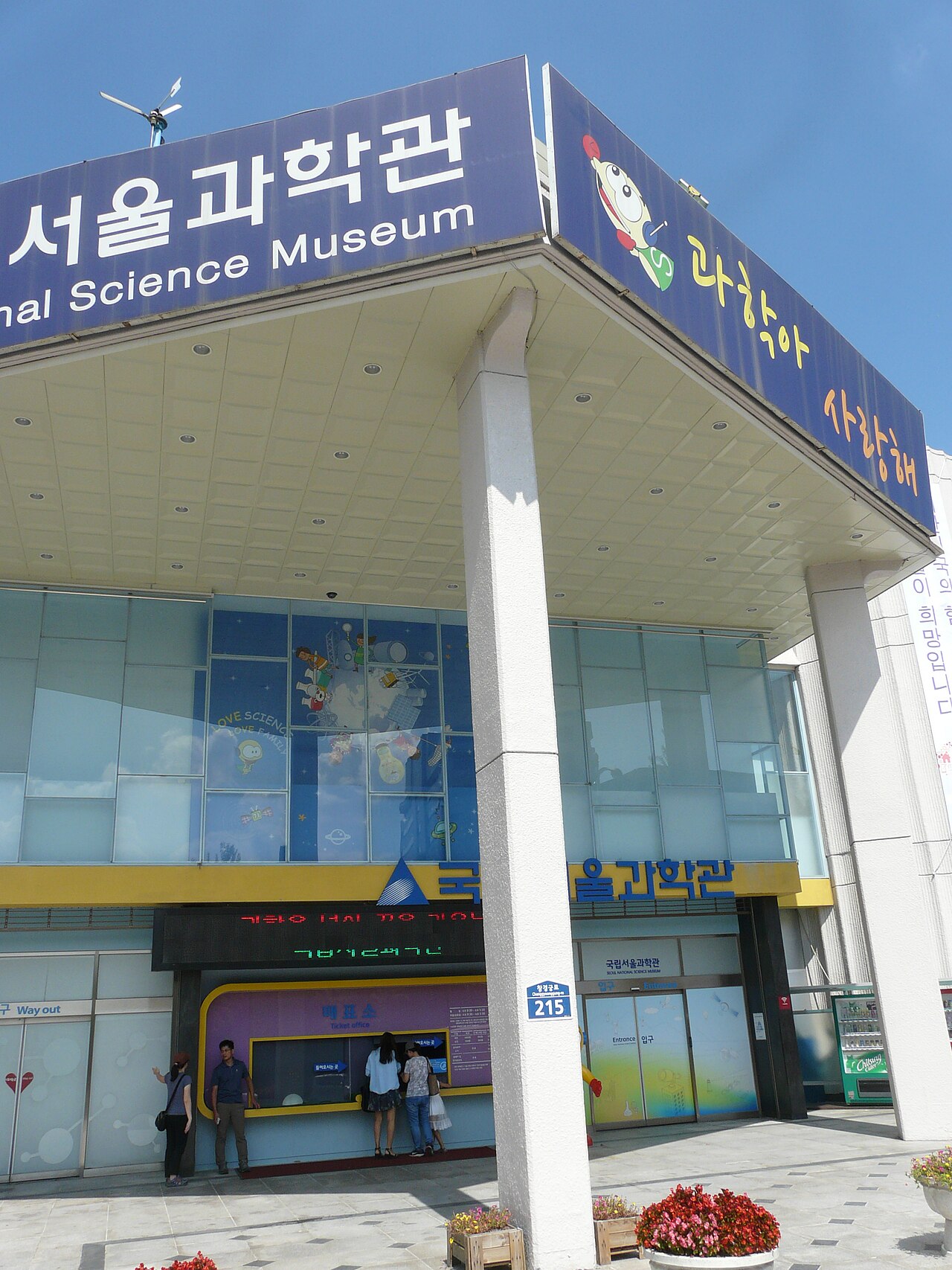
The centre is located in Seoul, whose subway and bus networks connect major districts and public institutions. Plan the route with the Korean name, 국립서울과학관, available for navigation. Families should allow additional time for transfers, walking and the pace of younger children. Use a taxi when carrying bags or travelling with tired children. The indoor destination works well as an anchor for a day that also includes nearby cultural or neighbourhood activities.
Checked 2026-08-26 · Source
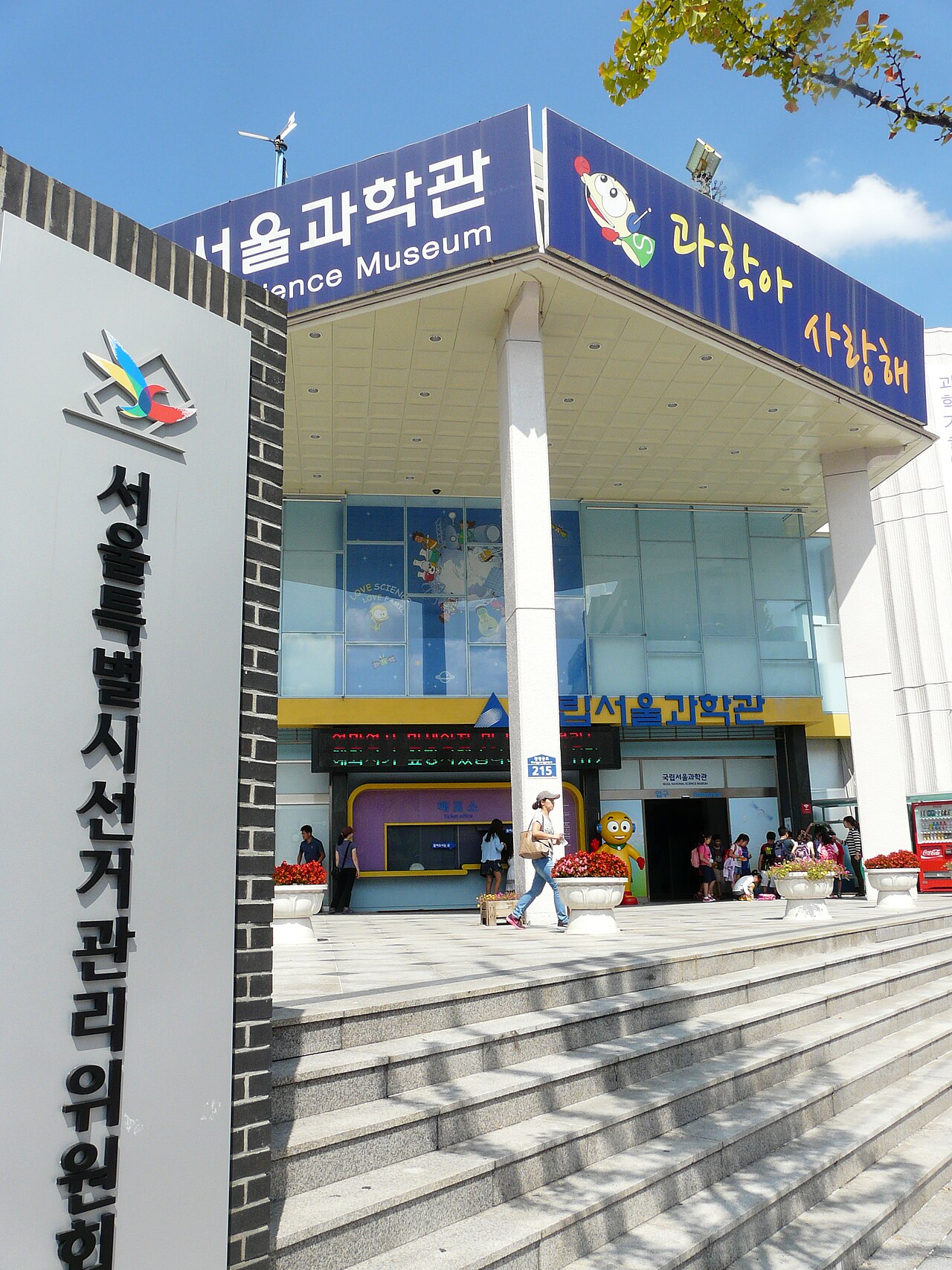
Interactive galleries can become noisy and busy, especially when many families arrive together. Children should remain supervised while using exhibits and should take turns at popular stations. Build in pauses, since active exploration can be tiring for younger visitors. Comfortable clothing helps with movement, and a flexible itinerary prevents pressure when an experiment takes longer than expected. Keep the group together when moving between spaces and respect other children’s opportunity to participate.
Checked 2026-08-26 · Source
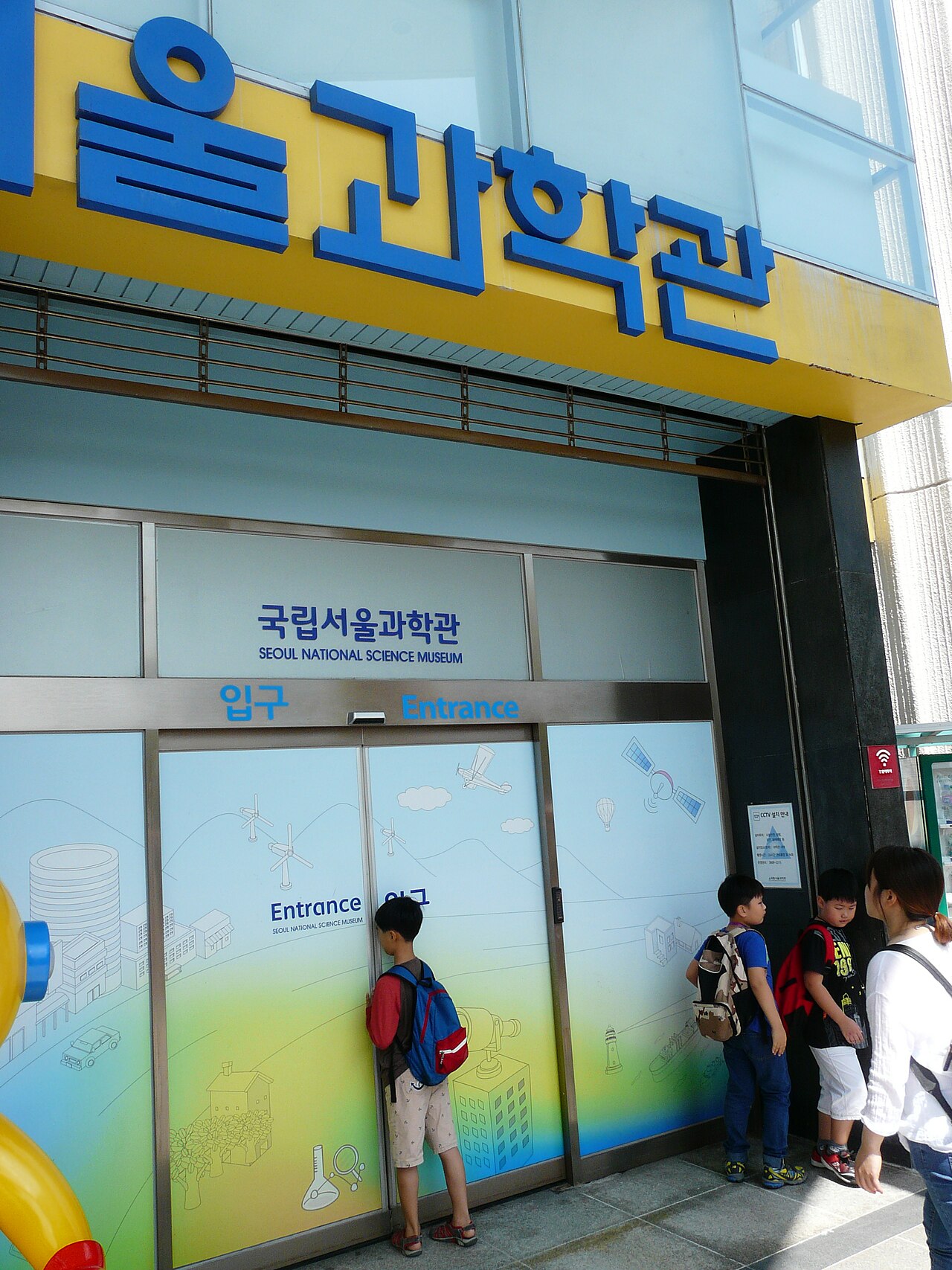
The centre’s strongest photographs come from children discovering science through movement and interaction. Capture hands, mechanisms, colourful displays and moments of concentration rather than relying only on room-wide views. Avoid flash if it distracts participants or interferes with an exhibit. Be mindful of other families and do not photograph children outside your group without permission. Keep the camera ready for spontaneous reactions, since the educational experience is driven by participation.
Checked 2026-08-26 · Source
It is designed for children and families who want to explore science through interactive exhibits.
The centre is known locally as 국립서울과학관.
The centre focuses on hands-on science displays that encourage children to participate and explore.
A flexible half-day suits families whose children want to repeat activities or spend time at popular interactive stations.
It is a practical indoor choice for hot, humid or cold weather and adds an educational break to city sightseeing.
Let children explore at their own pace, supervise participation and leave pauses between active exhibits.
Loading the interactive map…
The interactive map could not be loaded.
Last updated:
Source: OpenStreetMap contributors, Wikidata ·