.jpg)
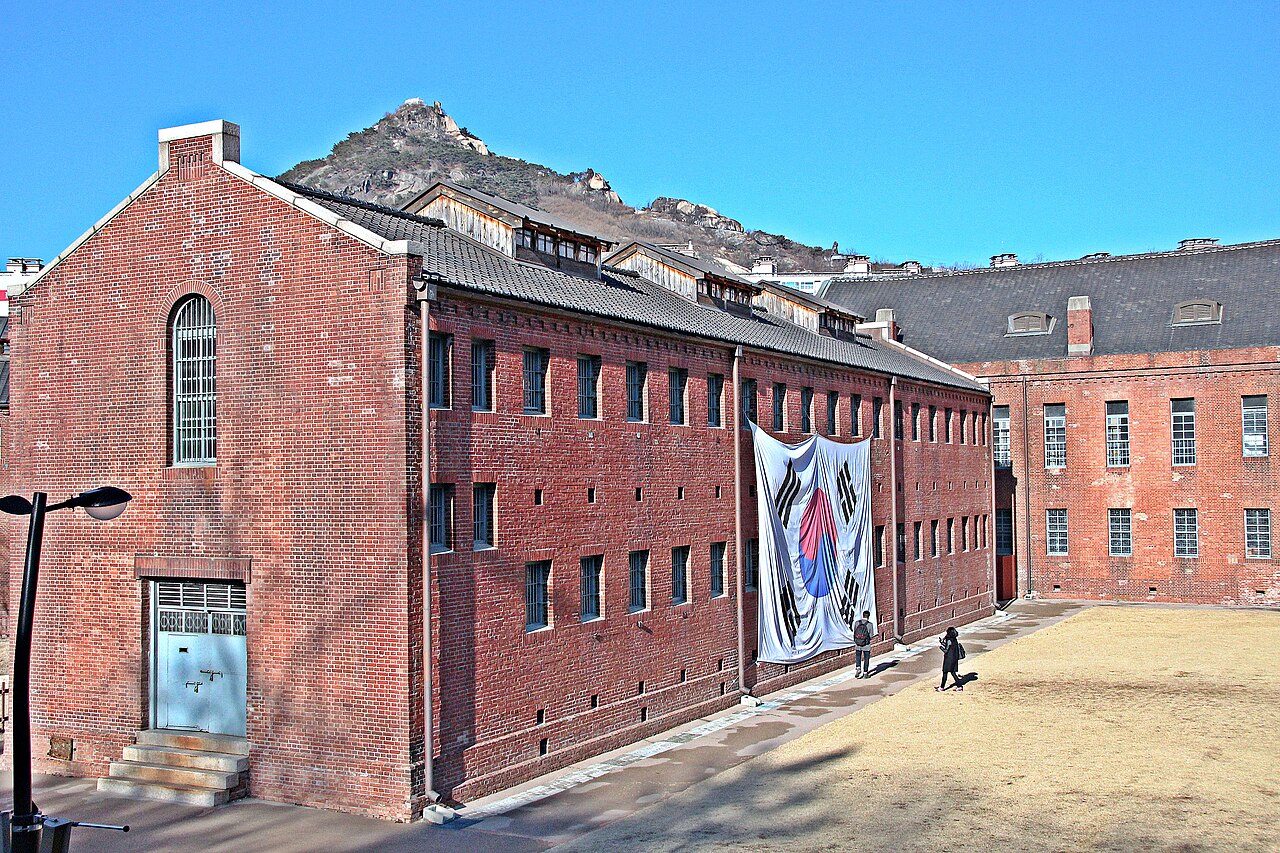
4 min walk
Seodaemun Prison History Hall
- Must see · Heritage site
- Museum

Museum · Seoul
국립대한민국임시정부기념관
The National Memorial of the Korean Provisional Government presents the story of the Korean Provisional Government, established in Shanghai in 1919 during Japanese colonial rule. The government-in-exile represented Korean independence aspirations and continued its political and diplomatic work from several locations before Korea’s liberation in 1945. A visit places modern Korean statehood in the context of a long struggle carried out beyond the peninsula. The National Memorial of the Korean Provisional Government commemorates the Korean Provisional Government of the Republic of Korea, which operated in exile during Japanese colonial rule. Established in Shanghai in 1919, this government represented Korean independence aspirations. The memorial in Seoul preserves and presents this significant chapter of Korean modern history. It serves as a historical site where visitors can learn about the independence movement and the provisional government's activities. The institution stands as part of South Korea's efforts to memorialize its struggle for national sovereignty. The Korean Provisional Government was established in 1919 in Shanghai as the government-in-exile of the Republic of Korea during Japanese colonial rule. It represented Korean independence aspirations and operated from various locations until Korea's liberation in 1945.
Checked 2026-08-26 · Source
Exhibition spaces focus on documents, photographs, artefacts, and the people connected with the provisional government and the independence movement. Displays trace the government’s movement from Shanghai through other locations and show the political, diplomatic, and organisational work undertaken during colonial rule. Read the material in sequence if possible: the story becomes clearer as the exhibitions connect exile, leadership, international pressure, and the eventual liberation of Korea in 1945. The memorial contains exhibition halls dedicated to the history of the Korean Provisional Government. Displays include historical documents, photographs, and artifacts related to the independence movement and key figures who led the government in exile. The exhibitions trace the government's relocations from Shanghai to various locations before Korea's liberation in 1945. Visitors can examine materials illustrating the political and diplomatic efforts undertaken during the colonial period. The memorial's collection focuses on preserving the legacy of those who worked for Korean independence from abroad under challenging circumstances.
Checked 2026-08-26 · Source
Set aside one to two hours for the memorial. A quick visit can cover the main narrative, while a slower visit allows time to read documents, study photographs, and follow the government’s relocations and political efforts. Visitors with a strong interest in Korean modern history may want longer. The memorial rewards concentration more than hurried sightseeing, so avoid placing it between two tightly timed attractions. Visitors typically spend approximately one to two hours exploring the memorial's exhibitions.
Checked 2026-08-26 · Source
A memorial visit is primarily an indoor historical experience, making it a useful choice when Seoul weather is uncomfortable. Weekday mornings can suit travellers seeking a calmer museum atmosphere, while school or tourist groups may change the pace at other times. National holidays can affect public cultural institutions, so place this stop in your itinerary with enough flexibility for a changed visiting day or a longer queue.
Checked 2026-08-26 · Source
The memorial should be approached as a focused national history institution rather than a general sightseeing plaza. Plan your visit around the exhibition story and leave time to read the displayed material. If your day includes other museums or memorials, keep the schedule flexible enough to accommodate a thoughtful indoor visit. The value lies in the historical record and personal stories presented throughout the galleries.
Checked 2026-08-26 · Source
The memorial is in Seoul and can be reached through the capital’s extensive subway and bus network. Taxis and ride-hailing services provide a direct alternative, especially when carrying luggage or travelling in a group. Use a current navigation map for the final route from your accommodation, then allow walking time from the transit stop to the entrance. Seoul journeys can take longer than the map distance suggests during busy periods.
Checked 2026-08-26 · Source
This is a commemorative institution, so quiet and respectful behaviour suits the subject. Exhibits may include accounts of colonial oppression, political struggle, and wartime suffering; allow time to process difficult material rather than treating the galleries as a quick photo stop. Follow any gallery rules for bags, phones, and cameras. School groups may make some rooms busy, especially during popular travel periods.
Checked 2026-08-26 · Source
Photographs and documents are central to the memorial’s visual story, but the galleries should be experienced with attention rather than viewed only through a camera. Follow signs and staff directions in each exhibition area, especially around delicate historical material. Avoid flash where prohibited and do not obstruct other visitors. Exterior architecture and commemorative spaces can provide quieter photographs before or after the indoor exhibition visit.
Checked 2026-08-26 · Source
It was established in Shanghai in 1919 during Japanese colonial rule.
It focuses on the provisional government, the independence movement, and the political and diplomatic work carried out in exile.
Exhibitions include historical documents, photographs, artefacts, and material about the leaders and activities of the independence movement.
Most visitors should allow approximately one to two hours, with additional time for detailed reading.
It continued from its establishment in 1919 through the period of exile until Korea’s liberation in 1945.
Quiet, respectful attention is appropriate because the institution commemorates Korea’s independence struggle and presents difficult modern history.
Loading the interactive map…
The interactive map could not be loaded.
Last updated:
Source: OpenStreetMap contributors, Wikidata ·