
4 min walk
Seodaemun Independence Park
- Notable
- Nature site
Language · 11 published
Historic monument · Seoul
독립문
Reviewed by Elena Voss · Roavina Travel Editor
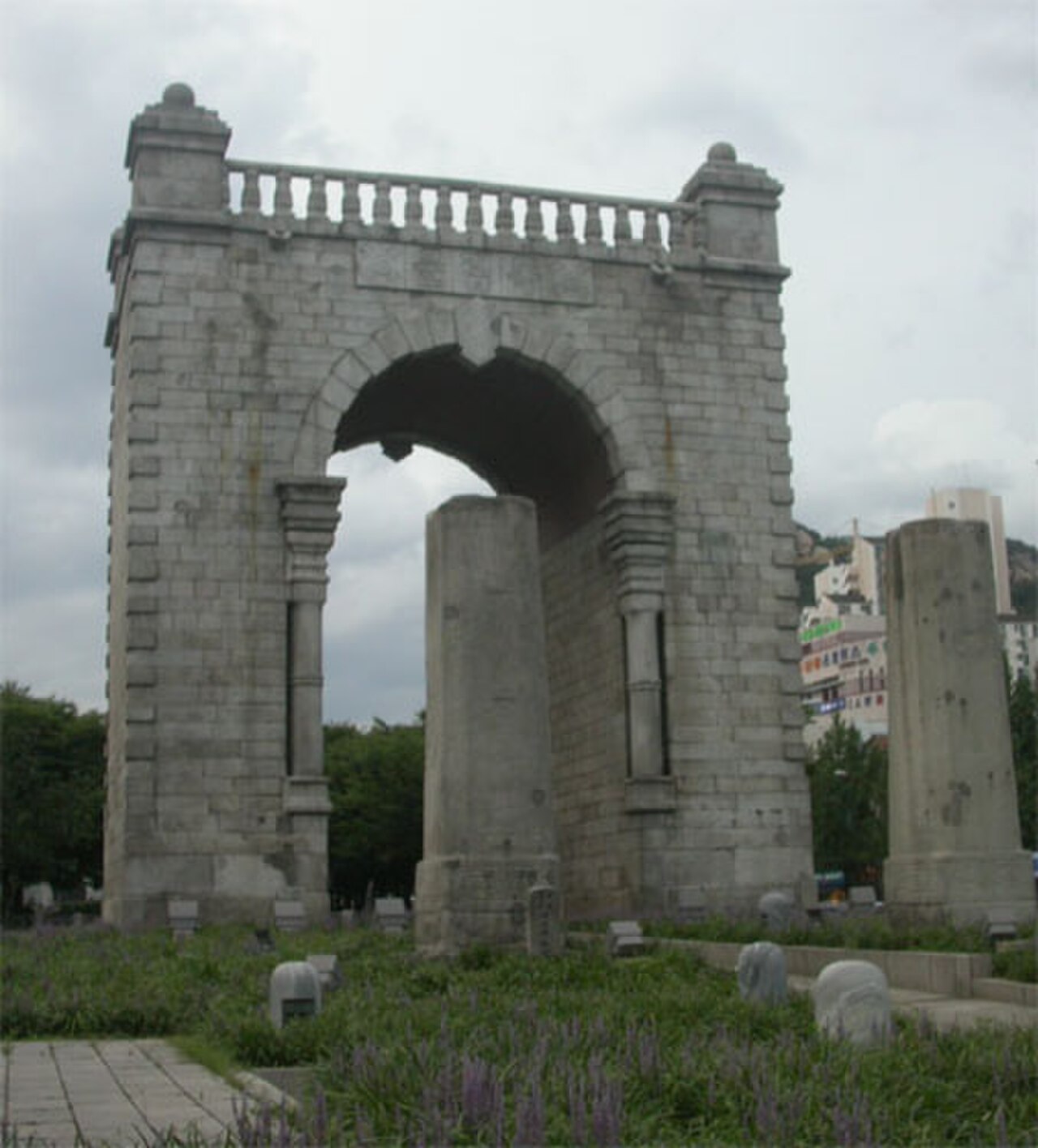
It was established in 1898. It carries the Historic sites of South Korea heritage designation.
Independence Gate, known locally as 독립문, is a historic stone monument in Seoul’s Seodaemun district. Built to commemorate Korea’s aspiration for independence from foreign influence, it stands as a symbol of national sovereignty and modern Korean history. Its arched form and carved stonework make it a compact but meaningful stop for travelers exploring Seoul’s political and cultural past. Independence Gate, known locally as 독립문, stands as a historic monument in Seoul, South Korea. It was constructed to commemorate Korea's aspiration for independence from foreign influence. The gate represents a significant moment in Korean history and serves as a powerful symbol of national sovereignty. Visitors encounter a stone archway that reflects architectural elements of its era. The structure holds considerable cultural and historical importance for understanding Korea's modern development and its struggles against colonial powers during the late nineteenth and early twentieth centuries. No. Independence Gate (Dongnimmun) is a separate monument from Namdaemun (Sungnyemun) and Dongdaemun (Heunginjimun), which are historic city gates of old Seoul. Independence Gate was built later with a distinct commemorative purpose related to Korean independence movements.
Checked 2026-08-26 · Source
The site centers on the monumental archway and the open paved and landscaped space around it. Independence Gate is not an exhibition building, so the visit focuses on the structure’s proportions, masonry, inscriptions, and relationship with the surrounding city. Walk around the monument to see its details from more than one angle and to understand how this commemorative landmark sits within Seoul’s urban landscape. The Independence Gate site primarily features the monumental archway itself, set within its surrounding grounds. The area includes paved spaces and landscaping that frame the historic structure. There are no extensive interior buildings or exhibition halls contained within the gate proper. Visitors can examine the stonework and architectural details of the arch from multiple angles. The experience centers on contemplation of the monument's historical significance rather than extensive physical contents.
Checked 2026-08-26 · Source
Allow about fifteen to thirty minutes for a focused visit. That time is enough to walk around the gate, study the stonework, take photographs, and pause over its historical meaning. Travelers who enjoy monuments or want to combine the stop with nearby historical attractions can stay longer, but the compact site does not require a large block of the day. A visit to Independence Gate typically requires a modest time commitment. Most visitors spend approximately fifteen to thirty minutes at the site, depending on their level of interest in historical monuments and photography. The compact nature of the location means there is no extensive grounds to traverse. Those wishing to thoroughly examine the architectural details and read any available information may allocate slightly longer. The gate can reasonably be incorporated into a broader itinerary exploring multiple historical sites in the Seodaemun area without demanding a substantial portion of one's day.
Checked 2026-08-26 · Source
This is an outdoor monument, so daylight visits are the most practical. Morning and late afternoon can provide softer light for photographs and a calmer atmosphere than busier periods. Seoul’s summers can be hot and humid, while winters can be cold; dress for outdoor exposure and plan the stop alongside indoor attractions when weather makes extended viewing uncomfortable.
Checked 2026-08-26 · Source
The monument is viewed from its surrounding public space, and the visit is treated as a free outdoor sightseeing stop rather than a ticketed museum experience. There is no interior exhibition route to enter. Include Independence Gate in a walking itinerary through Seodaemun without setting aside a separate admission budget for the monument itself.
Checked 2026-08-26 · Source
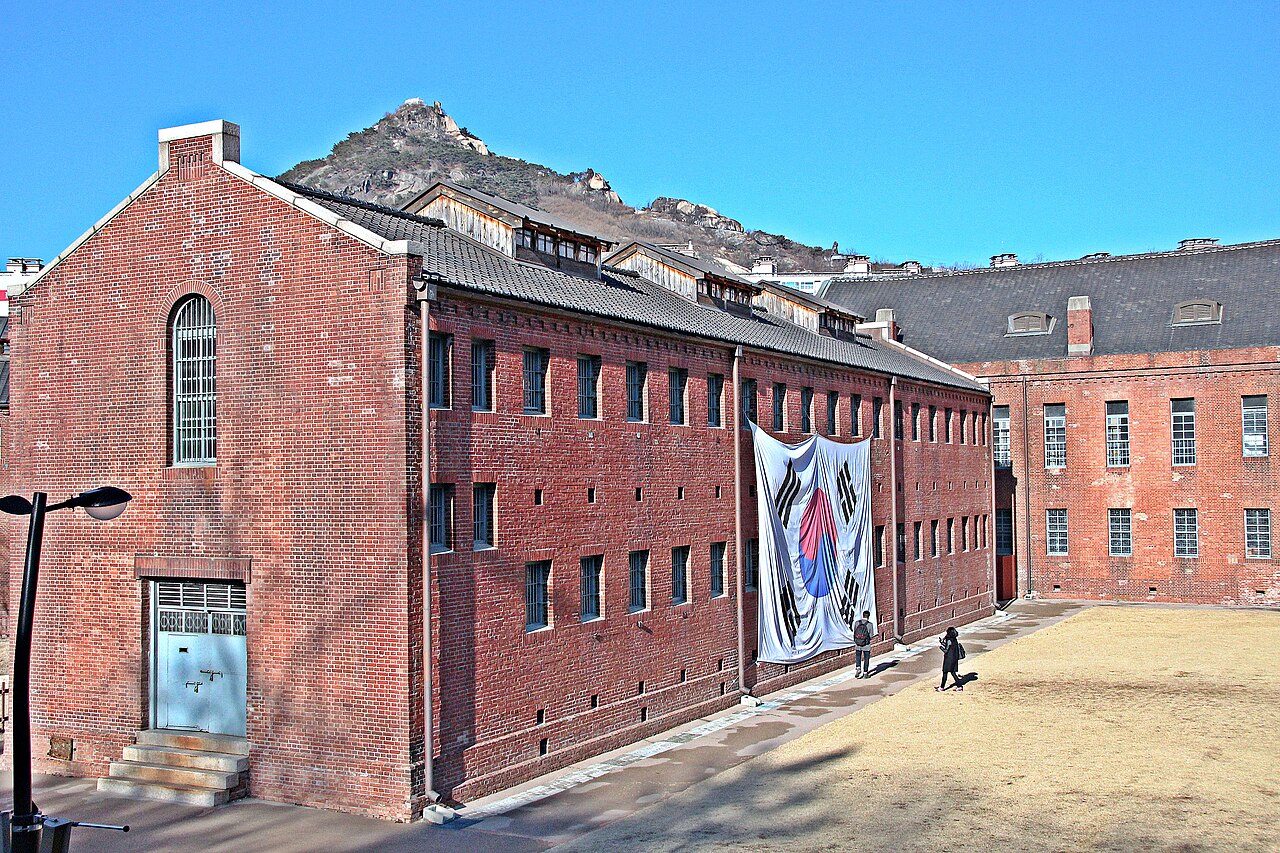
Dongnimmun Station on Seoul Subway Line 3 is the most convenient named transit reference for Independence Gate. From the station area, continue on foot toward the monument in Seodaemun. The gate also works well in a historical walking route with Seodaemun Prison History Hall. Taxis and Seoul’s bus network provide additional options for reaching this central urban district.
Checked 2026-08-26 · Source
Take care around nearby roads and moving traffic when approaching the monument. Its urban setting means that crossing routes and pedestrian movement deserve attention. The site is exposed to sun and rain, with no museum-style interior shelter forming part of the visit. Keep the commemorative setting quiet and respectful, and stay within areas intended for visitors rather than climbing the structure.
Checked 2026-08-26 · Source
Independence Gate photographs well from several sides because the arch has a strong symmetrical silhouette and visible stone texture. Move around the surrounding space to frame the monument without allowing roads or street furniture to dominate the image. Morning and late-afternoon light can emphasize the masonry. Keep equipment clear of pedestrian movement and avoid obstructing others at this public landmark.
Checked 2026-08-26 · Source
No. Independence Gate, or Dongnimmun, is separate from Namdaemun (Sungnyemun) and Dongdaemun (Heunginjimun). Those are historic gates associated with Seoul’s old city walls, while Independence Gate was built later as a commemorative monument connected with Korean independence.
Visitors can see the stone archway, its architectural details, and the paved and landscaped space surrounding it. The site is a monument rather than an exhibition hall, so the experience is based on viewing the structure and considering its historical symbolism.
No. Independence Gate itself is a monument without an interior museum route. Seodaemun Prison History Hall nearby provides a larger historical museum experience and complements the gate’s connection with Korean independence history.
Most travelers can see the monument comfortably in fifteen to thirty minutes. Add time if you want detailed photographs or are combining the stop with Seodaemun Prison History Hall and other historical places in the district.
Pair it with Seodaemun Prison History Hall for a focused visit about Korean independence and modern history. Gyeonghuigung Palace and the Seoul Museum of History extend the day toward royal, civic, and urban history in central Seoul.
Dongnimmun Station on Seoul Subway Line 3 is the named station associated with the monument. Use the station as your transit reference, then continue on foot through the surrounding Seodaemun streets toward the gate.
Loading the interactive map…
The interactive map could not be loaded.

Last updated:
Source: OpenStreetMap contributors, Wikidata ·