


4 min walk
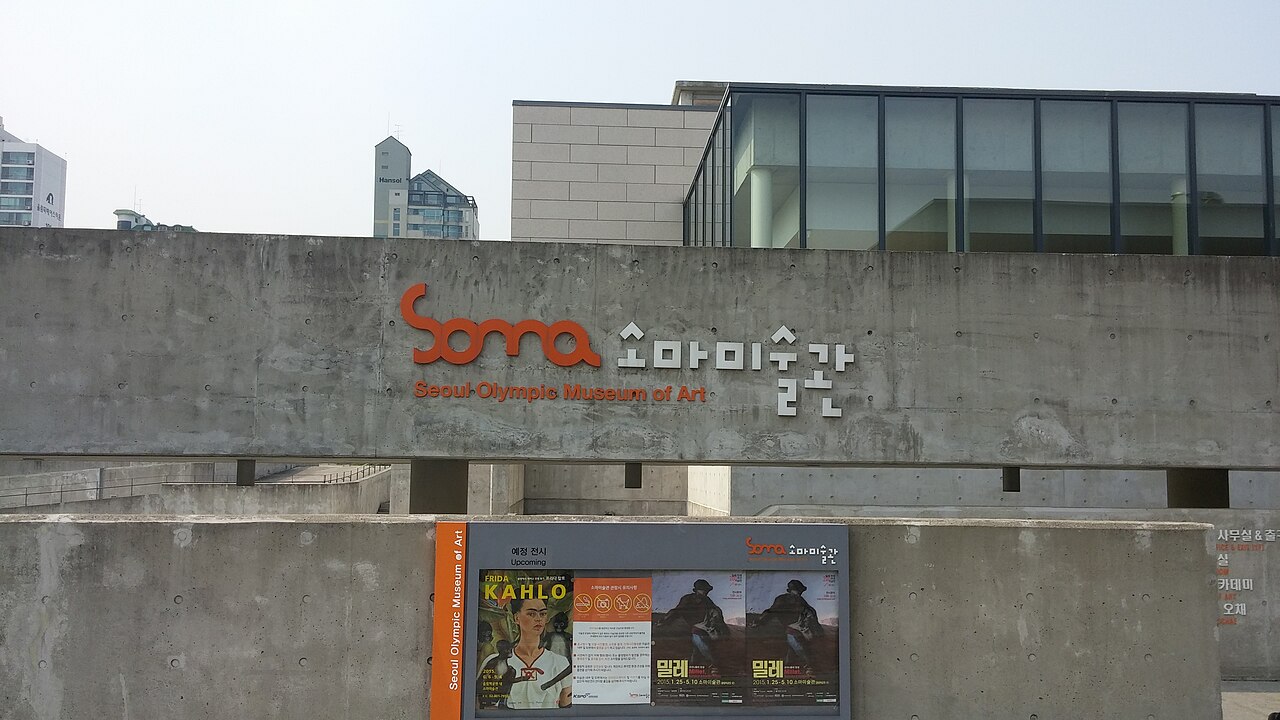
SOMA Museum of Art
- High
- Art and culture venue
Museum · Seoul
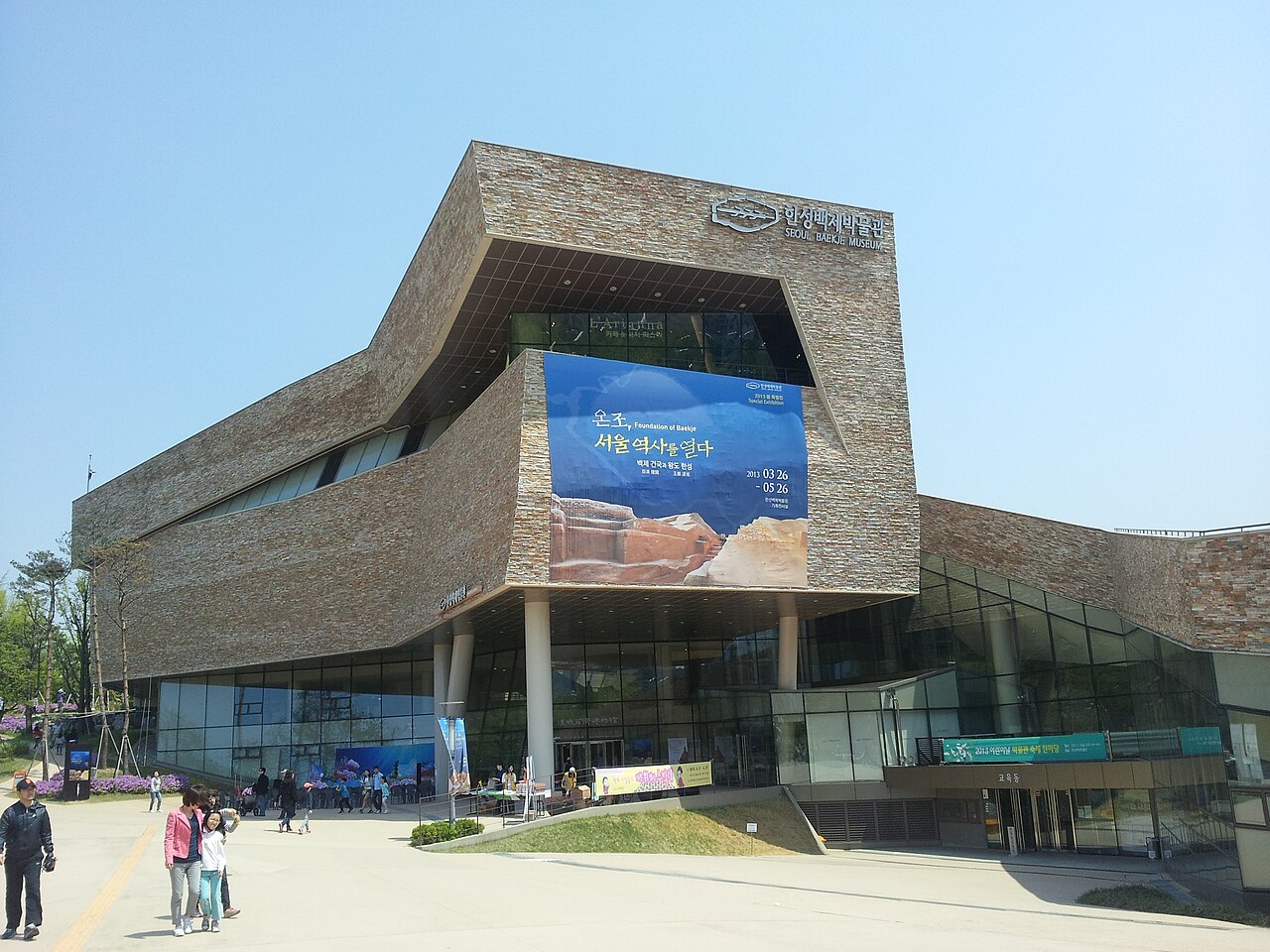
한성백제박물관
Seoul Baekje Museum introduces the history of Baekje in the Seoul area, especially the Hanseong period, when the Han River basin was an important political and strategic centre. It is a modern municipal museum where archaeological discoveries are presented through objects, maps, models and explanatory displays. The visit gives travellers a focused way to understand Seoul before its modern skyline, through evidence of early urban life, technology, authority and regional connections. The Seoul Baekje Museum is a municipal museum dedicated to the Baekje Kingdom period in the Seoul region. The Baekje Kingdom was one of the Three Kingdoms of Korea, and this institution focuses on archaeological findings and historical materials from when the Han River area served as a strategic center. The museum focuses on the Baekje Kingdom, one of Korea's Three Kingdoms, particularly its presence in the Seoul region.
Checked 2026-08-26 · Source
The galleries bring together archaeological material from Seoul and nearby areas connected with Baekje. Pottery, metalwork, tools and other objects help explain how people lived, worked and organised society. Chronological displays place the artefacts within the development of Baekje, while thematic interpretation connects everyday objects with larger questions of settlement, technology and state formation. Maps and models are useful for seeing why the Han River region mattered. Read the labels alongside the objects rather than treating the museum as a simple display of isolated treasures.
Checked 2026-08-26 · Source
Allow about one to two hours for the main galleries. That gives enough time to look closely at representative objects, follow the historical sequence and read the interpretation without hurrying. Travellers who enjoy archaeology, ancient Korean history or museum models may want longer, especially when a temporary exhibition adds material beyond the permanent displays. The museum works well as a concentrated cultural stop: it offers a clear historical theme without requiring the scale or stamina of a full-day museum visit.
Checked 2026-08-26 · Source
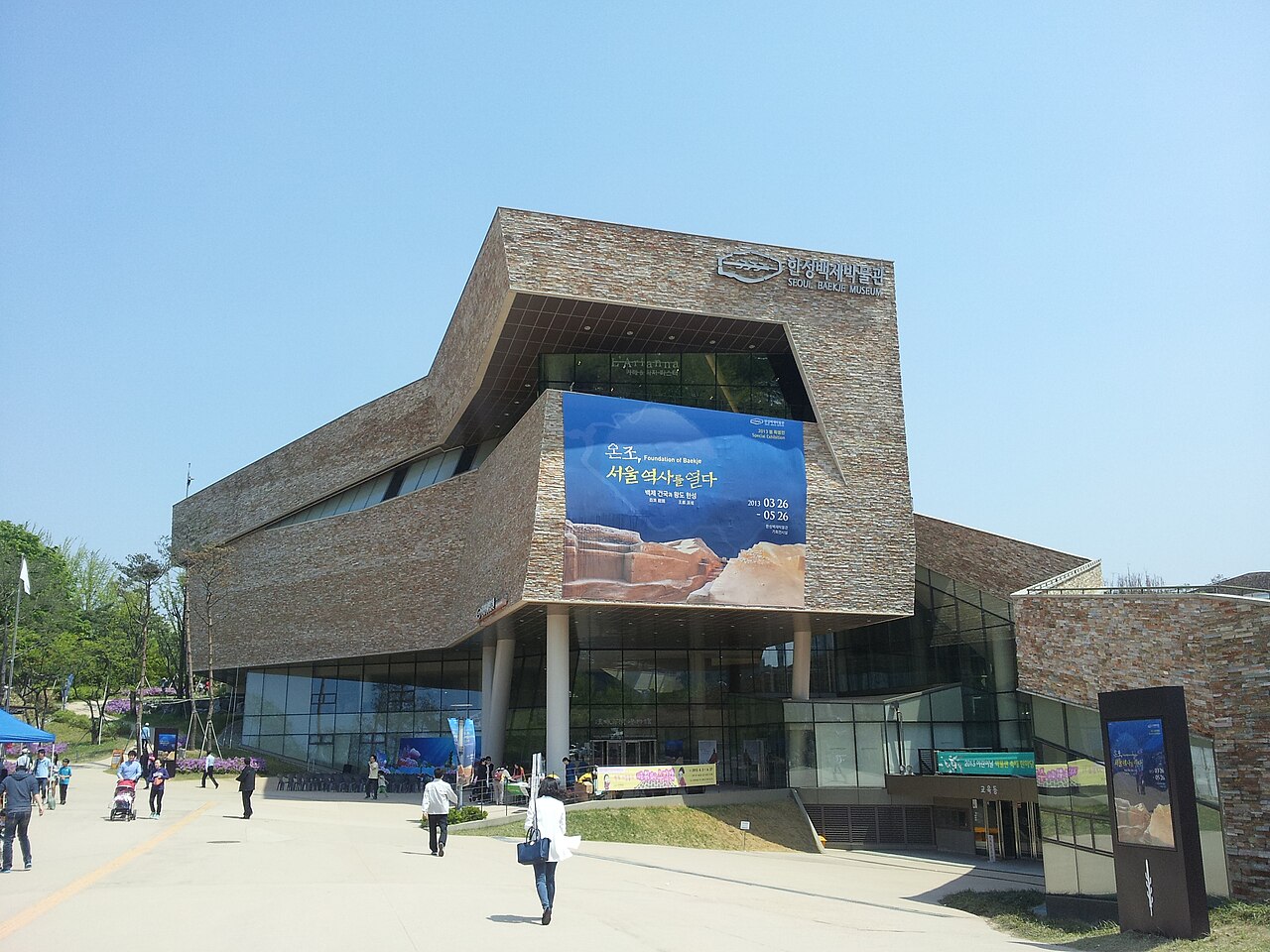
The museum suits a Seoul day in any season because the main experience is indoors. Spring and autumn make the walk between transport connections and nearby sights more comfortable, while summer humidity, rain and winter cold make an indoor historical visit especially welcome. A morning or early afternoon visit leaves room to connect the museum with other attractions in the wider Olympic Park area. Give yourself extra time when travelling on weekends or public holidays, when Seoul family outings can make cultural venues busier.
Checked 2026-08-26 · Source
Plan this as a municipal museum visit focused on the collections and interpretation rather than on a paid entertainment attraction. The practical ticket details are intentionally separate from this guide, so the historical value can be understood without attaching an unsupported price. If your itinerary includes a special exhibition, treat that exhibition as a distinct part of the visit and allow time for its additional displays. Bring enough time to read, because the museum's value comes from the connection between objects and the Hanseong story.
Checked 2026-08-26 · Source
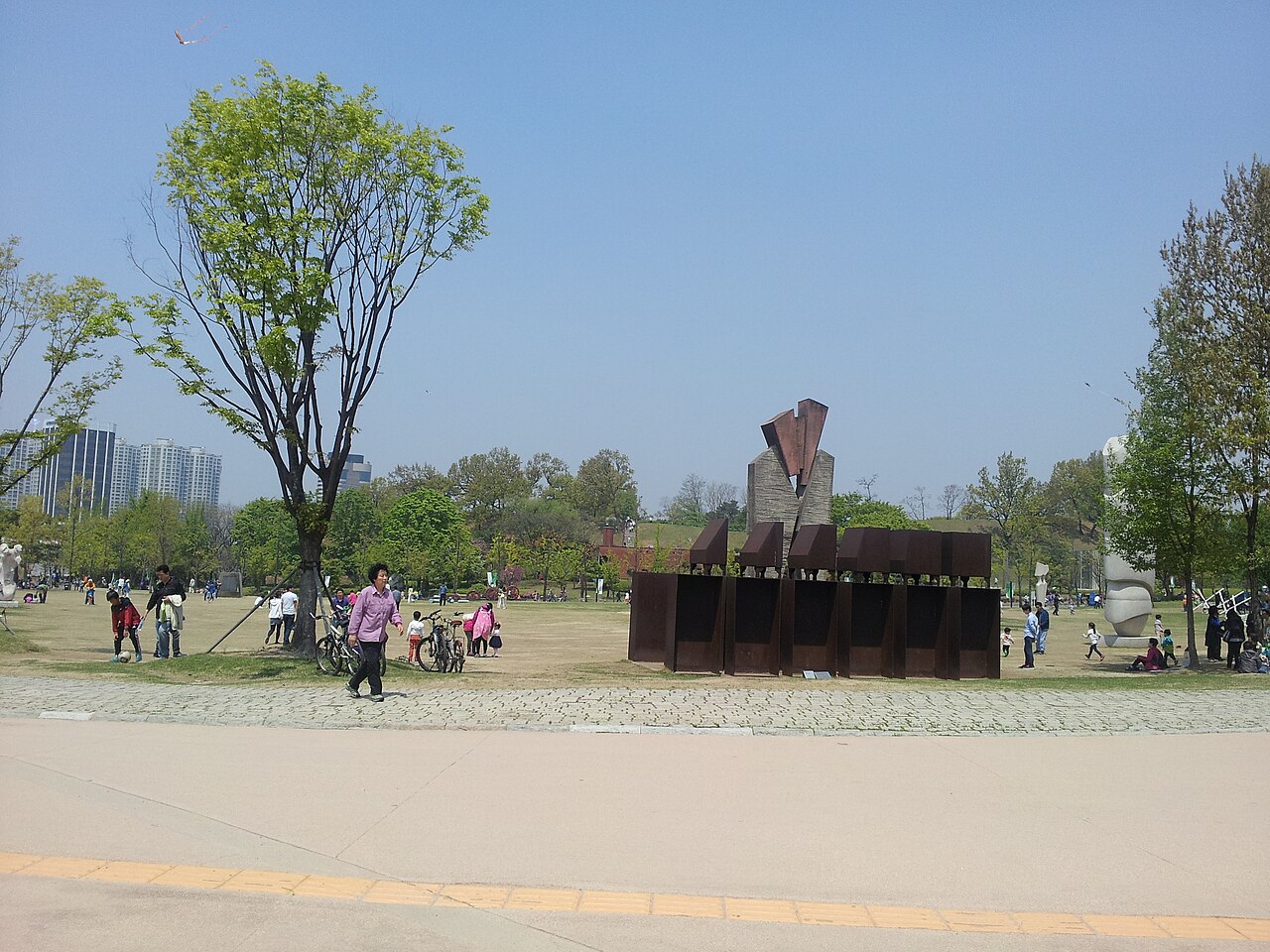
Seoul's subway and bus network makes the museum practical to include in a city itinerary, with the final approach completed on foot from the transport stop that best matches your route. Use the Korean name, 서울백제박물관, when searching in a local map application or showing the destination to a driver. The museum works naturally with a day around Olympic Park and the Han River, reducing the need to cross the city between every cultural stop. Allow walking time for the park-side setting.
Checked 2026-08-26 · Source
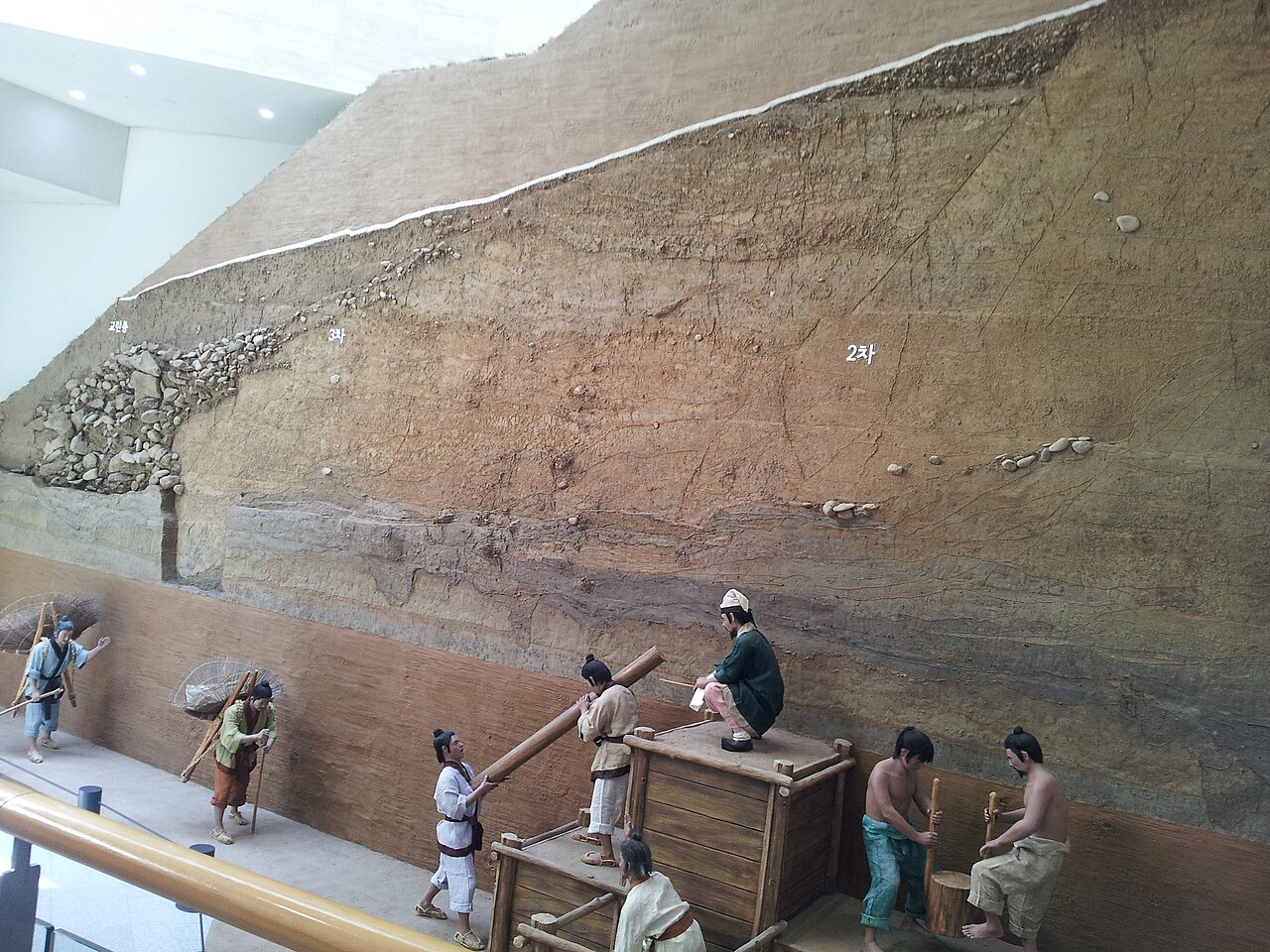
This is a museum for looking and reading, so a quiet pace improves the experience. Do not touch archaeological objects, keep clear of barriers and follow gallery instructions around displays. Some visitors will move quickly through familiar historical material, while others will want to compare pottery, tools and metalwork in detail. Indoor climate control can feel different from Seoul's outdoor weather, so a light extra layer is useful. Pairing the museum with outdoor sights is enjoyable, but keep enough time for the galleries rather than reducing the visit to a brief photo stop.
Checked 2026-08-26 · Source
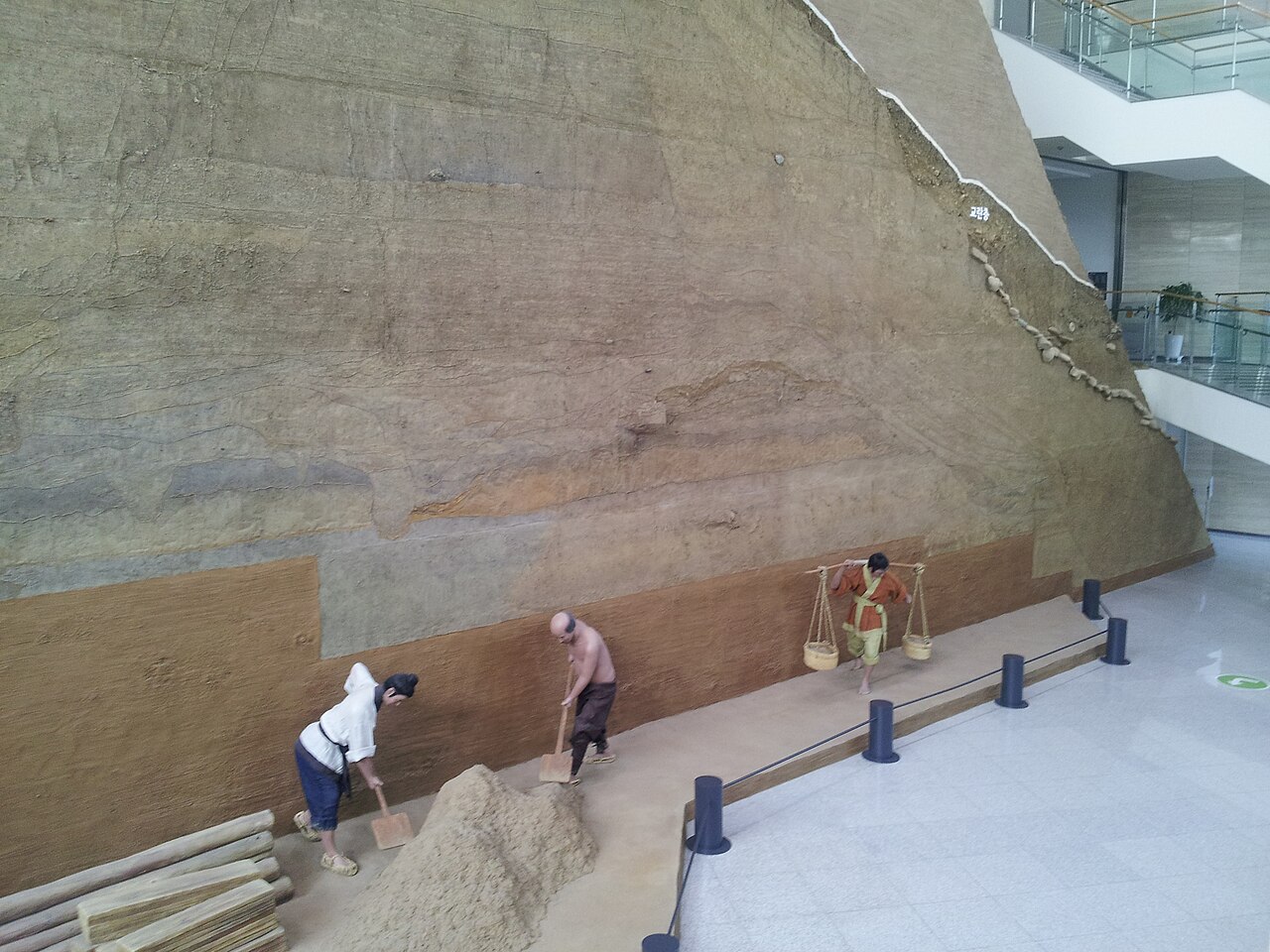
Treat photography as secondary to the displays and follow the signs in each gallery. Archaeological objects benefit from careful conservation, and other visitors need unobstructed sightlines, so avoid flash, blocking cases or holding a camera in one position for a long time. Maps, models and reconstructed scenes can be especially useful photographs for remembering the Hanseong setting. When an object or room carries a restriction, put the phone away and continue with the visual details that the museum has chosen to present.
Checked 2026-08-26 · Source
It focuses on Baekje history in the Seoul region, particularly the Hanseong period around the Han River.
The displays include archaeological pottery, metalwork, tools and other material connected with Baekje life and society.
Allow about one to two hours for the galleries, with extra time for detailed reading or temporary displays.
Yes. Its Han River and Hanseong material explains why the Seoul area was important during Baekje's development.
It is a modern municipal museum dedicated to Baekje archaeology and the history of the Seoul region.
Read the maps and explanatory panels with the artefacts; together they connect everyday objects with settlement, technology and political history.
Loading the interactive map…
The interactive map could not be loaded.
Last updated:
Source: OpenStreetMap contributors, Wikidata ·