
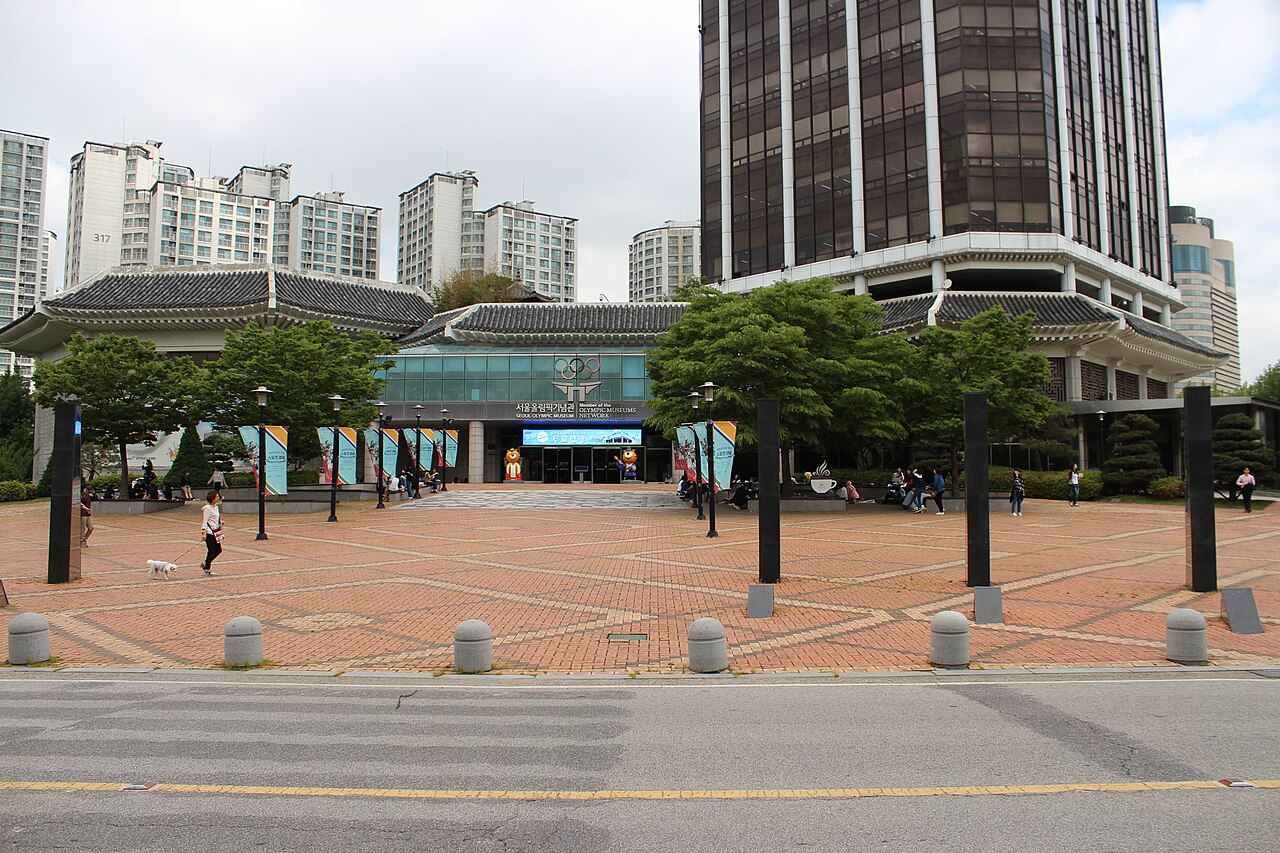
3 min walk
Seoul Olympic Museum
- High
- Museum
Historic monument · Seoul
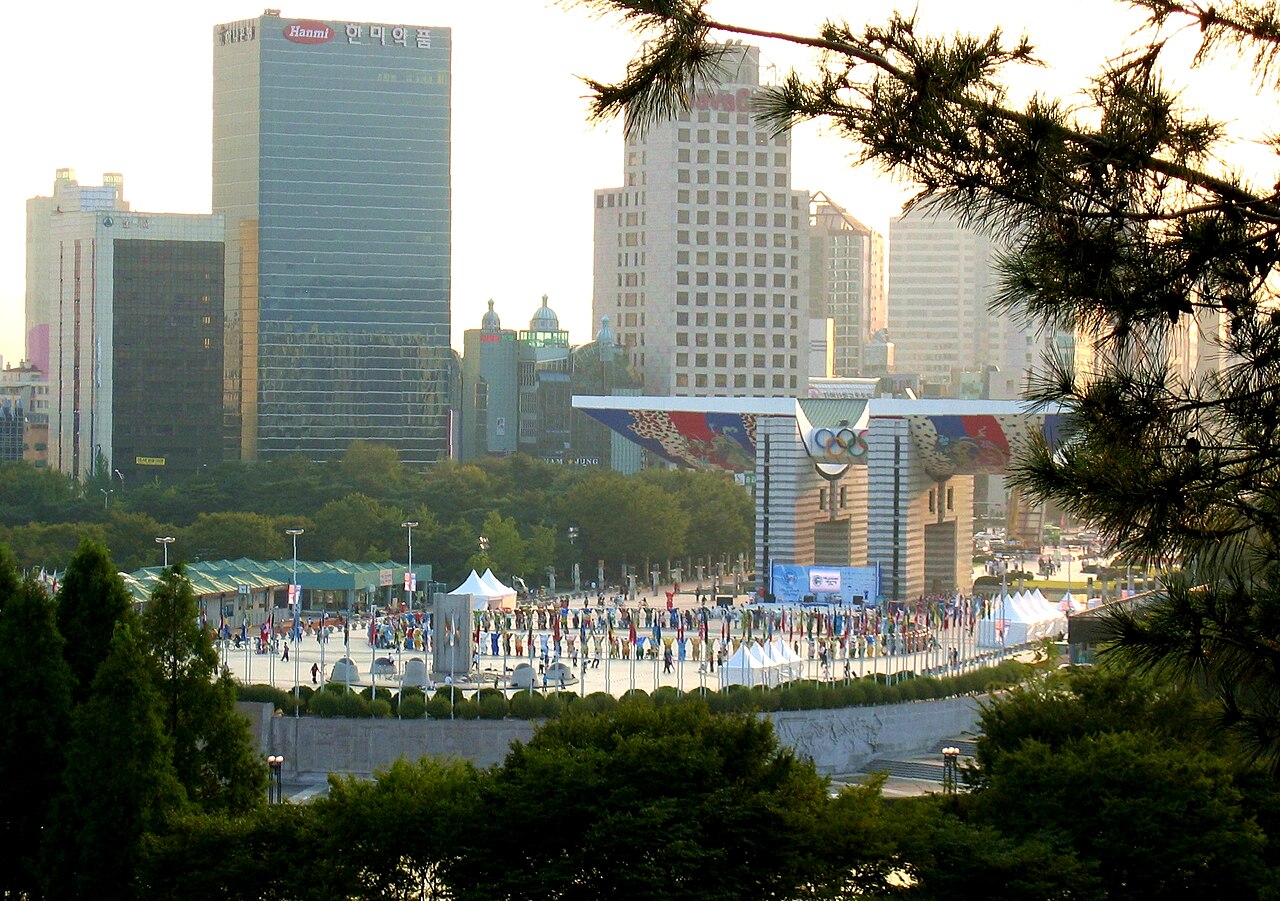
올림픽공원 세계평화의문
World Peace Gate is the principal ceremonial gateway to Seoul Olympic Park. Built for the 1988 Summer Olympics, it stands as a monumental symbol of harmony through sport and international cooperation. The gate is an open architectural landmark rather than an enclosed attraction. It marks the transition from the surrounding city into Olympic Park’s landscaped commemorative grounds and provides a natural starting point for exploring the wider park. The World Peace Gate stands as the principal ceremonial gateway to Seoul Olympic Park, constructed for the 1988 Summer Olympics. Its Korean name, 올림픽공원 세계평화의문, reflects its location within Olympic Park. The structure embodies aspirations for global harmony through sport. As a landmark monument rather than a building with interior spaces, it serves as both architectural statement and symbolic threshold. The gate occupies a significant position within the park's designed landscape, marking a transition between the surrounding city and the Olympic commemorative grounds beyond. No. It is an open monumental archway with no enclosed interior spaces. Visitors pass through it and observe it from outside.
Checked 2026-08-26 · Source
There is no enclosed interior to tour inside World Peace Gate. Visitors pass beneath the open arch and study its sculptural and architectural details from the approaches, the centre, and the surrounding park. The gate’s meaning comes from its form, scale, and ceremonial role. Olympic Park beyond it contains other sculptures, landscaped areas, and facilities, but the gate itself is experienced entirely from outside. The World Peace Gate itself contains no enclosed interior spaces accessible to visitors. It functions as an open monumental archway through which pedestrians pass. The structure's artistic and architectural details constitute its primary features, including sculptural elements integrated into its design. Visitors experience the gate from beneath and around it, observing its form from multiple angles. The surrounding Olympic Park contains various other facilities, sculptures, and landscaped areas, but these lie beyond the gate proper.
Checked 2026-08-26 · Source
Allow about fifteen to thirty minutes for the gate itself. That is enough time to pass beneath the arch, view its sculptural details, and take photographs from several angles. Most travellers combine the stop with a longer Olympic Park walk, which can occupy much more of the day. Use the gate as an orientation point, then continue into the park for monuments, open landscapes, and additional Olympic heritage sights.
Checked 2026-08-26 · Source
Spring and autumn offer comfortable conditions for exploring the open parkland around World Peace Gate. Seoul’s summers are humid and can bring monsoon rain, while winters are cold and expose visitors to the weather. Daylight gives the clearest view of the gate’s structure and surrounding landscape. An evening visit offers a different mood when illumination is operating. Events in Olympic Park can increase pedestrian activity around the ceremonial entrance.
Checked 2026-08-26 · Source
World Peace Gate itself is an open park gateway and has no separate monument ticket. The visit consists of passing through and viewing the structure within Olympic Park. Other park facilities, events, or commercial activities may follow their own arrangements, but those are separate from seeing the gate. Treat the monument as a short outdoor stop in a larger park itinerary rather than as a ticketed indoor attraction.
Checked 2026-08-26 · Source
World Peace Gate is within Seoul Olympic Park in Songpa-gu. Olympic Park Station on Subway Line 5 and Mongchon Stadium Station on Line 9 provide access to the park, followed by a walk to the gate. Buses serve the surrounding district, while private vehicles depend on park-area parking. Once inside, use the ceremonial arch as a clear landmark and continue on foot through the park’s landscaped grounds.
Checked 2026-08-26 · Source
World Peace Gate is exposed open-air architecture, so bring protection from Seoul’s heat, rain, or winter cold. Pedestrians pass beneath and around the arch; keep clear of the main flow when stopping for photographs. Do not climb the monument or enter restricted areas. Crowds may increase during Olympic Park events. Visitors with mobility concerns should consider the walking distance from the station and the park’s outdoor approaches when planning the stop.
Checked 2026-08-26 · Source
The gate offers several strong compositions: a wide view showing its full scale, a centred image from beneath the arch, and closer frames of the sculptural details. Step back into the park for broader landscape context, then photograph the passage through the gateway for a sense of depth. Daylight reveals the structure clearly, while evening illumination can change its atmosphere. Keep tripods and long stops out of pedestrian routes.
Checked 2026-08-26 · Source
Visitors can pass beneath the open monumental arch, but it is not an enclosed building with interior rooms.
No separate ticket is required to see the gate itself; it functions as an open gateway within Olympic Park.
Use Olympic Park Station on Line 5 or Mongchon Stadium Station on Line 9, then walk through the park to the gate.
Spring and autumn generally provide moderate temperatures for walking around the gate and Olympic Park.
It was constructed for the 1988 Summer Olympics and symbolises global harmony through sport.
Allow approximately fifteen to thirty minutes for the monument, or longer if continuing through Olympic Park.
Loading the interactive map…
The interactive map could not be loaded.
Last updated:
Source: OpenStreetMap contributors, Wikidata ·