


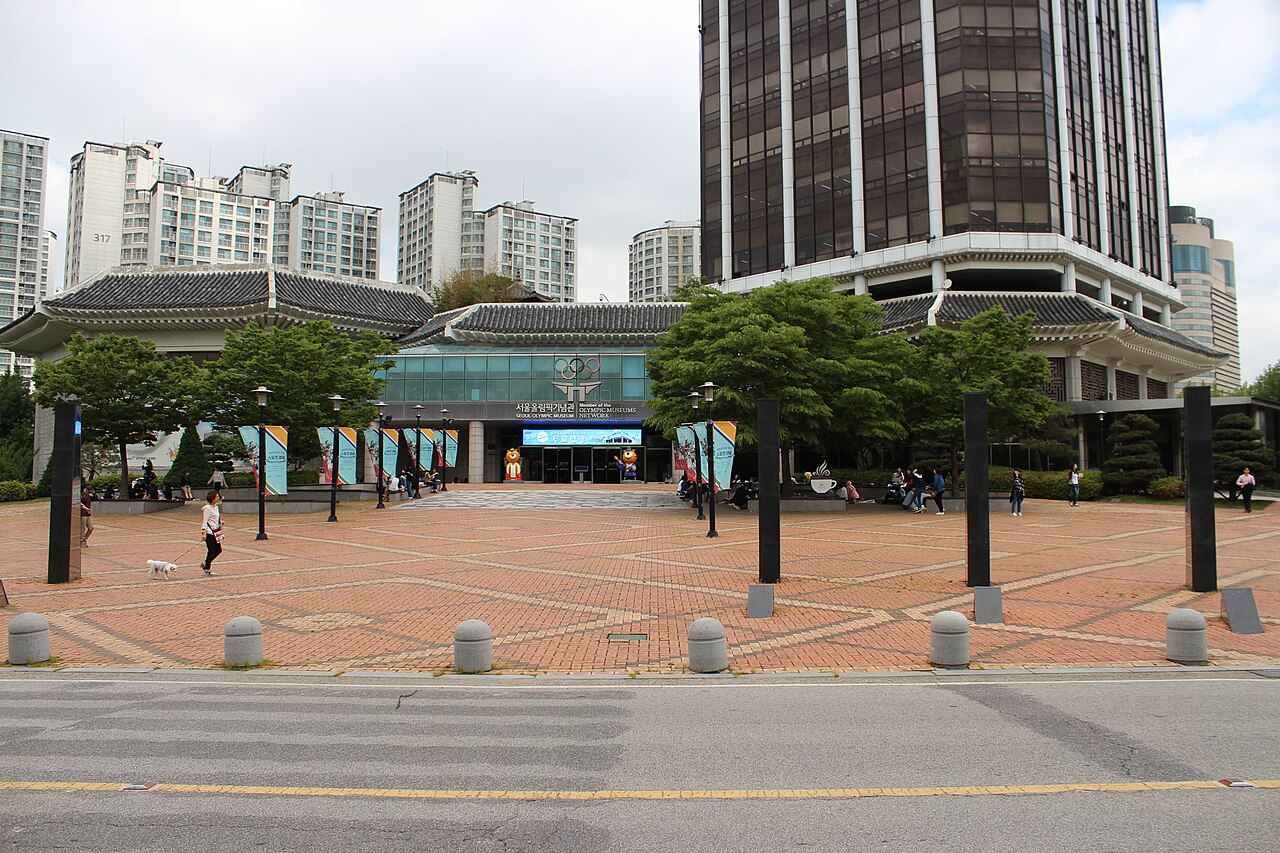
5 min walk
Seoul Olympic Museum
- High
- Museum
Language · 11 published
Historic monument · Seoul
몽촌토성
Reviewed by Elena Voss · Roavina Travel Editor
This place is a Attraction.
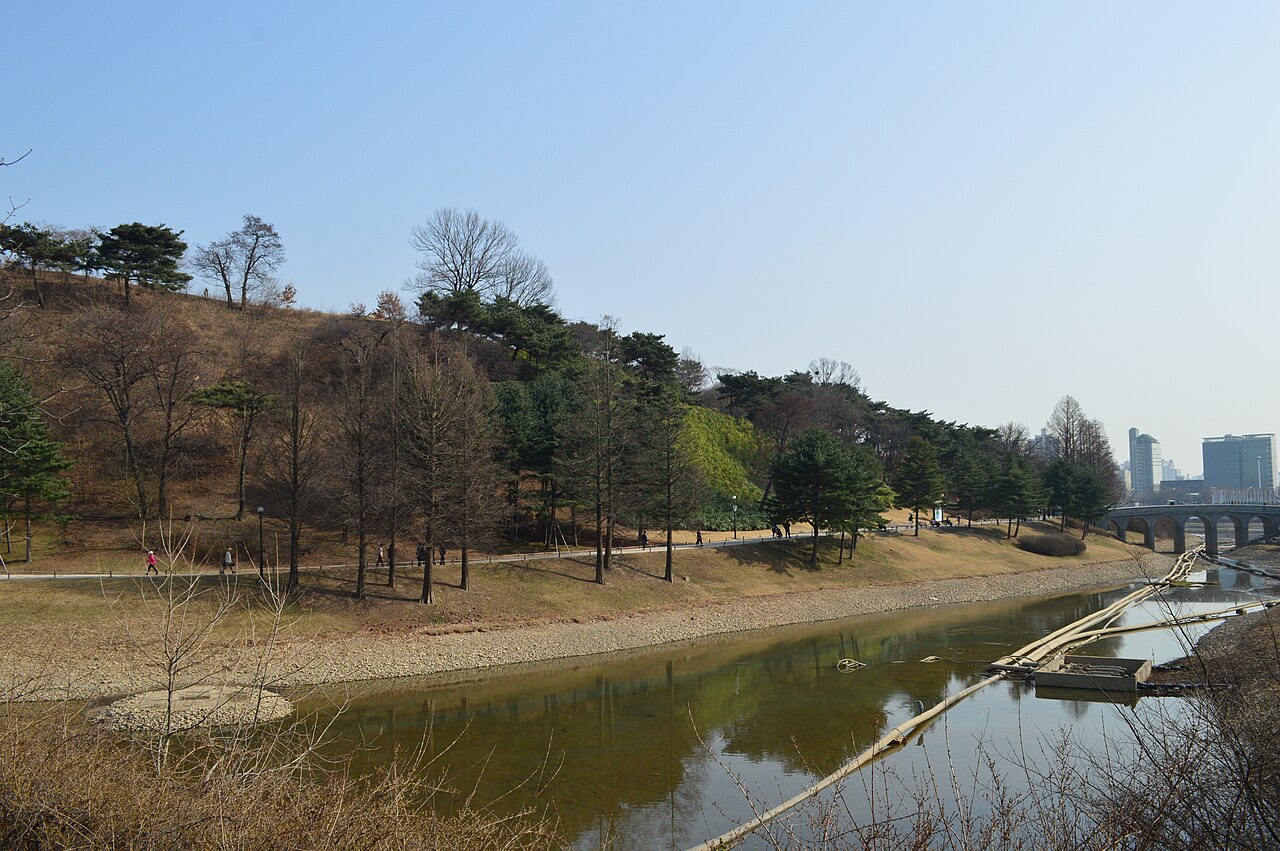
Mongchontoseong is an earthen fortress site in Seoul’s Songpa-gu district, within Olympic Park. Its broad ramparts represent Baekje-period defensive architecture and create a striking contrast with the modern city around them. This is an archaeological landscape rather than a stone castle, so the experience comes from reading the shape of the earth, walking through open parkland, and understanding how an ancient stronghold survives inside a major urban recreation area. Mongchontoseong, known locally as 몽촌토성, is an earthen fortress located in Seoul, South Korea. The site represents historical fortification architecture from the Baekje kingdom period, one of the Three Kingdoms of Korea. The fortress stands as a significant archaeological and cultural heritage site within the modern metropolitan area of Seoul. It forms part of the broader Olympic Park area in the Songpa-gu district, situated where the 1988 Summer Olympics were held. The structure consists of earthen ramparts rather than stone construction. The fortress dates to the Baekje kingdom period, one of Korea's Three Kingdoms. Yes, the site is situated within the Olympic Park area in Seoul's Songpa-gu district.
Checked 2026-08-26 · Source
The visit centres on preserved earthen walls, raised ground, open lawns, and paths woven through Olympic Park. The fortress remains are not presented as a fully reconstructed palace or military compound; their character is quieter and more interpretive. Walk around the visible earthworks and notice how vegetation, park paths, and nearby Olympic facilities frame the historic remains. The surrounding park adds space for a longer stroll after the heritage stop. The fortress site encompasses earthen wall remains and surrounding parkland integrated into Olympic Park. Visitors encounter the historic ramparts amid landscaped grounds that serve recreational purposes. The area contains walking paths and open spaces typical of Korean park design. The site connects to broader Olympic Park facilities, including sports venues and cultural institutions developed for the 1988 Games. Archaeological features of the original fortification are preserved within this modern park context.
Checked 2026-08-26 · Source
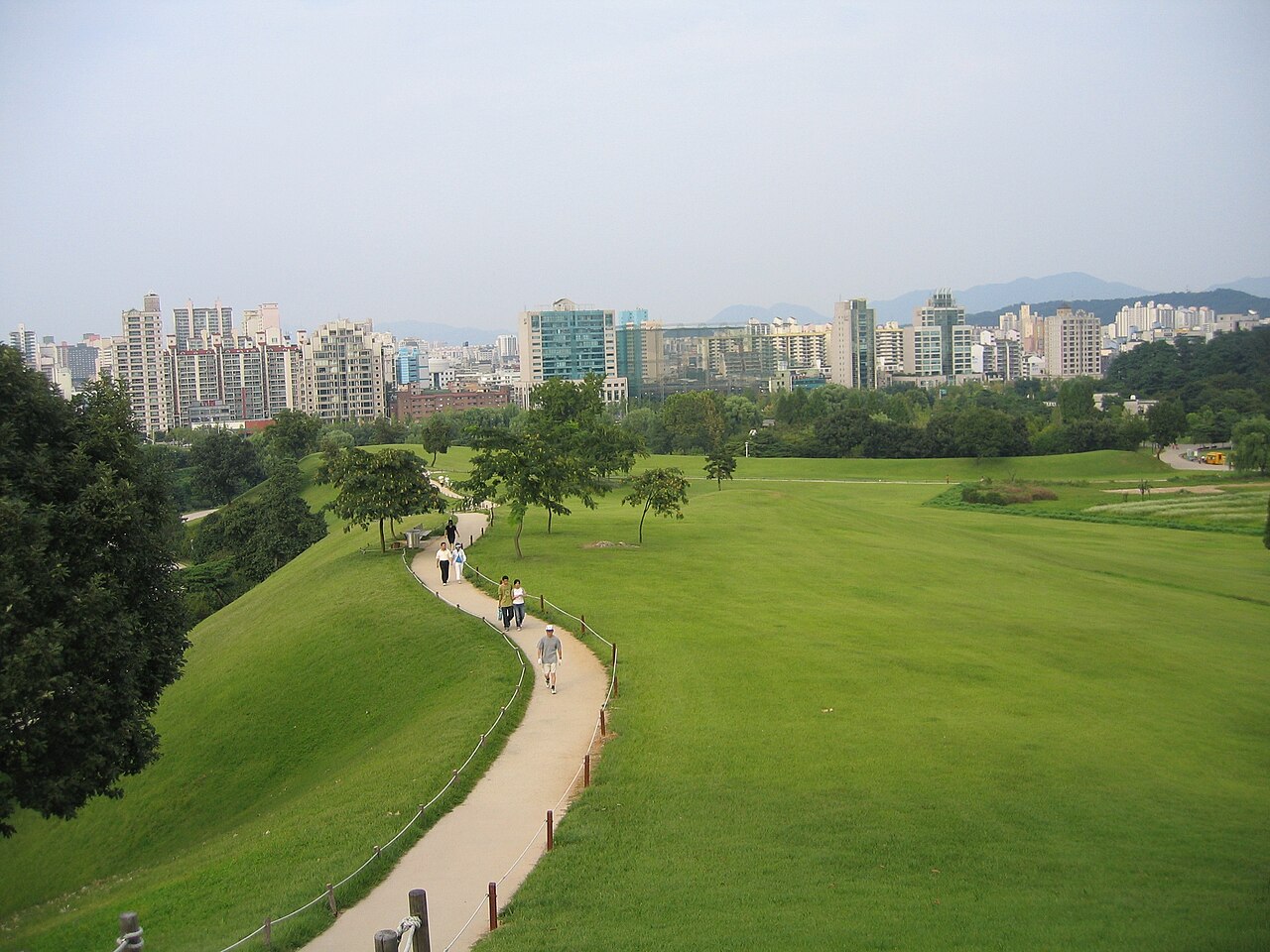
Allow about an hour for a focused look at the fortress earthworks and a measured walk through their immediate setting. Visitors who want to explore more of Olympic Park can extend the stop substantially, since the historic site forms only one part of a much larger landscape. Build in extra time for photographs, pauses on the paths, and the transition between the ramparts and the park’s other cultural or sporting spaces. Visitors typically allocate time based on interest in archaeological sites versus general park recreation.
Checked 2026-08-26 · Source
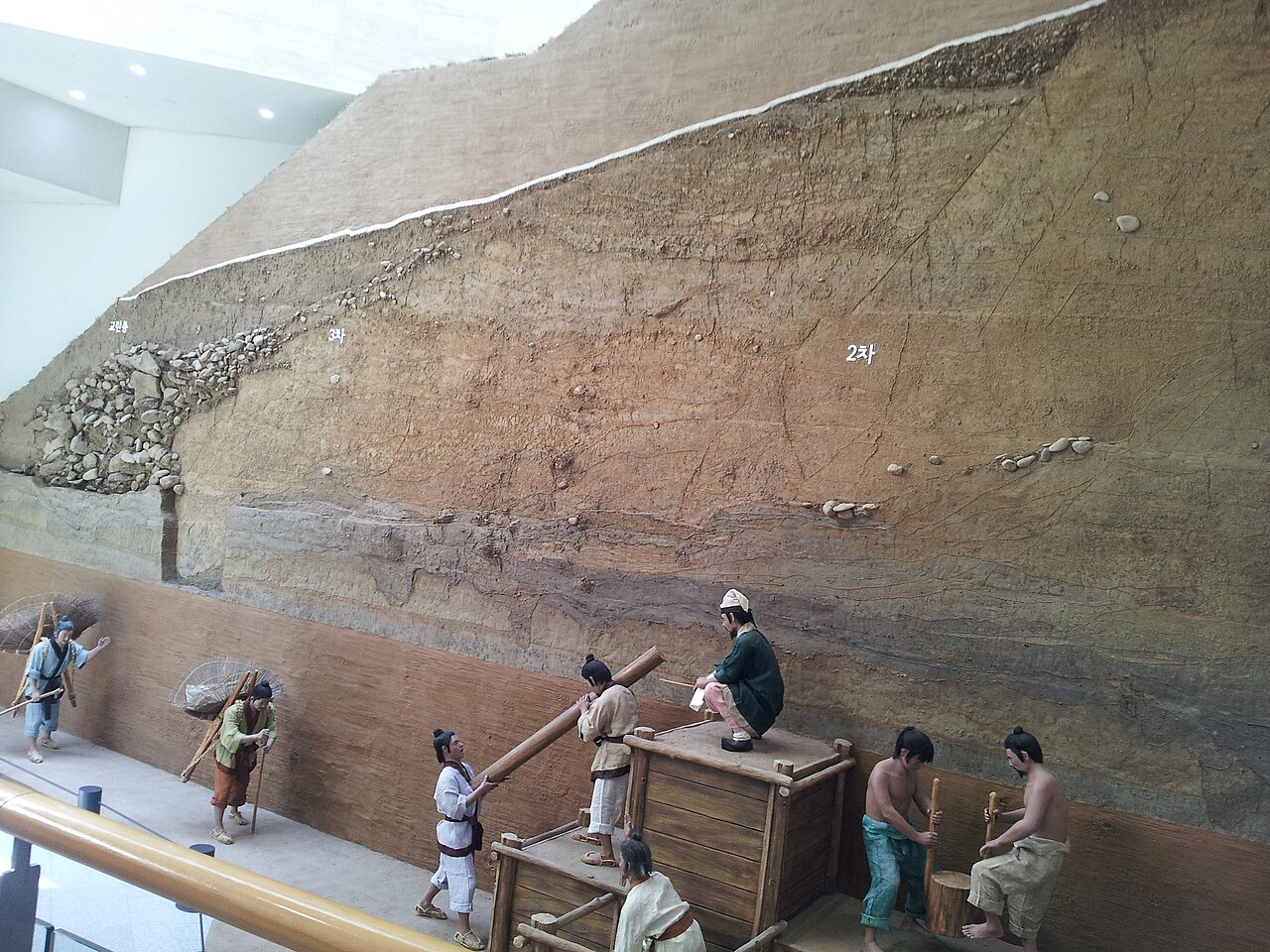
Spring and autumn are comfortable seasons for walking across the exposed grounds, with milder temperatures and pleasant park scenery. Summer can feel hot and humid, while winter brings cold conditions and occasional snow. Choose daylight for clearer views of the earthworks and easier movement along the paths. Because the site is outdoors, dress for the weather and consider sun or rain protection before setting out.
Checked 2026-08-26 · Source
Mongchontoseong is encountered as part of the Olympic Park landscape, so the visit is best planned as an outdoor heritage walk rather than a ticketed museum experience. The fortress itself is an open archaeological feature integrated into the park. Separate Olympic Park facilities, exhibitions, events, or parking may follow their own arrangements, so keep the historic walk distinct from any paid activity elsewhere in the complex.
Checked 2026-08-26 · Source
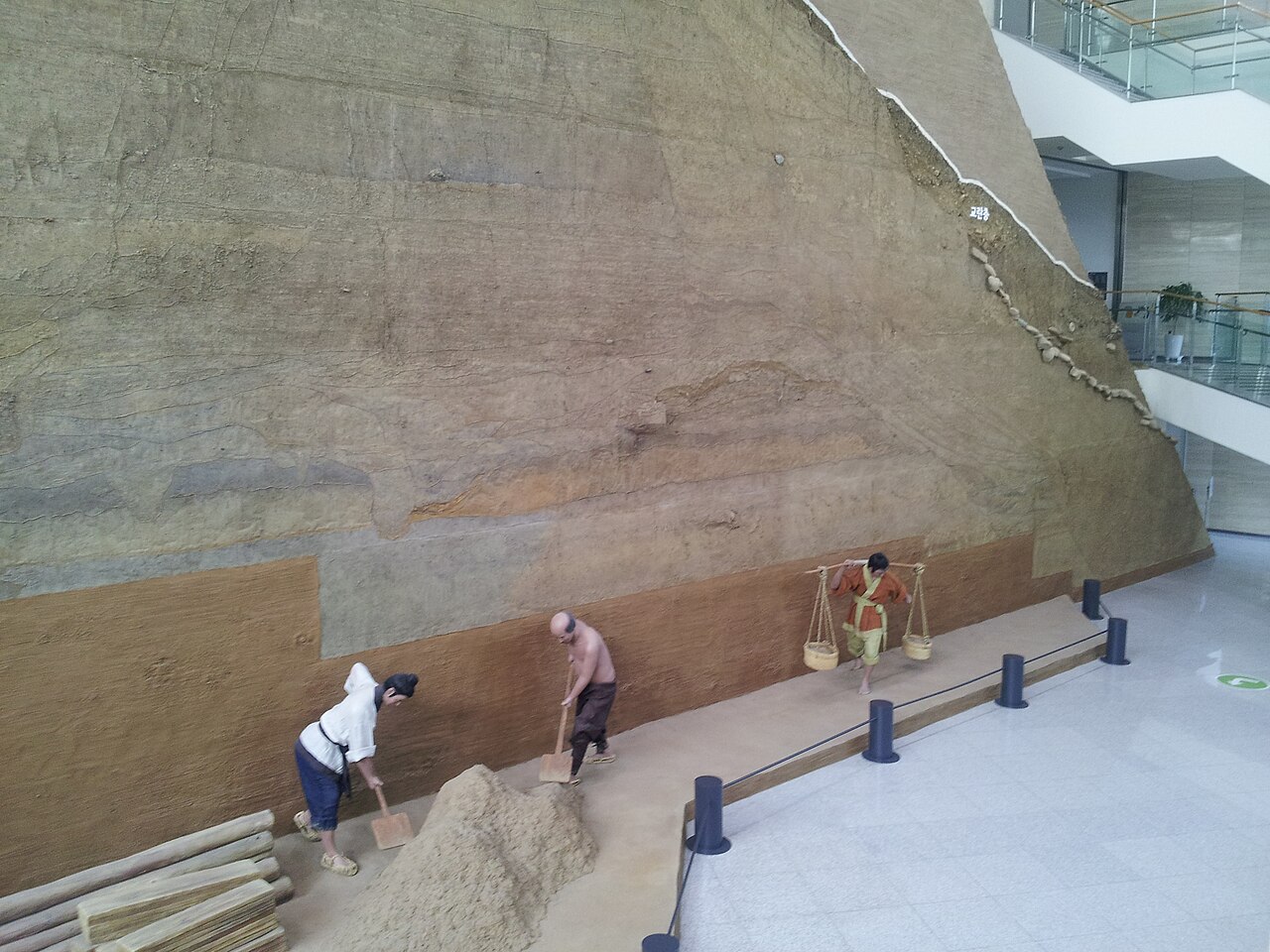
Use Seoul’s Line 5 to reach the Olympic Park area: Olympic Park Station and Mongchontoseong Station provide nearby subway access. From the station area, continue on foot through the expansive park toward the fortress remains. Bus routes, taxis, and walking approaches from nearby neighbourhoods are additional options. Allow orientation time, because Olympic Park is large and the nearest station entrance is not necessarily beside the earthworks.
Checked 2026-08-26 · Source
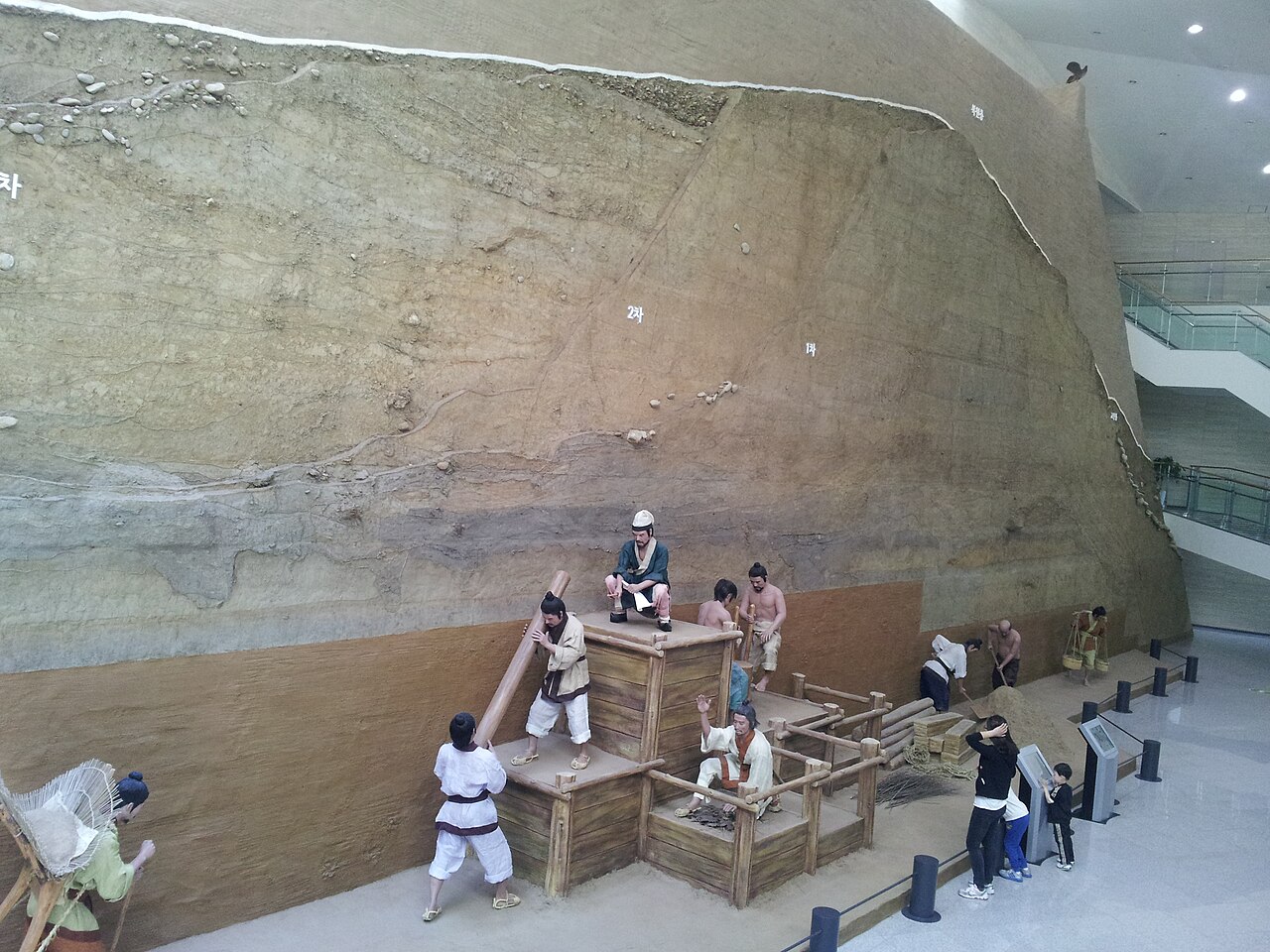
Stay on established paths and do not climb or sit on the earthen ramparts. Rain can make grassy or unpaved ground slippery, and the open setting provides little shelter from sun or showers. Olympic Park is also an active public space, so watch for cyclists, runners, pedestrians, and event activity. Keep the site quiet and respectful, and take normal care of belongings during a busy park visit.
Checked 2026-08-26 · Source
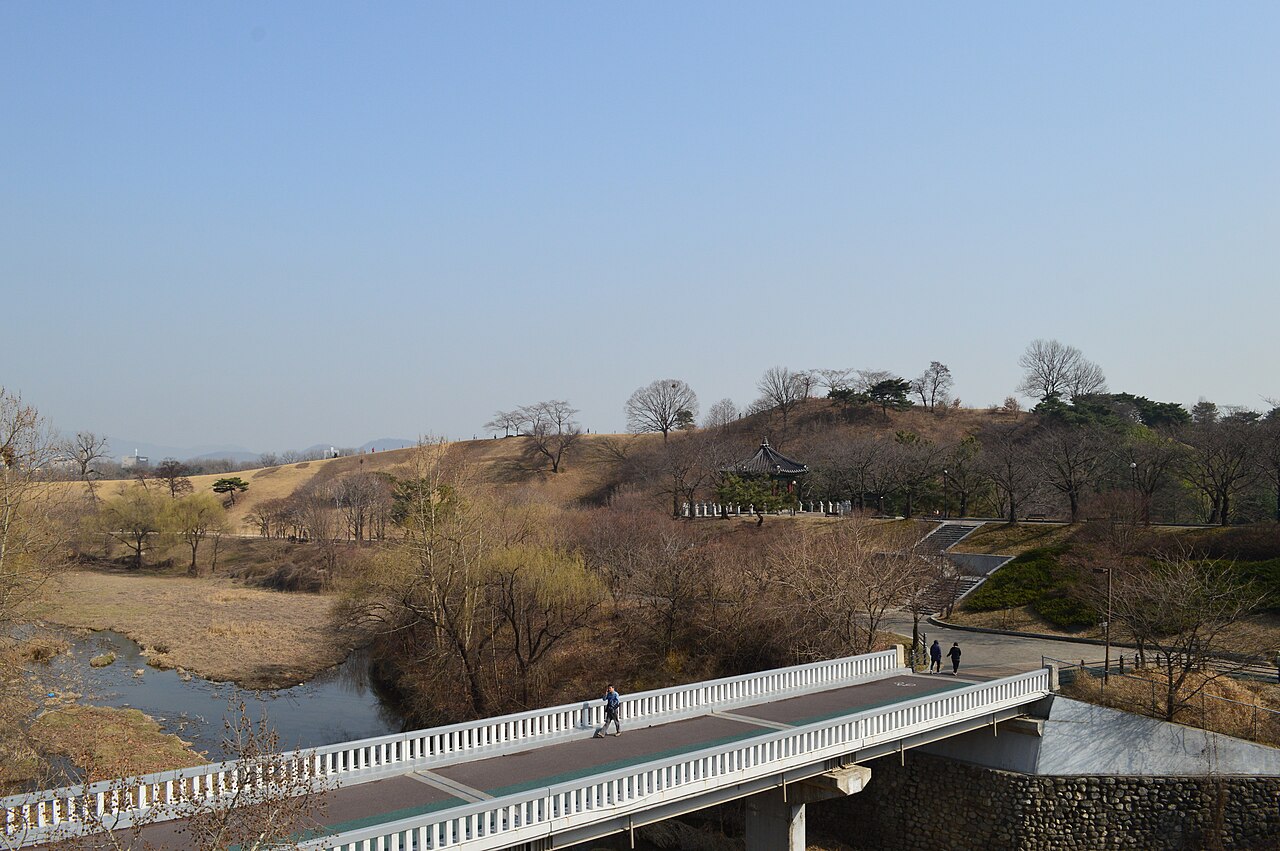
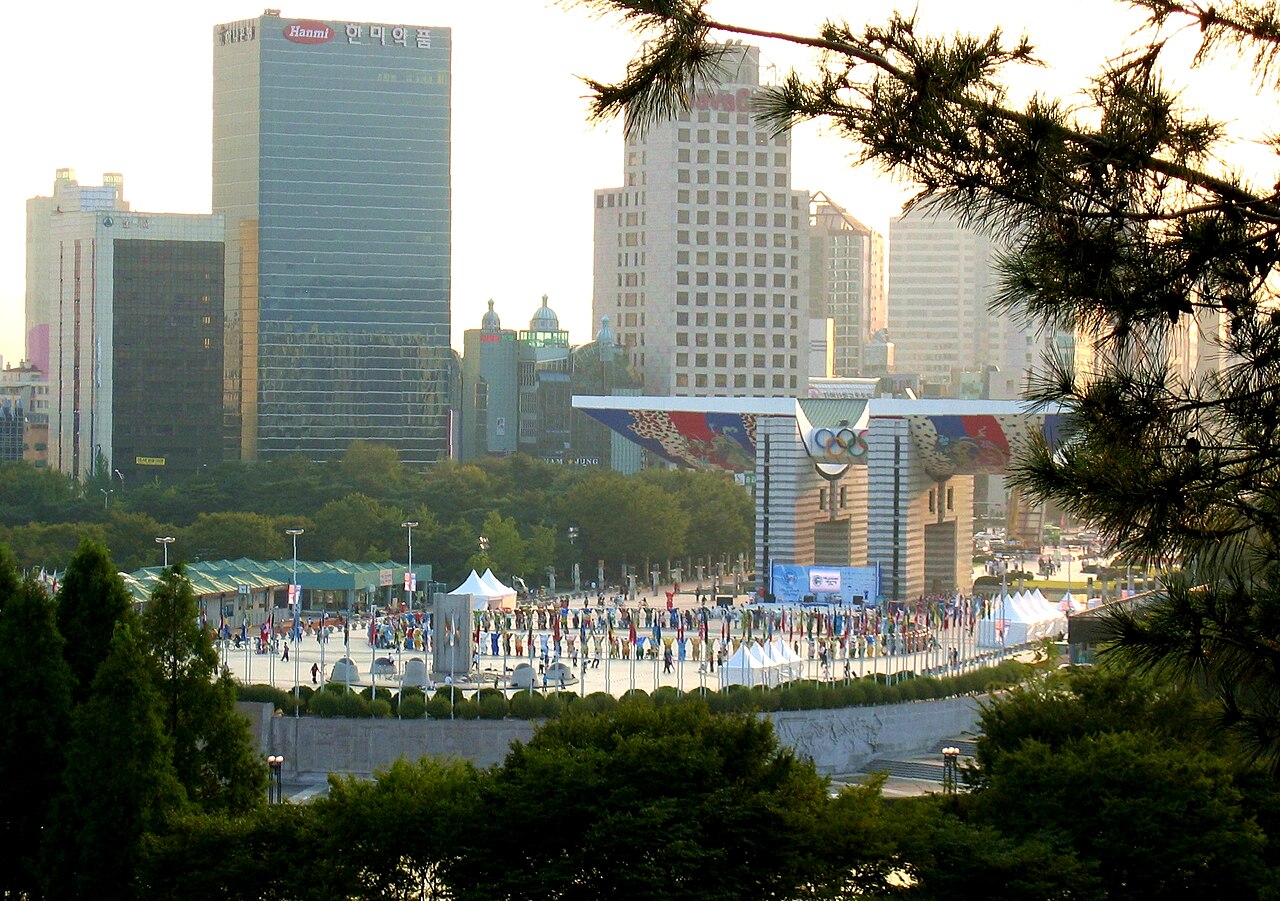
The fortress is photogenic for its meeting of archaeological contours, open grass, trees, and Seoul’s contemporary skyline. Wide compositions show the scale of the park setting, while lower viewpoints emphasise the layered earthwork profile. Morning or late-day light can give the slopes more definition. Keep equipment and tripods out of busy paths, avoid restricted airspace around park facilities, and photograph with care around other visitors.
Checked 2026-08-26 · Source
The earthen fortress is associated with the Baekje kingdom period, one of Korea’s Three Kingdoms.
It is inside Olympic Park in Seoul’s Songpa-gu district.
Olympic Park Station and Mongchontoseong Station on Seoul Subway Line 5 provide nearby access.
It is an earthen fortress made of raised defensive ramparts rather than a stone castle.
Yes. The fortress is integrated into Olympic Park, making it suitable for a heritage walk followed by wider park exploration.
Comfortable walking shoes and protection from sun, rain, heat, or cold are useful because the site is open and exposed.
Loading the interactive map…
The interactive map could not be loaded.
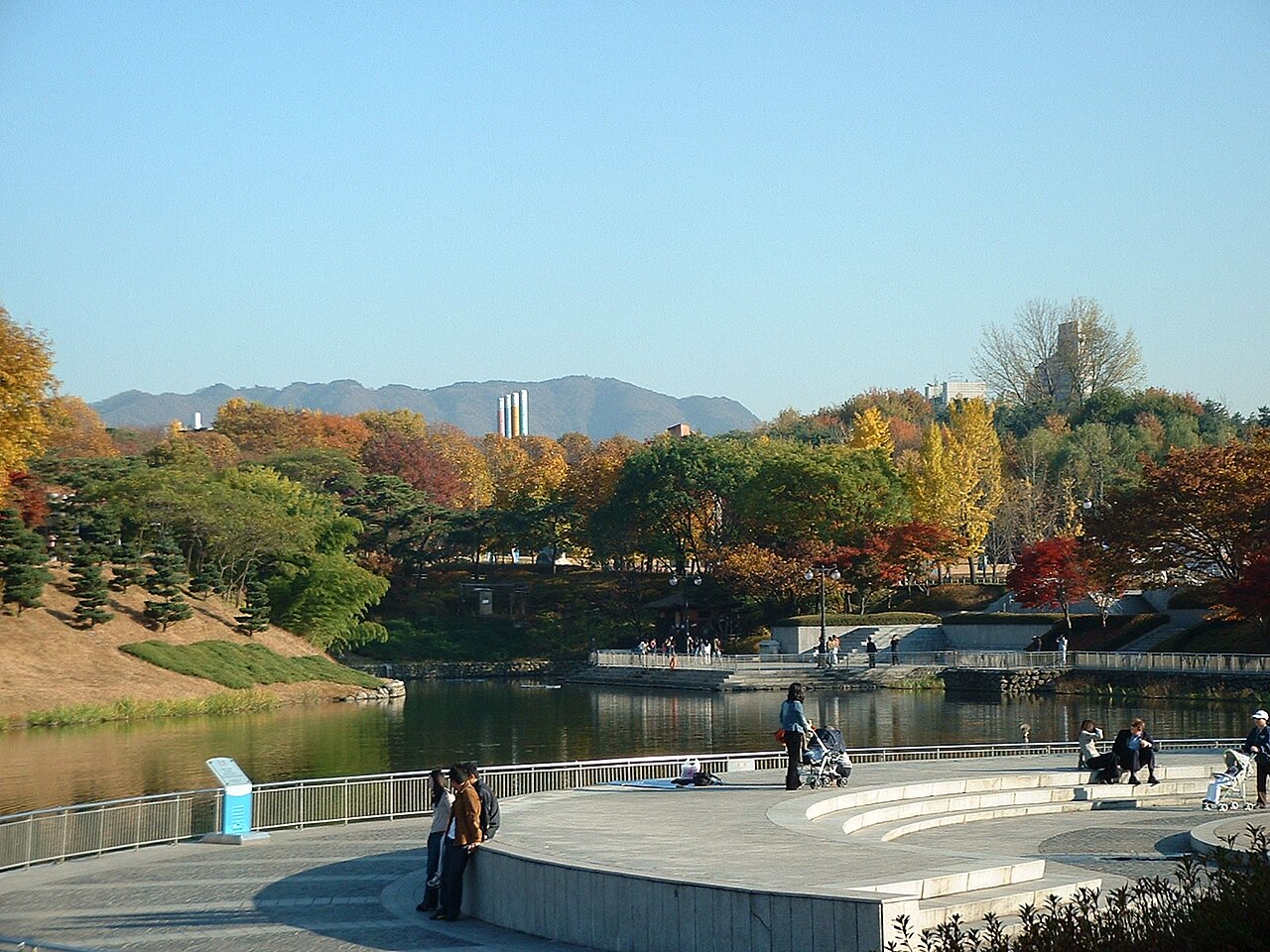
Last updated:
Source: OpenStreetMap contributors, Wikidata ·