
6 min walk
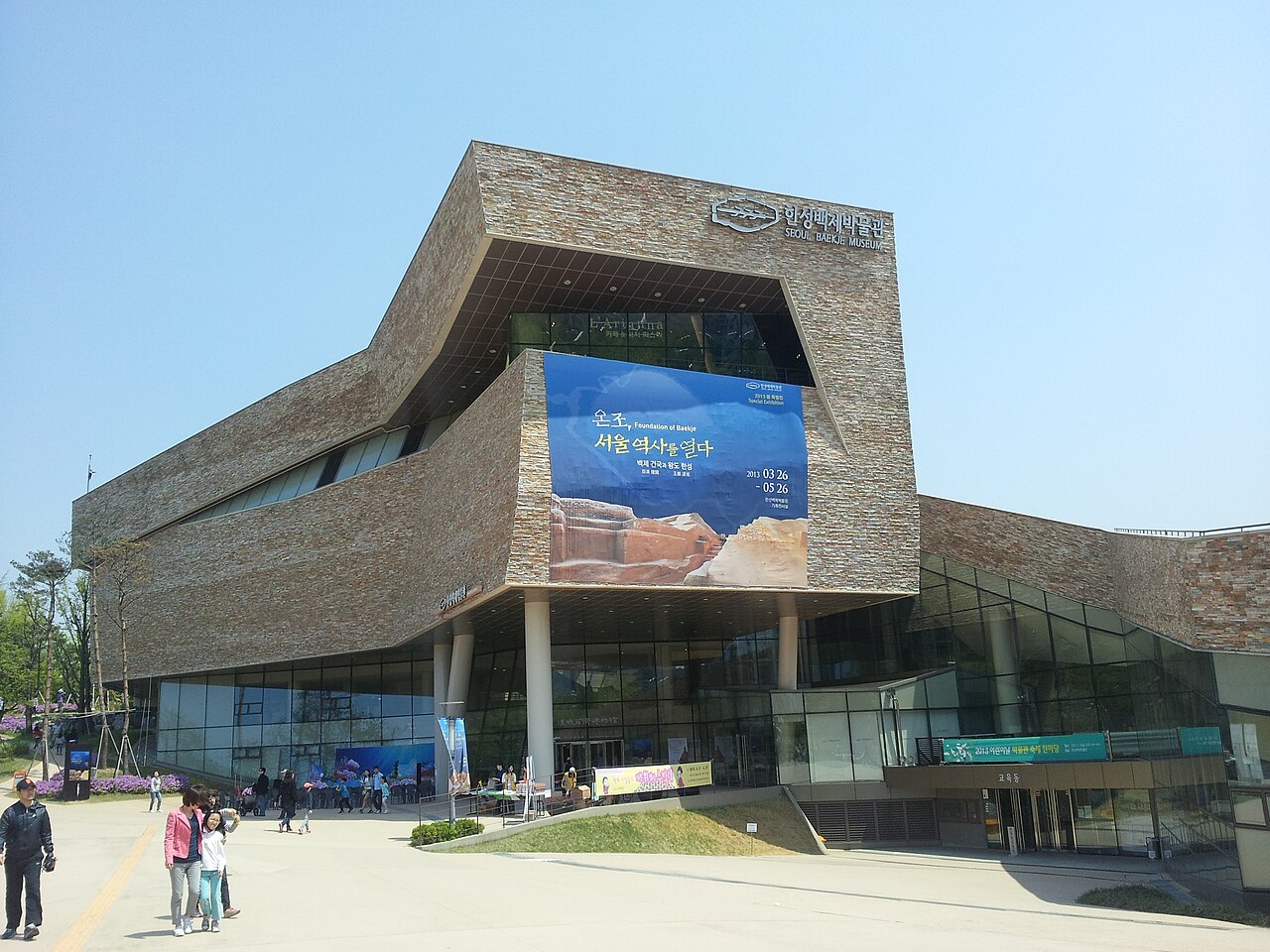
Seoul Baekje Museum
- High
- Museum
Language · 11 published
Nature site · Seoul
올림픽공원
Reviewed by Elena Voss · Roavina Travel Editor
| Monday | 05:00 – 22:00 |
|---|---|
| Tuesday | 05:00 – 22:00 |
| Wednesday | 05:00 – 22:00 |
| Thursday | 05:00 – 22:00 |
| Friday | 05:00 – 22:00 |
| Saturday | 05:00 – 22:00 |
| Sunday | 05:00 – 22:00 |
Checked 2026-08-31 · Source
Read from the OpenStreetMap access tags; anything not listed has no tag recorded.
Set the group type to family in the planner and the day window contracts to about three quarters of a solo day.
This place is a Park. It is run by National Sports Promotion Corporation.
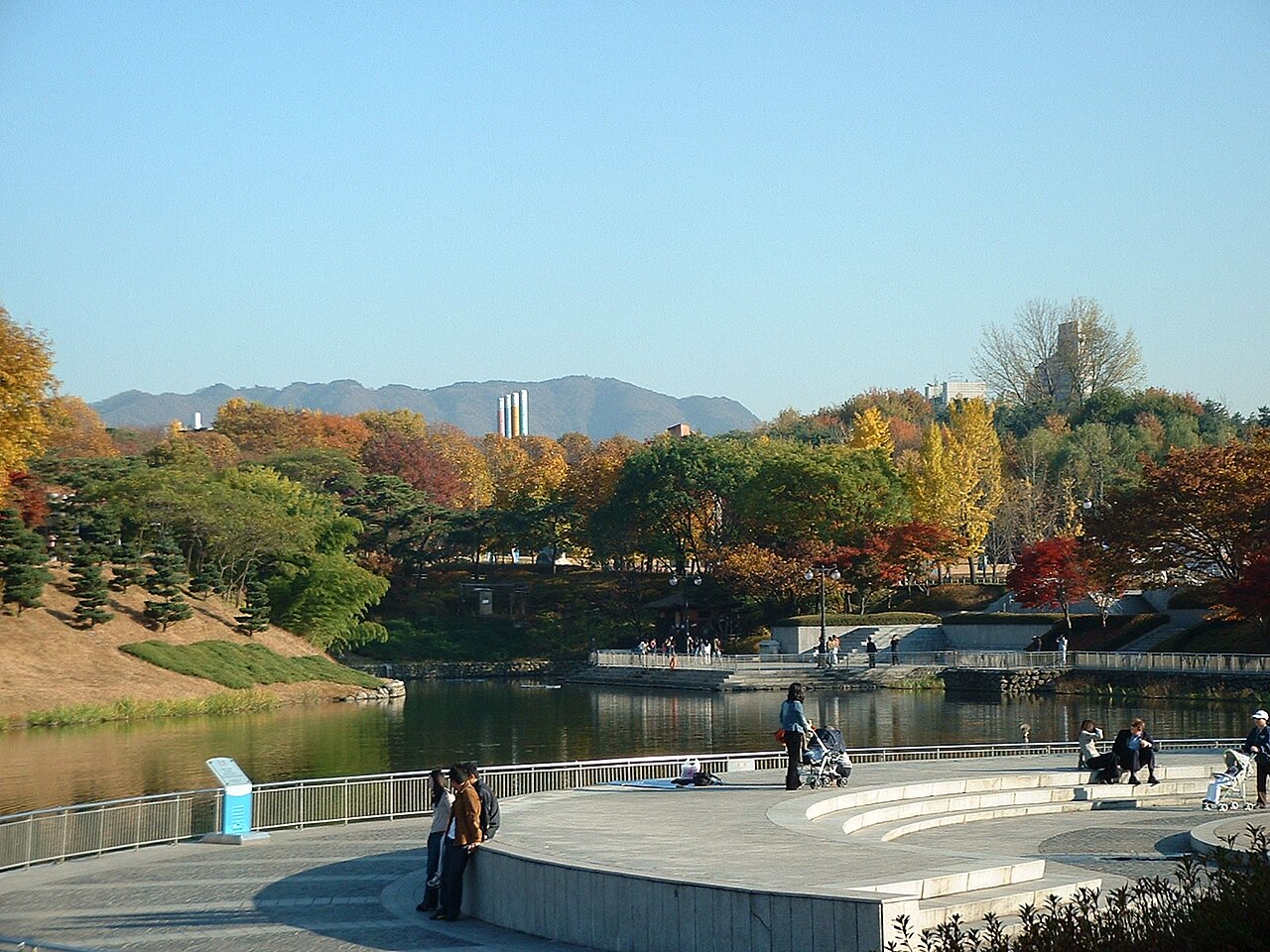
Olympic Park is a major public park in Seoul, South Korea, established for the 1988 Summer Olympics. The local name is 올림픽공원. It occupies a large site in the Songpa-gu district and serves as a legacy venue from the Games. The park contains multiple sports facilities, open green spaces, and cultural installations that remain in use decades after the Olympic closing ceremony. city_place_id with stored names and coordinates copied without approximation.
Checked 2026-08-31 · Source
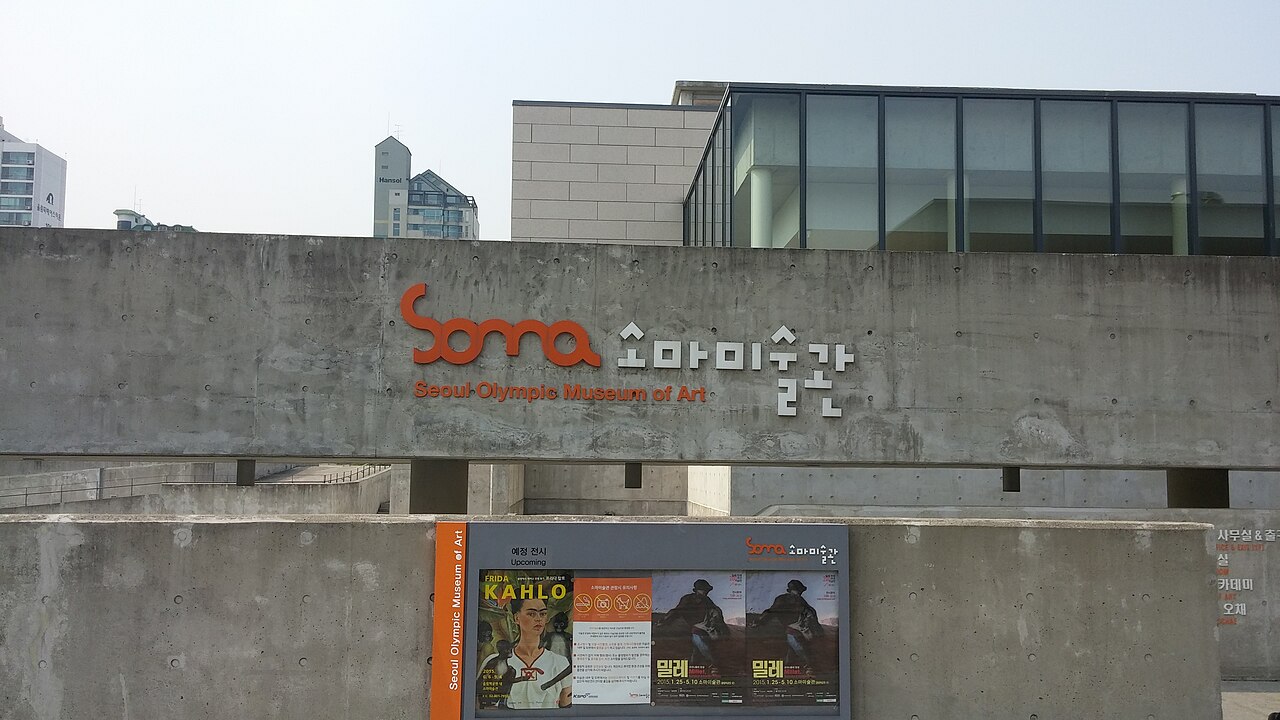
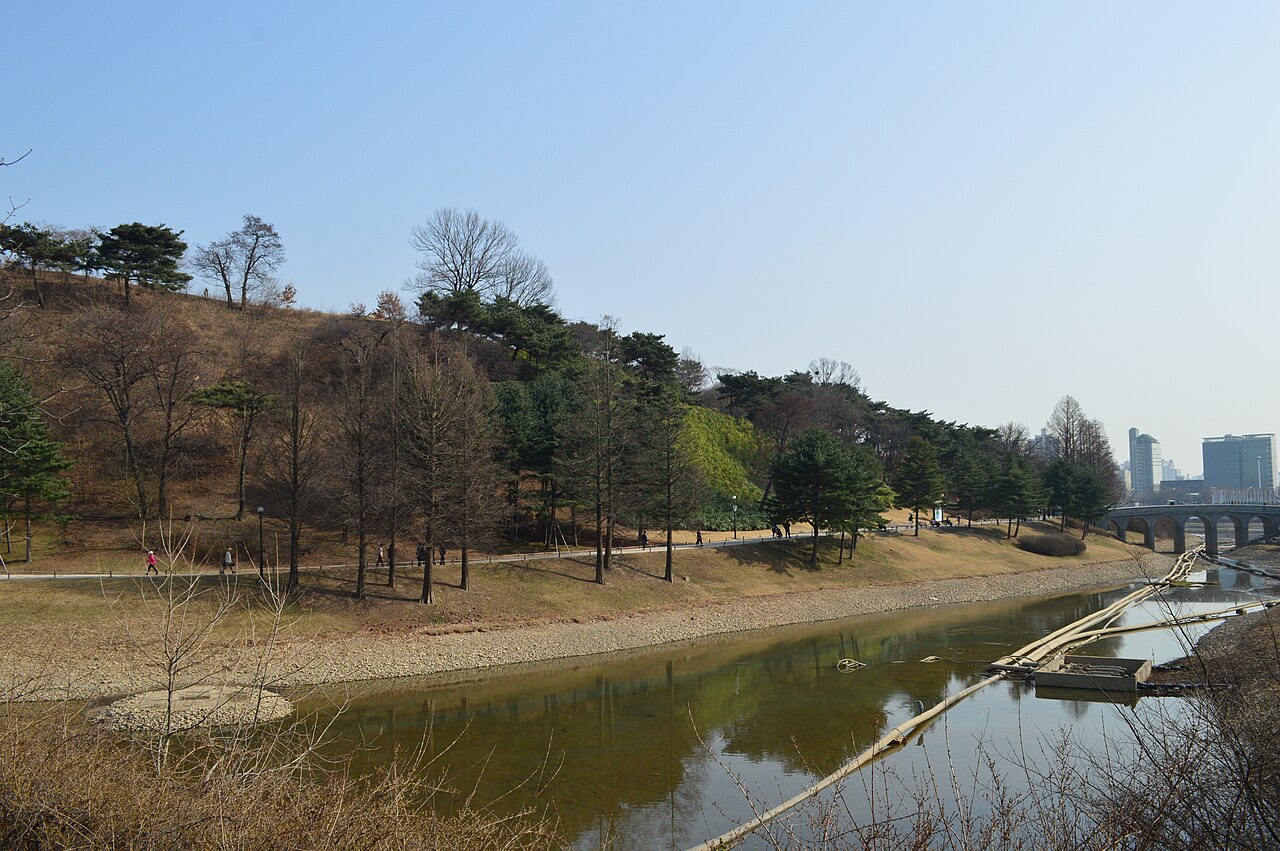
The park encompasses several Olympic-era stadia and arenas, including the Olympic Stadium, Olympic Gymnastics Arena, and Olympic Swimming Pool. Sculpture Park features numerous outdoor artworks. The park also contains SOMA Museum of Art, a music fountain, and extensive walking and cycling paths. Landscaped gardens, lakes, and forested areas provide recreational space. Monuments and commemorative installations related to the 1988 Olympics remain on site. The area functions as both a sports complex and urban park for Seoul residents and visitors. A flexible visit lets travellers connect Olympic Park with the rest of the day without treating one room, viewpoint or photograph as the whole experience. The useful pace depends on personal interest and conditions on arrival.
Checked 2026-08-31 · Source
Visitors typically spend between two hours and half a day at Olympic Park depending on interests. Those walking the sculpture trail, visiting museums, and exploring gardens require more time than visitors attending specific sporting events. Cycling the perimeter paths adds duration. The large site rewards unhurried exploration. Visitors combining Olympic Park with nearby attractions in the greater Gangnam area should allocate accordingly. Individual preferences for sports facilities, art installations, or natural spaces significantly affect appropriate visit length. city_place_id; stored names and coordinates were copied without approximation.
Checked 2026-08-31 · Source
Daily: pedestrian and bicycle entry 05:00–22:00; square areas until 24:00. Vehicle entry 06:00–22:00. The park has no scheduled closure days. After 22:00, access is limited to Peace Square and Meeting Square; gate operations may change for late-night events. Olympic Park operates throughout the year with seasonal variations in atmosphere. Spring and autumn offer comfortable temperatures for outdoor sculpture viewing and walking. Summer brings lush greenery but heat and humidity. Winter presents colder conditions with reduced vegetation. Specific facility hours vary by venue within the park. Evening visits allow viewing of illuminated fountains when operational.
Checked 2026-08-31 · Source
General admission to Olympic Park is free. Access to Olympic Park's open grounds is generally free, though individual facilities charge separately. Stadium tours, museum admissions, and sporting event tickets incur fees at varying rates. Specific prices depend on the activity, exhibition, or competition. Visitors should check current rates for desired attractions directly with venue operators. Major sporting events may require advance ticket purchase through official channels. Some cultural programs and seasonal events may carry additional charges beyond standard park entry.
Checked 2026-08-31 · Source
Use Olympic Park Station Exit 3 on subway Lines 5 or 9, Mongchontoseong Station Exit 1 on Line 8, or Hanseong Baekje Station Exit 2 on Line 9. Buses 3214, 3220, 3319, 3412 and 3413 serve East Gate 2 near Olympic Park Station; airport bus 6300 also stops in this area. Olympic Park is accessible via Seoul's extensive public transportation network. Multiple subway stations serve the area including Olympic Park Station on Line 5 and Mongchon Toseong Station on Line 8. Bus routes connect to surrounding neighborhoods. The park's large size means different entrances align with different transit options. Visitors should identify their intended destination within the park before selecting arrival station. Taxis and ride services provide alternative access. Walking and cycling from nearby accommodations in Songpa-gu is feasible for local visitors.
Checked 2026-08-31 · Source
The main approach has no steps and is wheelchair accessible. Ramps provide access to park facilities. Accessible toilets are available. There are 140 accessible parking spaces. The park's extensive grounds require comfortable walking footwear and weather-appropriate preparation. Summer visitors should carry water and sun protection given exposed pathways. Facility-specific rules apply at stadia and museums. Cycling paths share space with pedestrians in some areas. Large events cause congestion and altered access. Some sculptures and installations may have restricted interaction. Visitors should respect posted guidelines at sports venues that remain active training and competition facilities. Wayfinding across the large site demands attention to maps and directional signage.
Checked 2026-08-31 · Source
Olympic Park offers diverse photographic subjects including Olympic architecture, outdoor sculptures, landscaped gardens, and water features. The Olympic Stadium provides iconic backdrop images. Sculpture Park permits photography of numerous artworks though individual pieces may have restrictions. Early morning and late afternoon yield favorable natural lighting. Night photography benefits from illuminated fountains and building lighting when operational. Visitors should observe any photography prohibitions inside museums and active sports venues.
Checked 2026-08-31 · Source
Yes. General admission to the park is free.
No. The park is open year-round; pedestrian and bicycle entry runs from 05:00 to 22:00, with square areas open until 24:00.
Olympic Park Station Exit 3 is served by Lines 5 and 9; Mongchontoseong Station Exit 1 is on Line 8; Hanseong Baekje Station Exit 2 is on Line 9.
Yes. The main approach is step-free, facility entrances have access ramps, and accessible toilets and 140 accessible parking spaces are available.
Yes, but dogs must be leashed, waste bags must be carried, and designated dangerous dogs must be muzzled.
Unauthorized drone flights and motorized mobility devices such as electric scooters are prohibited; mobility devices for disabled visitors, including powered wheelchairs, are exempt from the mobility-device ban.
Loading the interactive map…
The interactive map could not be loaded.
Last updated:
Source: OpenStreetMap contributors, Wikidata ·