
41 min walk
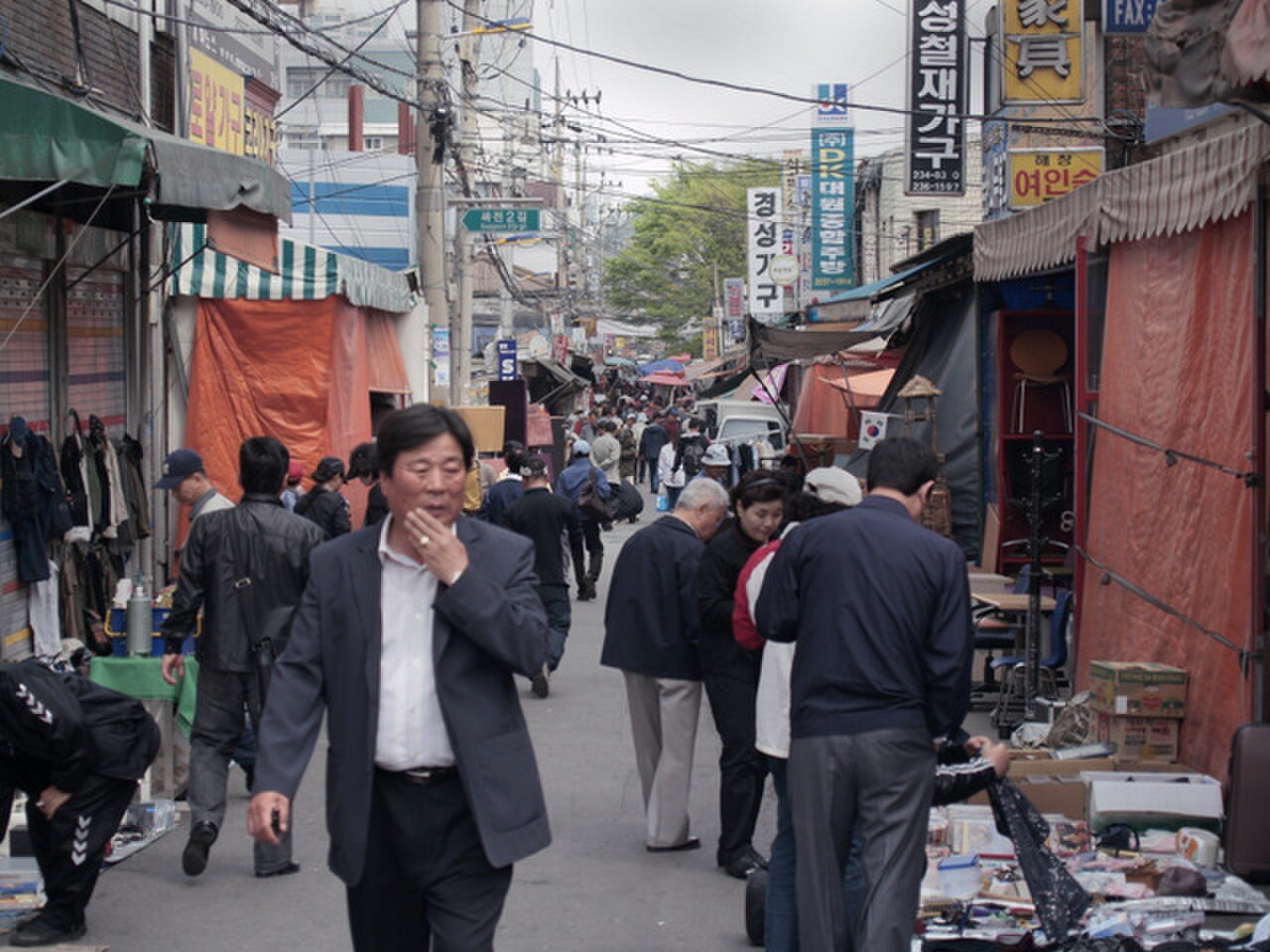
Hwanghak-dong Flea Market
- High
- Market
Nature site · Seoul
서울숲
| Monday | 00:00 – 23:59 |
|---|---|
| Tuesday | 00:00 – 23:59 |
| Wednesday | 00:00 – 23:59 |
| Thursday | 00:00 – 23:59 |
| Friday | 00:00 – 23:59 |
| Saturday | 00:00 – 23:59 |
| Sunday | 00:00 – 23:59 |
Checked 2026-08-31 · Source
| Per person | Free entry |
|---|
Checked 2026-08-31 · Source
Read from the OpenStreetMap access tags; anything not listed has no tag recorded.
Set the group type to family in the planner and the day window contracts to about three quarters of a solo day.
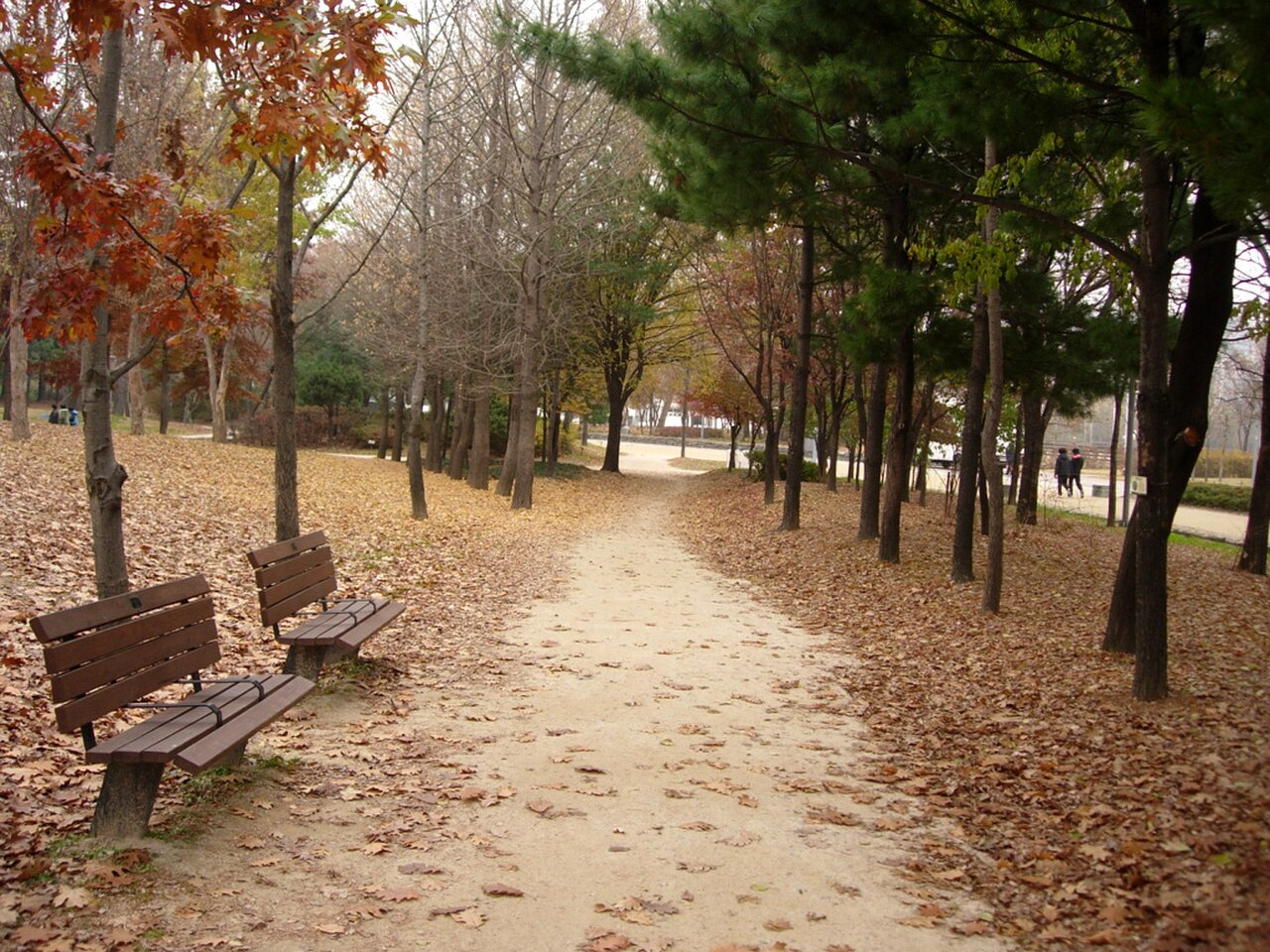
Seoul Forest is a major urban park located in Seongdong-gu, Seoul, South Korea. The local name is 서울숲. It was developed on former landfill and industrial sites, transforming degraded land into substantial green space. The park opened in 2005 and serves as one of Seoul's significant ecological and recreational areas. It represents an effort to create accessible nature within a dense metropolitan environment, providing residents and visitors with forested areas, wetlands, and open lawns. The park's development reflects broader urban renewal strategies in Seoul during the early twenty-first century, prioritizing environmental restoration alongside public amenity.
Checked 2026-08-31 · Source
The park contains multiple distinct zones including an ecological forest, wetlands, a natural experience garden, and cultural art facilities. There are walking and cycling paths throughout. The ecological forest features native tree species and wildlife habitat. The wetlands area includes water purification functions and bird observation opportunities. Open lawns accommodate informal recreation and events. Some areas contain sculptures and art installations. The park connects to the Han River through trail systems. Seasonal plantings create varying visual conditions. Water features appear in several zones. The diversity of spaces allows for different visitor experiences ranging from active recreation to quiet observation of natural processes.
Checked 2026-08-31 · Source
Visitor duration varies substantially based on interests and pace. Casual walkers covering main paths might spend one to two hours. Those exploring multiple zones thoroughly, including wetlands and ecological areas, could require three hours or more. Photography, birdwatching, or extended rest periods extend visits. The park's size permits brief stops or full-day occupation depending on individual preference. Cycling the perimeter and internal routes takes less time than walking. Families with children often stay longer due to open play areas. Weather conditions influence comfortable duration, particularly in summer humidity or winter cold. Visitors should assess their own stamina and interests when planning.
Checked 2026-08-31 · Source
Daily 00:00–24:00; open year-round. The park has no general closure day, but individual facilities have restricted hours. Eco Forest is open daily 05:30–21:30. Insect Garden is open 10:00–17:00 March–October and 10:00–16:00 November–February, closed Mondays. Butterfly Garden is open 10:00–17:00 May–October, closed Mondays and throughout November–April. Seasonal conditions affect visitor experience significantly. Spring brings flowering trees and mild temperatures. Summer offers dense foliage but includes monsoon humidity and rainfall. Autumn provides fall colors with generally dry, crisp conditions. Winter presents bare trees and cold temperatures, with occasional snow. Early mornings typically offer quieter conditions regardless of season. Personal tolerance for temperature and precipitation should guide timing decisions.
Checked 2026-08-31 · Source
General admission to Seoul Forest is free. Separately booked activities and certain sports facilities may charge fees. Seoul Forest is a public urban park. Visitors should carry payment methods for any incidental services. Budget-conscious travelers can generally expect minimal mandatory costs for basic park access, but confirmation from official channels is advisable before visiting.
Checked 2026-08-31 · Source
Suin–Bundang Line: use Seoul Forest Station exits 3, 4 or 5 and walk about 2 minutes toward the park. Seoul Subway Line 2: use Ttukseom Station exits 7 or 8 and walk about 11 minutes. Bus 121 serves Seoul Forest Entrance 1; Seongdong 13 serves Entrance 2; buses 121, 2014, 2224 and 2413 serve Entrance 3. This is the named approach for an independent visit. The park is accessible via Seoul's public transportation network. Multiple subway stations serve the surrounding area with walking connections. Bus routes operate on adjacent streets. The park's location in Seongdong-gu places it within central Seoul's transit-served districts. Taxis and ride services can access perimeter roads. Cycling along the Han River trails provides alternative access from riverside areas. Visitors should consult up-to-date transit apps or official Seoul transportation resources for precise routing from their specific origin points.
Checked 2026-08-31 · Source
Seongdong-gu identifies Seoul Forest as wheelchair accessible. The Visitor Center lends wheelchairs and strollers free for up to two hours; photo identification is required. The official parking inventory includes 7 accessible parking spaces. The official park map identifies elevators, toilets, drinking-water points, first-aid supplies and a nursing room. The access description applies to the documented visitor route. Urban park conditions require standard visitor awareness. Path surfaces may become slippery in wet weather. Water features present drowning risks, particularly for unsupervised children. Cycling and pedestrian path sharing demands mutual caution. Wildlife including insects and birds inhabit ecological zones; respectful distance is advisable. Summer heat and humidity can cause dehydration; water access points should be located. Winter cold requires appropriate clothing. The park's size means some areas may have limited immediate assistance; visitors should note emergency contact points. Nighttime visibility varies by lighting coverage. Personal belongings require standard urban vigilance. Medical facilities are not located within the park itself.
Checked 2026-08-31 · Source
The park offers diverse photographic subjects including forest landscapes, wetlands reflections, seasonal flora, and urban-nature juxtapositions. Morning and evening light conditions create varying atmospheric effects. Overcast conditions reduce harsh shadows in dense tree cover. Wildlife photography requires patience and appropriate lenses. Drone operation would require confirmation of aviation and park regulations. Crowded periods complicate unobstructed landscape shots. The Han River connection provides additional vantage points. Visitors should respect other park users when positioning for photographs, avoiding path obstruction or disturbance to natural areas.
Checked 2026-08-31 · Source
No. The Eco Forest, deer enclosure and footbridge are open daily from 05:30 to 21:30; deer-feed sales ended on 1 January 2020.
It opens 10:00–17:00 from March through October, with last entry at 16:30, and 10:00–16:00 from November through February, with last entry at 15:30. It is closed on Mondays.
It opens 10:00–17:00 from May through October, with last entry at 16:30, and closes on Mondays. Its annual closure runs from November through April.
Yes. Dogs must remain on a leash no longer than 2 metres, waste must be collected, and pets should stay out of lawns, gardens and visitor seating.
No. Seoul Forest prohibits tents and shade shelters to protect the landscape and keep shared areas available to visitors.
Yes. The Visitor Center provides free wheelchair and stroller loans for up to two hours, and the borrower must present photo identification.
Loading the interactive map…
The interactive map could not be loaded.

Last updated:
Source: OpenStreetMap contributors, Wikidata ·