


25 min walk
Dongmyo
- Must see · Heritage site
- Historic monument
Market · Seoul
경동시장
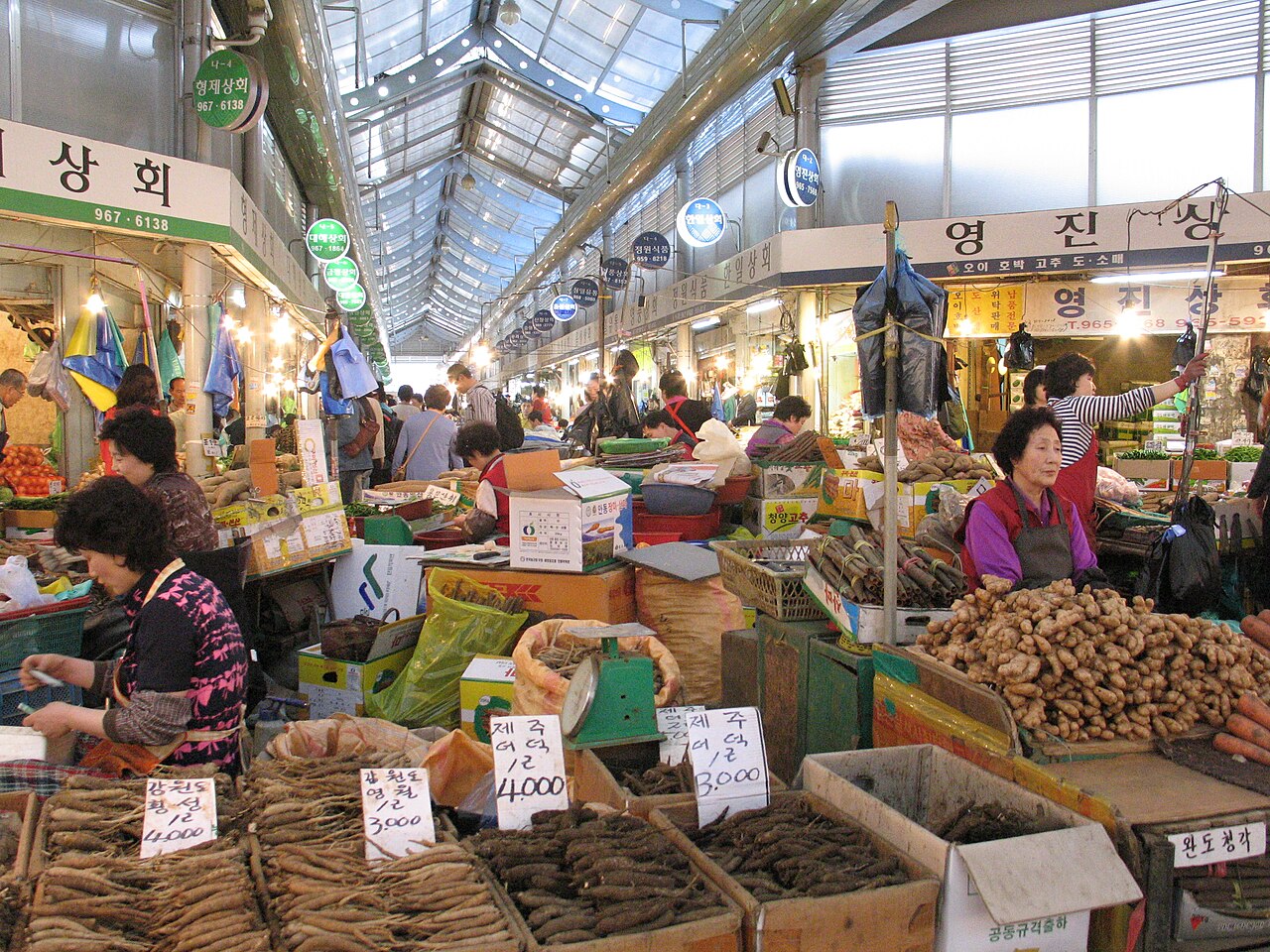
Gyeongdong Market, also known as 경동시장, is a traditional market in Seoul. It is a working commercial place where daily shopping takes place rather than a museum arranged for sightseeing. The market gives visitors a direct view of Seoul’s trading culture, with busy streets, shopfronts, vendors, customers, and the ordinary rhythm of local commerce. Visit it when you want a more grounded city experience alongside Seoul’s palaces, towers, and major attractions. Gyeongdong Market, known locally as 경동시장, is a traditional market in Seoul, South Korea. It operates as a commercial trading place within the capital city. The market is identified by OpenStreetMap way ID 837300606. Seoul serves as the political, economic, and cultural center of South Korea, hosting numerous markets that reflect Korean commercial traditions. Gyeongdong Market contributes to this network of urban trading spaces where vendors and customers conduct daily commerce. Visitors should verify current operating days through official sources before visiting.
Checked 2026-08-26 · Source
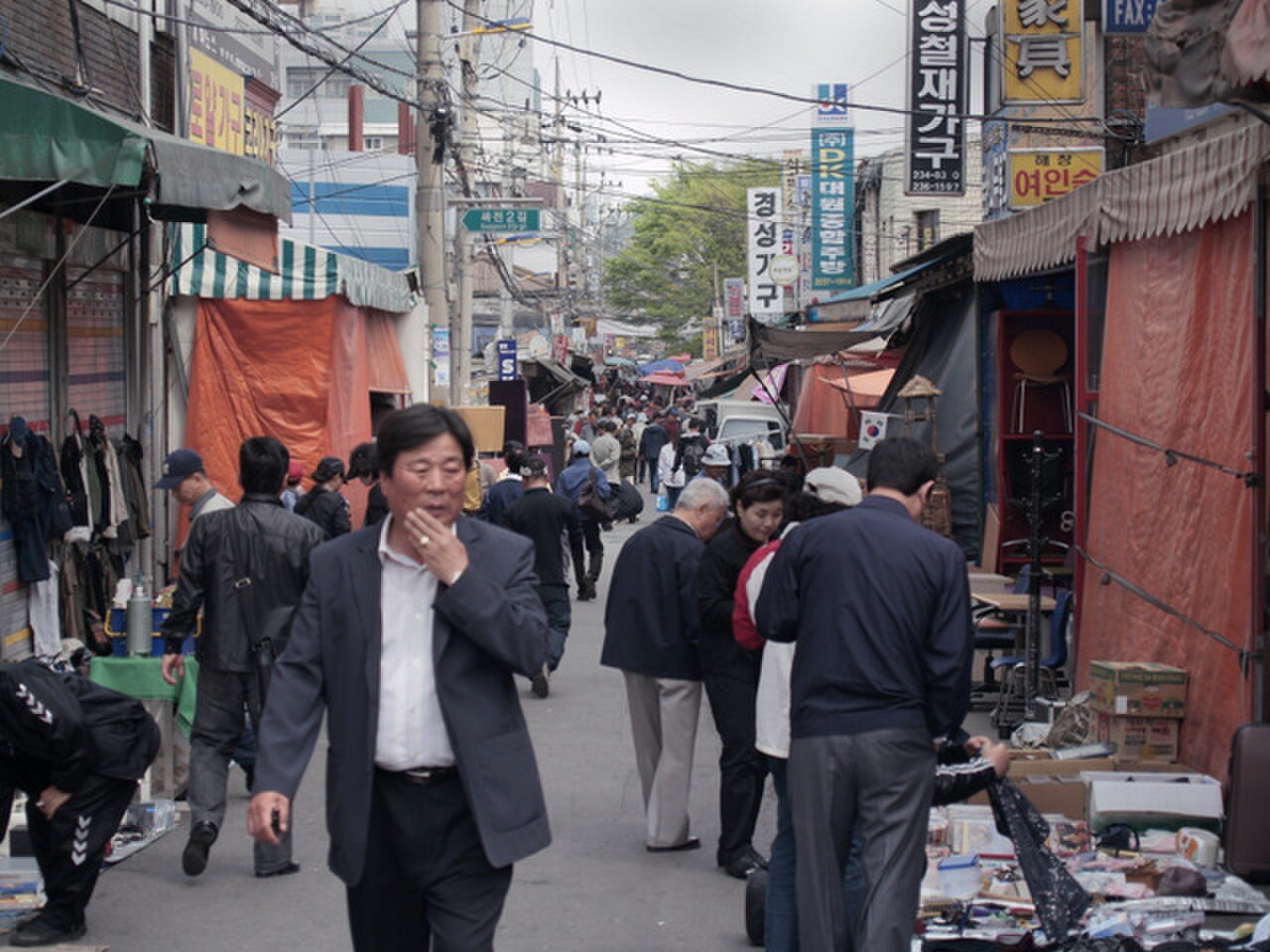
The market is made for browsing rather than following a fixed exhibition route. Walk through the trading areas, look closely at the goods on display, and watch how vendors arrange products for everyday shoppers. Food, household items, clothing, and regional specialties are common features of traditional Seoul markets, while the exact mix changes from one shopfront to another. The surrounding streets add to the experience, so leave time to explore beyond a single aisle. Traditional Seoul markets typically contain stalls selling food items, household goods, clothing, and regional specialties. Visitors should expect a bustling commercial environment characteristic of Korean market culture. Cautious visitors may wish to explore gradually upon arrival to assess available goods and services. A flexible visit lets travellers connect Gyeongdong Market with the rest of the day without treating one room, viewpoint or photograph as the whole experience.
Checked 2026-08-26 · Source
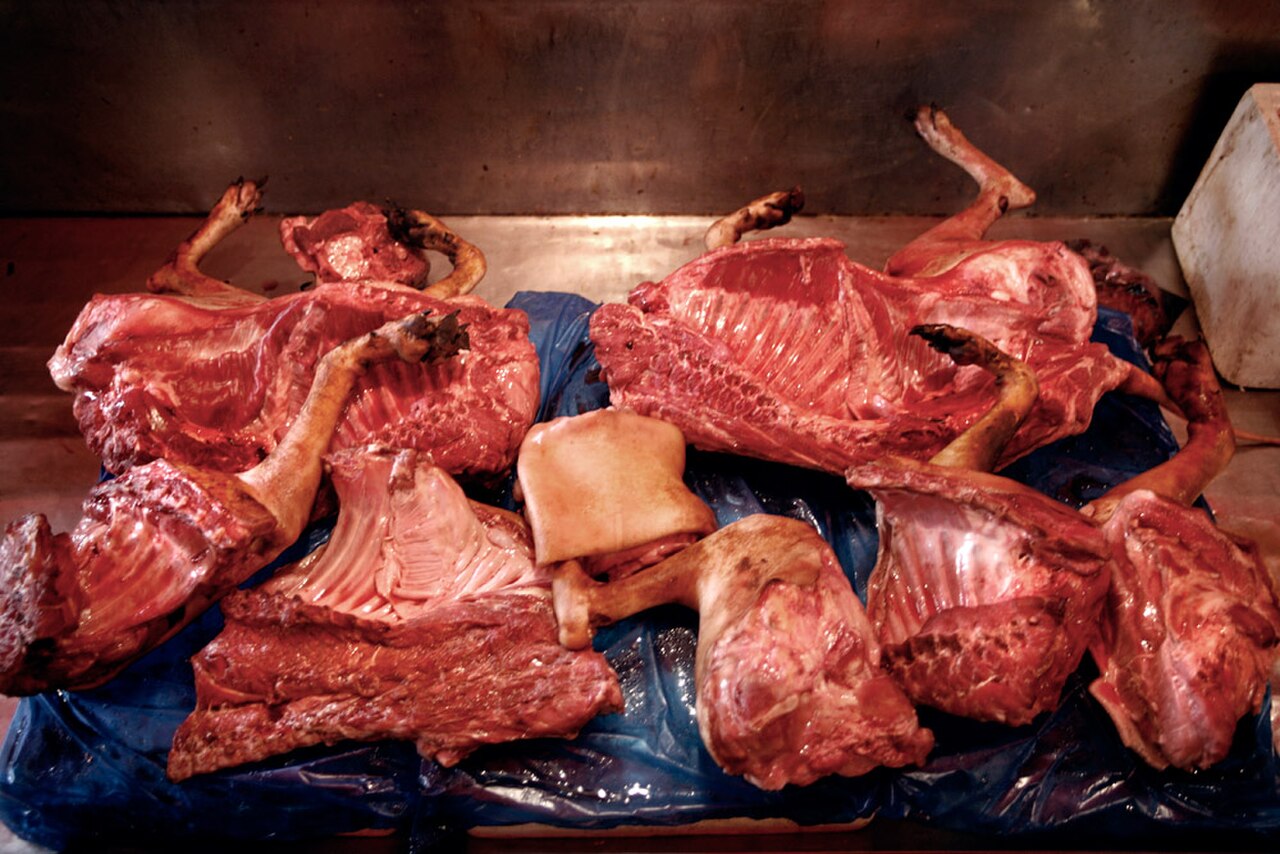
Allow about one to three hours for a satisfying visit, depending on whether you are browsing casually, shopping, eating, or exploring the surrounding streets. A shorter stop works for travelers who want a quick sense of the atmosphere. Give yourself more time if you enjoy comparing displays, observing local routines, or combining the market with other sights in northeastern Seoul. The best pace is unhurried, with room to pause when something catches your attention.
Checked 2026-08-26 · Source
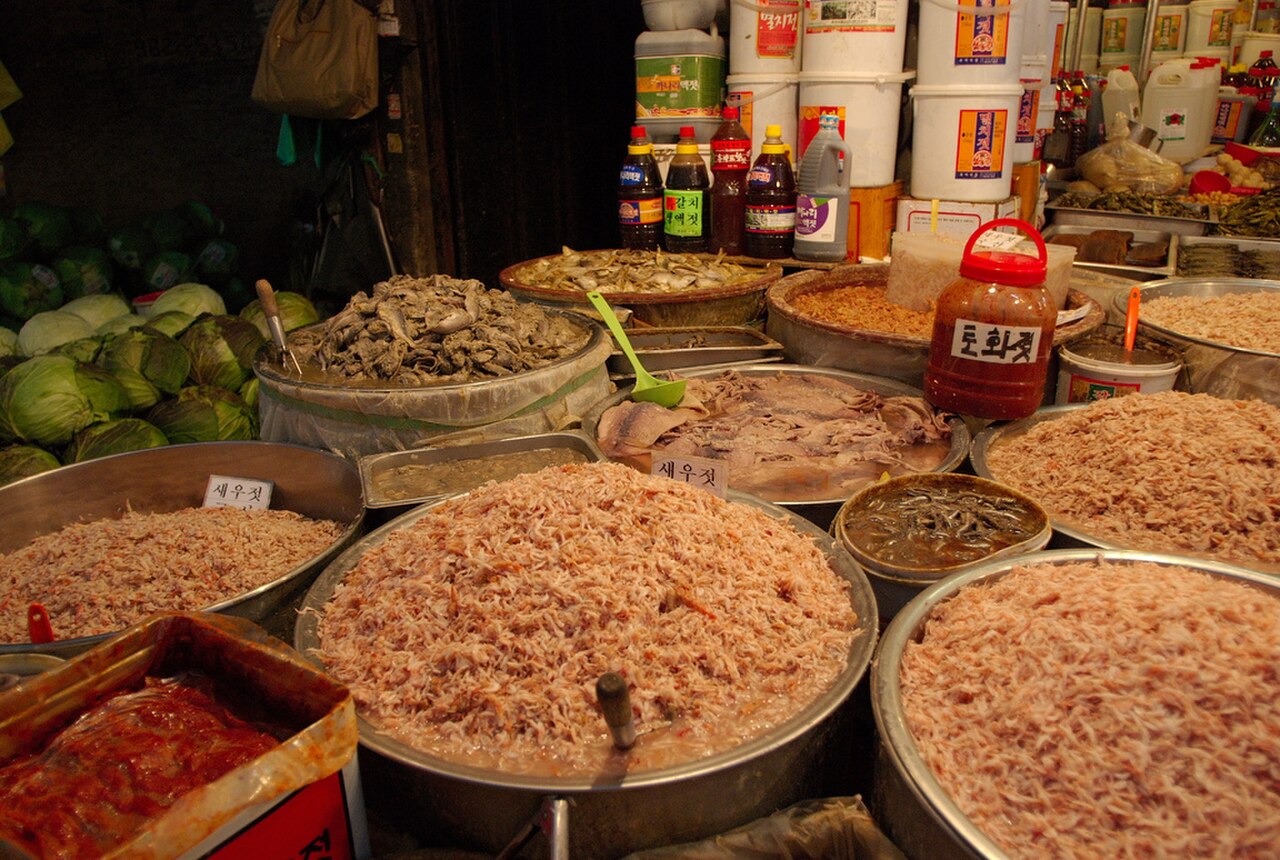
Choose a time when you can enjoy a busy commercial environment without rushing. Market activity changes through the day, and individual businesses may follow their own schedules. Weekends, seasonal periods, and public holidays can alter the atmosphere and availability of particular shops. Comfortable shoes are useful because the visit involves walking and standing. Morning or daytime visits suit travelers who want to see everyday trading at its most active.
Checked 2026-08-26 · Source
Gyeongdong Market is a shopping destination, not a ticketed attraction. You can enter the market area to browse, while purchases and any food or drink bought inside are paid for separately. Carry a payment method that suits small vendors and keep your spending planned before you begin shopping. Prices belong to individual goods and stalls, so the cost of a visit depends on what you choose to buy.
Checked 2026-08-26 · Source
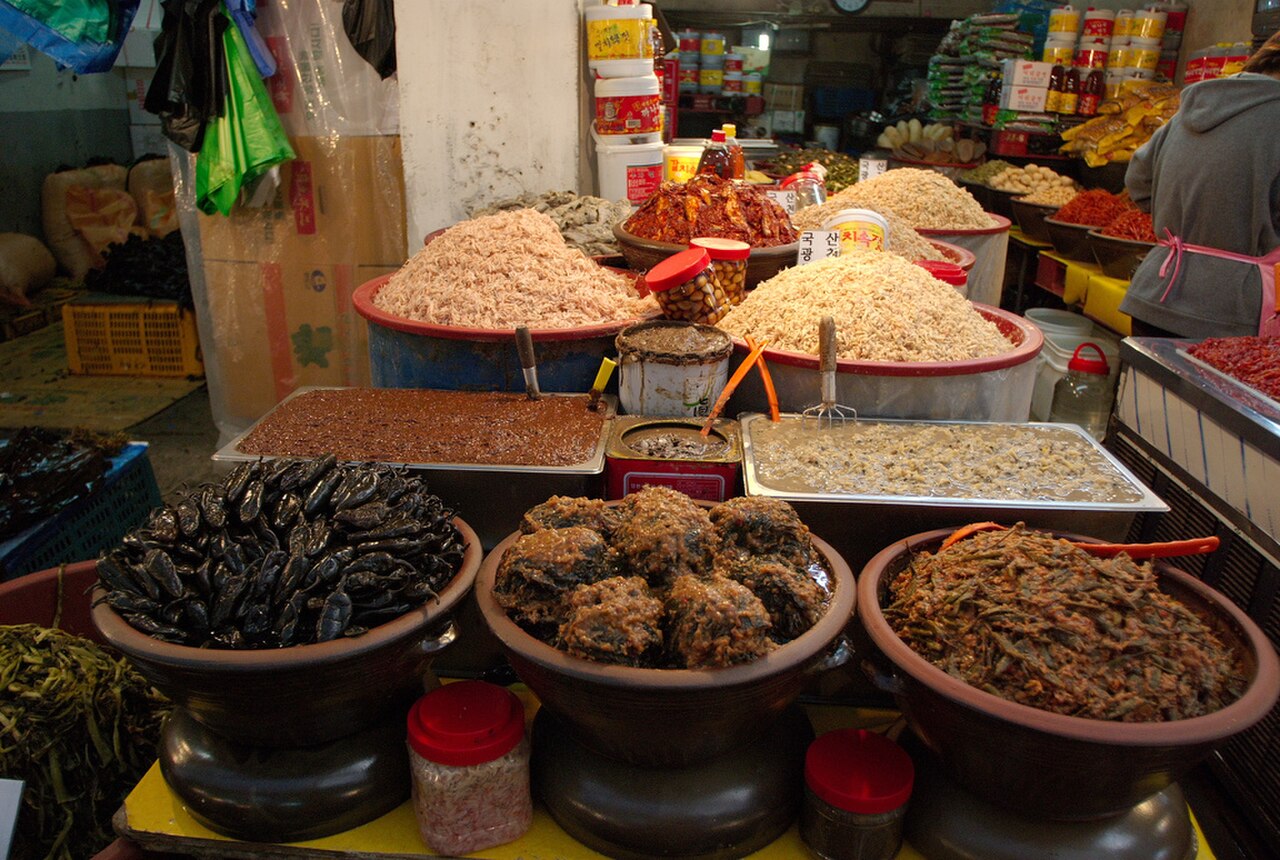
The market is in Seoul and can be incorporated into a day focused on local neighborhoods and traditional commerce. Seoul’s subway and bus network serves the city’s commercial districts, making public transport the practical way to approach the area. Use the market name and the mapped location when planning the final walk from your arrival point. Once nearby, follow the concentration of shops and pedestrian activity into the market streets.
Checked 2026-08-26 · Source
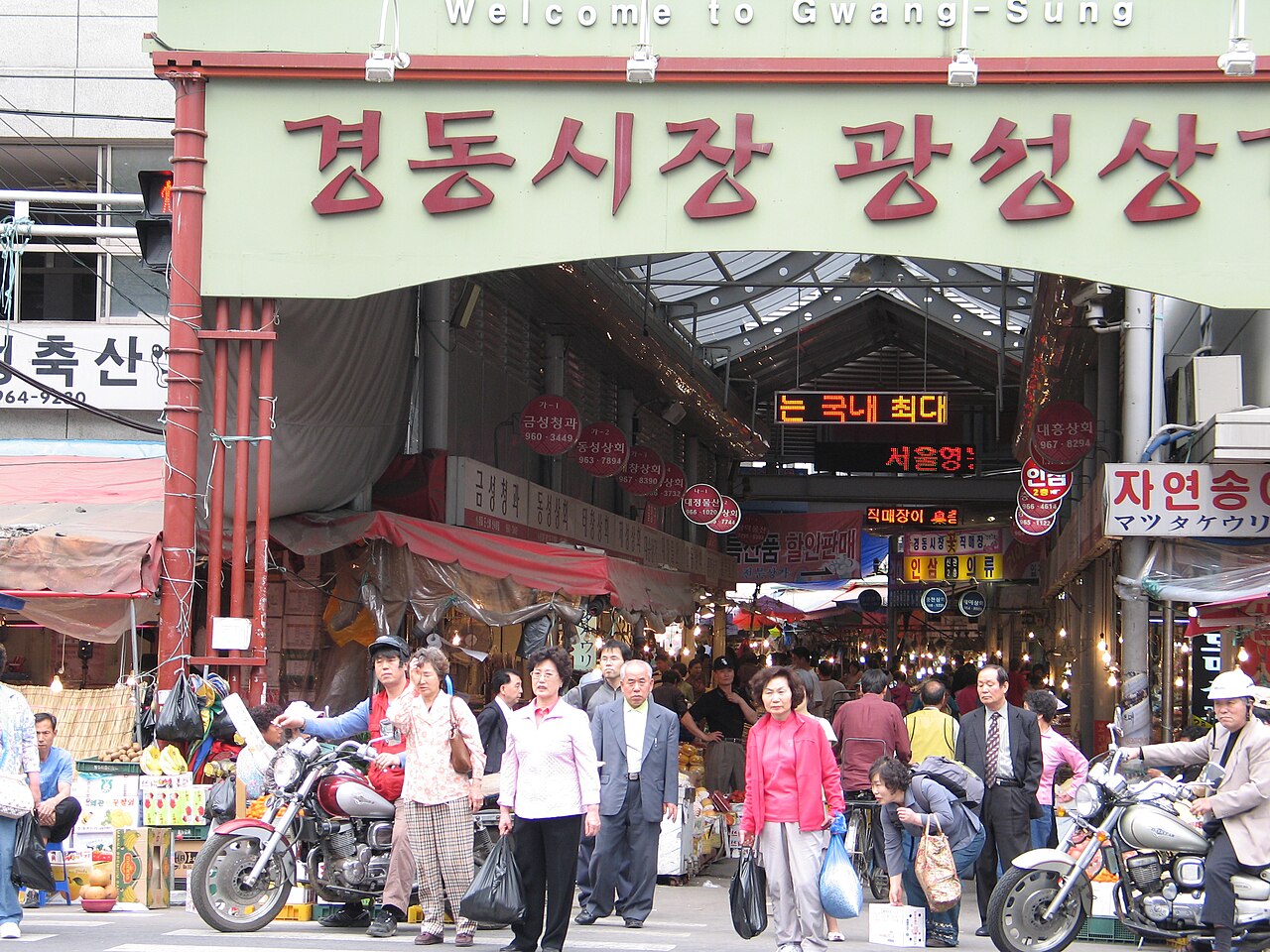
Expect a working market with narrow, busy passages and people carrying purchases. Keep bags close, walk at the pace of the crowd, and avoid blocking shop entrances. Uneven surfaces and changing weather can make comfortable footwear valuable. Ask before handling goods or photographing people. If you eat while walking, choose a position that does not obstruct customers or vendors, and treat the market as a place where local routines take priority.
Checked 2026-08-26 · Source
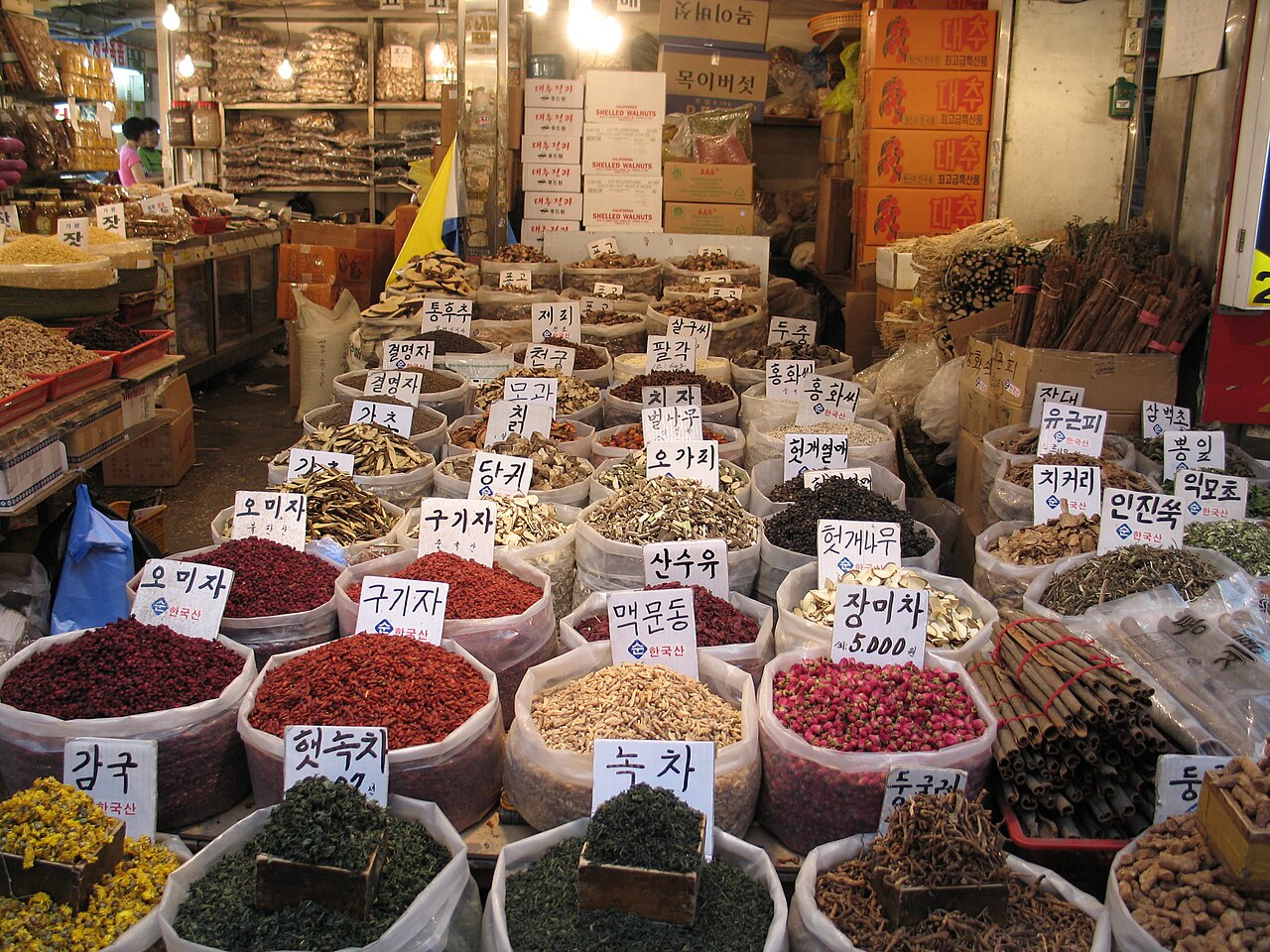
Gyeongdong Market offers photographs of signs, displays, colors, textures, and the movement of a real Seoul shopping district. Focus on stalls and architectural details before turning your camera toward identifiable people. Ask permission when a person is the clear subject, and keep flash away from active selling and food preparation. A compact camera or phone is easier to use in crowded passages than bulky equipment that may inconvenience others.
Checked 2026-08-26 · Source
It is a traditional working market in Seoul, suited to browsing local commerce, shop displays, food, household goods, and the everyday rhythm of a busy neighborhood.
Plan roughly one to three hours, with a shorter visit for a quick look and a longer stay for shopping, eating, and exploring nearby streets.
Browse vendor displays, observe local shopping routines, buy market goods, and explore the surrounding commercial streets at an unhurried pace.
No ticket is needed to browse a working market; visitors pay separately for goods, food, or drinks they choose to purchase.
Wear comfortable shoes, keep personal belongings secure, and carry a payment method suitable for purchases from individual market vendors.
Photograph signs, displays, and market details respectfully. Ask permission before making identifiable people the subject, and avoid flash during trading or food preparation.
Loading the interactive map…
The interactive map could not be loaded.
Last updated:
Source: OpenStreetMap contributors, Wikidata ·