
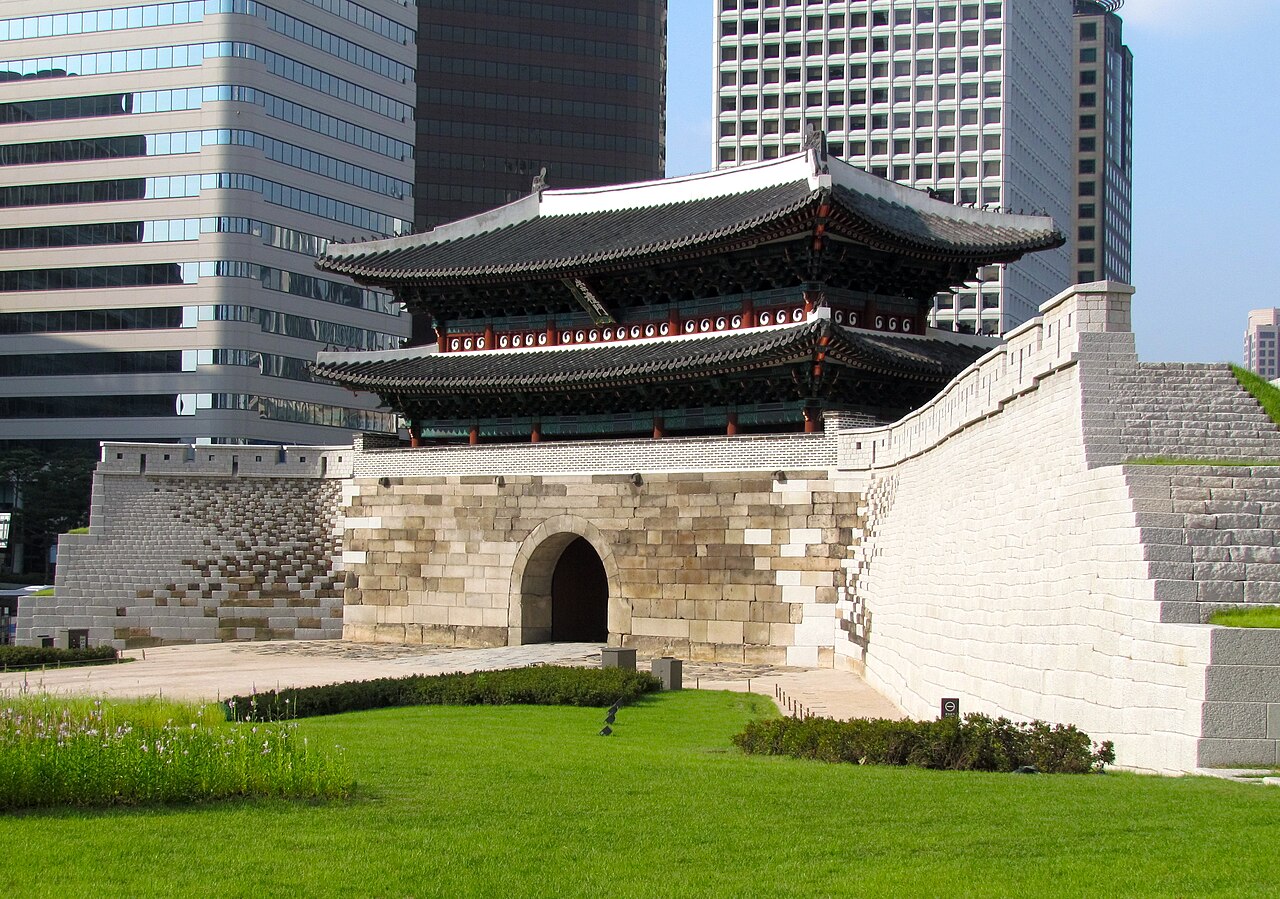
3 min walk
Sungnyemun Gate
- Must see · Heritage site
- Historic monument
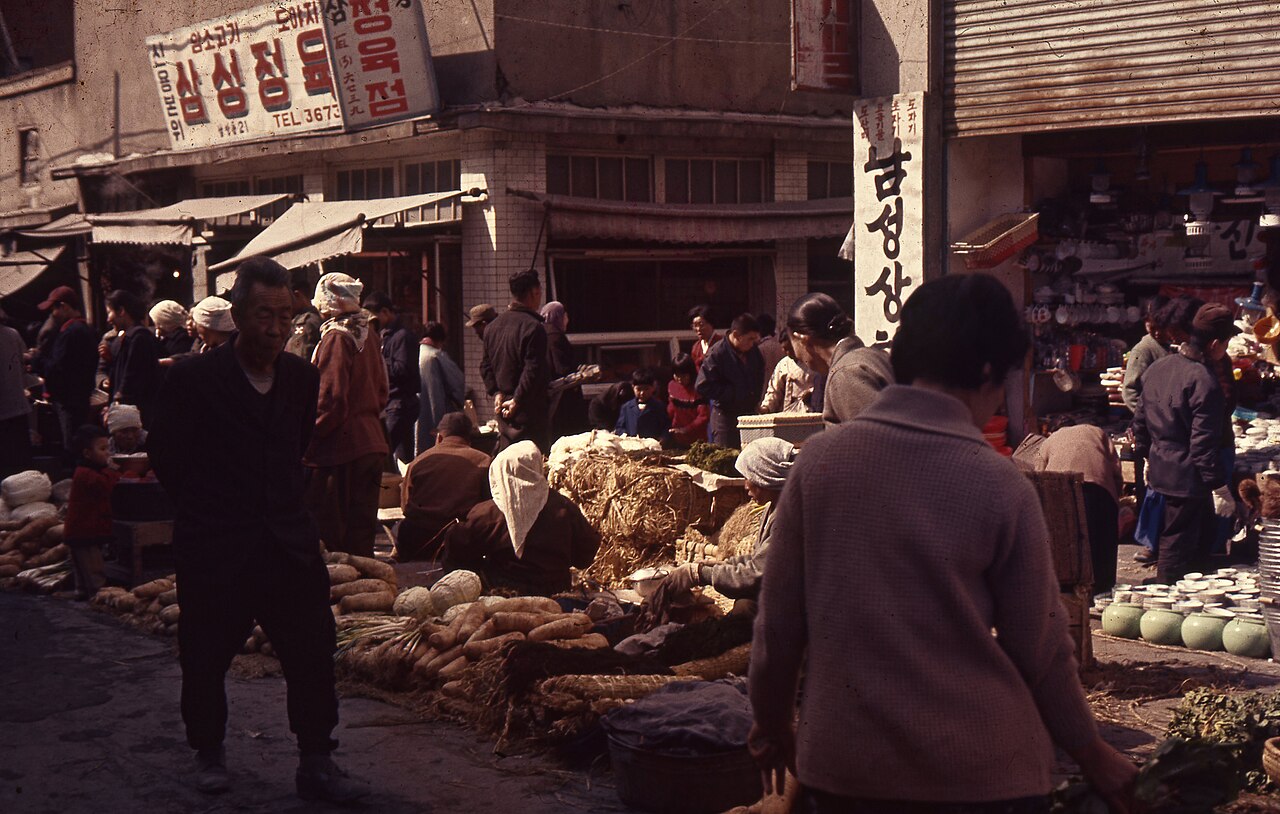
Market · Seoul
남대문시장
Closed today, Sunday. Next open Monday at 00:00 — the planner will not place a stop here on a Sunday.
Plan around it| Monday | 00:00 – 23:00 |
|---|---|
| Tuesday | 00:00 – 23:00 |
| Wednesday | 00:00 – 23:00 |
| Thursday | 00:00 – 23:00 |
| Friday | 00:00 – 23:00 |
| Saturday | 09:00 – 17:30 |
| Sunday | Closed |
Checked 2026-08-31 · Source
| Per person | Free entry |
|---|
Checked 2026-08-31 · Source
Read from the OpenStreetMap access tags; anything not listed has no tag recorded.
Set the group type to family in the planner and the day window contracts to about three quarters of a solo day.
Namdaemun Market, known locally as 남대문시장, is a traditional market in Seoul, South Korea. It stands as one of the oldest and largest retail markets in the country, with a history stretching back centuries. The market sits near the historic Sungnyemun Gate, commonly called Namdaemun, one of Seoul's iconic landmarks. This sprawling commercial district encompasses thousands of vendors selling diverse merchandise across interconnected streets and covered alleyways, forming a dense urban marketplace that serves both local residents and international visitors seeking authentic Korean commercial culture.
Checked 2026-08-31 · Source
The market contains extensive vendor stalls and small shops organized across numerous narrow passageways. Merchandise categories include clothing, textiles, kitchenware, traditional crafts, accessories, and various household goods. Food vendors operate throughout, offering Korean street foods, prepared dishes, and local ingredients. The market structure mixes permanent shopfronts with temporary stall arrangements. Covered sections provide shelter, while open-air corridors remain exposed to weather. The density of commercial activity creates a labyrinthine environment where visitors navigate through tightly packed retail spaces with goods displayed at street level and in multi-level arrangements.
Checked 2026-08-31 · Source
Visitor duration varies considerably based on individual interests and shopping objectives. Casual explorers may spend one to two hours walking primary corridors and observing market atmosphere. Dedicated shoppers examining merchandise, comparing offerings across multiple vendors, and making purchases typically require half a day. Food-focused visitors sampling various stalls need additional time. The market's extensive physical spread and congested pathways slow movement significantly. First-time visitors often underestimate navigation complexity. Those seeking specific items should allocate extra time for locating appropriate vendors within the unmarked, informal organizational structure of the marketplace.
Checked 2026-08-31 · Source
Monday–Friday: market activity 00:00–23:00; typical visitor shopping 09:00–17:30. Saturday: typical visitor shopping 09:00–17:30. Sunday: closed. Namdaemun Market has no single store-wide timetable: individual stalls, specialist streets, and shopping buildings set their own hours, while parts of the wholesale market operate overnight. The market traditionally operates during daytime and evening hours, though specific opening and closing times vary by vendor and section. Some food vendors may commence operations early morning, while clothing and goods sellers maintain different schedules. Weekends typically draw heavier crowds than weekdays. Visitors should anticipate peak congestion during lunch hours and early evening when local workers and residents shop. Weather conditions influence covered versus open-air section viability. Advance verification of current operational status is advisable before planning visits.
Checked 2026-08-31 · Source
Free general entry; purchases, food, and vendor services are charged separately. The market functions as a free-entry commercial district with no admission charge for general access. Individual vendor transactions determine actual visitor expenditure. Prices vary significantly by product category, quality, and vendor positioning. Bargaining may be customary for certain goods but not universally applicable. Cash remains widely preferred, though electronic payment acceptance has increased. Visitors should establish prices before accepting services or consuming food. No standardized pricing structure exists across the decentralized vendor network. Budget planning requires flexibility given the unpredictable range of potential purchases and services.
Checked 2026-08-31 · Source
Take Seoul Subway Line 4 to Hoehyeon (Namdaemun Market) Station. Exit 7 is 17 metres from the official market point; Exits 5–7 serve the wider market area. The Namdaemun Market Tourist Information Center is 80 metres from Exit 5. This is the named approach for an independent visit. The market occupies central Seoul with multiple transportation access points. Subway stations serve the surrounding district, requiring walking through urban streets to reach market entrances. Multiple Seoul Metro lines connect to nearby stations with varying walking distances. Surface transportation including buses operates on surrounding roads. The dense central location means traffic congestion affects vehicle arrival times. Pedestrian navigation from transit stops involves navigating busy commercial streets without always clear directional signage.
Checked 2026-08-31 · Source
The principal market route is a wide, flat road described by Seoul's official accessible-tourism guide as free of obstacles for wheelchair and cane users. Street-level souvenir, handicraft, and food-stall browsing is accessible from this route. The access description applies to the documented visitor route. Crowd density presents primary navigational challenges, with narrow passages becoming impassable during peak periods. Personal belongings require secure management in compressed spaces. Uneven walking surfaces, steps between sections, and occasional wet floors from cleaning or weather demand careful foot placement. Aggressive vendor solicitation occurs in some areas. Language barriers may complicate transactions; minimal English proficiency exists among older vendors. Food hygiene standards vary across informal stalls. The maze-like layout risks disorientation without reliable mobile mapping. Physical stamina is necessary given extended walking on hard surfaces through the expansive market territory without designated rest areas.
Checked 2026-08-31 · Source
Photography opportunities encompass vibrant commercial scenes, food preparation, traditional merchandise displays, and architectural juxtapositions of old market structures against modern Seoul. Candid street photography captures authentic market atmosphere. Lighting conditions vary dramatically between covered sections with artificial illumination and open corridors with natural light. Vendor permission should precede close-up photography of individuals or proprietary goods. Crowded conditions complicate tripod use and deliberate composition. Early morning offers softer light and reduced congestion. Evening hours provide artificial lighting atmosphere but increased movement blur challenges. Respect for commercial privacy and cultural sensitivities should guide all photographic activity.
Checked 2026-08-31 · Source
Market activity is listed as 00:00–23:00 on weekdays, while the current visitor-shopping guide gives 09:00–17:30 as the representative daytime schedule. Individual stalls and buildings set their own hours.
Sunday is the market-wide weekly closure day.
No. General entry is free; visitors pay only for goods, meals, and other vendor services.
Hoehyeon (Namdaemun Market) Station on Seoul Subway Line 4 is nearest; Exit 7 is 17 metres from the official market point.
Yes. Seoul's accessible-tourism guide describes the principal market road as wide, flat, and unobstructed for wheelchair and cane users.
The Namdaemun Market Tourist Information Center provides maps, guidebooks, interpretation, and reservation assistance in English, Chinese, and Japanese from 10:00 to 19:00.
Loading the interactive map…
The interactive map could not be loaded.
Last updated:
Source: OpenStreetMap contributors, Wikidata ·