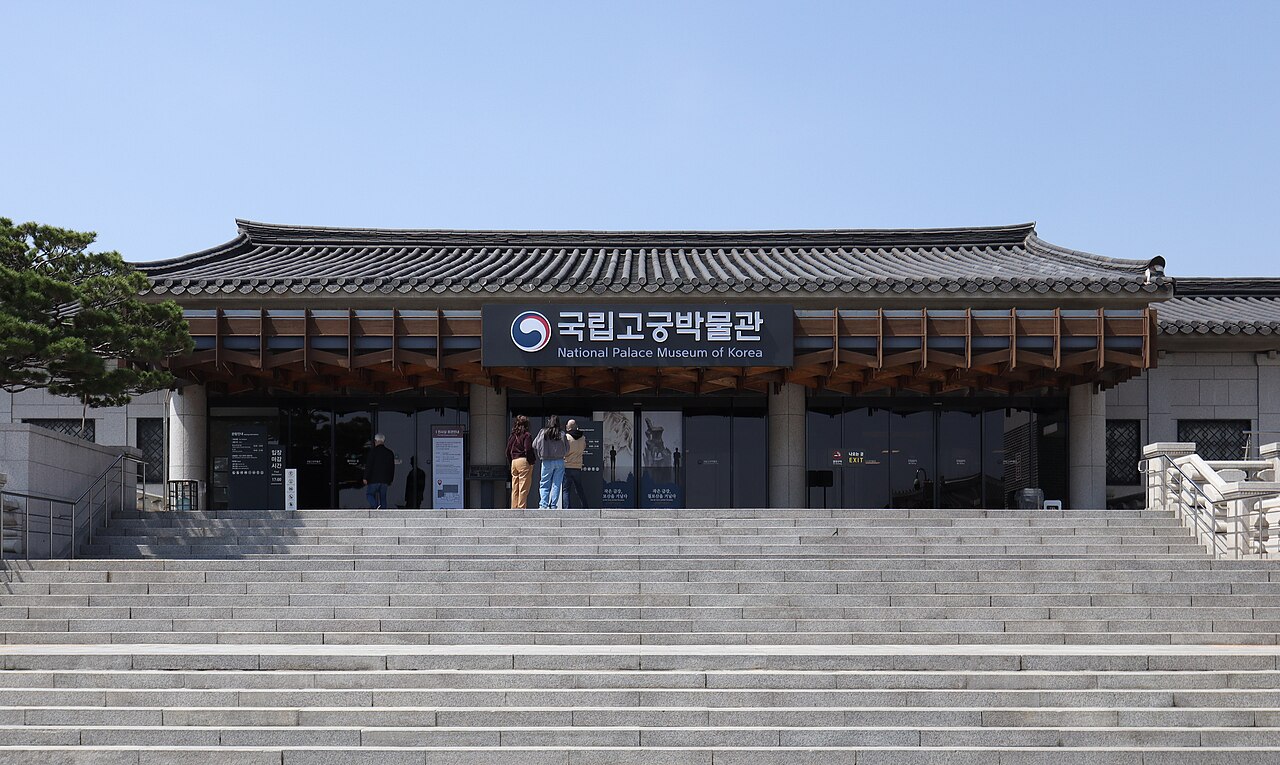
8 min walk
National Palace Museum of Korea
- Must see
- Museum
Market · Seoul
통인시장
Tongin Market is a traditional Korean market located in the Jongno district of Seoul. It operates as a covered alleyway market with numerous small vendors selling various goods. The market has historical significance as one of Seoul's older neighborhood markets, serving local residents for generations. It is known particularly for its distinctive dosirak (lunchbox) system where visitors can assemble customized meals using yeopjeon, traditional brass coins. The market represents a preserved example of Seoul's traditional market culture amid urban development. Its location near Gyeongbokgung Palace and other historic sites makes it part of a culturally significant district. The market maintains an authentic atmosphere distinct from more commercialized tourist destinations.
Checked 2026-08-26
The market contains numerous food stalls and small restaurants offering Korean street food and traditional dishes. Vendors sell various prepared foods including tteokbokki, jeon, mandu, and numerous banchan side dishes. The signature dosirak cafe allows visitors to select items from multiple stalls to create personalized lunchboxes. Non-food items including household goods and traditional products may also be available from some vendors. The narrow covered alley creates an intimate shopping environment. Individual stalls operate with varying specializations, creating a diverse culinary landscape within compact quarters. The market's layout follows traditional Korean market architecture with closely packed vendors under a protective roof structure.
Checked 2026-08-26
A typical visit to Tongin Market requires approximately one to two hours for casual exploration and dining. Visitors intending to experience the dosirak system should allow additional time for selecting items from multiple stalls. The compact physical layout permits efficient circulation despite the narrow walkways. Meal consumption at designated seating areas extends visit duration. Photography enthusiasts may require extra time to capture market atmosphere and food presentation. Combination visits with nearby Gyeongbokgung Palace or Seochon village naturally extend overall time allocation. The market suits brief stops for quick meals or extended browsing depending on individual interest in traditional market culture and Korean street food variety.
Checked 2026-08-26
Visitors should verify current operating schedules through official channels before planning visits. Traditional markets in Seoul typically operate during daytime hours with reduced activity in early morning and evening periods. Weekday visits may offer less crowded conditions compared to weekends when both tourists and local residents converge. Seasonal considerations affect Seoul generally, with spring and autumn providing comfortable temperatures for walking through the covered but unclimate-controlled market space. Rainy season humidity and winter cold may impact comfort during visits. Holiday periods in Korea may disrupt normal market operations, requiring advance confirmation of accessibility. Check the operator's own site for the travel date before relying on a schedule or fare.
Checked 2026-08-26
The dosirak system historically involved purchasing yeopjeon coins to exchange for food portions at participating stalls, though specific current pricing is unverified. Individual stall items are purchased directly from vendors with variable pricing. No general admission fee applies for market entry. Visitors should carry cash as many traditional market vendors may not accept card payments. Exact pricing for food items, portion sizes, and any coin exchange systems requires on-site verification. Budget considerations should account for multiple small purchases when assembling meals from various sources. Cost-effectiveness relative to restaurant dining depends on selections made. Check the operator's own site for the travel date before relying on a schedule or fare.
Checked 2026-08-26
Tongin Market is situated in Jongno-gu, Seoul, accessible via Seoul's extensive public transportation network. The nearest subway station is Gyeongbokgung Station on Line 3, requiring subsequent walking through residential streets. Additional walking from Gwanghwamun area or other nearby palace district locations is feasible for visitors already exploring historic Seoul. Bus routes serve the broader Jongno district with stops requiring navigation on foot. Taxi and rideshare services provide direct access though drivers may require specific address confirmation. The market's location within Seochon's traditional neighborhood means approach through narrow streets unsuitable for large vehicles. Walking from nearby accommodations in central Seoul is practical for many visitors.
Checked 2026-08-26
The narrow market alleyways become congested during peak visitation periods, requiring patience and awareness of surrounding foot traffic. Food handling standards vary across individual vendors; visitors should apply standard street food precautions regarding freshness and preparation conditions. The covered structure provides limited ventilation, concentrating cooking aromas and heat from food preparation. Wet floors from cleaning or spillage present slip hazards typical of traditional markets. Language barriers may complicate transactions with vendors lacking English proficiency; pointing and basic Korean phrases assist communication. Seating availability for dosirak consumption is limited and may require waiting during busy periods. Personal belongings require attention in crowded conditions.
Checked 2026-08-26
The market offers authentic visual documentation of traditional Korean market culture with densely packed stalls and food displays. Close-up photography of prepared foods and vendor activities captures distinctive market character. The covered alley creates challenging lighting conditions with mixed artificial and natural light sources. Narrow passages restrict tripod use and may obstruct pedestrian flow. Vendors should be approached respectfully before photographing individuals or proprietary food preparation methods. The dosirak assembly process provides sequential photographic narrative opportunities. Colorful food presentations and traditional market architecture yield strong compositional elements. Morning hours potentially offer superior lighting through alley openings and reduced crowd interference with photographic intentions.
Checked 2026-08-26
Visitors should verify current schedules through official channels before visiting.
Pricing requires on-site verification at the market. Check the operator's own site for the travel date before relying on a schedule or fare.
English proficiency varies among individual vendors. Basic Korean phrases, pointing, and translation applications assist communication.
Many traditional market vendors operate cash-only. Visitors should carry sufficient Korean won for purchases.
Korean street food typically contains meat, seafood, or fish-based ingredients. Vegetarian visitors should verify individual items directly with vendors.
The market is within walking distance of Gyeongbokgung Palace in the adjacent Seochon neighborhood. Walking directions through residential streets are required.
Loading the interactive map…
The interactive map could not be loaded.
Last updated:
Source: OpenStreetMap contributors, Wikidata ·