
5 min walk
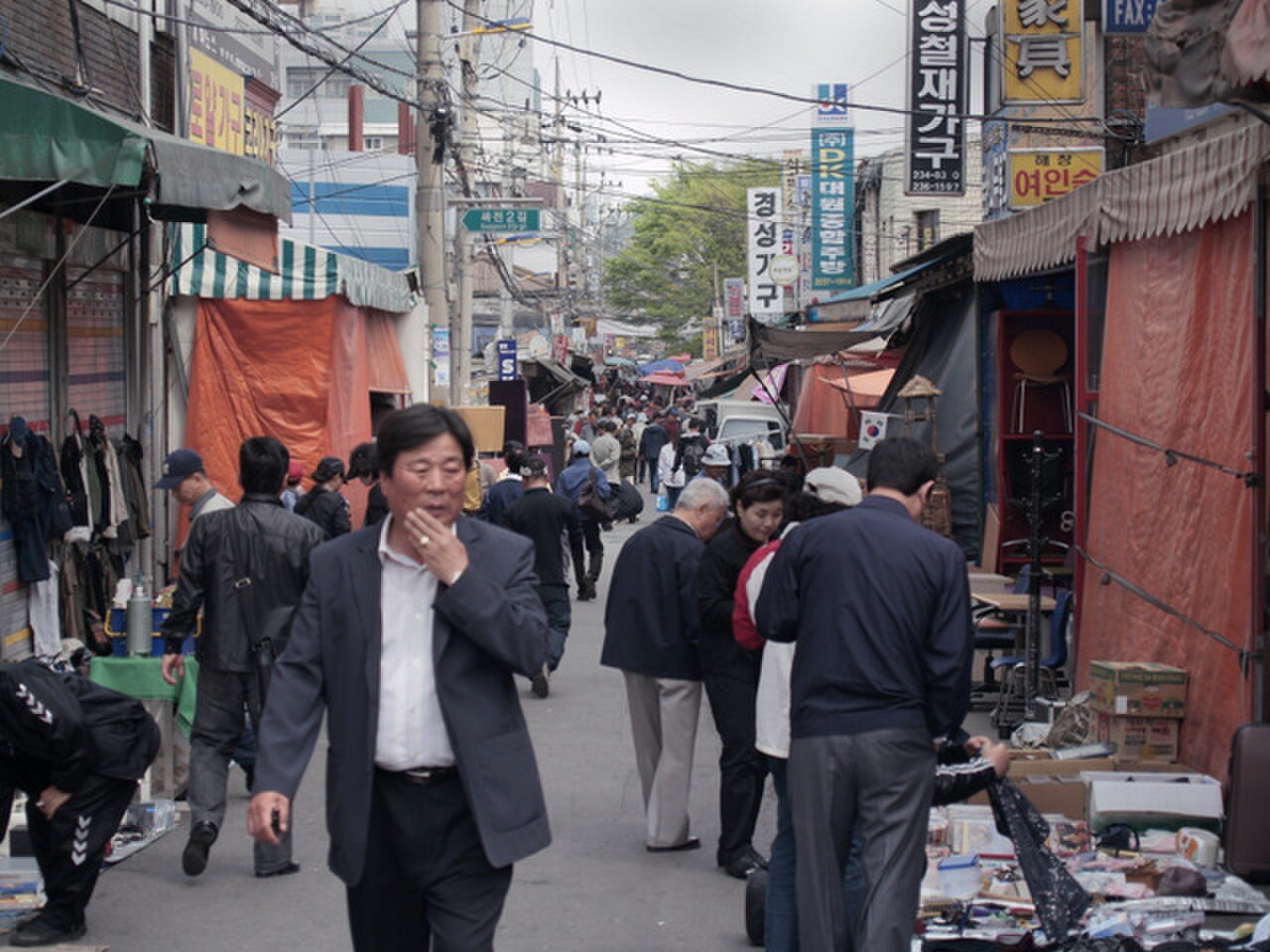
Hwanghak-dong Flea Market
- High
- Market

Historic monument · Seoul
동묘
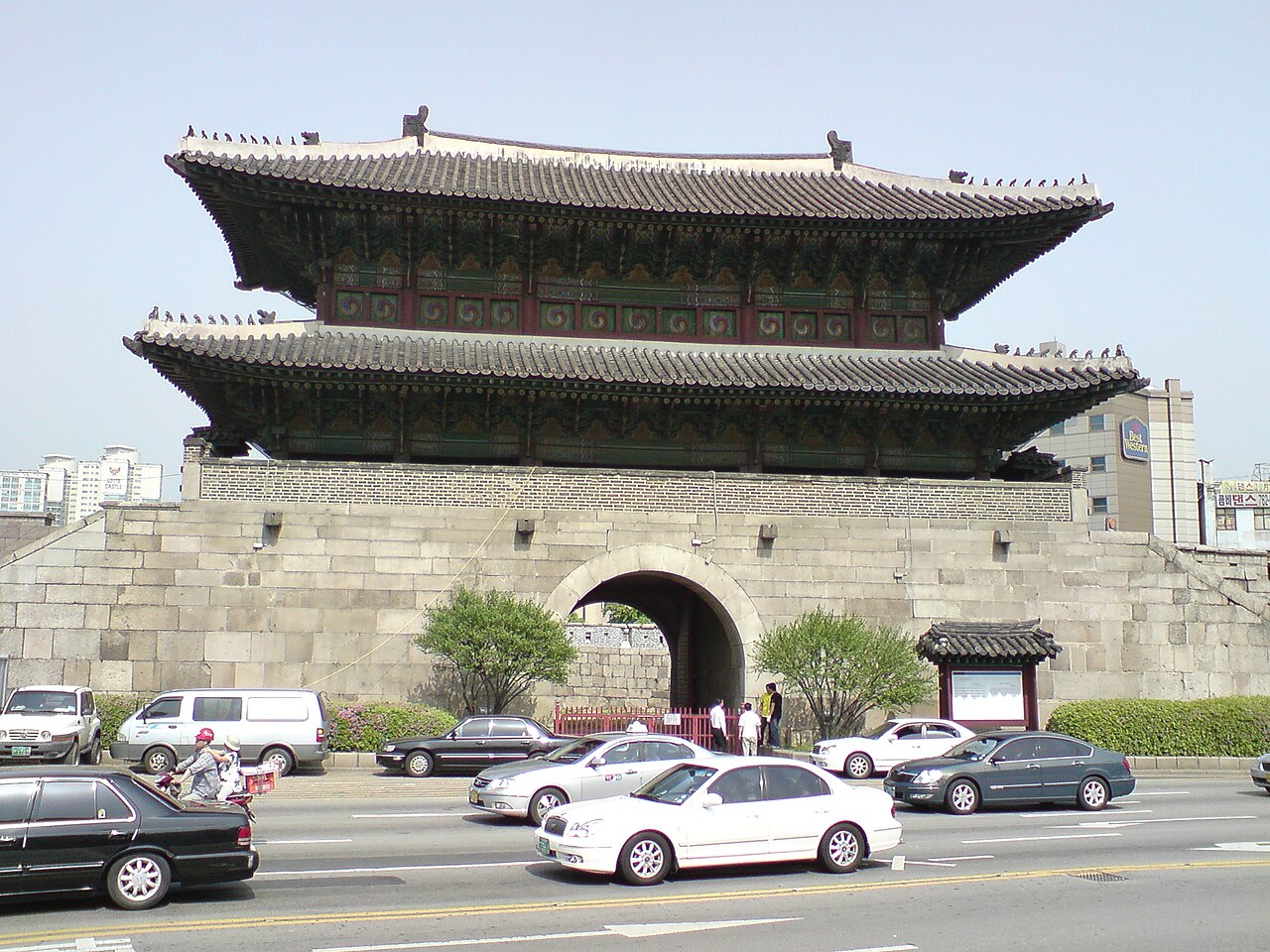
Dongmyo, written in Korean as 동묘, is a historic place within Seoul’s older cultural landscape. The site suits travellers who want to encounter heritage as part of the living city rather than only through a large museum or palace complex. Its setting connects historic character with modern Seoul streets, making Dongmyo a natural stop during a neighbourhood walk through the capital’s older urban fabric. Dongmyo, known locally as 동묘, is a historic place in Seoul embedded within the city’s older cultural landscape. Its identity is tied to the character of a heritage setting rather than a large museum collection or palace complex. The visit suits travelers interested in encountering Seoul’s historic urban fabric alongside better-known royal and cultural destinations. Dongmyo, known locally as 동묘, is a historic site in Seoul, South Korea. The place carries cultural significance within the urban fabric of the capital city. Visitors encounter a space embedded in Seoul's historical landscape. Cautious visitors should approach with awareness that comprehensive documentation may require on-site inquiry or consultation with local heritage authorities for authoritative interpretation.
Checked 2026-08-26 · Source
The visit centres on the historic setting and the details visible as you move through it. Look for traditional Korean architectural forms, rooflines, masonry, gateways, courtyards, and cultural markers connected with the place. Dongmyo is best experienced slowly, with attention to how the heritage setting sits beside ordinary Seoul streets. The attraction is the relationship between the historic environment and the modern neighbourhood around it. The experience centers on the historic setting itself: traditional Korean architectural details, visible markers of cultural significance, and the relationship between the site and surrounding Seoul streets. Move slowly through the area, studying rooflines, masonry, gateways, courtyards, or commemorative features as they come into view. Dongmyo is best approached as a place-based heritage stop rather than a gallery sequence. Based on its classification as a place of interest in Seoul, visitors may anticipate structures or markers of cultural relevance typical of historic Korean sites.
Checked 2026-08-26 · Source
Dongmyo works well as a short heritage stop within a longer Seoul route. Give yourself enough time to walk through the setting, examine architectural details, and take photographs without rushing. The surrounding district can extend the visit into a broader neighbourhood walk, especially when combined with other historic places, markets, or streets. Your pace and interest in the setting will determine whether the stop remains brief or becomes a longer exploration.
Checked 2026-08-26 · Source
Spring and autumn provide comfortable conditions for walking through Seoul’s outdoor heritage settings. Summer heat and humidity can make a neighbourhood route tiring, while winter requires warm clothing. Daylight makes roof forms, masonry, gateways, and the relationship with surrounding streets easier to read. A quieter period gives more room for respectful observation and photography, particularly if other visitors are moving through the same historic setting.
Checked 2026-08-26 · Source
Plan Dongmyo as a separate historic stop within Seoul rather than as part of the admission arrangements for the city’s major palace complexes. The value of the visit comes from the cultural setting, architectural details, and connection with the surrounding neighbourhood. Pairing Dongmyo with nearby heritage sights can create a fuller route, but separate attractions retain their own entry arrangements and should be treated independently.
Checked 2026-08-26 · Source
Dongmyo sits within Seoul’s extensive subway, bus, and taxi network. Use the mapped location as your navigation point, then follow the pedestrian approach through the surrounding streets. Seoul’s dense layout means the final walking portion matters as much as the vehicle journey. Plan time for the neighbourhood route itself, because the transition between modern streets and the historic setting forms part of the cultural experience.
Checked 2026-08-26 · Source
Historic places can include uneven paving, steps, changing levels, and surfaces that become slippery after rain. Stay on public paths, keep away from restricted areas, and behave respectfully if the setting has ceremonial or commemorative importance. The surrounding streets bring traffic and crowds, so pay attention while walking. Light luggage makes the neighbourhood-based visit easier, especially when you plan to continue through nearby streets afterward.
Checked 2026-08-26 · Source
Photograph Dongmyo as part of its historic streetscape, giving attention to both traditional architectural details and the modern Seoul setting around them. Daylight helps reveal masonry, timber, roof forms, and neighbourhood texture. Maintain respectful distances around people, commemorative elements, and restricted areas. Keep cameras and tripods out of the way of visitors using the paths, so photography does not interrupt the movement through this living urban environment.
Checked 2026-08-26 · Source
Dongmyo is a historic place in Seoul, written locally as 동묘, and forms part of the capital’s older cultural landscape.
The visit focuses on a historic setting, traditional architectural details, cultural markers, and the relationship between heritage and modern Seoul streets.
Yes. Dongmyo works well as a heritage stop within a broader walk through Seoul’s surrounding historic urban streets.
Spring and autumn are comfortable for outdoor walking. Summer can be hot and humid, while winter can be cold and requires warm clothing.
Watch for uneven paving, steps, wet surfaces, traffic, crowds, and restricted areas around the historic setting.
Dongmyo is written in Korean as 동묘.
Loading the interactive map…
The interactive map could not be loaded.
Last updated:
Source: OpenStreetMap contributors, Wikidata ·