This place is a Museum.
It was built in the Neoclassical architecture style.
It carries the Cultural Asset part of the cultural heritage of Catalonia heritage designation.
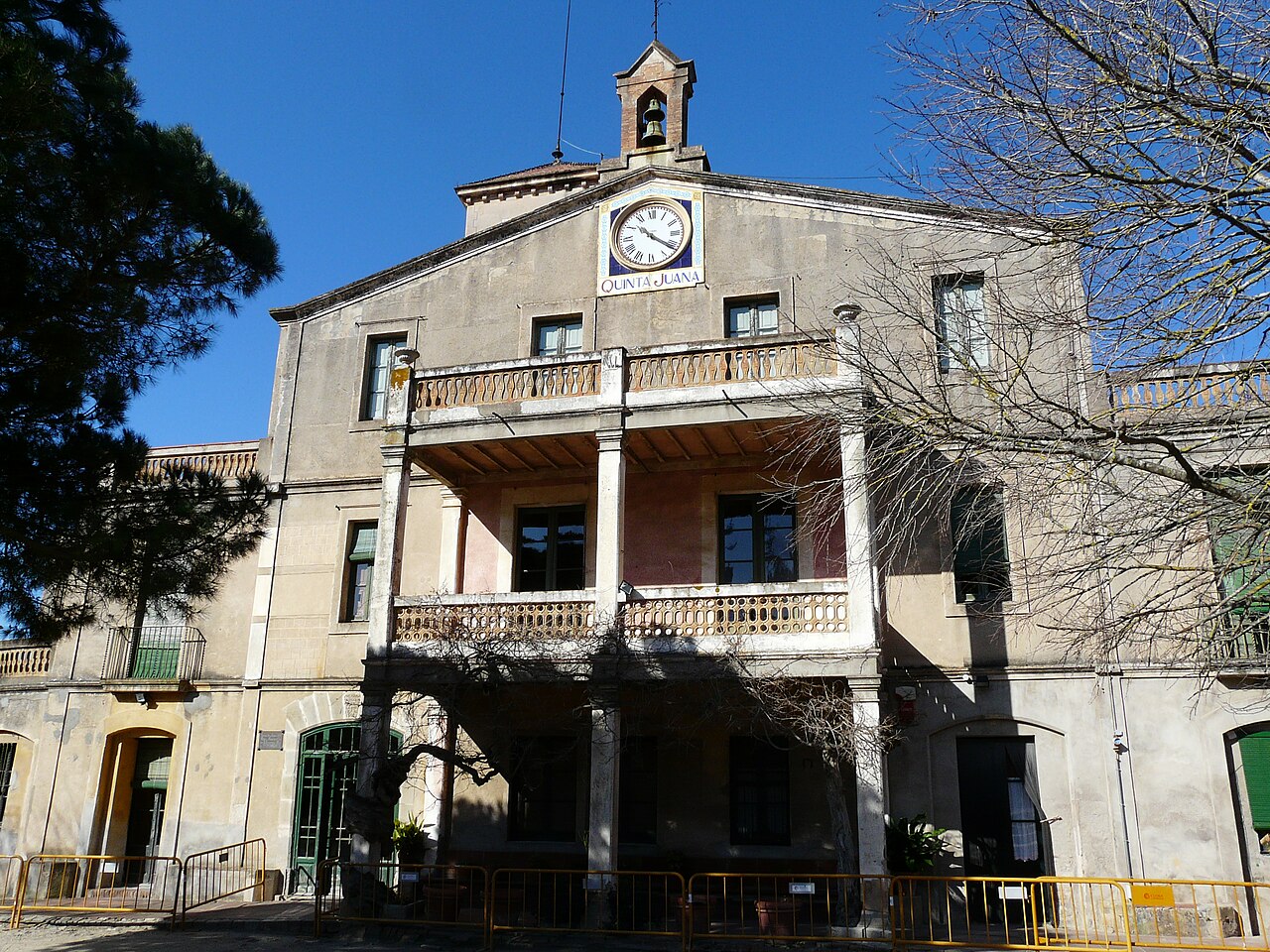
Vil·la Joana is a historic villa in Barcelona’s wider cultural landscape. Its value for travellers lies in the character of a preserved residential building and the chance to encounter architecture away from the city’s busiest landmark routes. The villa is best approached as a heritage setting, where the building’s form and relationship with its surroundings matter as much as any individual decorative feature. Vil·la Joana is a historic villa located in Barcelona, Spain. The building represents a notable example of residential architecture within the city's urban landscape. Situated in a prominent position, it contributes to the architectural heritage that characterises Barcelona's diverse built environment. The structure reflects design traditions associated with its period of construction, offering visitors an opportunity to observe historical building techniques and stylistic elements. As part of Barcelona's cultural inventory, Vil·la Joana stands as a testament to the city's evolving architectural narrative and the residential patterns of past eras. Public accessibility has not been confirmed through authoritative sources. No admission costs have been verified.
The villa’s identity is rooted in residential architecture and the spaces created for domestic life. Visitors should focus on the building’s proportions, façades, openings, materials and relationship with the surrounding neighbourhood. The available guide identifies Vil·la Joana as a historic villa but does not establish a detailed room-by-room collection or exhibition route. Its architectural presence therefore forms the clearest basis for experiencing the site. Any original fixtures, artworks, or historical artefacts that might be present require verification from operator sources. The current functional use of the interior—whether residential, institutional, exhibition, or another purpose—has not been established through available references. Prospective visitors are advised to seek direct confirmation regarding accessibility and contents.
A brief exterior stop can take only a few minutes, giving enough time to view the villa’s form and take contextual photographs. If interior areas or a broader heritage presentation form part of your visit, allow longer and keep the surrounding itinerary flexible. The site works best as one element in a Barcelona architecture walk, paired with nearby streets, gardens or other historic buildings rather than treated as a full-day attraction. Without confirmed information regarding interior accessibility, grounds extent, or interpretive materials, visitors must exercise judgement.
Spring and autumn are comfortable seasons for viewing the villa from surrounding public areas, with milder conditions for walking. Daylight is useful for reading the building’s façades, materials and architectural details. Plan the stop as part of a daytime route, especially if your interest is primarily exterior architecture. Weather can affect the comfort of an outdoor observation, while the surrounding Barcelona neighbourhood remains worth exploring in any season.
Vil·la Joana should be treated as a heritage property whose visitor experience depends on the areas available to the public. For an exterior viewing, the main activity is observing the building from appropriate public surroundings. If your route includes any organised interior access, plan that element separately from a simple architectural walk. The villa’s appeal comes from its historic residential character, so the outing remains worthwhile even when approached as an exterior landmark.
Use the Vil·la Joana location in Barcelona mapping and routing tools to plan the final approach from your accommodation or the nearest transit connection. Barcelona’s metro, bus and regional rail systems link the city’s districts, while walking and cycling can suit a neighbourhood-based itinerary. Historic properties may sit away from broad avenues, so allow time for local streets and the final pedestrian section. Parking is often more constrained around heritage buildings than on arterial roads.
Treat the villa as a heritage property and respect boundaries, entrances and nearby residents. Barcelona’s busy districts require ordinary care with phones, wallets and bags, particularly while navigating or photographing. Watch your footing around older paving and building edges. Keep the visit quiet and avoid blocking access for local people. Comfortable shoes, water and weather protection make a short architectural walk easier, especially when the route includes hills or uneven streets.
Vil·la Joana is well suited to exterior architectural photography. Work from public areas, frame the villa with its surrounding streets or landscape and use daylight to bring out façades, openings and materials. Keep equipment compact where pedestrian space is limited. Do not cross boundaries or photograph into private areas. A series of wider context images can communicate the villa’s place within Barcelona more effectively than isolated close-ups of architectural details.
Vil·la Joana is a historic villa in Barcelona, valued as an example of residential architecture and as a heritage setting within the city’s wider cultural landscape.
What should I look at when visiting Vil·la Joana?
Focus on the villa’s façades, proportions, openings, materials and relationship with its surroundings. The building’s residential character is the clearest feature for a visitor to appreciate.
How long does an exterior visit take?
A brief exterior stop can take a few minutes. Allow longer if you are photographing architectural details or incorporating the villa into a wider neighbourhood heritage walk.
Is Vil·la Joana suitable for an architecture walk?
Yes. Its historic residential character makes it a natural component of a Barcelona architecture route, especially when combined with nearby streets, gardens and other heritage buildings.
What should I bring for a visit to Vil·la Joana?
Comfortable shoes, water and protection from the weather are useful for a neighbourhood walk. A compact camera also suits the exterior architectural focus without obstructing pedestrian space.
How should I photograph Vil·la Joana?
Photograph from public surroundings, using daylight to show the façades, openings and materials. Include nearby streets or landscape for context, and respect property boundaries and local privacy.
Nothing non-essential is set before you choose, in regions where consent is required. If you decline, ads still appear and analytics is switched off entirely.