
1 min walk
Skansen Aquarium
- High
- Family attraction
Museum · Stockholm
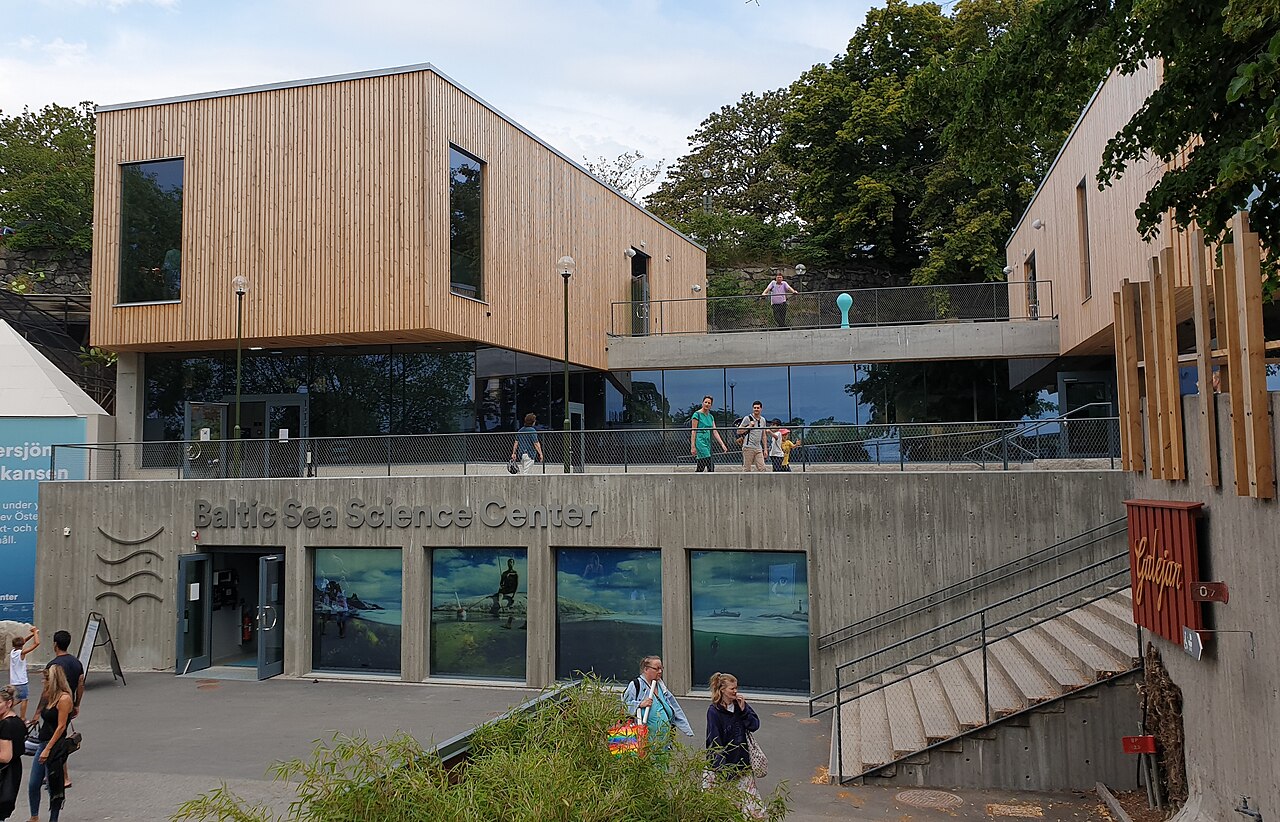
Baltic Sea Science Center is an educational venue in Stockholm devoted to marine science and the Baltic Sea ecosystem. It offers a learning-focused experience rather than conventional entertainment, placing regional water ecology at the centre of the visit. The venue suits travellers who want to understand the distinctive conditions of the Baltic Sea and Sweden’s relationship with surrounding waters. Plan it as an indoor cultural stop within a wider Stockholm day. The Baltic Sea Science Center is an educational facility in Stockholm focused on marine science and the Baltic Sea ecosystem. It serves as a venue for public engagement with aquatic environmental topics, presenting research and raising awareness about the sea's unique conditions. The center occupies a dedicated building structure mapped in OpenStreetMap data, situated within the Stockholm urban area. Its establishment reflects Sweden's maritime heritage and contemporary scientific priorities regarding regional water bodies. Visitors can expect an institution oriented toward learning rather than conventional entertainment.
Checked 2026-08-26 · Source
The centre’s subject is the Baltic Sea and the environmental systems that shape it. Visitors can use the venue to explore marine life, water conditions, ecological pressures and conservation themes through educational presentation. Its focus is regional, so the experience connects scientific ideas with the sea surrounding Stockholm. Allow time to read and absorb the material at your own pace, especially if you are travelling with children or have a particular interest in marine biology and environmental stewardship. The center's thematic focus suggests content related to Baltic Sea marine biology, water chemistry, environmental challenges, and conservation efforts. The facility presumably includes spaces for both self-guided exploration and structured educational programming.
Checked 2026-08-26 · Source
A useful visit length depends on how deeply you engage with the educational material. Travellers making a focused stop can treat the centre as one part of a Stockholm museum day, while families and visitors interested in Baltic ecology may want more time for reading and discussion. Keep the surrounding itinerary flexible, because the value of this venue comes from attention to the subject rather than from a quick exterior photograph or a single landmark view. Visitor pacing at science education centers generally ranges from one to three hours depending on individual engagement depth, exhibit density, and participation in any activities offered.
Checked 2026-08-26 · Source
The centre works well as an indoor stop during any Stockholm season. In summer, pair it with outdoor waterfront exploration while long daylight remains available. In winter, it provides a useful cultural activity when temperatures are low and daylight is limited. The venue’s subject also gives an outdoor walk more meaning: after learning about the Baltic Sea ecosystem, you can view Stockholm’s waters with closer attention to their environmental setting.
Checked 2026-08-26 · Source
Treat the Baltic Sea Science Center as a learning attraction whose admission arrangements belong in your Stockholm planning. It is distinct from an open waterfront walk, so access is connected to the venue rather than to the surrounding city streets. If you are building a museum-focused day, place this stop alongside other cultural activities and leave room for the time needed to engage with the educational displays.
Checked 2026-08-26 · Source
The centre is within Stockholm’s urban area and is identified by its OpenStreetMap location. Stockholm’s integrated public transport network makes central travel practical, while walking and cycling can connect the visit with nearby city experiences. Use the mapped venue location as the destination when planning your route, because the most convenient approach depends on where your day begins. Combine the centre with other stops rather than making it an isolated journey.
Checked 2026-08-26 · Source
This is a science and education venue, so it rewards curiosity and concentration more than a rapid sightseeing circuit. Children may enjoy the marine subject most when adults turn the displays into a shared conversation about animals, water and conservation. Give yourself time to move between the centre and other Stockholm activities, and dress for the season when combining the indoor visit with waterfront walking. Keep the learning experience respectful for other visitors.
Checked 2026-08-26 · Source
Photography is secondary to the Baltic Sea Science Center’s educational purpose. The strongest memory of the visit may come from the ideas you take outside rather than from extensive image-making indoors. If you photograph, give priority to the venue and displays without interrupting other visitors’ concentration. The centre also pairs naturally with Stockholm waterfront photography, where the scientific themes of the visit can add context to images of the city’s surrounding waters.
Checked 2026-08-26 · Source
It is a Stockholm educational venue focused on marine science and the Baltic Sea ecosystem.
It suits travellers, families and learners interested in marine biology, water ecology and conservation.
No. It is an educational facility, making it a useful indoor activity within a Stockholm sightseeing day.
Its subject is the Baltic Sea ecosystem, including marine life, water conditions and environmental stewardship.
Yes. The centre’s marine focus provides useful context for viewing Stockholm’s surrounding waters afterward.
Yes. Its indoor educational setting complements winter sightseeing when temperatures are low and daylight is limited.
Loading the interactive map…
The interactive map could not be loaded.
Last updated:
Source: OpenStreetMap contributors, Wikidata ·