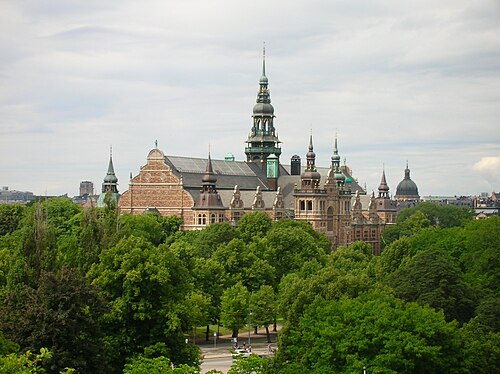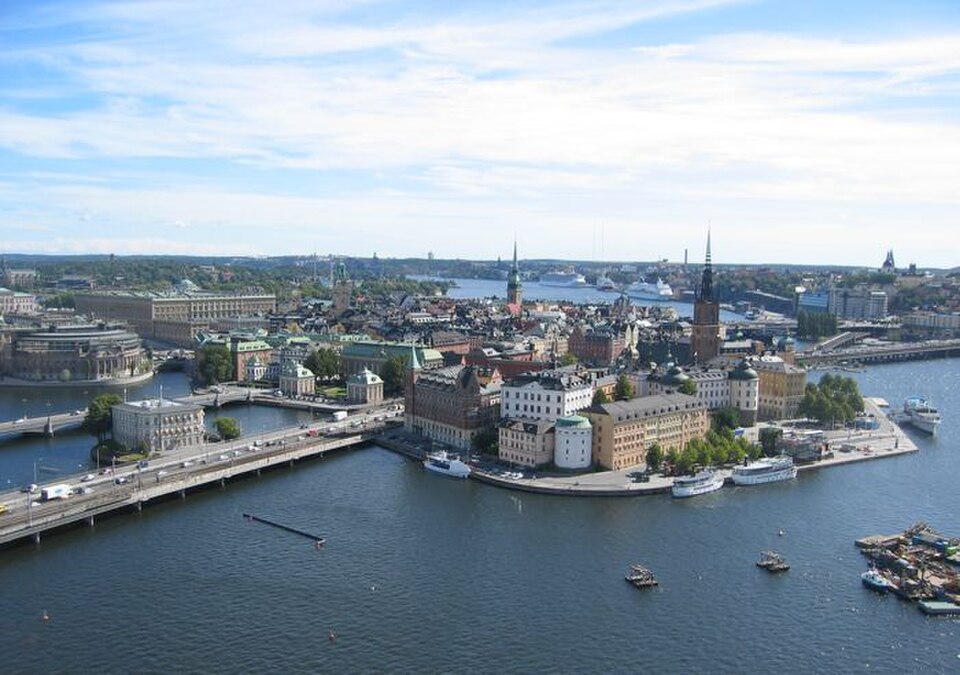
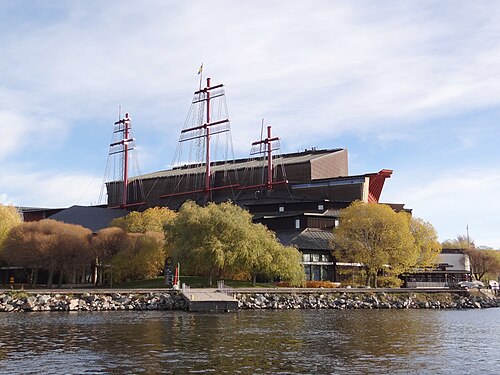
A photograph of Stockholm

City guide · Sweden

Museums in Stockholm, Sweden

Stockholm spreads across islands joined by bridges, ferries and rail, but its central visitor districts form a manageable chain. Gamla Stan, Norrmalm, Djurgårde...

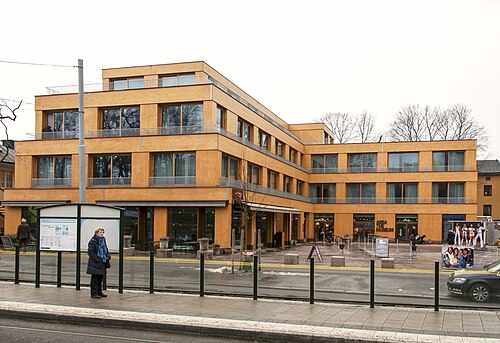
Photograph · JZ · CC BY-SA 3.0

2,967 Places
Suggested stay
3-4 days
Getting around
Metro, rail, tram, bus, boat and walking

Turn this list into a plan

Set your days, your pace and the hours you actually want to be out. The planner works around closing days and travel time, and leaves room to eat.

Plan Stockholm

Reviewed by Elena Voss · Roavina Travel Editor

Stockholm spreads across islands joined by bridges, ferries and rail, but its central visitor districts form a manageable chain. Gamla Stan, Norrmalm, Djurgården, Östermalm and Södermalm each reward a separate walking block. Public transport closes the gaps, while boats are part of the useful network rather than only sightseeing. Plan by island and district so repeated water crossings do not consume the day.

Checked 2026-08-26

Practical information

Language spoken
Swedish
National practical orientation; regional and minority languages may also be used
Dialling code
+46
International calling code; local area and mobile prefixes still apply
Currency
Swedish krona (SEK)
Use the official local currency; card acceptance varies by place
Emergency number
112
Use only for an emergency; tourist assistance may use a separate number
Plug type
Type C and F · 230 V
Check that chargers support the recorded voltage before using an adapter
Tap water
Safe from the mains
Municipal drinking water is subject to Swedish food-safety controls

Planning a visit

September · September in Stockholm has mean high 16.6°C, mean low 10.2°C, rainfall 53.3 mm, 12.0 rain days. Mild temperatures make outdoor sightseeing workable despite regular precipitation. A mixed indoor-outdoor plan keeps a September visit to Stockholm comfortable.

  1. January: viable with meaningful trade-offs
  2. February: viable with meaningful trade-offs
  3. March: viable with meaningful trade-offs
  4. April: good time to visit
  5. May: good time to visit
  6. June: best time to visit
  7. July: best time to visit
  8. August: best time to visit
  9. September: good time to visit — current month
  10. October: viable with meaningful trade-offs
  11. November: viable with meaningful trade-offs
  12. December: viable with meaningful trade-offs

Sources

Top things to see

Ranked by importance — sitelinks, pageviews and heritage status, not editor preference.

  1. ABBA: The Museum ABBA: The Museum
    02 1 hr 30 min

    ABBA: The Museum

    Abbamuseet

    ABBA: The Museum is an interactive exhibition space dedicated to the Swedish pop group ABBA, located on Djurgården island in Stockholm. The museum occupies a purpose-built facility near other cultural attractions.

    • Must see
    • Museum
  2. Fotografiska Fotografiska
    03 2 hours

    Fotografiska

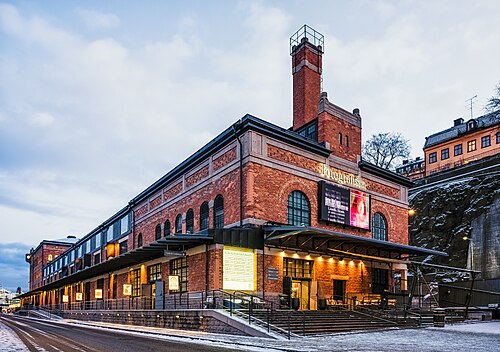
    Fotografiska is a privately run museum of photography, art and culture on the Södermalm waterfront, founded in Stockholm in 2010 and now the original house of a group that also has venues in Berlin, Tallinn, Shanghai, Shenzhen, Oslo and New…

    • Must see
    • Museum
  3. Nobel Prize Museum Nobel Prize Museum
    04 1 hr 30 min

    Nobel Prize Museum

    Nobelprismuseet

    The Nobel Prize Museum is a cultural institution located in Stockholm's Old Town, Gamla Stan. It occupies the former Stock Exchange Building on Stortorget, the historic square.

    • Must see
    • Museum
  4. Moderna Museet Moderna Museet
    05 2 hours

    Moderna Museet

    Moderna museet

    Moderna Museet is Sweden's national museum of twentieth- and twenty-first-century art, standing on the island of Skeppsholmen in the middle of Stockholm's harbour.

    • Must see
    • Museum
  5. Nordic Museum Nordic Museum
    06 2 hours

    Nordic Museum

    Nordiska museet

    Nordiska museet is Sweden's largest museum of cultural history, and its subject is ordinary Nordic life rather than kings and battles.

    • Must see
    • Museum

Source: OpenStreetMap contributors, Wikidata ·

How the city is laid out

Gamla Stan is the historic hinge between the northern and southern halves of central Stockholm. Norrmalm, the main commercial and transport centre, lies immediately north; Östermalm and museum-rich Djurgården continue east. Södermalm rises south of the old town, while Kungsholmen and Vasastan extend west and northwest. The official visitor guide identifies seven central districts with distinct characters. Combine adjacent districts on foot, and treat the archipelago or distant suburbs as separate outings.

Checked 2026-08-26

Getting around

Use the SL network of metro, commuter rail, tram, bus and selected local boats for moves between districts. The centre is compact enough for substantial walking, but water and rail lines determine the quickest route more than straight-line distance. Use one valid SL ticket product consistently and check the official journey planner before island connections. Djurgården can be reached by tram or ferry, while outer archipelago travel requires separate route planning.

Checked 2026-08-26

Common questions

How many days does Stockholm need?

Three to four days suit a first visit. Use the first days for Gamla Stan, Norrmalm, Djurgården and Södermalm, then reserve additional time for a longer island or archipelago route.

When is the best time to visit Stockholm?

May through September gives the most useful daylight for walking between districts and using boat connections. Winter can still work for museums and indoor culture, but outdoor sightseeing time is much shorter.

Is central Stockholm walkable?

Yes, within one district and between several central islands. Bridges, hills and water make some apparently short cross-city routes slower, so use public transport when changing from one side of the centre to another.

Can visitors use boats as public transport?

Yes. Selected local boat services form part of the wider public transport network. Check the SL journey planner and ticket conditions for the specific route rather than assuming every sightseeing or archipelago boat is included.

Which Stockholm districts combine well?

Gamla Stan and Norrmalm combine naturally, while Östermalm and Djurgården make another coherent block. Södermalm deserves its own walking route, especially when viewpoints and evening stops are included.