.jpg)
20 min walk
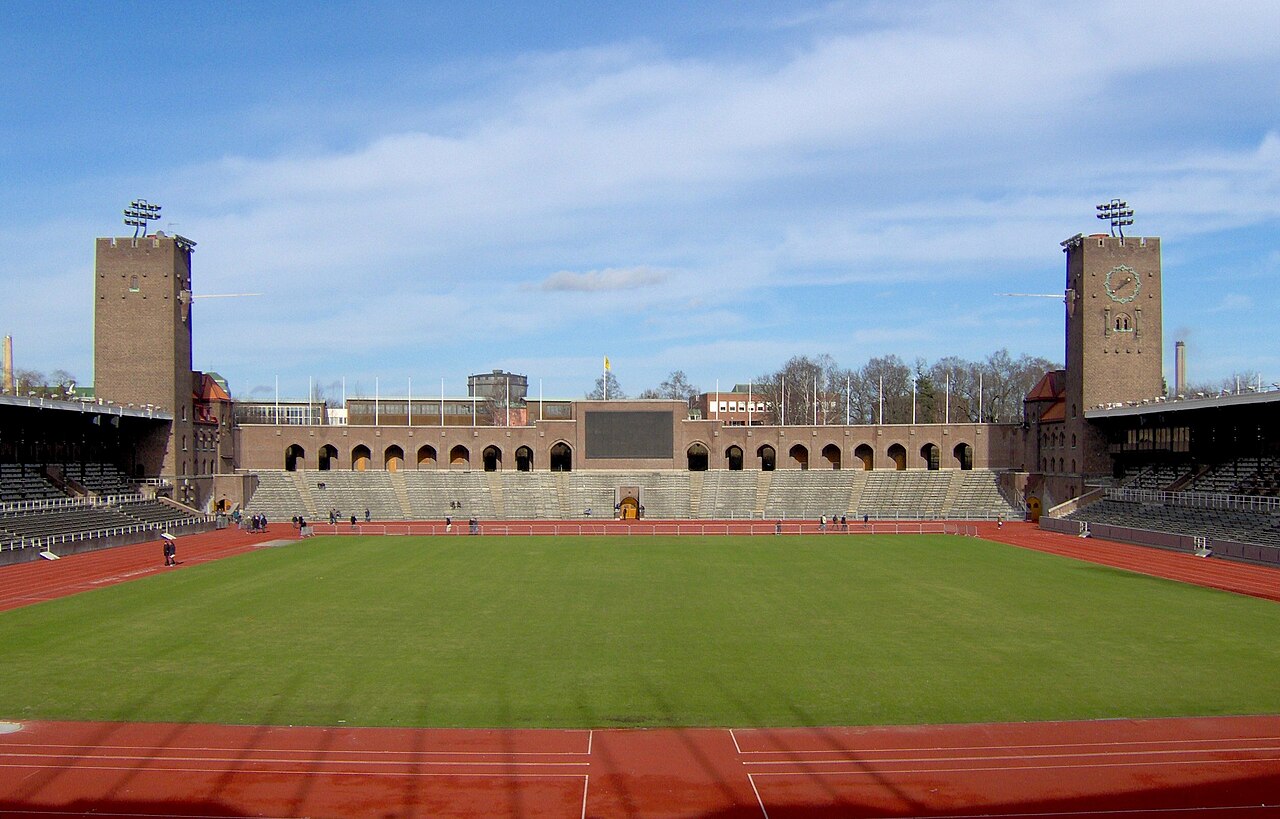
Stockholm Olympic Stadium
- Must see · Heritage site
- Historic monument
Language · 11 published
Museum · Stockholm
Reviewed by Elena Voss · Roavina Travel Editor
| Monday | Closed |
|---|---|
| Tuesday | 11:00 – 17:00 |
| Wednesday | 11:00 – 17:00 |
| Thursday | 11:00 – 21:00 |
| Friday | 11:00 – 17:00 |
| Saturday | 11:00 – 17:00 |
| Sunday | 11:00 – 17:00 |
Parsed from OpenStreetMap opening hours on 2026-09-09.
This place is a Museum.
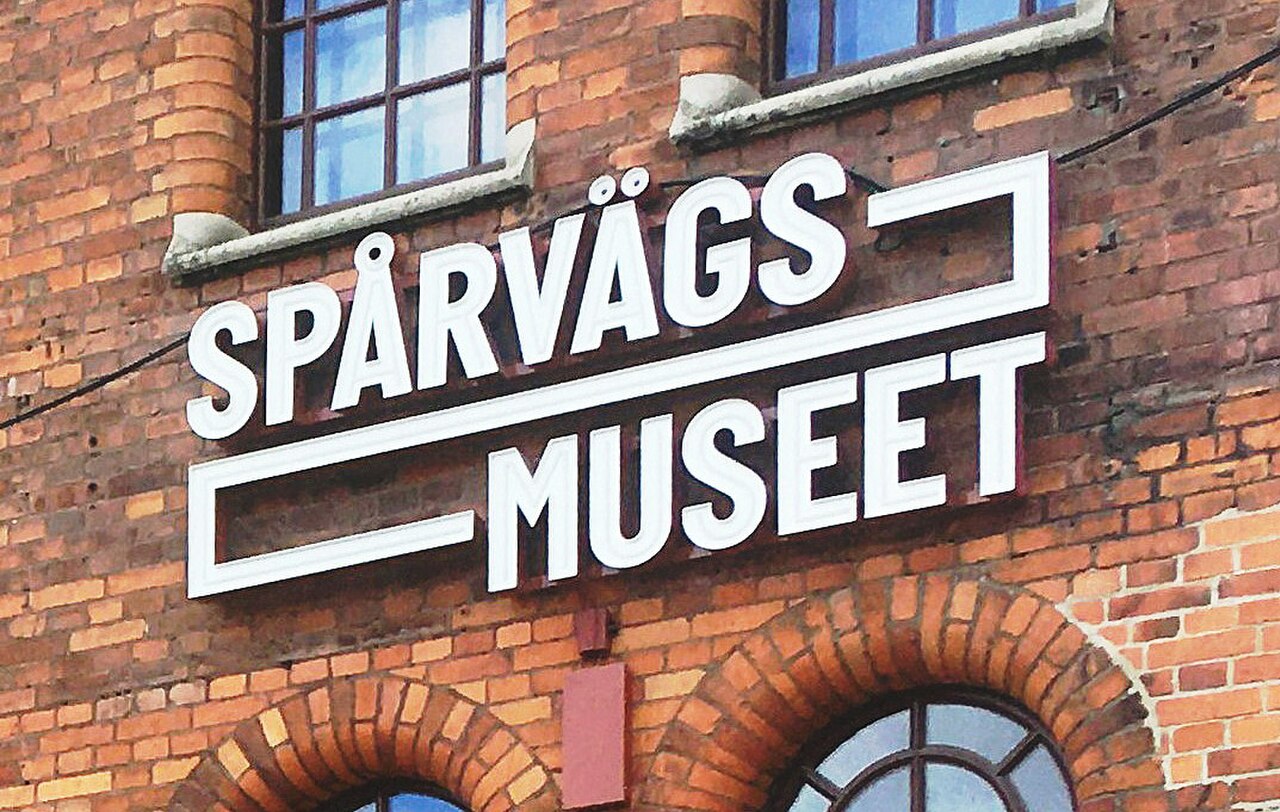
Spårvägsmuseet is Stockholm’s tramway museum, devoted to the history of public transport in the Swedish capital. The museum connects vehicles, photographs, tickets, uniforms, maps, timetables, and engineering records with the growth of Stockholm as a city. Its subject is practical and urban: how residents travelled, how workers operated the network, and how technology changed over time. Historic trams and buses give the collection a physical presence that separates it from a purely archival display. Visitors can approach Spårvägsmuseet as both a transport museum and a portrait of Stockholm’s changing daily life.
Checked 2026-08-26 · Source
The collection includes historic tram cars and buses from different periods of Stockholm’s public transport history. Visitors can encounter preserved vehicle interiors alongside photographs, tickets, uniforms, operational equipment, maps, timetables, and engineering documentation. The displays connect technical change with the experience of passengers and transport workers. Boarding historic vehicles adds a physical dimension: seats, doors, aisles, and controls help explain how earlier systems functioned. Some heritage vehicles may operate during special occasions, linking the museum collection with live transport traditions. The combination of rolling stock and social history makes the museum accessible to both transport enthusiasts and visitors discovering Stockholm’s urban development.
Checked 2026-08-26 · Source
Allow one to two hours for Spårvägsmuseet. The shorter visit suits visitors who want to see the main vehicles and understand the broad story of Stockholm transport. Choose the longer end of the range if you intend to inspect interiors, read captions, study photographs, or spend time with the maps and operational material. Families may move more quickly, while transport enthusiasts can linger over technical details. The museum’s compact exhibition environment keeps the walking distance manageable. Add time only when a heritage vehicle programme forms part of your plan, because special rides can extend the visit beyond the museum circuit.
Checked 2026-08-26 · Source
Spårvägsmuseet’s indoor setting makes it a useful Stockholm activity in unsettled weather or during the darker winter season. Summer brings longer daylight for combining the museum with other city walks, while winter gives the indoor collection particular practical value. Heritage tram operations belong to special occasions and are associated with warmer-season activity in the guide, so they should not be treated as part of every standard visit. The museum may have seasonal or holiday changes. Plan the museum as a dedicated indoor stop and leave enough flexibility for the possibility that vehicle demonstrations follow a separate programme.
Checked 2026-08-26 · Source
Spårvägsmuseet is a municipal museum, and the supplied guide describes Stockholm’s municipal museum landscape as including both free and modestly priced institutions. The exact admission structure for this museum is not included in the available place information, so the guide cannot give a reliable ticket amount or a confirmed concession. Treat any heritage tram ride or special programme as a possible separate activity within the museum experience. The collection itself is worth planning around for its historic vehicles and transport archive. Keep the visit flexible when building a day that also includes other paid Stockholm attractions.
Checked 2026-08-26 · Source
Spårvägsmuseet is located within Stockholm’s urban environment near the Royal Institute of Technology area. The museum can be incorporated into a journey using the city’s public transport network, including tram, bus, or metro travel, and its subject makes arrival by public transport especially fitting. Central Stockholm’s walkable districts also make an approach on foot practical for visitors already exploring nearby streets. Cycling is supported by Stockholm’s broader bike infrastructure. The guide does not identify a single station, route, or walking distance, so use the mapped museum location when planning the final approach through the surrounding city area.
Checked 2026-08-26 · Source
Historic vehicles can have narrow doorways, steps, and tight interior aisles, so the physical experience differs from a modern museum. Heritage demonstrations depend on special programming, vehicle condition, and available operating crews; seeing the collection does not guarantee a ride. Exhibition language may vary, and some displays may offer less English than others. Indoor spaces can feel less climate-controlled than contemporary galleries. Winter visitors may also need to manage coats in a compact exhibition environment. Follow any photography, vehicle-access, and visitor-conduct signs, and allow extra patience during school holidays or special events.
Checked 2026-08-26 · Source
Spårvägsmuseet is particularly rewarding for photographs of historic tram and bus interiors. Period seats, windows, controls, uniforms, tickets, and operational equipment provide detail subjects, while the vehicles themselves create strong documentary compositions. Low indoor light and reflections from glass or polished surfaces may require patience rather than elaborate equipment. Respect signs concerning flash and photography near archival material. Confined displays may make tripods impractical. If a heritage vehicle operates during a special occasion, exterior photographs can add movement and context to the collection. Keep aisles and other visitors’ sightlines clear while taking pictures.
Checked 2026-08-26 · Source
The museum displays historic trams and buses together with photographs, tickets, uniforms, maps, timetables, operational equipment, and engineering records.
Plan one to two hours. The longer option suits visitors who want to study vehicle interiors, archival photographs, maps, and technical details.
Yes. Children can board preserved trams and buses, while the vehicles provide a more hands-on experience than a display made only of documents.
Heritage tram rides are associated with special occasions rather than every standard museum visit. The collection can be visited even when no ride is taking place.
Look at the interiors, seats, doors, aisles, controls, and period fittings. These details show how earlier passengers and transport workers experienced Stockholm’s network.
The museum places modern trams, buses, and metro travel in the longer story of Stockholm’s urban growth and changing public transport technology.
Loading the interactive map…
The interactive map could not be loaded.
Last updated:
Source: OpenStreetMap contributors, Wikidata ·