
13 min walk
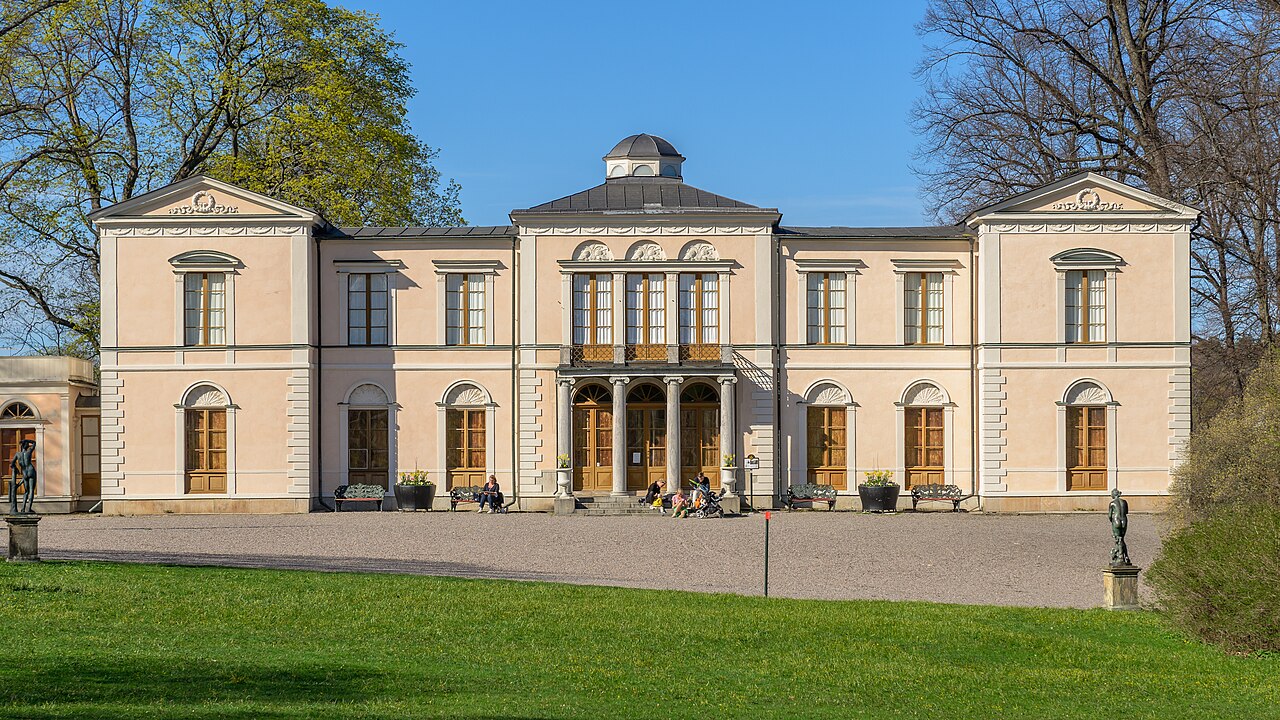
Rosendal Palace
- Must see · Heritage site
- Historic monument
Language · 11 published
Museum · Stockholm
Prins Eugens Waldemarsudde
Reviewed by Elena Voss · Roavina Travel Editor
| Monday | Closed |
|---|---|
| Tuesday | 11:00 – 17:00 |
| Wednesday | 11:00 – 17:00 |
| Thursday | 11:00 – 20:00 |
| Friday | 11:00 – 17:00 |
| Saturday | 11:00 – 17:00 |
| Sunday | 11:00 – 17:00 |
Parsed from OpenStreetMap opening hours on 2026-09-09.
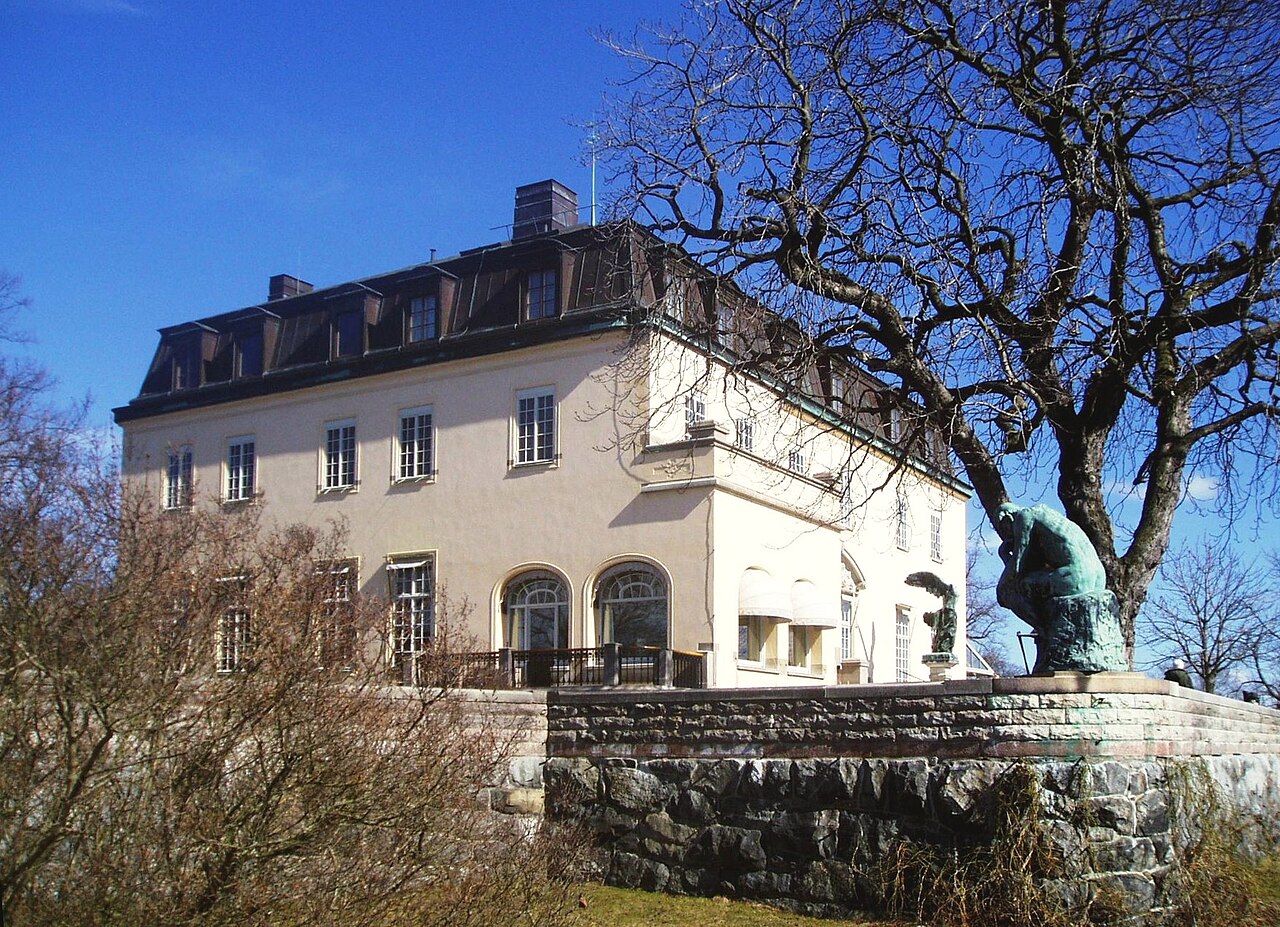
This place is a Museum. It was established in 1947. It was built in the Art Nouveau architecture style. It was designed by Ferdinand Boberg.
Prince Eugen's Waldemarsudde is a former royal residence and artist's home on Djurgården in central Stockholm. Prince Eugen, Duke of Närke, lived here and worked as a landscape painter. The estate became a public art museum after he left the property to the Swedish state. A visit combines royal history, an artist's home, Swedish art and gardens beside the water. Waldemarsudde is the former residence of Prince Eugen, Duke of Närke, a Swedish prince and accomplished landscape painter who lived from 1865 to 1947. The estate sits on Djurgården island in central Stockholm. Prince Eugen bequeathed the property to the Swedish state, and it became a public art museum. The complex includes a main house, an older castle-like building, and extensive gardens. It represents one of Sweden's most significant artist's homes, combining royal heritage with artistic legacy. The museum preserves both the prince's living quarters and his substantial art collection. Yes, Prince Eugen bequeathed Waldemarsudde to the Swedish state, and it operates as a public art museum within Sweden's national museum framework.
Checked 2026-08-26 · Source
Inside the museum, you can see Prince Eugen's paintings, preserved living quarters and studios, together with Swedish works from the late nineteenth and early twentieth centuries. The estate includes the main house, the older castle-like Old House and landscaped grounds. Sculptures stand among the gardens, while the interiors show how an aristocratic residence also functioned as a working artist's home. The museum displays Prince Eugen's own paintings alongside his collection of Swedish art from the late nineteenth and early twentieth centuries. Visitors can view the preserved interiors of his home, including studios where he worked. The collection encompasses works by prominent Swedish artists of his era. The grounds feature sculpture installations and carefully maintained gardens that reflect the prince's interest in landscape design. The older building, known as the Old House, contains additional exhibition spaces. Together these elements create a comprehensive picture of aristocratic artistic life in Sweden during this period.
Checked 2026-08-26 · Source
Allow about ninety minutes for the main house, studios and principal displays, or up to two and a half hours if you want to study the collection carefully and walk through the gardens. Add walking time from Djurgården's transport connections, since the estate is spread across several buildings and outdoor areas. Art lovers may naturally want a longer, slower visit. A thorough visit to Waldemarsudde typically requires between ninety minutes and two and a half hours. This duration allows adequate time to explore the main house interiors, view the permanent and temporary exhibitions, and stroll through the gardens.
Checked 2026-08-26 · Source
Summer gives you the longest daylight and the fullest opportunity to enjoy the gardens, but Djurgården is busiest during the main tourist season. Spring and autumn bring changing planting and generally calmer conditions. In winter, the indoor collection becomes the focus and daylight is limited. Weekday mornings are a good choice when you want quieter rooms and more time with the paintings.
Checked 2026-08-26 · Source
Your visit covers a museum estate rather than a single gallery room: the main house, historic interiors, art displays, studios and gardens belong to the same experience. The collection includes both Prince Eugen's paintings and works he collected from other Swedish artists. Set aside enough time to move between the indoor rooms and outdoor grounds instead of treating the museum as a brief stop.
Checked 2026-08-26 · Source
Waldemarsudde is at the southeastern end of Djurgården. You can approach the island by tram, bus, ferry, walking or cycling, then continue on foot along the island's paths. The final approach includes a noticeable walk through Djurgården, with waterfront scenery on the way. Plan the journey as part of the outing, especially if you are carrying equipment or travelling with children.
Checked 2026-08-26 · Source
The estate involves outdoor walking as well as historic interiors, so rain, cold, wind and uneven paths can change the comfort of the visit. Winter darkness reduces the time available for the gardens. Some preserved rooms may be more difficult to navigate than a modern museum. Wear practical shoes, leave room for the spread-out layout and follow any room-specific guidance around artworks.
Checked 2026-08-26 · Source
The gardens and exterior of Waldemarsudde provide natural subjects for photographs, including sculptures, planting and the waterfront setting. Indoors, photography may differ between rooms, permanent displays and temporary exhibitions. Flash can damage light-sensitive works, and tripods or selfie sticks can obstruct narrow historic spaces. Follow the signs in each room and keep your camera use considerate of other visitors.
Checked 2026-08-26 · Source
Prince Eugen, Duke of Närke, lived at Waldemarsudde and used the estate as both a residence and a workplace for his landscape painting.
Yes. The museum preserves studios and working spaces in the main house, giving visitors a view of the surroundings where Prince Eugen created his art.
The gardens contain sculpture installations and carefully maintained plantings shaped by Prince Eugen's interest in landscape design.
Yes. The collection also includes works by prominent Swedish artists from the late nineteenth and early twentieth centuries.
The estate stands at the southeastern end of Djurgården island in central Stockholm, reached by continuing on foot from the island's transport connections.
Allow roughly ninety minutes for the principal museum visit and up to two and a half hours for the interiors, exhibitions and gardens at a leisurely pace.
Loading the interactive map…
The interactive map could not be loaded.
Last updated:
Source: OpenStreetMap contributors, Wikidata ·