
3 min walk
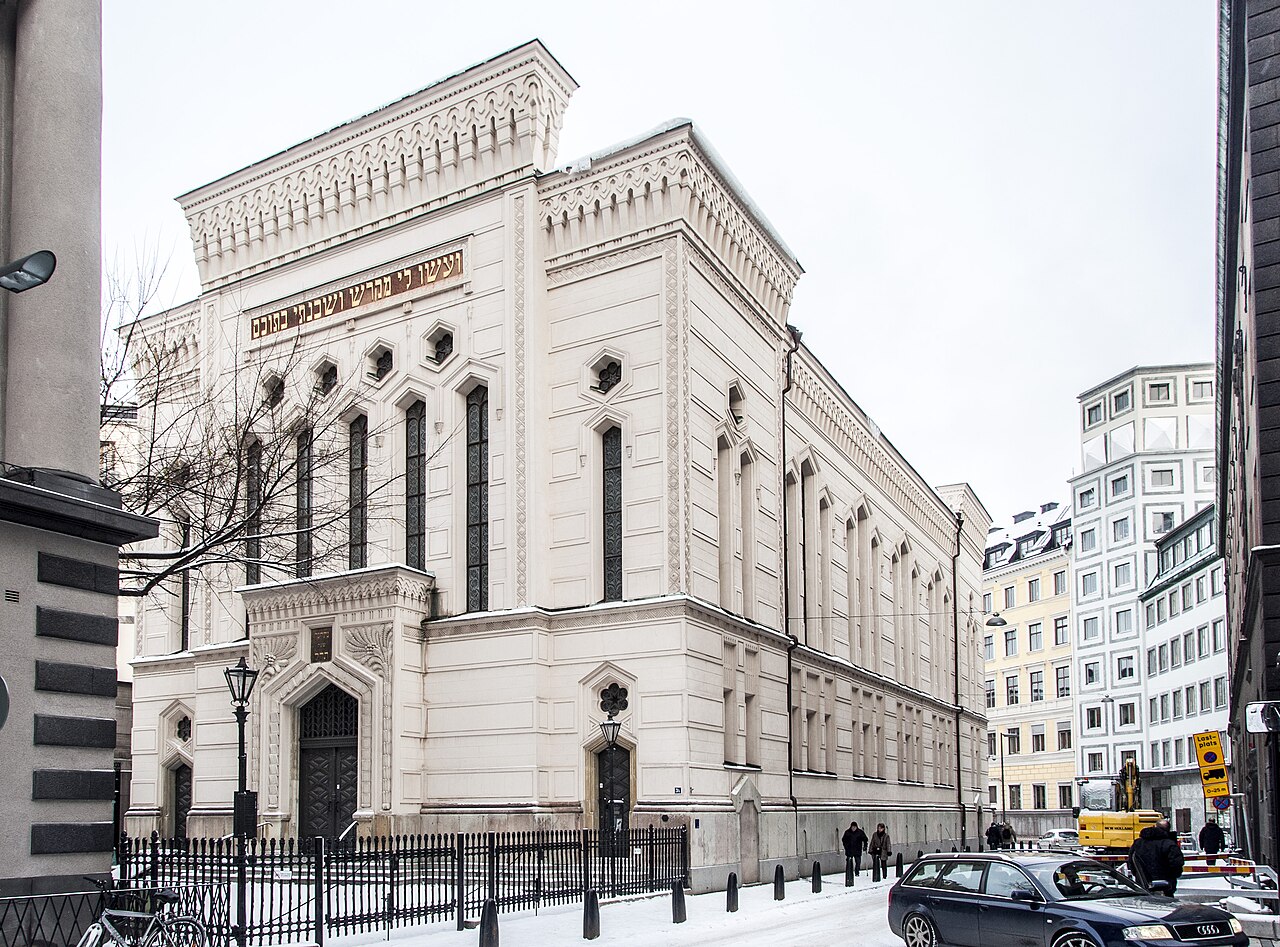
Stockholm Synagogue
- High · Heritage site
- Place of worship
Language · 11 published
Museum · Stockholm
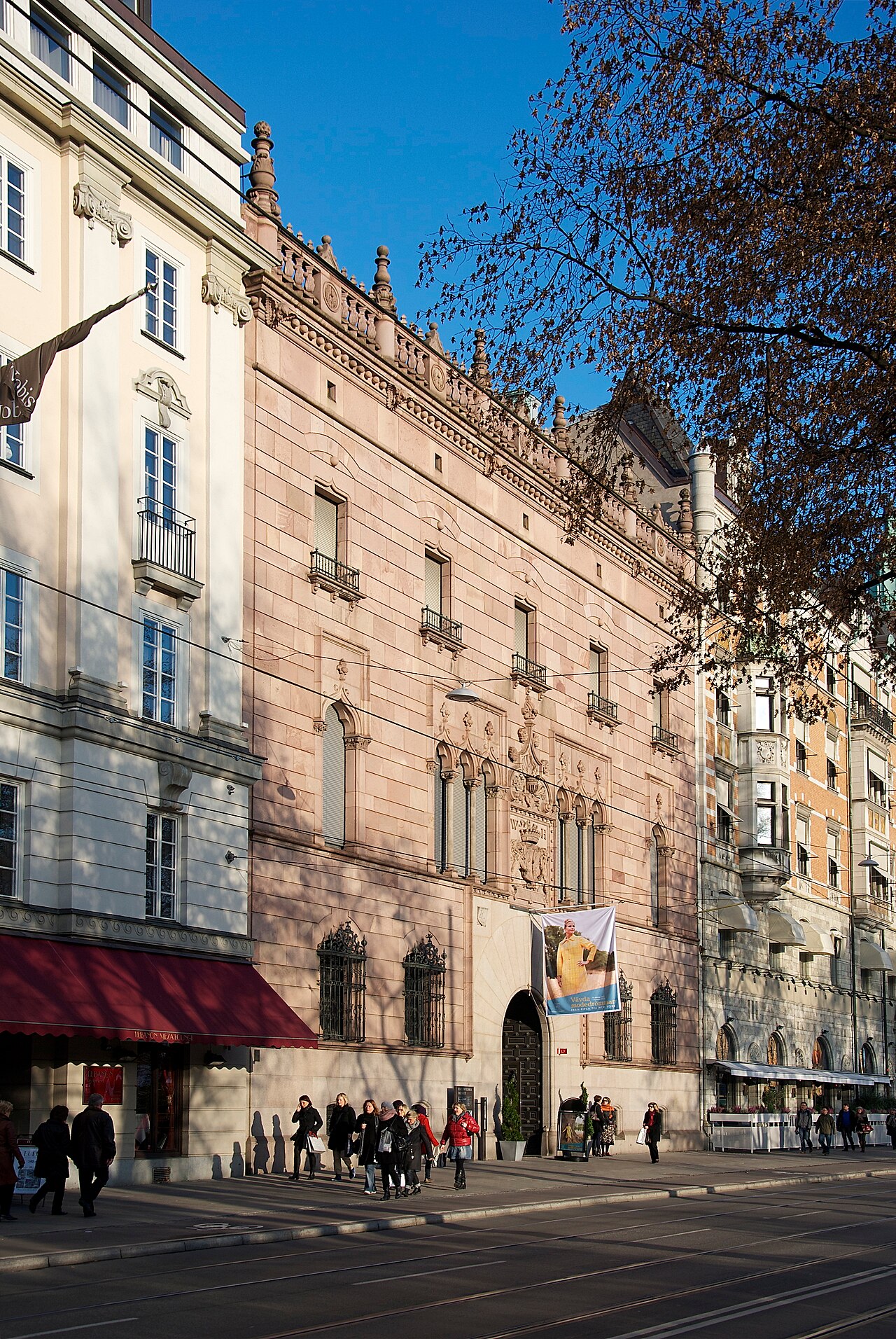
Hallwylska palatset
Reviewed by Elena Voss · Roavina Travel Editor
| Monday | Closed |
|---|---|
| Tuesday | 12:00 – 16:00 |
| Wednesday | 12:00 – 19:00 |
| Thursday | 12:00 – 16:00 |
| Friday | 12:00 – 16:00 |
| Saturday | 11:00 – 17:00 |
| Sunday | 11:00 – 17:00 |
Checked 2026-08-31 · Source
Read from the OpenStreetMap access tags; anything not listed has no tag recorded.
Set the group type to family in the planner and the day window contracts to about three quarters of a solo day.
This place is a Museum. It opened in 1938. It was designed by Isak Gustaf Clason. It is built of Gävle sandstone. It carries the governmental listed building complex heritage designation.
Hallwyl Museum occupies Hallwylska palatset, the former central Stockholm home of the Hallwyl family. Built in the late nineteenth century, the residence became a museum after Countess Wilhelmina von Hallwyl preserved the house, interiors, and collections. It offers a close look at aristocratic domestic life, collecting, and material culture during Sweden’s industrial age, with a more personal atmosphere than a royal palace. Hallwyl Museum occupies Hallwylska palatset, a palatial residence in central Stockholm. The building was constructed as a private home for the wealthy Hallwyl family during the late nineteenth century. Countess Wilhelmina von Hallwyl later transformed the property into a museum, preserving the interiors and collections largely as they appeared during her lifetime. The institution now operates as a state-sponsored cultural heritage site, offering visitors insight into aristocratic Swedish life during a period of significant industrial and social change. The museum presents a preserved historic house with fragile interiors. Young children may find the atmosphere constrained compared to interactive museums. Parental discretion advised regarding supervision requirements.
Checked 2026-08-26 · Source
The museum retains original reception rooms, private chambers, service areas, and collection rooms across several floors. Hallwyl collections include paintings, sculptures, decorative arts, arms and armour, archaeological objects, and everyday items from many countries. Period furnishings show how the family lived, while the kitchen and servant areas reveal the practical work behind an elaborate household. Move slowly through the rooms to connect objects with their domestic setting. The museum preserves extensive original interiors across multiple floors, including reception rooms, private chambers, service areas, and dedicated collection spaces. Countess Hallwyl amassed diverse holdings encompassing paintings, sculptures, decorative arts, arms and armour, archaeological artefacts, and everyday objects from numerous countries. The domestic quarters retain period furnishings and fittings, while specialised rooms display specific categories of her acquisitions. The kitchen and servant areas illustrate the operational infrastructure required to maintain such a household.
Checked 2026-08-26 · Source
Allow sixty to ninety minutes for the principal floors and rooms. Travelers who enjoy decorative arts, social history, historic interiors, or collecting can easily spend two hours examining furnishings and objects. The museum’s central position makes it a convenient stop between Kungsträdgården, Norrmalm, the waterfront, and Gamla Stan. Its compact rooms reward close attention more than hurried room counting. Visitors typically allocate between sixty and ninety minutes for a self-directed exploration of the principal floors. Those with strong interest in decorative arts, social history, or the specific collecting practices of the Hallwyl family may extend their visit to two hours. The compact urban location permits combination with nearby attractions in Gamla Stan or along Strandvägen.
Checked 2026-08-26 · Source
Hallwyl Museum is particularly useful on a cold or wet Stockholm day because the visit is concentrated indoors. Seasonal schedules can change, and temporary exhibitions may shape the experience, so place the museum in a day built around its current programme. The central location remains convenient in every season, while summer brings more visitors to the surrounding streets and waterfront promenades.
Checked 2026-08-26 · Source
Admission arrangements are tied to the museum’s visitor programme and may distinguish between adult, student, senior, and child visitors. The museum’s strongest value comes from access to a preserved private residence and its extensive collections. When planning a museum day, allow time for the interiors rather than treating Hallwylska palatset as a quick exterior photo stop beside Kungsträdgården.
Checked 2026-08-26 · Source
Hallwylska palatset stands near Hamngatan and Kungsträdgården in central Stockholm. The museum is within walking distance of T-Centralen and can be reached on foot from Stockholm Central Station, nearby hotels, Gamla Stan, and the waterfront. Bus routes serve the surrounding streets, while Stockholm’s cycle network supports arrival by bicycle. The central setting makes public transport and walking more practical than driving into the city centre.
Checked 2026-08-26 · Source
The preserved rooms contain fragile furnishings and original surfaces, so stay behind barriers and follow staff directions. Narrow staircases and changes between floors can make movement demanding, particularly with limited mobility. Small rooms may feel crowded when visitor numbers rise, and personal belongings can be awkward to manage in tight spaces. Temperature differences between rooms are possible, so a light extra layer can be useful.
Checked 2026-08-26 · Source
Hallwyl Museum’s interiors provide detailed subjects: carved furniture, decorative surfaces, domestic rooms, collection displays, and service spaces. Work without flash and keep equipment small in the narrow rooms. Tripods and commercial equipment can obstruct circulation, while some objects or rooms may have stricter rules. Follow signs and staff directions, and give other visitors room to appreciate the preserved house without interruption.
Checked 2026-08-26 · Source
It is a preserved late nineteenth-century private residence containing the Hallwyl family’s interiors and extensive collections.
You can see reception rooms, private chambers, service areas, original furnishings, and collections of art, decorative objects, arms, archaeology, and everyday items.
Allow sixty to ninety minutes for the main rooms, or up to two hours for detailed attention to the interiors and collections.
The museum is near Hamngatan and Kungsträdgården in central Stockholm, within walking distance of T-Centralen.
Countess Wilhelmina von Hallwyl assembled the collection and preserved the family residence as a museum.
It presents a preserved private aristocratic home and personal collection, focusing on domestic life rather than royal ceremonies and state rooms.
Loading the interactive map…
The interactive map could not be loaded.
Last updated:
Source: OpenStreetMap contributors, Wikidata ·