
3 min walk
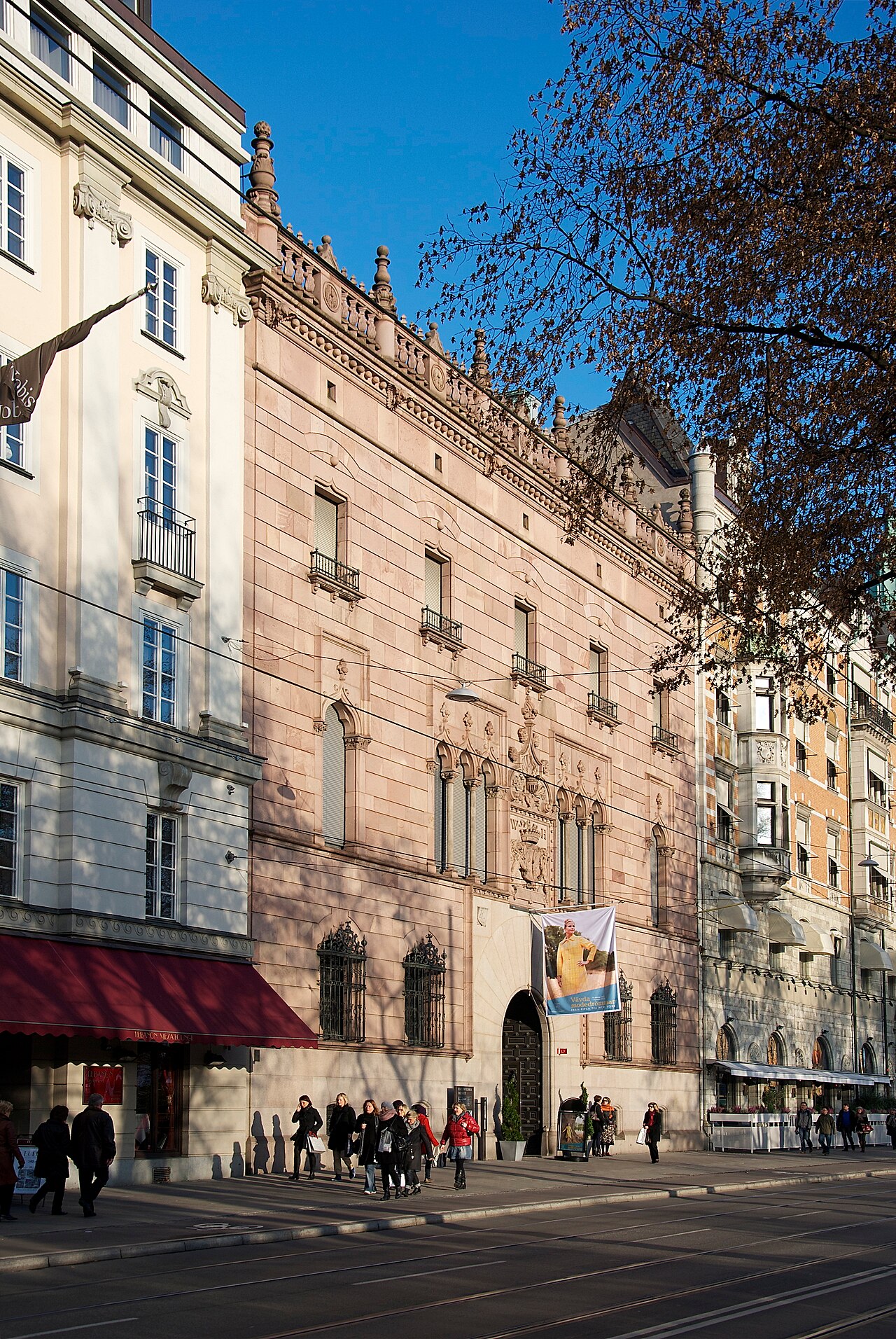
Hallwyl Museum
- Must see · Heritage site
- Museum
Place of worship · Stockholm
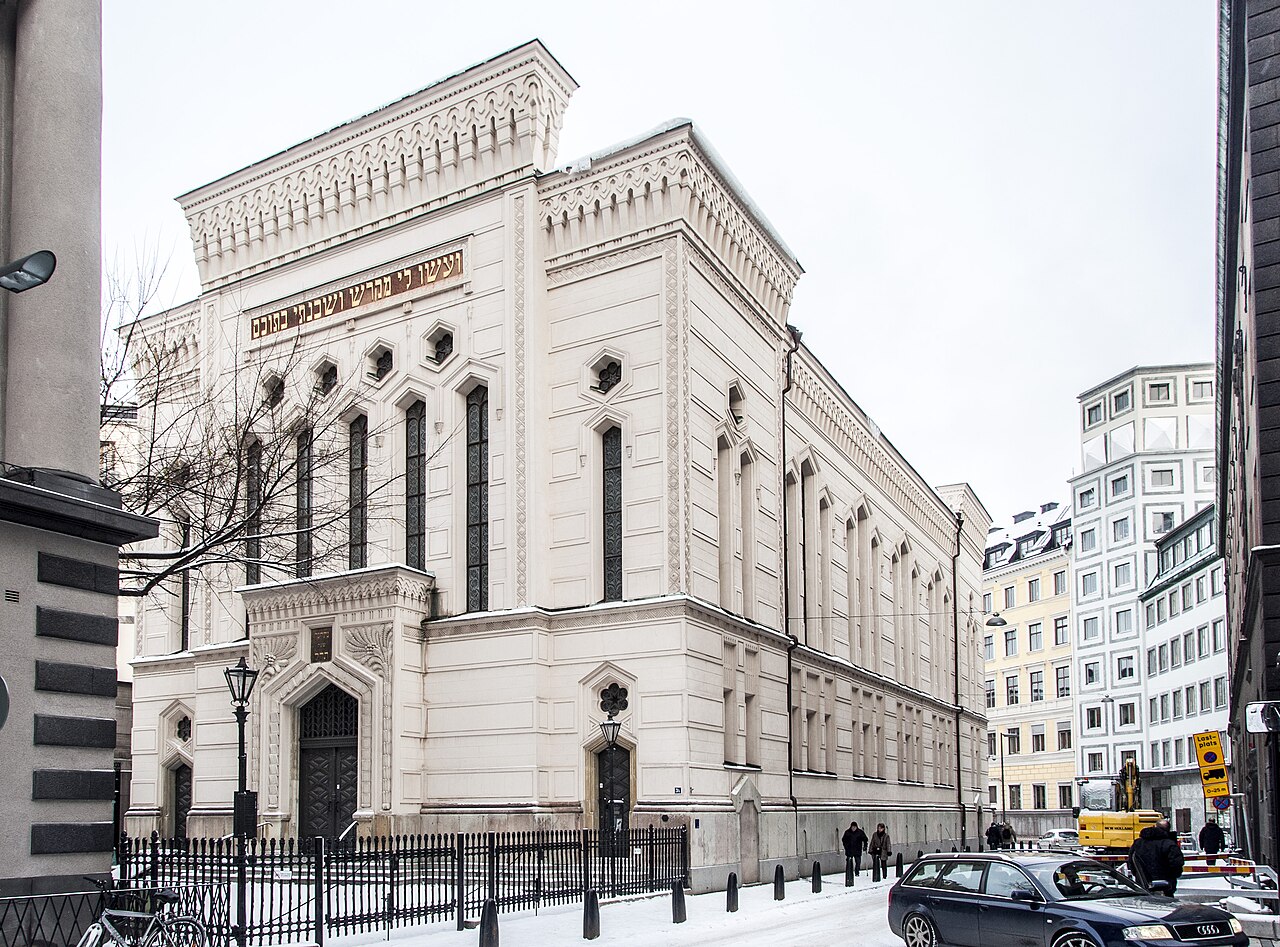
Stora synagogan
Stockholm Synagogue, also known as Stora synagogan, is the largest synagogue in Sweden and an active place of worship in central Stockholm. The building belongs to the city’s Jewish religious and cultural life, so visitors should approach it as a living congregation rather than as a monument available for casual sightseeing. Its importance lies in the continuing presence of Jewish worship, community gatherings, and education in Stockholm. The synagogue is also a cultural landmark, but that public significance does not replace its religious purpose. A respectful visit begins with recognising that worshippers use the building for prayer and community life.
Checked 2026-08-26 · Source
The interior is organised around the main sanctuary and the functions of congregational worship. Synagogue features include a bimah and an ark that houses Torah scrolls. The building also supports community gatherings and educational activities, so its spaces serve religious and communal purposes rather than a museum display sequence. Visitors who receive permission may encounter an interior arranged for prayer and shared observance. The guide does not provide a full inventory of decorative details or historical artefacts. The most important thing to understand inside Stora synagogan is the relationship between architecture and active Jewish religious practice.
Checked 2026-08-26 · Source
A planned visit to Stockholm Synagogue generally fits within thirty minutes to one hour, depending on the form of access. Exterior viewing from public streets is brief, while a service, arranged tour, or permitted interior visit requires more time and attention. There is no standard tourist circuit described for the building. Visitors should allow enough time to enter quietly, follow congregation guidance, and avoid treating worship as a quick photographic stop. The synagogue works best as a focused cultural visit, with the schedule shaped by religious activity rather than by a continuously open museum timetable.
Checked 2026-08-26 · Source
Stockholm Synagogue follows the rhythm of Jewish religious life rather than the opening pattern of a conventional tourist attraction. Services are connected with Jewish liturgical schedules, including Shabbat and festival days. Friday sunset through Saturday evening is a period of Shabbat observance, when normal visitor expectations about access and services may not apply. Jewish holidays can also affect the building’s use. Exterior viewing from public thoroughfares remains a different experience from entering the synagogue. Plan a visit around the congregation’s religious calendar and choose daylight hours when you want to appreciate the building’s exterior in Stockholm’s changing seasonal light.
Checked 2026-08-26 · Source
Stockholm Synagogue is an active place of worship, not a standard ticketed museum. A service or community visit should therefore be understood as religious access rather than ordinary admission. Donations may be part of the culture of certain visits or services, while an arranged educational programme may follow its own arrangements. The guide does not provide a confirmed admission amount. Visitors should treat any invitation, service attendance, or educational access as subject to the synagogue’s own conditions. The building’s cultural importance can be appreciated from outside even when an interior visit is not part of the plan.
Checked 2026-08-26 · Source
Stora synagogan stands in central Stockholm, within a district served by the city’s public transport network. Visitors can approach through the Tunnelbana system or by bus, then continue on foot through the walkable central streets. The central location also suits visitors already moving between Stockholm’s cultural landmarks. Cycling is supported by the capital’s wider bicycle infrastructure, and water transport reaches nearby central quays. The supplied guide does not give one confirmed station, route, or walking distance, so use the synagogue’s mapped location for the final approach. Keep the last part of the journey quiet and considerate around the congregation’s surroundings.
Checked 2026-08-26 · Source
Dress and conduct matter at Stockholm Synagogue. Wear modest clothing that covers shoulders and knees, silence mobile phones, and follow any security or entry procedure in place. The synagogue may use bag checks or screening, and Shabbat or Jewish holidays can change how the building functions for visitors. Interior photography can be restricted, especially during worship. Do not interrupt services, approach worshippers for photographs, or treat religious activity as a performance. The building is a sensitive active institution, so discretion, patience, and attention to congregation instructions are essential throughout the visit.
Checked 2026-08-26 · Source
Exterior photographs of Stockholm Synagogue can be taken from public spaces, but the setting calls for discretion because the building serves an active congregation. Interior photography requires permission and may be prohibited during services or other religious activity. Avoid flash, tripods, and conspicuous equipment unless the congregation has clearly allowed them. Do not photograph worshippers without consent, and never let a camera interrupt entry, prayer, or community gatherings. The building’s architecture can be documented respectfully from outside; inside, the religious function takes priority over a visitor’s photographic ambitions.
Checked 2026-08-26 · Source
Stockholm Synagogue, or Stora synagogan, is Sweden’s largest synagogue and an active place of worship serving Stockholm’s Jewish community.
Wear modest clothing with shoulders and knees covered. Silence your phone and follow the congregation’s instructions while on the premises.
Services follow Jewish liturgical schedules. Visitors should arrange access and learn the appropriate conduct before attending a service.
Allow thirty minutes to one hour for an arranged interior visit or service. Viewing the exterior from a public street is a shorter stop.
Exterior photography from public spaces is suitable when conducted discreetly. Interior photography requires permission and may be prohibited during religious activities.
Stora synagogan represents the continuing Jewish religious and cultural presence in Stockholm and serves as a centre for worship, community gatherings, and education.
Loading the interactive map…
The interactive map could not be loaded.
Last updated:
Source: OpenStreetMap contributors, Wikidata ·