
1 min walk
Nobel Prize Museum
- Must see
- Museum
Language · 11 published
Place of worship · Stockholm
Reviewed by Elena Voss · Roavina Travel Editor
| Monday | 09:00 – 18:00 |
|---|---|
| Tuesday | 09:00 – 18:00 |
| Wednesday | 09:00 – 18:00 |
| Thursday | 09:00 – 18:00 |
| Friday | 09:00 – 18:00 |
| Saturday | 09:00 – 18:00 |
| Sunday | 09:00 – 18:00 |
Checked 2026-08-31 · Source
Read from the OpenStreetMap access tags; anything not listed has no tag recorded.
Set the group type to family in the planner and the day window contracts to about three quarters of a solo day.
This place is a Attraction. It opened in 1306. It was built in the Brick Gothic style. It is built of brick. It carries the ecclesiastical listed building complex heritage designation.
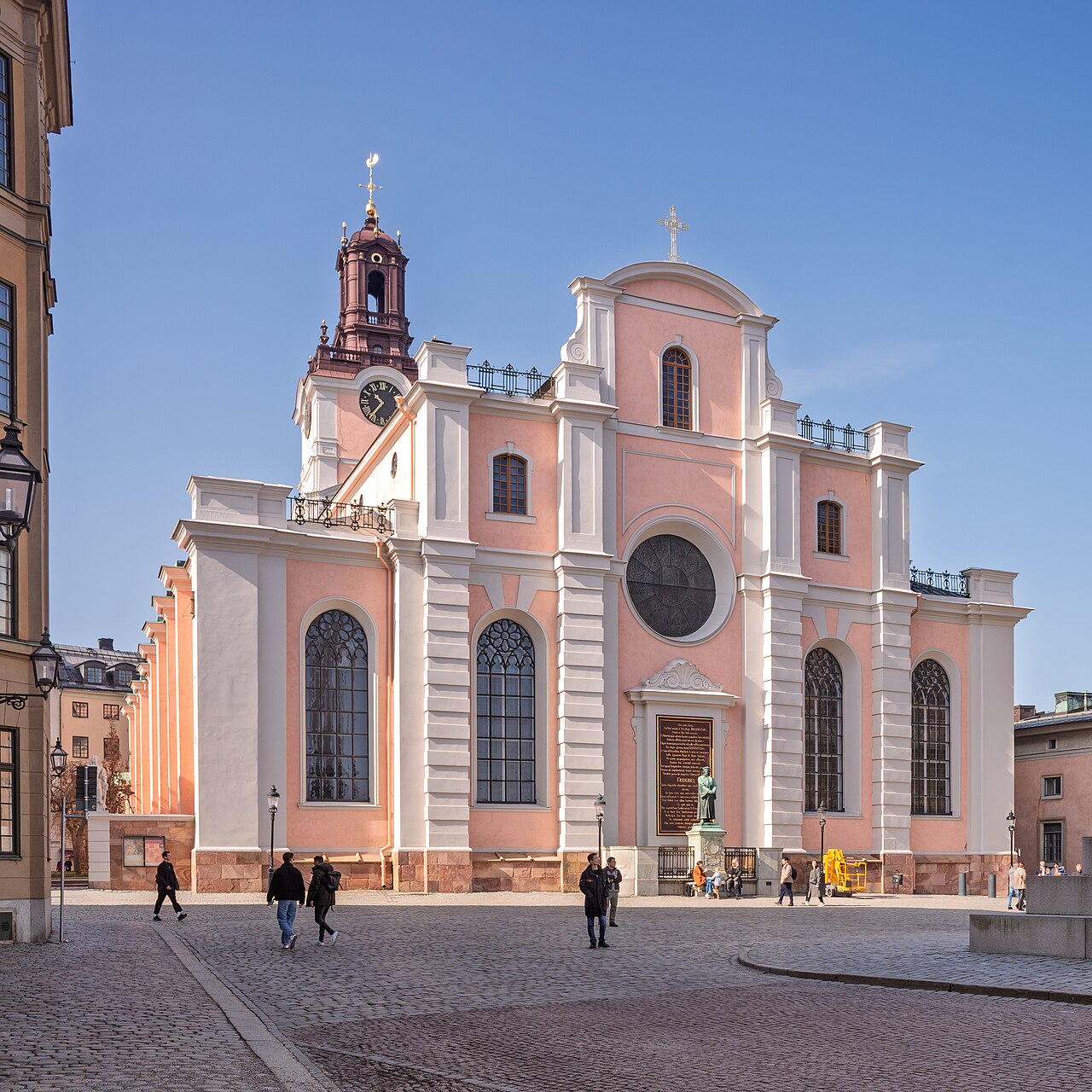
Storkyrkan, Stockholm’s Great Church, is the oldest church in the city’s Old Town and serves as Stockholm Cathedral. The medieval brick building includes later Baroque additions and stands beside the Royal Palace in Gamla Stan. It remains an active parish church while also welcoming visitors interested in Swedish royal ceremonies, ecclesiastical history, architecture, and one of Stockholm’s most important works of art. Storkyrkan, known in English as the Great Church, stands as the oldest church in Stockholm's Old Town. This medieval structure serves as the cathedral of Stockholm and holds significant status in Swedish royal traditions, having hosted coronations and royal weddings. The building represents brick Gothic architecture with later Baroque additions. Its prominent location adjacent to the Royal Palace reinforces its role in national ceremonies. The church functions as both an active parish church and a major heritage site within the Gamla Stan island district. Storkyrkan remains an active parish church within the Church of Sweden while also functioning as a major heritage attraction. Regular worship services continue, and the church maintains its role in national ceremonies including royal events.
Checked 2026-08-26 · Source
The central interior highlight is Saint George and the Dragon, a large painted and gilded wooden sculpture attributed to Bernt Notke and dating from the late fifteenth century. The pulpit and royal pews show Baroque craftsmanship, while funeral monuments and grave slabs record centuries of use. Look closely at the contrast between the medieval structure, later decoration, and the church’s continuing religious role. The interior contains notable artistic and historical features. The most famous work is the wooden sculpture Saint George and the Dragon, attributed to Bernt Notke and dating from the late fifteenth century. This large painted and gilded group shows the saint in combat with the dragon alongside a rescued princess. The pulpit and royal pews demonstrate Baroque craftsmanship. Funeral monuments and historical grave markers occupy floor spaces. The overall atmosphere reflects centuries of continuous use, modifications, and accumulated memorial objects from Stockholm's governing elite.
Checked 2026-08-26 · Source
Allow thirty minutes to one hour for the principal interior sights. Visitors focused on Saint George and the Dragon, royal history, or church art may stay longer to examine the sculpture and memorial details. Because Storkyrkan sits beside the Royal Palace and within Gamla Stan, the visit works especially well as part of a wider Old Town walking route. Visitors typically allocate between thirty minutes and one hour for a complete interior examination. The compact dimensions of the church permit efficient viewing of principal artworks without extensive walking. Those with strong interest in ecclesiastical art, royal history, or the Saint George sculpture may extend their stay.
Checked 2026-08-26 · Source
Storkyrkan is both a visitor sight and an active church, so worship services and special ceremonies take priority over sightseeing. Summer brings heavier foot traffic through Gamla Stan, while winter offers shorter daylight and often quieter streets. A morning or early-afternoon visit leaves room to explore the Royal Palace, nearby lanes, and waterfront before the Old Town becomes busier.
Checked 2026-08-26 · Source
Entry arrangements form part of the church’s visitor experience, while worship remains its primary purpose. Storkyrkan is best valued for its medieval setting, royal associations, and Saint George sculpture rather than for a lengthy museum-style circuit. Plan enough time for a calm interior visit, then continue through Gamla Stan toward the Royal Palace and other historic squares.
Checked 2026-08-26 · Source
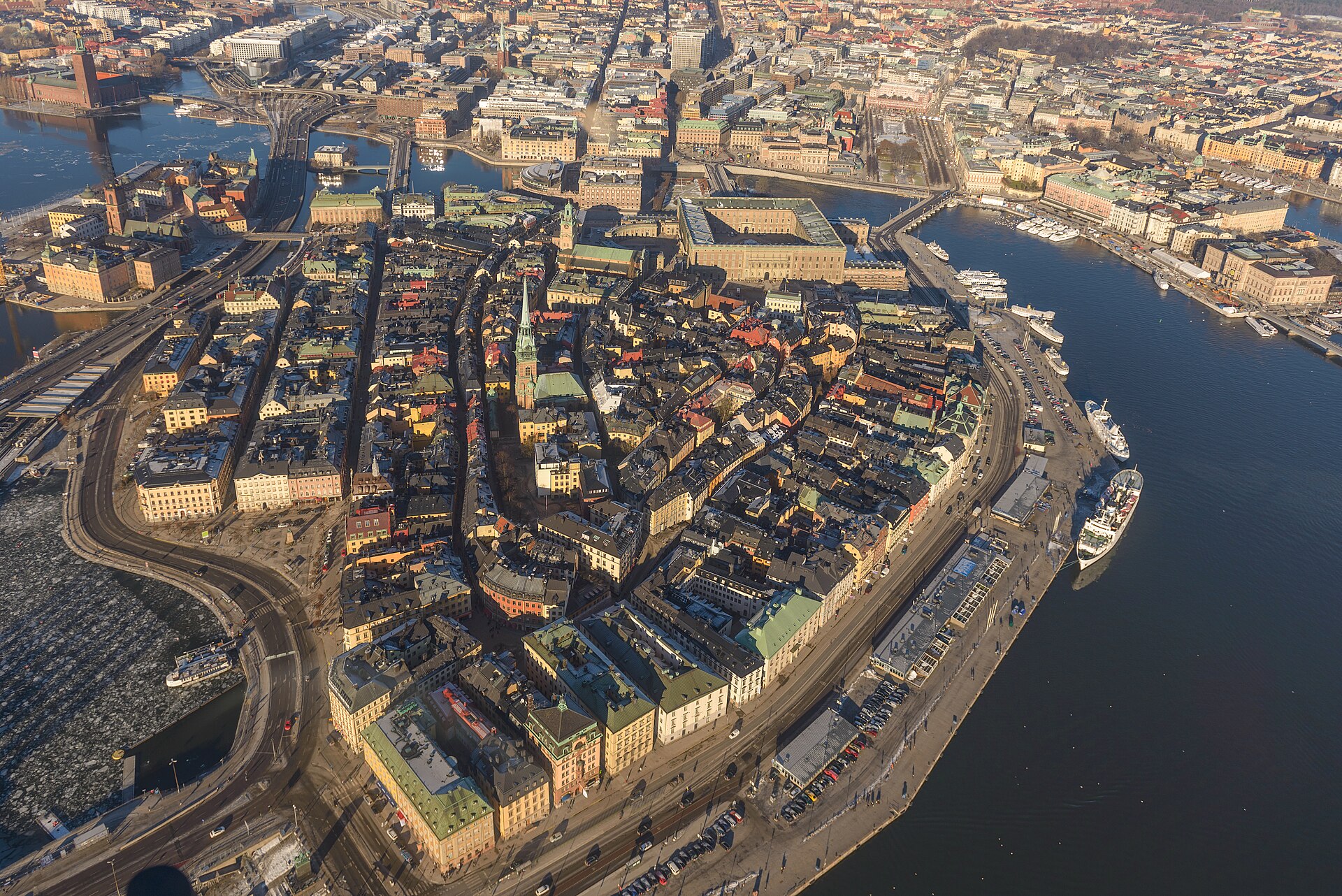
The cathedral occupies a central position in Gamla Stan beside the Royal Palace. Gamla Stan metro station, served by the red and green lines, is the nearest underground connection and leads to a short walk through the Old Town. Bridges link the island with central Stockholm, and nearby quays serve ferries and sightseeing boats. Walking is the simplest way to combine Storkyrkan with neighbouring sights.
Checked 2026-08-26 · Source
Historic grave slabs and memorial stones create uneven sections of floor, so watch your footing. The church can become crowded during peak Old Town visits, especially when large visitor groups arrive. Keep voices low during worship, and remember that services or royal ceremonies can limit tourist movement. The entrance queue offers little protection from Stockholm weather, so dress for conditions outside.
Checked 2026-08-26 · Source
The exterior can be photographed from the lanes and squares of Gamla Stan, with the cathedral’s tower and brickwork forming strong architectural subjects. Inside, Saint George and the Dragon is the main image-making focus, although the sculpture’s position and interior light require patience. Keep equipment compact in the confined space, avoid flash, and follow any restrictions connected with worship or protected artworks.
Checked 2026-08-26 · Source
Yes. Storkyrkan remains an active parish church of the Church of Sweden as well as a major heritage sight.
It stands beside the Royal Palace in Gamla Stan, Stockholm’s historic Old Town.
The principal artwork is Saint George and the Dragon, a painted and gilded wooden sculpture attributed to Bernt Notke and dated to the late fifteenth century.
Most visitors need thirty minutes to one hour for the main interior sights and artworks.
Gamla Stan metro station on the red and green lines provides the nearest underground access.
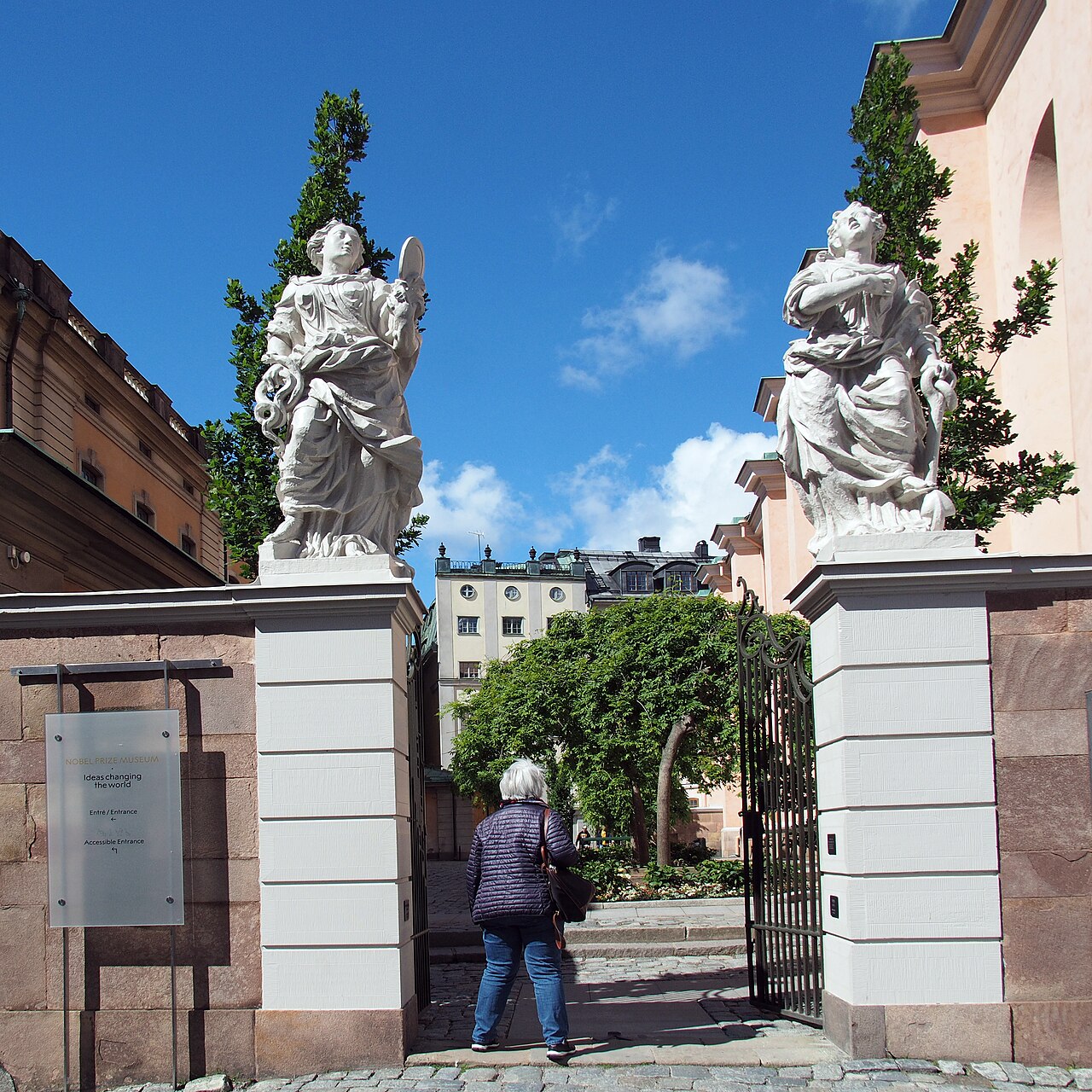
Its location makes a natural route with the Royal Palace, Gamla Stan’s historic lanes, nearby squares, and the Nobel Museum.
Loading the interactive map…
The interactive map could not be loaded.
Last updated:
Source: OpenStreetMap contributors, Wikidata ·