
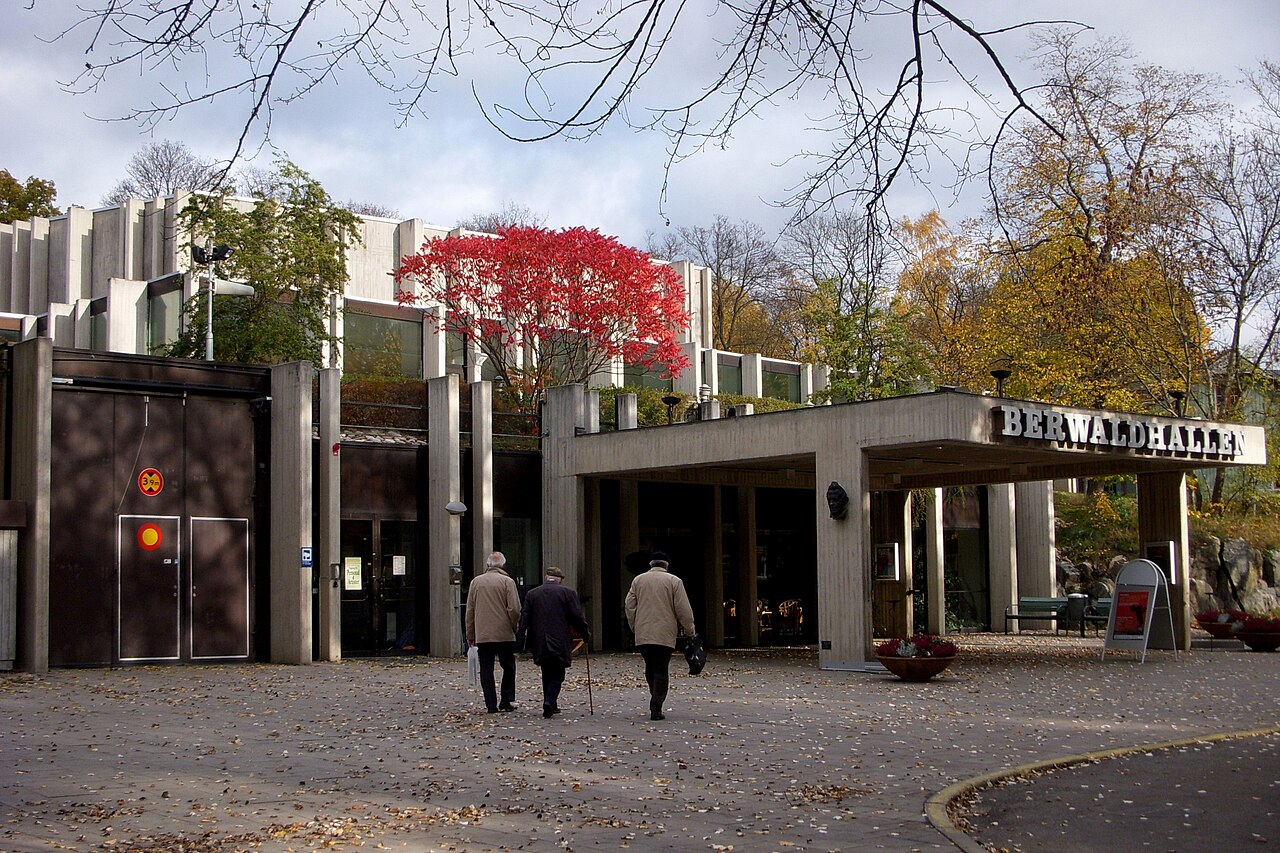
2 min walk
Berwald Hall
- Must see
- Art and culture venue
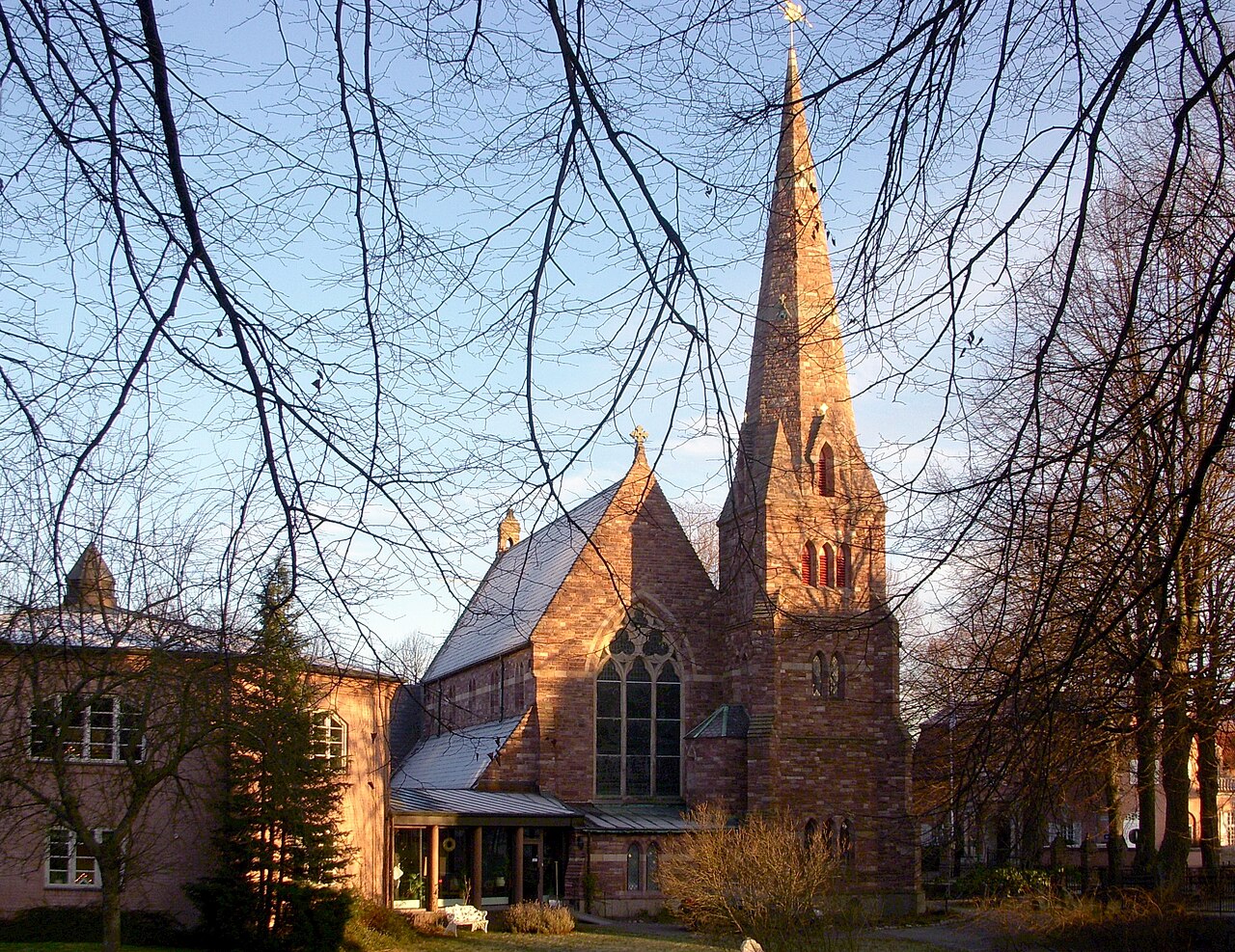
Place of worship · Stockholm
Engelska kyrkan
Church of St Peter and St Sigfrid is Stockholm’s English Church, known locally as Engelska kyrkan. It serves Anglican worship in English and offers an important point of connection for English-speaking residents, visitors and international communities. Travelers may find it interesting not only as a religious building but also as a place where British ecclesiastical tradition forms part of Stockholm’s international character. It remains a working church, so worship shapes the visitor experience. The Church of St Peter and St Sigfrid, known locally as Engelska kyrkan, serves as the English Church in Stockholm. This religious institution provides Anglican worship services to the English-speaking community and visitors in the Swedish capital. The church maintains historical connections to British ecclesiastical traditions while operating within the Church of Sweden's broader religious landscape. Its identity reflects the long-standing presence of English-speaking communities in Stockholm, offering spiritual services in a language accessible to international residents and travelers seeking familiar liturgical practices.
Checked 2026-08-26 · Source
Inside, visitors should encounter a worship space arranged for Anglican services, with seating, an altar and the furnishings needed for prayer and congregational life. The building’s interest lies in its atmosphere as much as in individual decorative details. English hymnals and prayer books belong naturally to its role as the English Church. This is a modest, active religious setting rather than a grand sightseeing hall, and quiet observation is more appropriate than treating every area as an exhibit. Visitors should expect conventional Anglican church furnishings appropriate to English worship traditions. The church presumably maintains hymnals and prayer books in English. Architectural features typical of Anglican places of worship may be present, potentially including stained glass or wooden furnishings. Cautious visitors should anticipate a modest interior scaled to congregation needs rather than cathedral grandeur, consistent with many urban English churches serving expatriate communities abroad.
Checked 2026-08-26 · Source
A brief architectural or reflective visit may take fifteen to thirty minutes. Travelers attending worship should reserve the full service period, commonly longer than a quick look around the building. The best length depends on whether the visit is devotional, cultural or connected with the English-speaking community. Keep the schedule flexible because a working church may prioritise services, preparation and congregational activity over continuous sightseeing access.
Checked 2026-08-26 · Source
Sunday is the natural time to connect with the church’s Anglican worship tradition, while weekday access may depend on the building’s community use. Religious festivals can change the rhythm of services and gatherings. Visit quietly when the church is open for prayer or public activity, and avoid arriving during a service if your purpose is architectural sightseeing. A calm, respectful approach fits this destination better than a tightly timed attraction checklist.
Checked 2026-08-26 · Source
Churches used for worship generally welcome attendance without the kind of admission process found at museums. A voluntary contribution may support the congregation, building and ministry. Special concerts or organised events can have their own arrangements. For a traveler’s itinerary, the important distinction is between attending worship and visiting a cultural attraction: behave as a guest in an active religious space, and leave room for the congregation’s needs.
Checked 2026-08-26 · Source
The church is in Stockholm and can be incorporated into a central-city route using the capital’s public transport network or a walk from nearby accommodation. Stockholm’s metro, bus and commuter connections make the city’s established institutions practical to reach. Use the preserved OpenStreetMap reference when orienting yourself, then approach the building as a functioning place of worship rather than a stand-alone monument. A quiet arrival is especially useful around service times.
Checked 2026-08-26 · Source
Respect is the central consideration. Keep voices low, dress with ordinary religious courtesy and do not interrupt prayers, services or conversations among congregants. The church may feel less accessible to casual sightseeing when community activity is underway. Language should be comfortable for English-speaking visitors because the church’s identity is tied to English worship, though Stockholm’s wider setting is Swedish. Mobility between areas may be shaped by the character of an older religious building.
Checked 2026-08-26 · Source
Treat photography as secondary to worship. During services, avoid taking pictures unless the congregation clearly permits it. At quieter times, discreet photography may be compatible with the atmosphere, but posted notices and staff guidance take priority. Avoid flash, large equipment and tripods that could disturb prayer or obstruct movement. Architectural details, seating and religious furnishings can be recorded respectfully when the building is functioning as a peaceful public space rather than during active devotion.
Checked 2026-08-26 · Source
The local name is Engelska kyrkan, meaning the English Church.
It serves Anglican worship and provides an English-language religious setting in Stockholm.
Yes. The church is Stockholm’s English Church and its role is centred on Anglican worship in English.
A brief visit may take fifteen to thirty minutes; attending worship requires the length of the service and any related congregational activity.
Dress with ordinary religious courtesy, speak quietly and avoid interrupting prayer, services or congregational conversations.
Photography should remain discreet and secondary to worship; avoid photographing during services and follow notices or staff directions about imaging.
Loading the interactive map…
The interactive map could not be loaded.
Last updated:
Source: OpenStreetMap contributors, Wikidata ·