.jpg)
1 min walk
The House of Culture
- Must see
- Historic monument
Language · 11 published
Art and culture venue · Stockholm
Reviewed by Elena Voss · Roavina Travel Editor
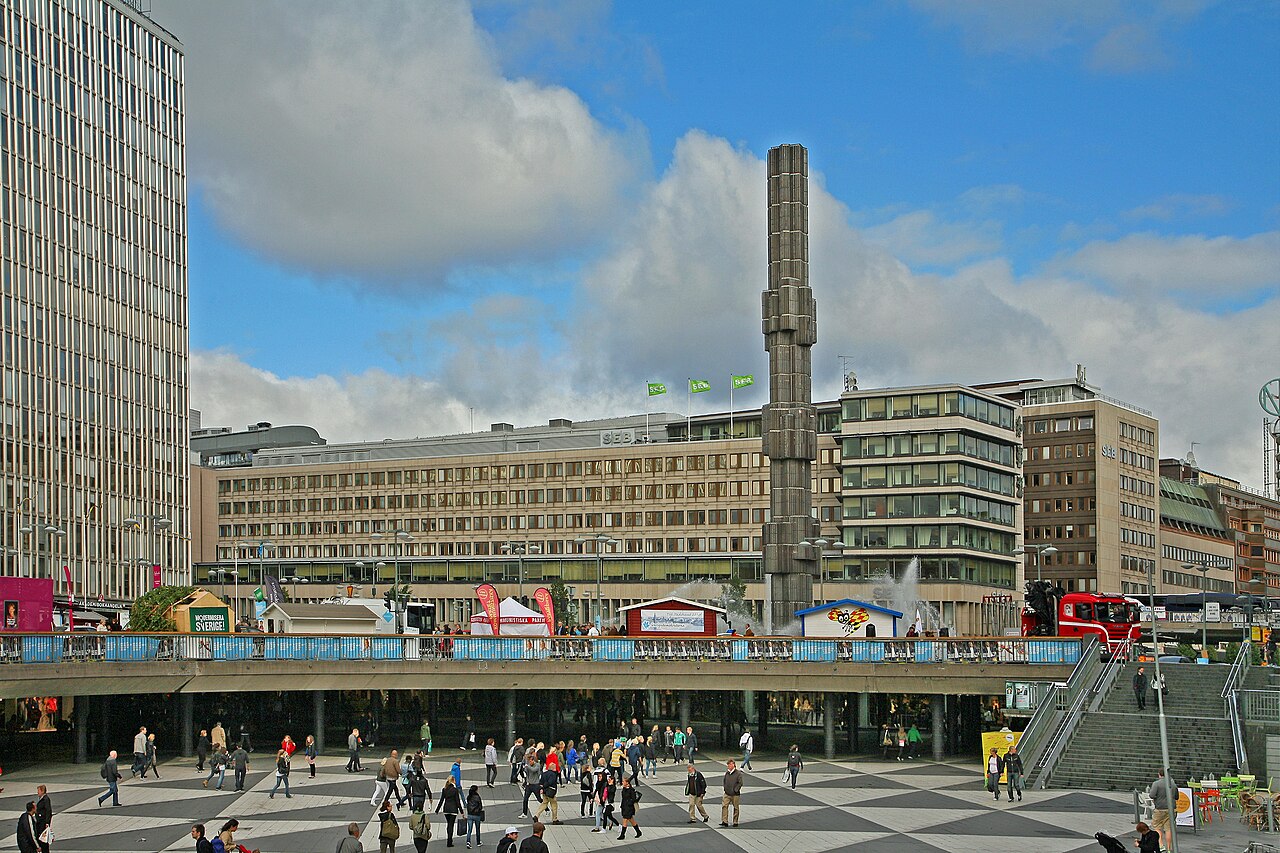
This place is a Artwork. It was established in 1974. It is built of steel.
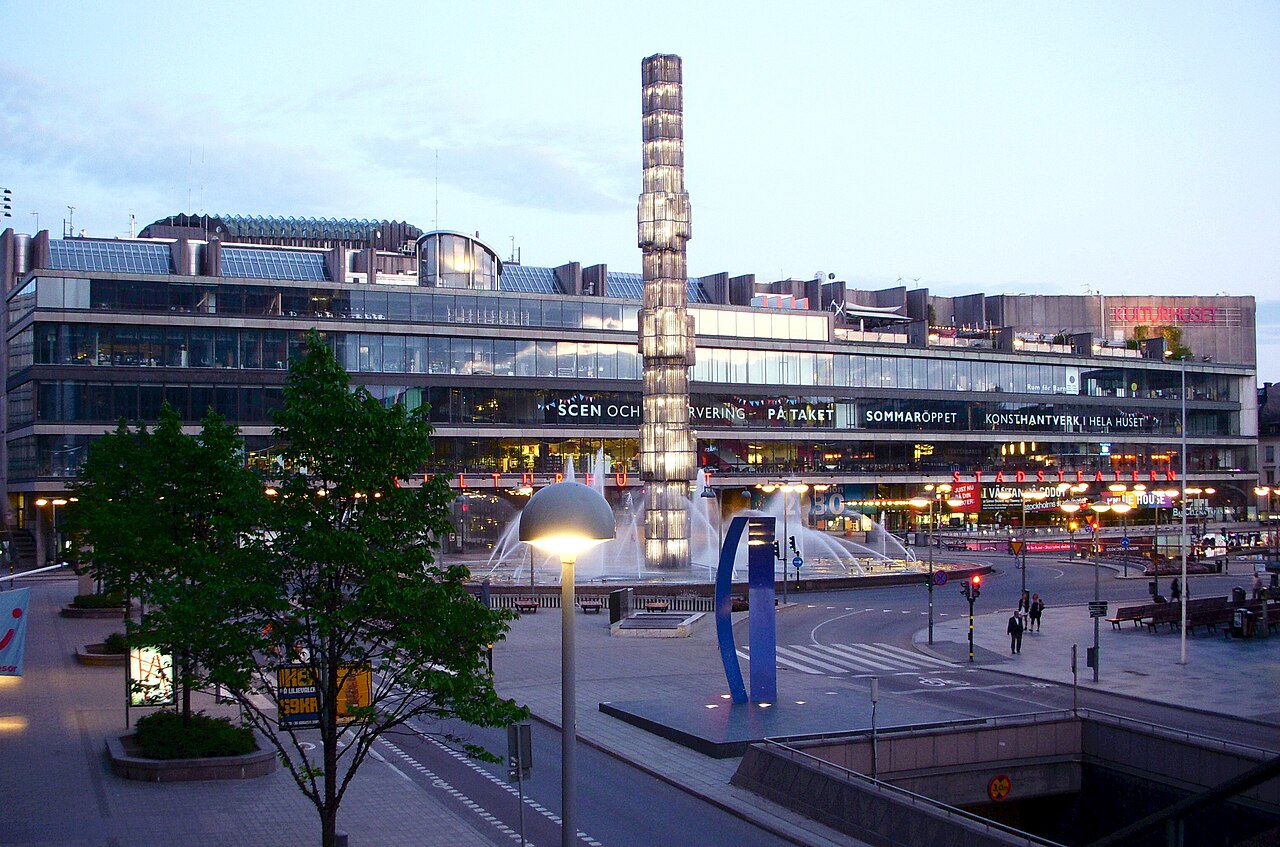
Kristallvertikalaccent is a permanent outdoor glass and crystal artwork in central Stockholm. It functions as a compact urban landmark rather than an enclosed attraction, so the experience comes from seeing the sculpture in its streetscape. Its vertical form gives the installation a strong presence among surrounding buildings and pedestrian routes. Travelers interested in Swedish design, public art, geometric forms, or unusual city details can include it as a short stop during a central Stockholm walk. The work is especially rewarding when viewed as part of the wider urban setting, where architecture, movement, and changing daylight become part of the scene.
Checked 2026-08-26 · Source
There is no interior to enter at Kristallvertikalaccent. Visitors experience the installation from the surrounding pedestrian areas, moving around it to study its vertical structure, glass surfaces, and crystal-like geometry. Different angles reveal different relationships between the artwork and the neighboring streets. Look for reflections, transparency, edges, and the way daylight changes across the materials. The attraction is visual and immediate: there are no galleries, rooms, or exhibition displays forming a separate visit. Allow space around the sculpture for a clear view, while remaining considerate of people using the surrounding public route.
Checked 2026-08-26 · Source
Plan roughly five to fifteen minutes for a focused stop at Kristallvertikalaccent. That time allows a traveler to view the artwork from more than one side and take a few photographs without turning the visit into a long interruption. Because the installation stands in the public realm, there is no entry process or tour sequence to follow. It works well as a waypoint between other central Stockholm destinations, especially for visitors building a walking route around design, shopping, architecture, and public spaces. Spend longer only if the light, reflections, or surrounding activity make the scene especially engaging.
Checked 2026-08-26 · Source
Daylight is the most useful time to see the glass and crystal surfaces clearly. Morning and late-afternoon light can create stronger reflections and changing highlights, while overcast weather may produce a softer, more even appearance. Stockholm's seasonal daylight makes the viewing experience notably different: summer offers long evenings, whereas winter provides a shorter afternoon window. Dress for the weather because the stop is outdoors and offers no dedicated shelter. Evening viewing can provide a different mood as the surrounding city lights become more prominent, but the sculpture's appearance depends on the ambient conditions around it.
Checked 2026-08-26 · Source
Viewing Kristallvertikalaccent is free because it is an outdoor public artwork in the city. There are no ticket booths, gates, or timed-entry arrangements described for the installation. Travelers can simply include the sculpture in a Stockholm walking itinerary and pause in the surrounding public area. Any spending connected with the stop comes from personal choices such as local transport, food, or shopping nearby rather than entry to the artwork itself. Its open urban setting makes it easy to combine with other central stops without reserving a separate attraction slot or budgeting for an admission ticket.
Checked 2026-08-26 · Source
Kristallvertikalaccent is in central Stockholm, where travelers can reach the surrounding area by walking, public transport, bicycle, or a combination of these. The central urban setting places it within Stockholm's connected streets and transit network. A traveler starting near Stockholm Central Station can make it part of a walk or use local transport before continuing through the city. Cyclists can approach through the city's bike network, while pedestrians should expect an active streetscape. Once nearby, the sculpture is experienced from the public route around it, making the final approach part of the urban-art encounter.
Checked 2026-08-26 · Source
This is an active city setting, not a quiet, separated sculpture garden. Keep aware of pedestrians, bicycles, and nearby urban movement while viewing or photographing the artwork. Glass and crystal surfaces are best appreciated without touching them; leave enough room for other people to pass. Stockholm's changeable weather affects comfort, and the installation itself does not provide cover from rain or wind. Crowds may be greater around nearby commercial streets during busy periods. A short, considerate pause works best: enjoy the details, keep equipment clear of the route, and avoid blocking access for others.
Checked 2026-08-26 · Source
Use Kristallvertikalaccent as a subject for geometric and abstract photography. A wider view can show the sculpture's full vertical shape together with the surrounding Stockholm streetscape, while closer compositions can emphasize facets, edges, transparency, and reflections. Directional daylight may create stronger contrast and highlights; cloudy conditions can make the surfaces easier to read evenly. Reflective material can confuse automatic exposure, so compare several exposures if the bright areas dominate the frame. Photograph from a safe position that leaves the pedestrian route open, and treat tripod use as a practical question of available space rather than an invitation to occupy the walkway.
Checked 2026-08-26 · Source
No. Kristallvertikalaccent is an outdoor sculptural installation, so visitors view it from the surrounding public areas rather than entering an interior.
Yes. Viewing the outdoor artwork is free, with no ticket or entry gate described.
A focused visit usually takes about five to fifteen minutes, including viewing the sculpture from several angles and taking photographs.
Daylight is useful for seeing the glass and crystal surfaces. Morning and late-afternoon light can produce changing reflections and highlights.
It is outdoors in central Stockholm, integrated into the surrounding pedestrian and urban environment.
Yes. Its public urban setting makes it suitable as a short waypoint between other central Stockholm destinations.
Loading the interactive map…
The interactive map could not be loaded.
Last updated:
Source: OpenStreetMap contributors, Wikidata ·