
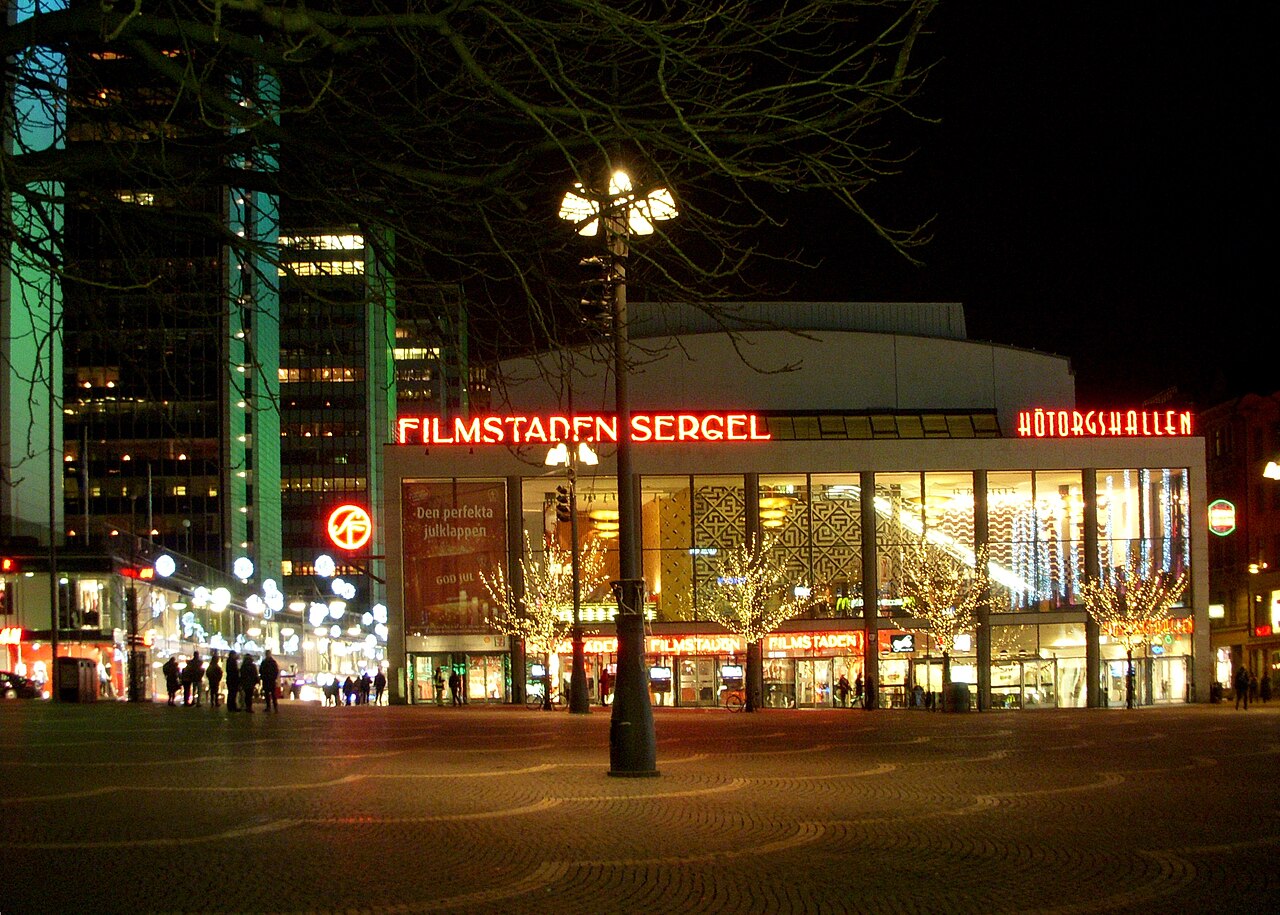
1 min walk
Filmstaden Sergel
- Notable
- Entertainment venue
Art and culture venue · Stockholm
Konserthuset
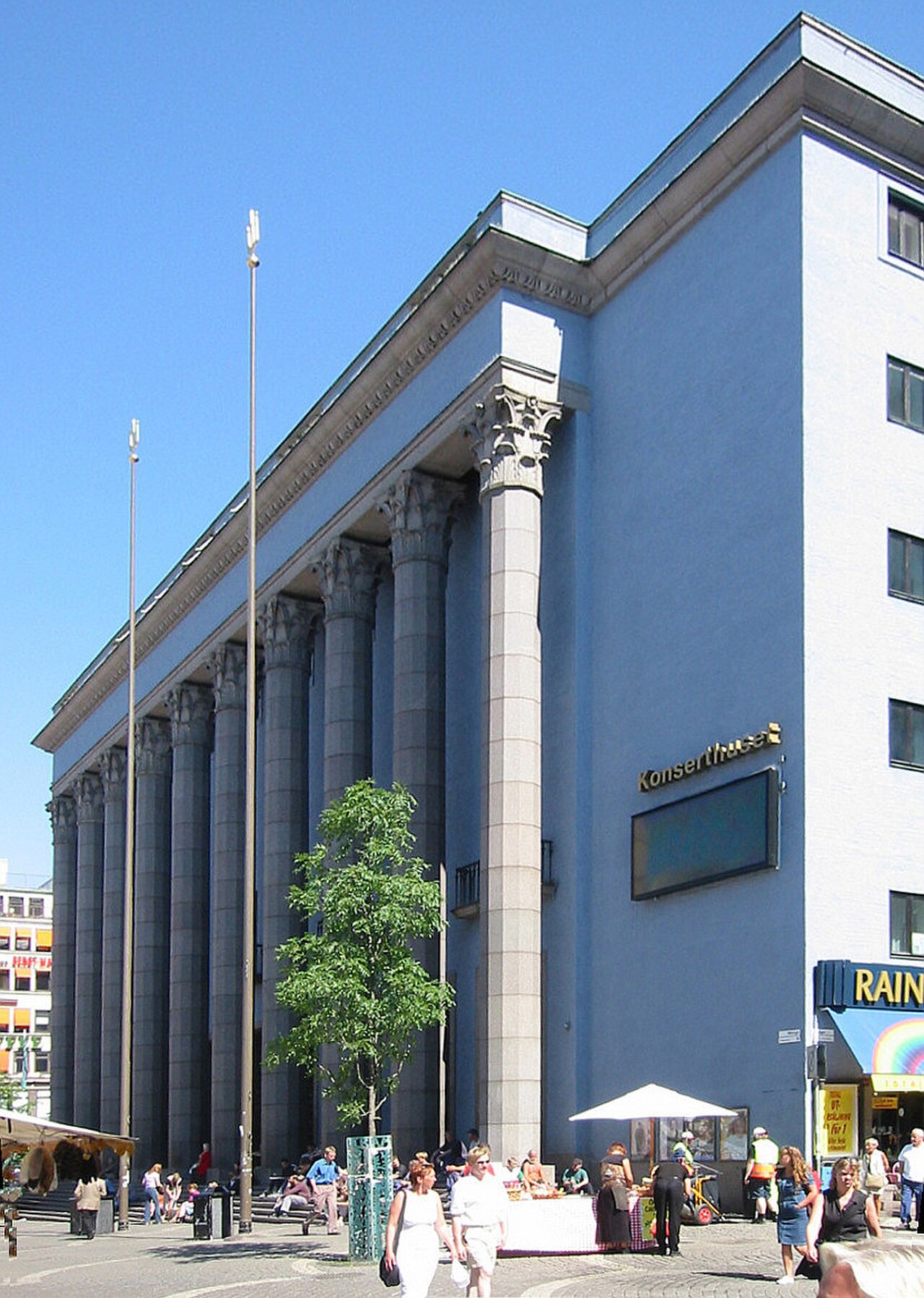
Stockholm Concert Hall, or Konserthuset, is a major concert venue at Hötorget in central Stockholm. Designed by Ivar Tengbom and opened in 1926, it is known for its neoclassical exterior, functionalist interior and role as the home of the Royal Stockholm Philharmonic Orchestra. The hall also hosts the Nobel Prize ceremonies for physics, chemistry, medicine, literature and economic sciences. Stockholm Concert Hall, known locally as Konserthuset, is a prominent concert venue in Sweden's capital. The building serves as the primary home of the Royal Stockholm Philharmonic Orchestra. Located in the city centre, it occupies a significant position in Stockholm's cultural landscape. The hall was designed by architect Ivar Tengbom and opened in 1926. Its neoclassical exterior and functionalist interior represent important architectural heritage. The venue hosts the annual Nobel Prize ceremonies for physics, chemistry, medicine, literature, and economic sciences, making it internationally recognised beyond its musical programming. Public interior access is primarily limited to performance attendees. The exterior may be viewed freely from Hötorget square.
Checked 2026-08-26 · Source
The main auditorium, Grünewald Hall, seats approximately 1,700 people and takes its name from artist Isaac Grünewald, who contributed to its decoration. A smaller chamber music hall provides another performance space. Foyers and audience areas surround the halls, while murals and decorative details preserve the building’s artistic character. The venue is principally a working concert hall, so interior experience is tied to performances and special access. The main auditorium, named Grünewald Hall after artist Isaac Grünewald who contributed to its decoration, accommodates approximately 1,700 spectators. A smaller chamber music hall provides additional performance space. The building contains foyers and public areas for audience gathering. The interior features notable artistic elements including murals and decorative details from its original construction period. The stage and acoustic design were conceived specifically for orchestral performance. Visitor access to interior spaces depends upon scheduled performances or special arrangements, as this remains primarily a working concert venue rather than a tourist attraction with permanent public exhibition areas.
Checked 2026-08-26 · Source
A concert visit generally occupies two to three hours, including an interval, although individual programmes vary. For architecture alone, allow fifteen to twenty minutes to view the facade and Hötorget setting. If attending a performance, arrive early enough to find your seat and settle before the music begins. The hall is not designed as a permanent self-guided exhibition, so a ticketed event gives the fullest interior experience.
Checked 2026-08-26 · Source
The concert season is strongest from autumn through spring, with programming that includes Royal Stockholm Philharmonic Orchestra concerts, visiting performances and chamber events. Summer programming is reduced. The Nobel Prize ceremonies take place on 10 December, though attendance is by invitation. For travellers, choose the performance first and build the rest of the day around its start time, allowing a calm arrival in central Stockholm.
Checked 2026-08-26 · Source
Tickets vary by performance, performer, programme and seating position. The box office sells concerts by the Royal Stockholm Philharmonic Orchestra and visiting artists, with online purchasing available through authorised channels. Subscription series serve regular attendees. Popular programmes may have limited availability, so choose seats with the performance in mind and keep the event’s advertised duration and arrival requirements in your evening plan.
Checked 2026-08-26 · Source
The concert hall stands directly at Hötorget in central Stockholm. Hötorget metro station on the green line provides direct access, and several bus routes pass nearby. The location is walkable from central districts such as Norrmalm and Gamla Stan for visitors who enjoy city walking. Its position on a major square makes the building easy to recognise, while taxis and ride services can reach the surrounding streets.
Checked 2026-08-26 · Source
Arrive punctually: late audience members may wait for an appropriate break before entering. Silence mobile devices and remain seated during the performance except during designated intervals. Photography and recording are prohibited during performances. Avoid bulky items if possible, since cloakroom capacity can be limited. The building includes stairs and different levels; raise accommodation needs while arranging tickets. Dress varies by event, and formal clothing is not required for every programme.
Checked 2026-08-26 · Source
The facade and neoclassical details are best photographed from the public spaces around Hötorget. The square provides context, while evening illumination creates a different mood from daytime views. During performances, do not photograph or record inside the hall. Follow venue signage and staff directions in foyers and audience areas. Professional or commercial photography needs separate permission, and large equipment may be impractical in a busy performance setting.
Checked 2026-08-26 · Source
It stands at Hötorget in central Stockholm, beside Hötorget metro station on the green line.
Stockholm Concert Hall is the primary home of the Royal Stockholm Philharmonic Orchestra.
Grünewald Hall is the main auditorium, named after artist Isaac Grünewald, and accommodates approximately 1,700 spectators.
A typical concert visit lasts two to three hours including an interval, while a facade visit takes about fifteen to twenty minutes.
The Nobel Prize ceremonies for physics, chemistry, medicine, literature and economic sciences take place at Konserthuset on 10 December.
The exterior facade can be viewed from Hötorget. Interior access is primarily connected with performances and special arrangements.
Loading the interactive map…
The interactive map could not be loaded.
Last updated:
Source: OpenStreetMap contributors, Wikidata ·