1 min walk
Alter Botanischer Garten
- Must see
- Nature site
Museum · Zurich
Völkerkundemuseum der Universität Zürich
| Monday | Closed |
|---|---|
| Tuesday | 10:00 – 17:00 |
| Wednesday | 10:00 – 17:00 |
| Thursday | 10:00 – 19:00 |
| Friday | 10:00 – 17:00 |
| Saturday | 14:00 – 17:00 |
| Sunday | 11:00 – 17:00 |
Checked 2026-08-31 · Source
| Per person | Free entry |
|---|
Checked 2026-08-31 · Source
Read from the OpenStreetMap access tags; anything not listed has no tag recorded.
Set the group type to family in the planner and the day window contracts to about three quarters of a solo day.
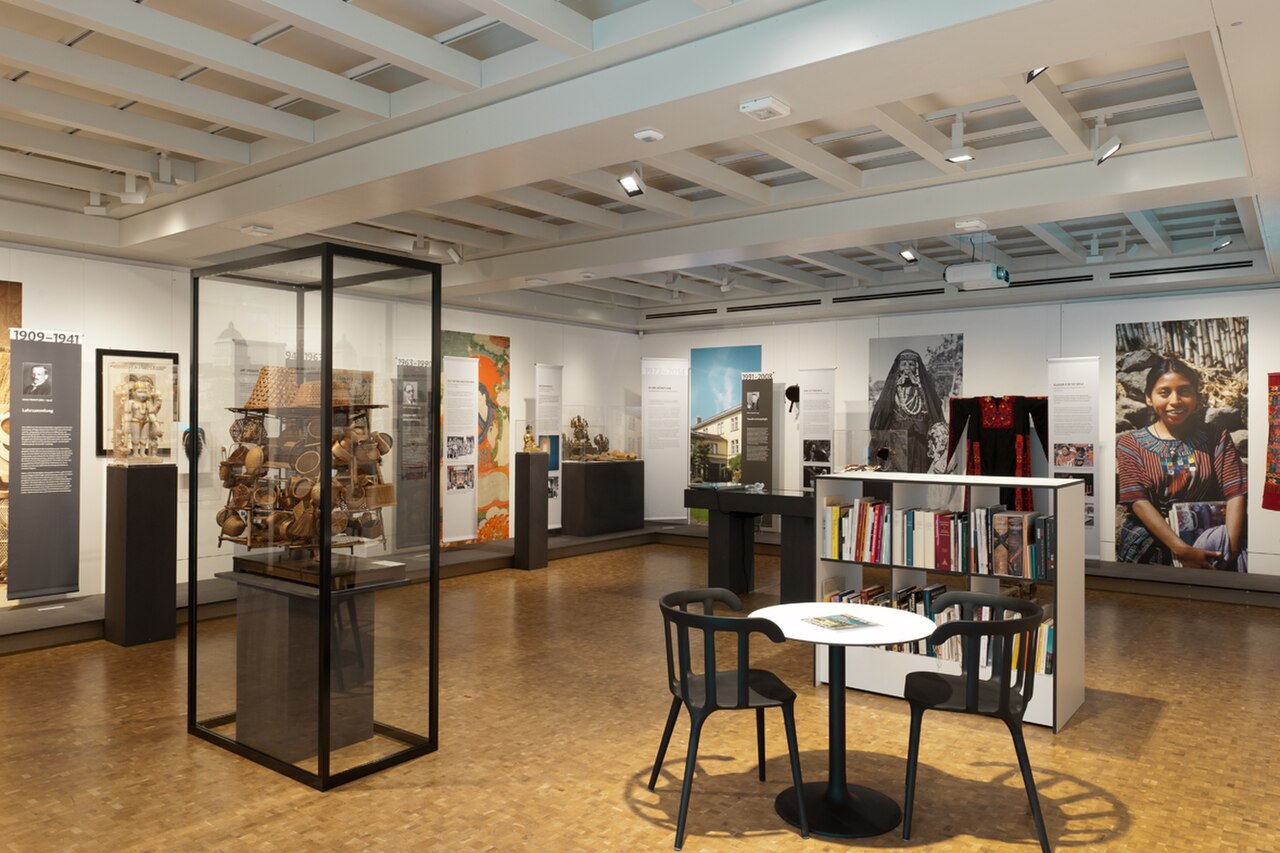
The Ethnographic Museum of the University of Zurich, also called Völkerkundemuseum der Universität Zürich, is a university museum devoted to ethnographic collections and cultural anthropology. It offers a more specialised cultural stop than Zurich’s major art and history museums, with attention centred on material culture and the ways communities are represented through objects and exhibitions. The academic setting gives the museum a research-oriented character that suits visitors who enjoy focused, thoughtful displays. The Ethnographic Museum of the University of Zurich, locally known as Völkerkundemuseum der Universität Zürich, is a museum dedicated to ethnographic collections and cultural anthropology. It operates under the University of Zurich and serves as a research and exhibition institution. The museum holds significance within Zurich's cultural landscape, though it does not appear in the top ten visitor priorities of major tourism guides. Its academic affiliation distinguishes it from municipal or national museums, positioning it as a specialized destination for those interested in global cultures and university-affiliated collections rather than mainstream tourist attractions. No. The ranking note indicates position 27 in corrected visitor-priority order, excluding similarly named or nearby proxies. It does not appear on the zuerich.com top-ten list or in highlighted Lonely Planet recommendations.
Checked 2026-08-26 · Source
The museum’s subject is global cultural life as explored through ethnographic collections and anthropological interpretation. Visitors can expect the experience to centre on objects, cultural context and exhibition themes rather than a single national history. Displays may be especially rewarding when read slowly, because the value lies in connections between everyday objects, belief, identity and social practice. Its university affiliation makes it a suitable choice for visitors seeking a quieter, more concentrated museum visit. The museum's holdings would typically reflect academic research interests and fieldwork conducted through the university. Visitors should consult the museum directly or verify current exhibition information before planning a visit, as university museums frequently rotate displays based on teaching schedules and research priorities rather than maintaining permanent public galleries.
Checked 2026-08-26 · Source
Plan about one to one and a half hours for a focused visit. Visitors who read every label or have a strong interest in anthropology may stay longer, while a brief overview can fit into less time. The museum’s specialised subject rewards attention rather than rushing through a large complex. It works well as one indoor stop within a central Zurich day, leaving room for nearby streets, cafés or other cultural venues.
Checked 2026-08-26 · Source
An indoor museum visit fits Zurich plans in every season and is particularly useful on rainy or cold days. Because the institution belongs to a university, its public programme can follow an academic rhythm rather than the long daily schedule of a commercial attraction. Place it early in the day if it is central to your plan, leaving flexibility around the rest of your route. The focused galleries suit visitors who prefer quieter cultural stops.
Checked 2026-08-26 · Source
Treat the museum as a compact cultural stop and plan the surrounding day without relying on a particular ticket price. University museums can have admission arrangements distinct from larger Zurich institutions, including policies connected with their educational role. If cost is important to your itinerary, keep a small amount of flexibility in the day’s cultural budget rather than assigning a precise figure.
Checked 2026-08-26 · Source
The museum is in Zurich and can be incorporated into the city’s public transport and walking network. Zurich Hauptbahnhof is the principal interchange for visitors arriving by train. Once in the central area, walking between cultural destinations can be practical and helps connect the museum with the surrounding city.
Checked 2026-08-26 · Source
This is a specialised ethnographic museum, so its appeal depends on curiosity about cultural anthropology and material culture. Some interpretation may be more academic than the storytelling found in large tourist museums. Take time with the context surrounding objects and consider how collections and narratives shape what visitors see. The university setting also makes exhibition timing important to the day’s plan. Give the museum a focused window rather than expecting a broad, all-purpose Zurich attraction.
Checked 2026-08-26 · Source
Approach photography as part of the museum’s collection etiquette. Ethnographic objects may carry cultural significance beyond their material appearance, and exhibition-specific rules can apply. If photography is permitted in a gallery, avoid flash and keep equipment from obstructing other visitors. The strongest visual record may come from the building, display arrangement and your own notes rather than photographing every object. Follow the museum’s posted directions and staff guidance throughout the visit.
Checked 2026-08-26 · Source
It is a University of Zurich museum focused on ethnographic collections and cultural anthropology.
It suits visitors interested in anthropology, material culture, global societies and focused university-affiliated exhibitions.
A focused visit takes about one to one and a half hours, with more time useful for careful reading and study.
Yes. The museum provides an indoor cultural stop that can be paired with other central Zurich museums, streets and cafés.
Use Zurich’s public transport network or walk from another central destination, starting from the museum’s mapped location for the final route.
Read the cultural context carefully and remember that objects and their display can carry meanings beyond their visual appearance.
Loading the interactive map…
The interactive map could not be loaded.
Last updated:
Source: OpenStreetMap contributors, Wikidata ·