2 min walk
Rieterpark
- High
- Nature site
Language · 11 published
Historic monument · Zurich
Reviewed by Elena Voss · Roavina Travel Editor
| Monday | Closed |
|---|---|
| Tuesday | 10:00 – 17:00 |
| Wednesday | 10:00 – 20:00 |
| Thursday | 10:00 – 17:00 |
| Friday | 10:00 – 17:00 |
| Saturday | 10:00 – 17:00 |
| Sunday | 10:00 – 17:00 |
Checked 2026-08-31 · Source
Read from the OpenStreetMap access tags; anything not listed has no tag recorded.
Set the group type to family in the planner and the day window contracts to about three quarters of a solo day.
It was designed by Leonhard Zeugheer. It carries the class A Swiss cultural property of national significance heritage designation.
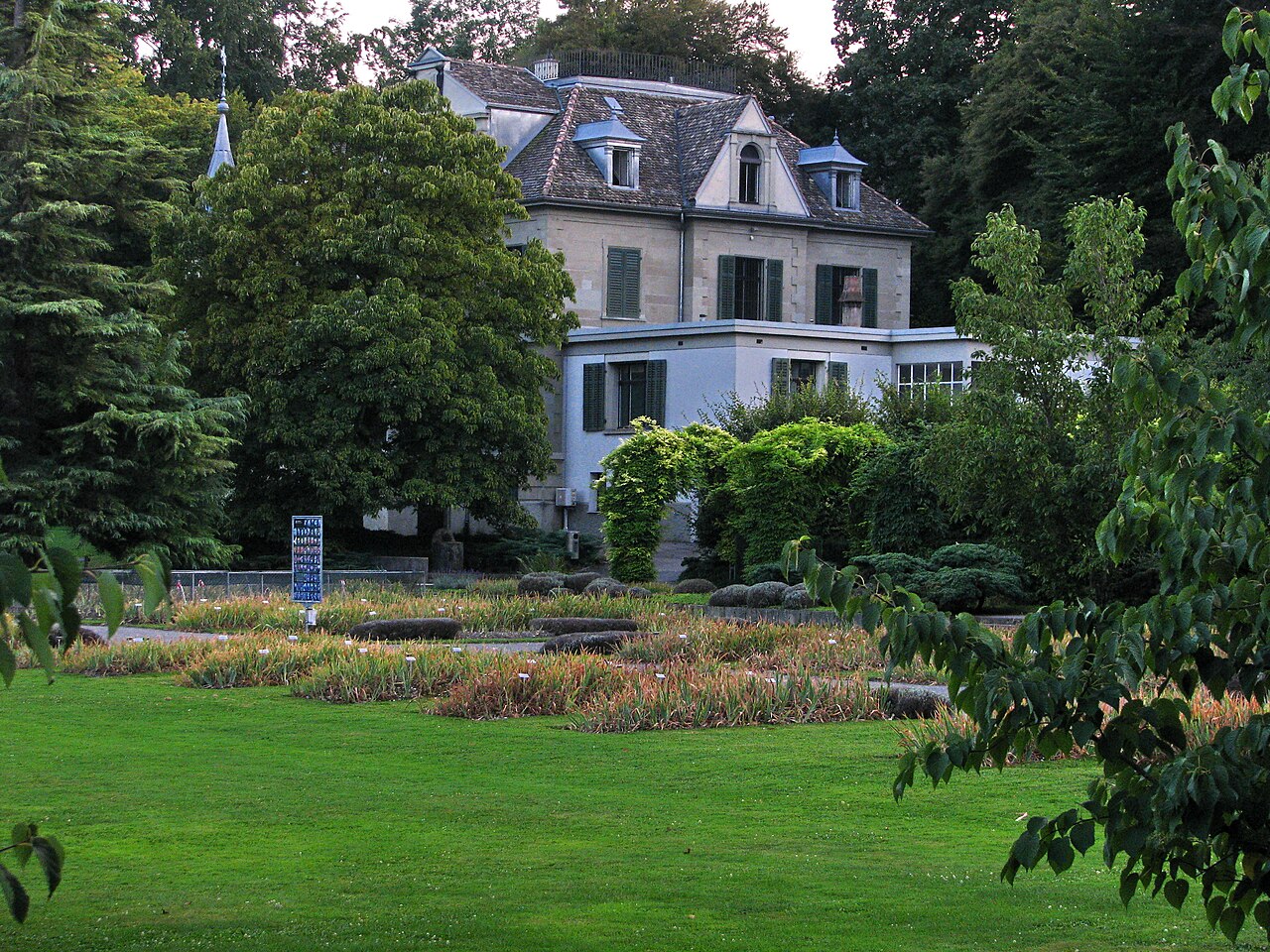
Villa Wesendonck is a historic villa in Zurich’s Enge district near Lake Zurich. The property is associated with the Wesendonck family, especially Mathilde Wesendonck, and with Richard Wagner’s Zurich period. Wagner lived nearby and composed parts of his work during his stay in the area. For travellers, the villa offers a meeting point between architecture, music, literature and the lakeside landscape. It is best understood as a cultural landmark in an urban neighbourhood, not simply as another generic historic building. Villa Wesendonck is a historic villa in Zurich, Switzerland, located in the Enge district near Lake Zurich. The villa was built in the 19th century and is associated with the Wesendonck family, particularly Mathilde Wesendonck, who was a muse to the composer Richard Wagner.
Checked 2026-08-26 · Source
Villa Wesendonck’s importance comes primarily from its historic setting and cultural associations. The 19th-century building provides a visual link to the Wesendonck family and to the artistic world surrounding Wagner in Zurich. Travellers interested in music history can use the villa as a starting point for thinking about Wagner’s local connections, while architecture enthusiasts can study the building’s period character. The lakeside context adds another layer: the property sits within a neighbourhood where cultural history and everyday urban life meet. The setting matters as much as the structure itself.
Checked 2026-08-26 · Source
A brief exterior-focused stop at Villa Wesendonck may take only a few minutes, while a visitor combining architectural observation with Wagner and Wesendonck research can spend longer in the surrounding area. Allow roughly thirty to sixty minutes for the property and its immediate setting, then continue towards Lake Zurich or other Enge sights. The villa is not a full-day destination by scale, but its historical associations reward travellers who pause to connect the building with Zurich’s musical and literary story.
Checked 2026-08-26 · Source
Daylight is the most useful time for appreciating Villa Wesendonck’s exterior architecture and its relationship with the surrounding Enge neighbourhood. Warmer months make it easier to combine the stop with a lakeside walk, while cooler or wetter days favour a shorter architectural visit followed by indoor activities elsewhere in Zurich. The setting can feel especially atmospheric when the light changes across the lake and nearby streets. Build the villa into a flexible cultural route so the visit supports, rather than dictates, the rest of your day.
Checked 2026-08-26 · Source
Villa Wesendonck is most useful to travellers who value cultural context, architecture and the history of Zurich’s artistic circles. The property can form a short heritage stop within a day that also includes the lake, neighbourhood walks and music-related places. Its significance is tied to the Wesendonck family and Richard Wagner, so reading a little about those connections can make the building more meaningful. Treat the surrounding Enge landscape as part of the experience: the route through the district helps connect the villa with the city that shaped its story.
Checked 2026-08-26 · Source
Villa Wesendonck is in Zurich’s Enge district near Lake Zurich. Trams and buses serve Enge, while Zurich Hauptbahnhof provides the main rail connection for visitors arriving from elsewhere. Walking from nearby lakeside promenades is practical and gives the visit more context than a direct vehicle journey. Cycling can also suit a route along the lake. Use the mapped position for the final approach, then combine the villa with neighbourhood streets, lake views and other central Zurich destinations rather than planning it as a remote excursion.
Checked 2026-08-26 · Source
Villa Wesendonck may be encountered as part of a living urban neighbourhood, so visitors should keep entrances, boundaries and private areas clear. The property’s value is strongly historical, and the connection with Wagner and Mathilde Wesendonck rewards a respectful, unhurried approach. Comfortable shoes help when combining the villa with lakefront walking. Weather can affect the outdoor character of the visit, especially near the lake. Keep the distinction between a cultural landmark and ordinary residential surroundings in mind while exploring the Enge district.
Checked 2026-08-26 · Source
Villa Wesendonck is a rewarding subject for exterior photography because its historic architecture gains context from the Enge neighbourhood and nearby Lake Zurich. Photograph the building from public spaces and include surrounding trees, streets or lake light to show its setting. Details of the façade can be more informative than a single wide view. Respect privacy if any part of the property serves a non-public purpose, and avoid entering restricted areas for a better angle. A walking route around the district offers changing perspectives throughout the day.
Checked 2026-08-26 · Source
It is known for its historic villa setting, its association with the Wesendonck family and its connection with Richard Wagner’s Zurich period.
Richard Wagner lived nearby during his Zurich period and composed parts of his work during his stay in the area associated with Villa Wesendonck.
It is in Zurich’s Enge district near Lake Zurich, with tram, bus and walking connections through the city’s central transport network.
Allow roughly thirty to sixty minutes for the villa and its immediate setting, with extra time for a lakeside walk or cultural route through Enge.
Yes. Its Enge location near Lake Zurich makes it natural to combine with lakeside walking, neighbourhood exploration and other central Zurich activities.
It suits travellers interested in 19th-century architecture, Richard Wagner, Mathilde Wesendonck, music history, literary connections and Zurich’s lakeside neighbourhoods.
Loading the interactive map…
The interactive map could not be loaded.
Last updated:
Source: OpenStreetMap contributors, Wikidata ·