2 min walk
Polyterrasse
- Must see
- Viewpoint

Museum · Zurich
Naturhistorisches Museum
| Monday | Closed |
|---|---|
| Tuesday | 10:00 – 17:00 |
| Wednesday | 10:00 – 17:00 |
| Thursday | 10:00 – 20:00 |
| Friday | 10:00 – 17:00 |
| Saturday | 10:00 – 17:00 |
| Sunday | 10:00 – 17:00 |
Checked 2026-08-31 · Source
| Per person | Free entry |
|---|
Checked 2026-08-31 · Source
Read from the OpenStreetMap access tags; anything not listed has no tag recorded.
Set the group type to family in the planner and the day window contracts to about three quarters of a solo day.
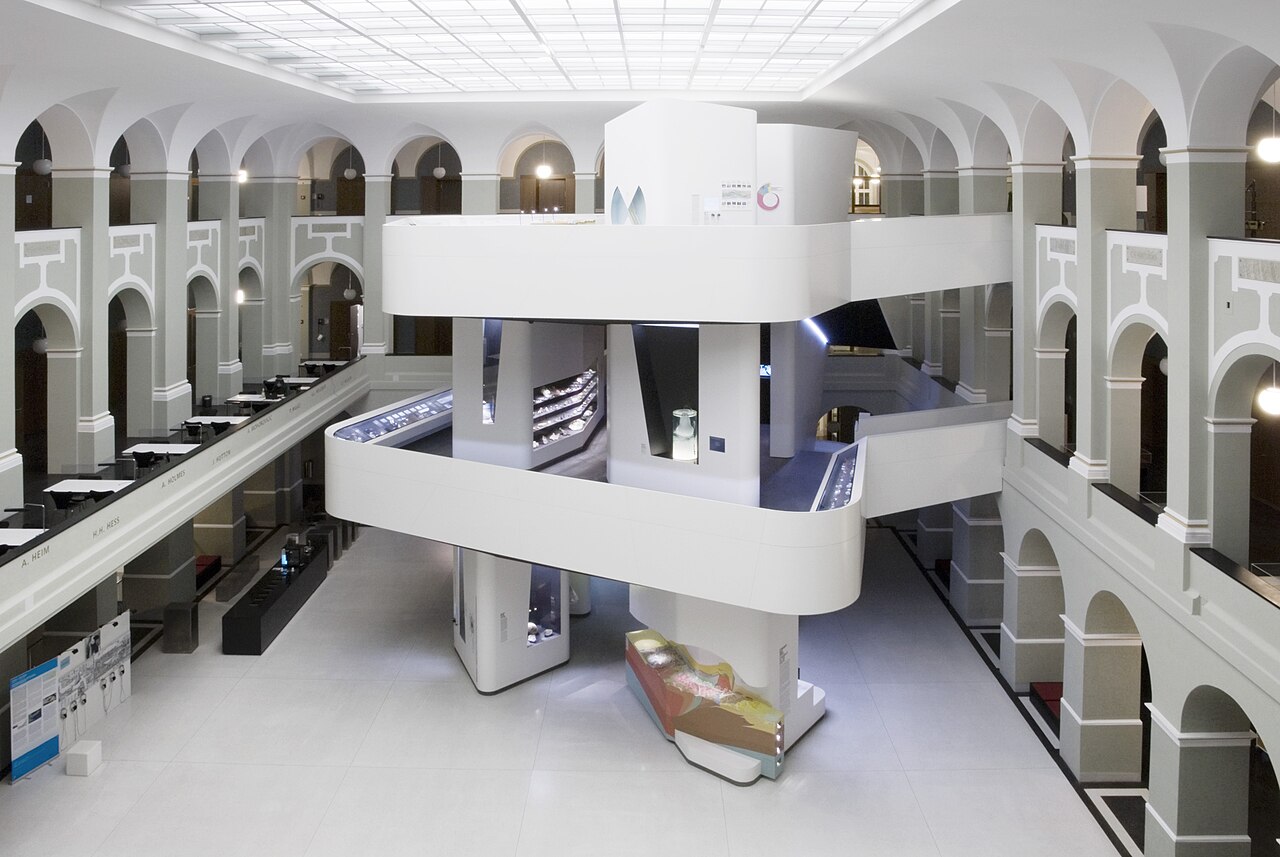
The Zoological Museum of the University of Zurich is a university museum devoted to zoology and natural history. The museum connects public education with the University of Zurich’s scientific collections, giving visitors an opportunity to explore animals through preserved specimens, skeletal material, taxonomy, biodiversity, and evolution. It belongs to Zurich’s academic and cultural landscape rather than functioning as a zoo: the experience centres on museum displays, scientific classification, and the physical evidence used to study animal life. The university setting gives the museum a scholarly character, but the subject remains accessible to anyone curious about how species are compared and understood. This is a useful stop for visitors who want a quieter alternative to Zurich’s major art museums, especially when a city itinerary needs an indoor attraction with a clear natural-science focus.
Checked 2026-08-26 · Source
The museum presents zoological specimens and natural-history material developed through university research and scientific study. Visitors should expect preserved animals, skeletons, educational displays, and explanations concerned with taxonomy, biodiversity, and evolutionary relationships rather than live exhibits. Specimens make comparison possible: size, structure, body plans, and adaptations become easier to understand when different animals are shown together. The collection also reflects the work of a university museum, where objects support both teaching and research. Take time to look at labels and display groupings, because the arrangement of specimens is part of the explanation. The museum’s strength is the direct encounter with scientific material, from individual animal forms to broader questions about classification and the diversity of life. It suits visitors who enjoy observation and detail more than spectacle or interactive entertainment.
Checked 2026-08-26 · Source
Plan roughly one to two hours for a thoughtful visit to the Zoological Museum of the University of Zurich. The time works well for reading display labels, comparing specimens, and moving through the principal zoological themes without treating the museum as a quick photo stop. Visitors with a strong interest in taxonomy, evolutionary biology, or particular animal groups may want longer. Families can divide the visit into shorter periods, focusing on the specimens that interest children most. The museum’s academic subject rewards attention: a slower pace reveals structural details that are easy to miss when visitors move rapidly between cases. Its manageable scale also makes it suitable for pairing with other university-district or central Zurich activities. Set aside additional time only when the collection itself is a major purpose of the day.
Checked 2026-08-26 · Source
The Zoological Museum is a dependable choice for a Zurich day shaped by indoor learning, particularly during cold or wet weather. A quieter period gives visitors more room to read labels and study specimens, while families may prefer a time when children are alert and able to engage with the displays. The museum’s university setting gives it a different rhythm from a large tourist attraction: the visit is centred on collections and explanation rather than spectacle. Build the stop into a wider cultural route through Zurich, allowing enough time for the exhibits instead of treating the museum as a passing photograph. The supplied place record does not state public opening hours, seasonal schedules, or holiday closures, so no timetable is included here. The attraction’s value remains consistent across seasons because its principal experience is indoors.
Checked 2026-08-26 · Source
The supplied place record does not state an admission amount, concession structure, family rate, or reservation arrangement for the Zoological Museum of the University of Zurich. This guide therefore gives no entry price. The museum’s university connection is relevant to its identity and collections, but it does not provide enough information to describe a particular payment policy. Visitors can still plan the stop around its clear strengths: preserved specimens, skeletal material, biodiversity, taxonomy, and evolutionary displays. A visit suits a cultural itinerary that balances Zurich’s art institutions with natural science. The collection is the reason to allocate time, whether the visitor comes for general curiosity, family learning, or a closer look at zoological classification. Keep the museum’s focused scope in mind when planning the day, since the experience is educational and specimen-based rather than a live-animal attraction.
Checked 2026-08-26 · Source
The Zoological Museum of the University of Zurich sits within Zurich’s university and academic environment, which is connected to the city’s tram, bus, and railway network. Public transport is the practical way to approach a university-district museum from central Zurich or Zürich Hauptbahnhof. Walking can also suit visitors already exploring the centre, depending on the starting point and personal pace. Cycling is another urban option, although the supplied place record does not describe bicycle parking. Driving into central Zurich can be less convenient because of traffic and parking limits. Use the mapped museum position to plan the last part of the route, then allow time to find the entrance within the university surroundings. The academic setting is part of the visit: the museum feels integrated into the city’s learning landscape rather than separated from it.
Checked 2026-08-26 · Source
The Zoological Museum is a specimen museum, not a live-animal venue or children’s play space. Visitors who prefer interactive attractions may find the experience more observational and label-led. Preserved animals and skeletal displays can be unsettling for some people, so consider the collection’s scientific format before bringing very young children. Keep voices low and follow ordinary museum conduct around cases and research-related material. The university context can give the museum a more academic atmosphere than a commercial attraction. The place record does not describe wheelchair access, toilets, bag rules, food rules, or photography permissions, so those features are not included in this guide. Children benefit from an adult who helps connect specimens with familiar animals and explains why scientists compare anatomy, habitats, and evolutionary relationships.
Checked 2026-08-26 · Source
The Zoological Museum offers detailed photographic subjects in the form of preserved specimens, skeletons, cases, labels, and scientific arrangements. Close images can reveal anatomy and texture, while wider frames show how the university collection is organised for public learning. Move carefully around display cases and keep equipment from blocking other visitors. The supplied place record does not define photography permissions, flash rules, tripod use, or video recording, so visitors should follow the signs and staff directions inside the museum. Avoid treating specimens as decorative props: the displays represent scientific collections and deserve careful handling of the visitor environment. A respectful, quiet approach works well for both photography and close observation, especially when other visitors are reading labels or studying the same case.
Checked 2026-08-26 · Source
The Zoological Museum of the University of Zurich is also known locally as the Naturhistorisches Museum.
No. The museum focuses on preserved zoological specimens, skeletal material, scientific displays, taxonomy, biodiversity, and evolution.
Allow roughly one to two hours for reading labels, comparing specimens, and exploring the principal zoological displays.
The museum covers animal taxonomy, biodiversity, evolutionary biology, preserved specimens, and skeletal anatomy through university collections and educational displays.
Families can enjoy the museum when children are interested in animals and adults help explain the preserved specimens, skeletons, and scientific comparisons.
Its university setting combines public education with scientific zoological collections, giving the visit a research-informed and specimen-based character.
Loading the interactive map…
The interactive map could not be loaded.
Last updated:
Source: OpenStreetMap contributors, Wikidata ·