
4 min walk
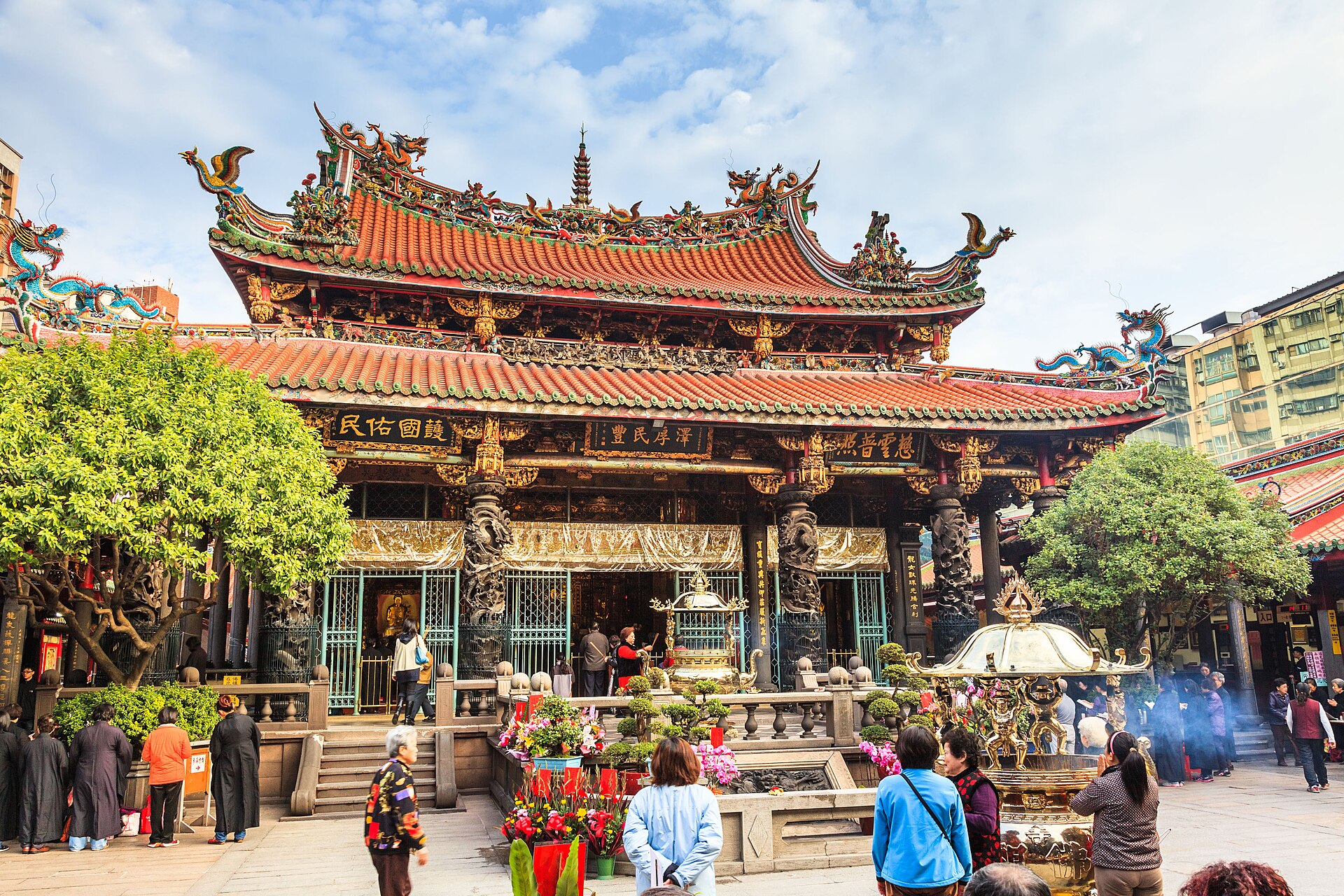
Bangka Lungshan Temple
- Must see · Heritage site
- Place of worship
Language · 11 published
Historic monument · Taipei
剝皮寮歷史街區
Reviewed by Elena Voss · Roavina Travel Editor
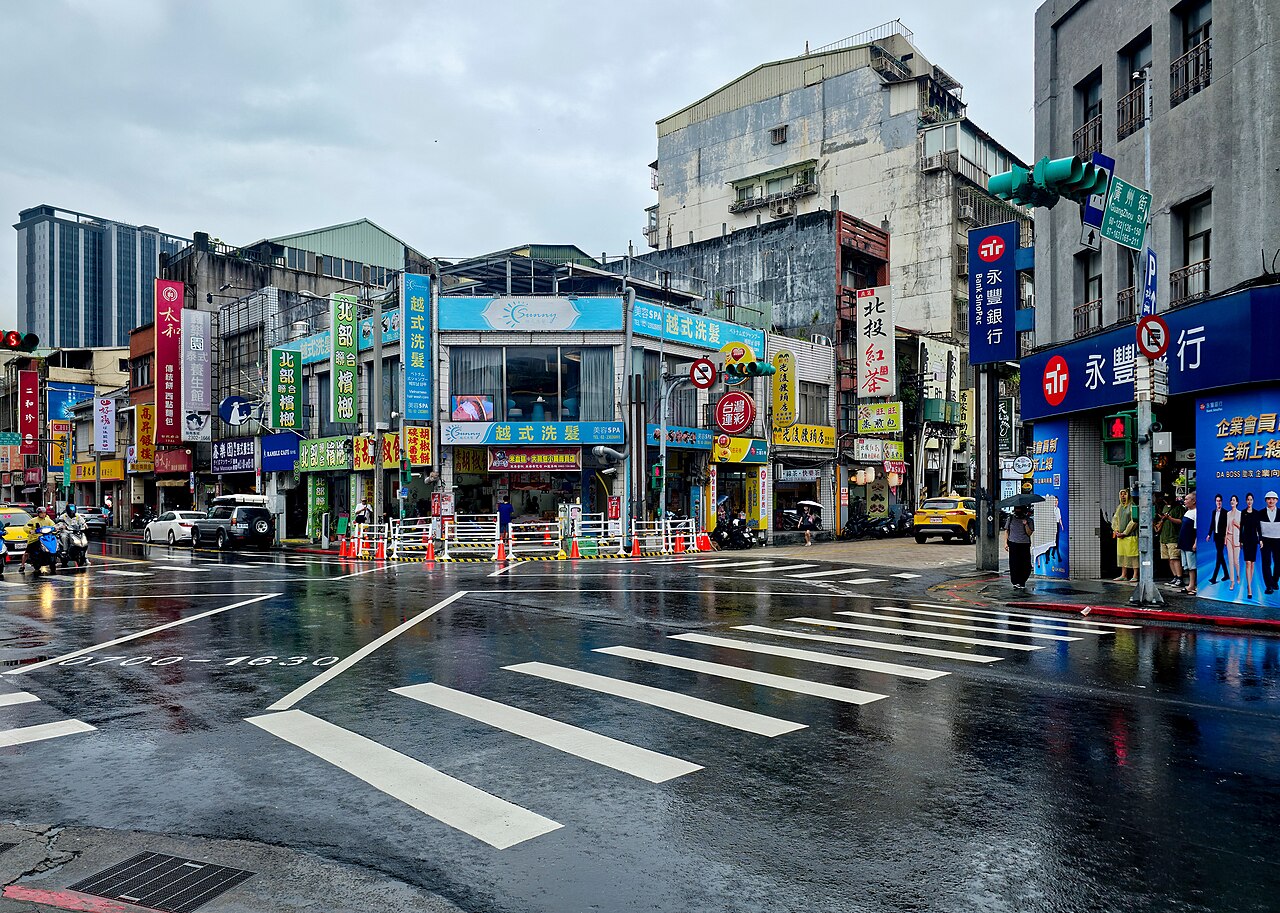
This place is a Attraction. It carries the Historic Building of Taiwan heritage designation.
Bopiliao Historic Block, known locally as 剝皮寮歷史街區, preserves an old streetscape in Taipei’s Wanhua district. Its buildings and lanes connect visitors with the city’s Qing dynasty and Japanese colonial-era development. Instead of presenting history as an isolated object, the block lets you walk through a preserved urban environment of facades, narrow passages, and traditional shop-house forms. It is a rewarding stop for travellers interested in architecture, neighbourhood history, and Taipei’s older layers. Bopiliao Historic Block is a preserved heritage area in Taipei, known locally as 剝皮寮歷史街區. The district showcases Qing dynasty and Japanese colonial-era architecture, offering visitors a tangible connection to Taipei's urban development. The site functions as a cultural destination where historical streetscapes have been maintained rather than redeveloped. Its retention in Taipei's official attraction inventory confirms its standing as a meaningful visitor destination, though no specific point-of-interest identifier has been assigned through the city's place identification system. Visitors should verify current access arrangements through official Taipei tourism channels.
Checked 2026-08-26 · Source
The block contains traditional shophouses, lane structures, brick facades, carved wooden details, and streets shaped by earlier patterns of urban life. Much of the experience is outdoors, with the architecture and street proportions providing the main focus. Cultural exhibitions and educational activities can add interpretation to the preserved setting. Interior access varies by building and programme, so travellers should treat the exterior streetscape as the core attraction and use any open cultural spaces as an added layer. The block contains traditional shophouses and lane structures characteristic of late nineteenth and early twentieth-century Taipei.
Checked 2026-08-26 · Source
Set aside roughly sixty to ninety minutes for a comfortable visit. That allows time to walk the lanes without rushing, study facade details, read interpretation, and take photographs. The preserved area is compact, so the visit does not require a long-distance walk. Visitors with a strong interest in historic architecture may stay longer, particularly when exhibitions or educational activities are taking place. Bopiliao also fits naturally into a wider Wanhua day with nearby historic and religious landmarks.
Checked 2026-08-26 · Source
Visit in daylight to see the brickwork, wooden details, and narrow lanes clearly. Because much of the experience takes place outdoors, dry weather is more comfortable and makes photography easier. Taipei can be humid in summer and rainy in winter, so light clothing or rain protection may improve the walk. The historic block works well during a daytime Wanhua route, especially when you want to combine architecture with nearby markets, temples, and traditional streets.
Checked 2026-08-26 · Source
Bopiliao Historic Block is presented as a public heritage destination in Taipei, and the preserved streets can be approached as part of a neighbourhood walk. Different cultural rooms, exhibitions, or activities may have their own access arrangements. The most useful way to plan the visit is to focus on the freely walkable historic setting and treat any indoor programme as an optional addition. The block’s open urban character makes it easy to include alongside other Wanhua stops.
Checked 2026-08-26 · Source
Longshan Temple MRT Station on the Bannan Line is the nearby rail gateway to Bopiliao Historic Block. From the station, continue through Wanhua’s surrounding streets on foot. Buses serve the wider district, while taxis can bring you to the neighbourhood before the final approach through narrower streets. Walking is the practical way to experience the block because its historic lanes are not designed as a drive-through attraction. Combine the route with Longshan Temple and nearby markets.
Checked 2026-08-26 · Source
Historic lanes can have uneven or worn paving, and the preserved buildings may not offer the same circulation as a modern venue. Wear comfortable shoes and allow extra care where surfaces change. The block sits within an active urban district, so watch for traffic on adjoining streets and keep belongings secure in crowded areas. Respect cultural activities, residents, and other visitors. The best experience comes from moving slowly through the streetscape rather than treating the block as a single indoor display.
Checked 2026-08-26 · Source
Bopiliao is well suited to photographs of historic facades, narrow alley perspectives, brick textures, wooden details, and the changing rhythm of light across the lanes. Use the street’s geometry to create depth, especially where shophouses frame a passage. Interior photography depends on the activity in each space, so follow local signs and staff directions. Avoid blocking paths or photographing people intrusively. A wide view records the whole historic setting, while close details reveal the craftsmanship that gives the block its character.
Checked 2026-08-26 · Source
It is in Taipei’s Wanhua district, within the city’s historic western neighbourhood.
Longshan Temple MRT Station on the Bannan Line provides nearby access, followed by a walk through Wanhua.
The block includes traditional shophouses, brick facades, narrow lanes, carved wooden elements, and historic street proportions.
Most visitors should allow about sixty to ninety minutes for the lanes, architecture, interpretation, and photographs.
Yes. The preserved streets and building exteriors form the main experience, with interior access depending on cultural spaces and activities.
It combines naturally with Longshan Temple, Wanhua’s markets, and other historic streets in western Taipei.
Loading the interactive map…
The interactive map could not be loaded.
Last updated:
Source: OpenStreetMap contributors, Wikidata ·