


4 min walk
Bangka Lungshan Temple
- Must see · Heritage site
- Place of worship
Place of worship · Taipei
艋舺青山宮
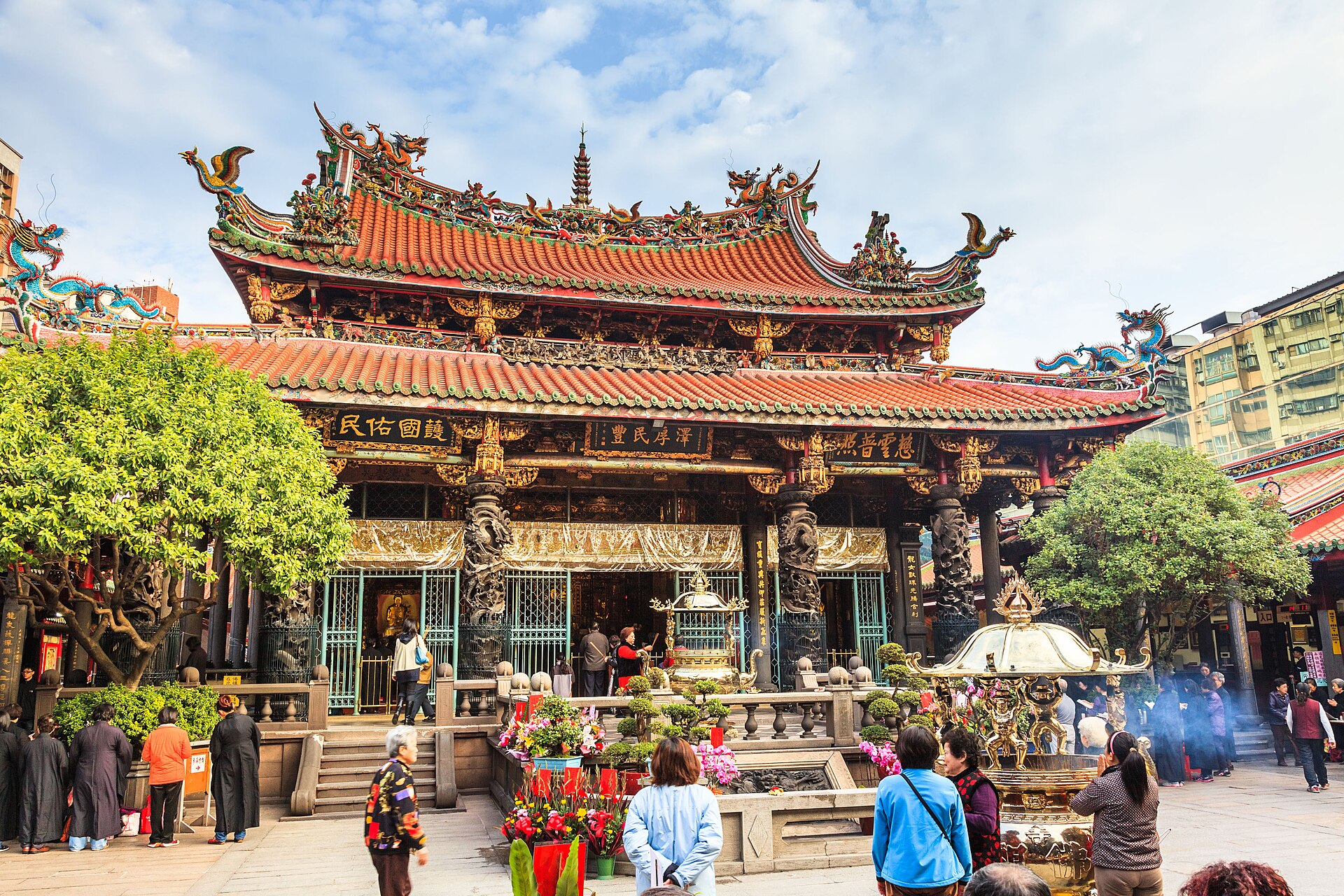
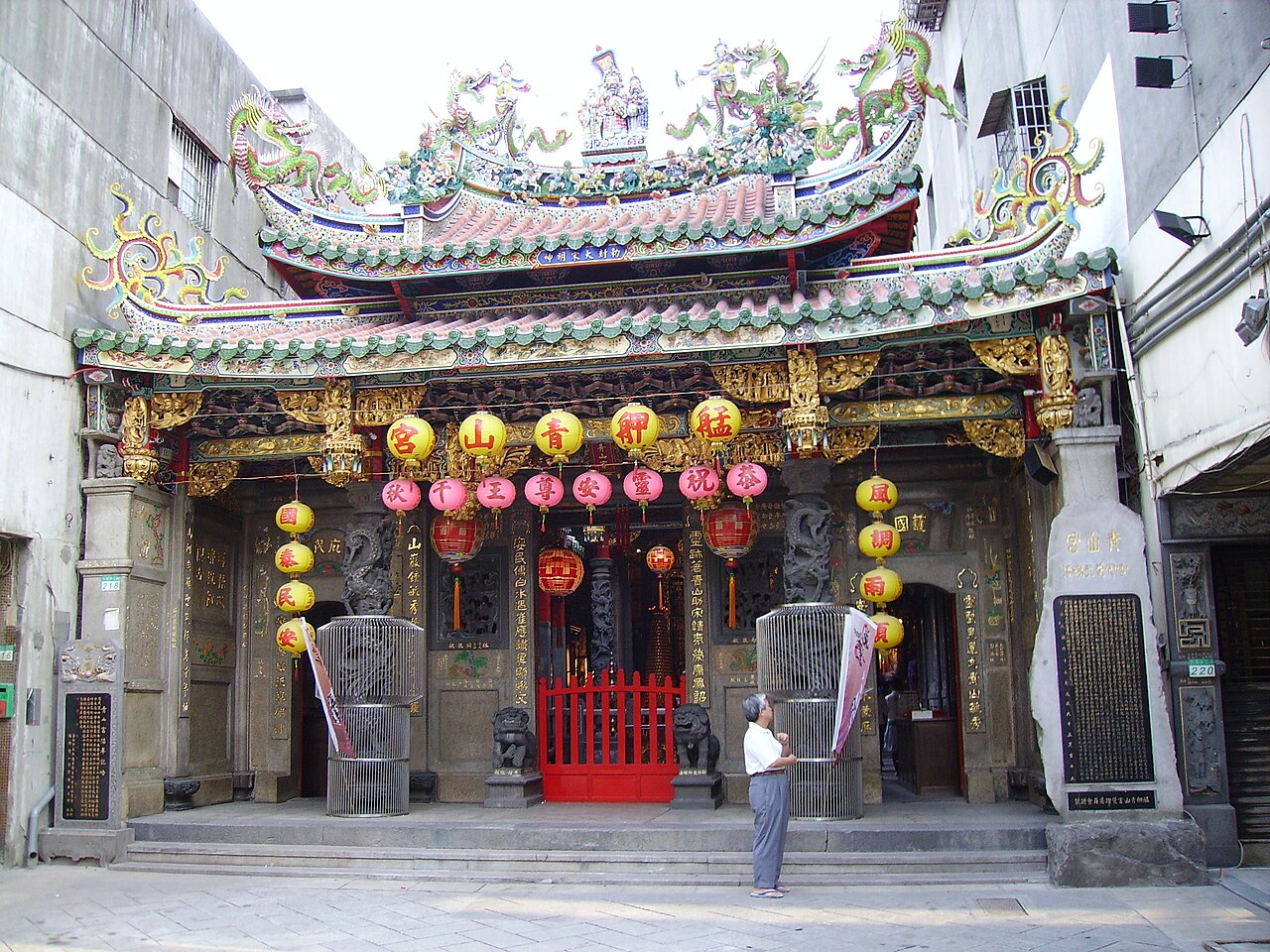
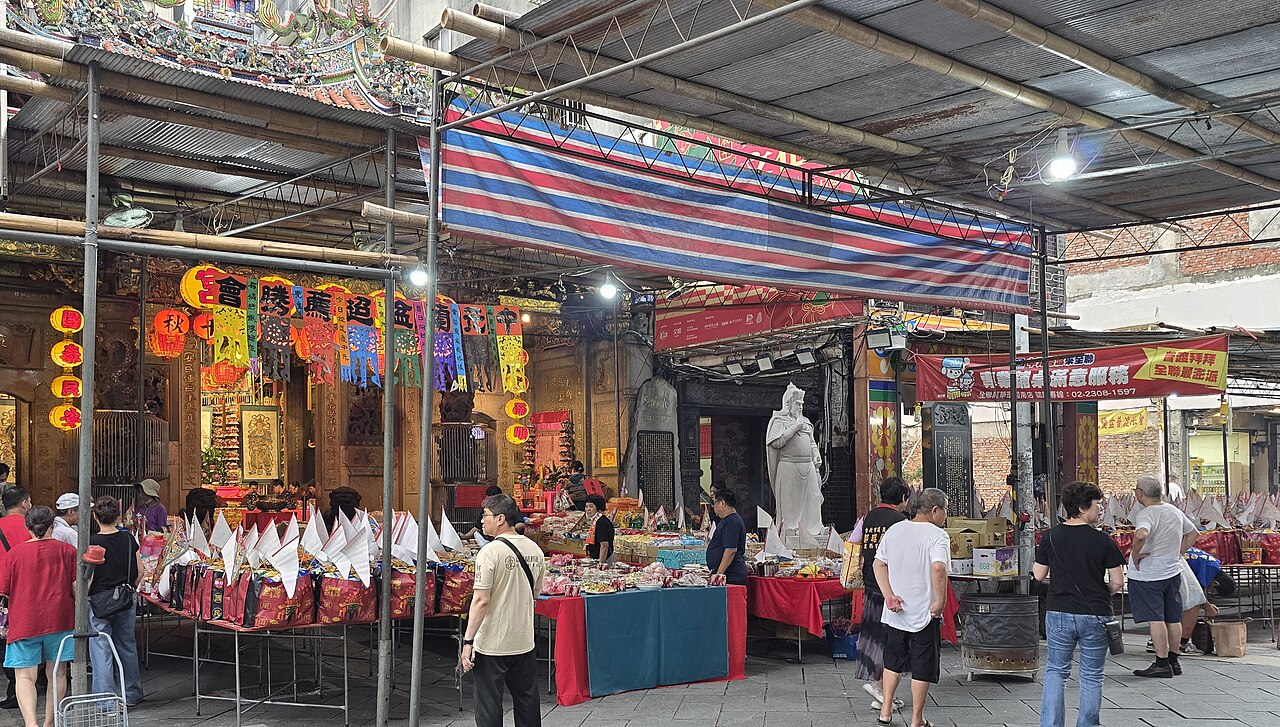
Qingshan Temple, known locally as 艋舺青山宮, is a historic place of worship in Taipei’s Wanhua district. The temple honours the Qingshan King, a deity traditionally associated with protection from plague and illness. It belongs to the old Bangka neighbourhood, where religious life, commerce, and community traditions remain closely connected. Travellers visit for its devotional atmosphere, ornate architecture, and the chance to encounter a living temple rather than a monument separated from everyday local practice. Qingshan Temple, known locally as 艋舺青山宮, is a historic religious site in Taipei's Wanhua District. The temple stands as a significant cultural landmark within the old Bangka neighborhood, one of Taipei's oldest settlement areas. It serves as a place of worship dedicated to the Qingshan King, a deity believed to protect against plague and illness. The temple represents an important thread in the spiritual and social fabric of historic Taipei, reflecting the religious traditions that have sustained local communities through generations of urban change.
Checked 2026-08-26 · Source
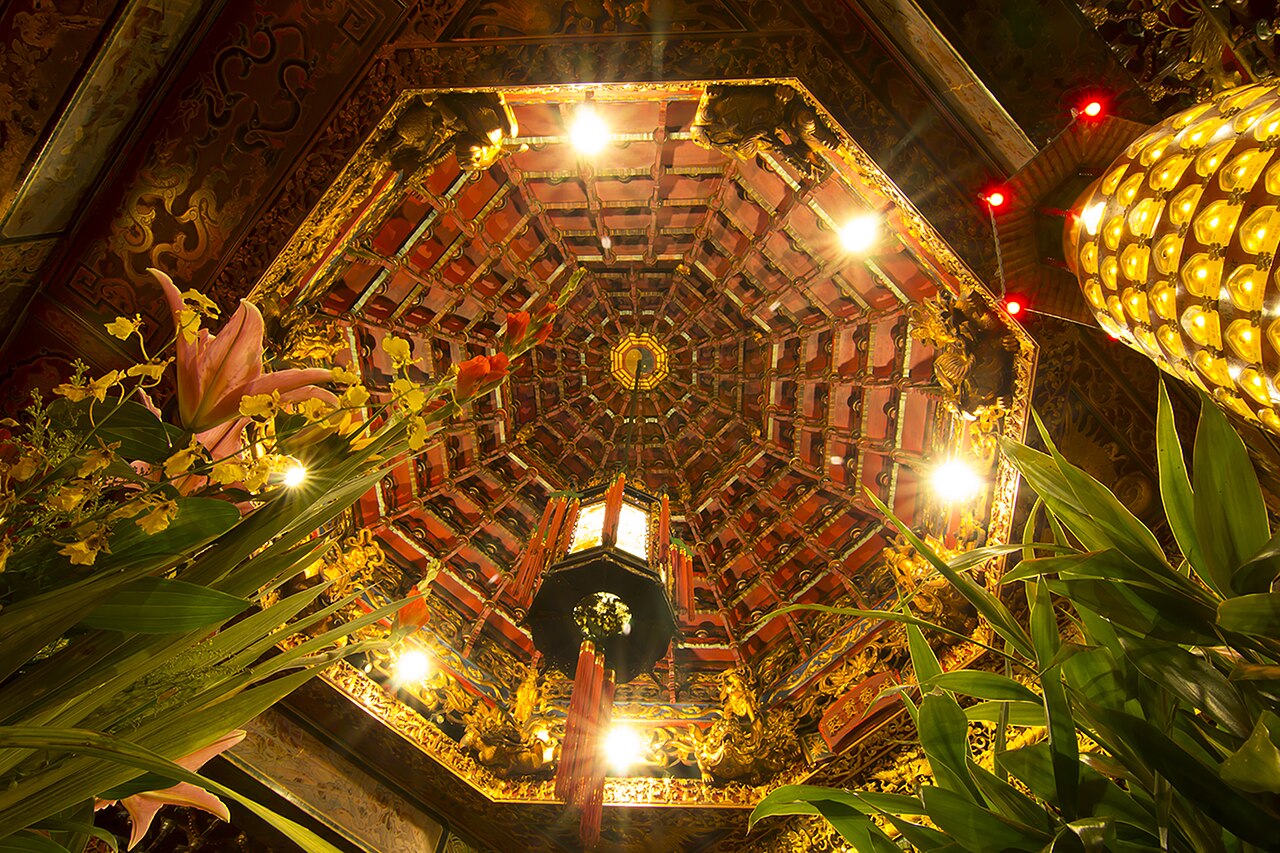
The temple contains devotional spaces arranged around traditional altar settings. Look for carved wood, painted architectural elements, inscribed tablets, ceremonial objects, incense burners, and the central image of the Qingshan King. The movement from outer areas toward the inner hall creates a sequence of increasingly sacred spaces. Worshippers may be making offerings during your visit, so the atmosphere changes with the rhythm of local religious life. Observe the details quietly and leave room for ceremonies to continue undisturbed. The temple interior contains traditional religious architecture and devotional spaces typical of Taiwanese folk temples.
Checked 2026-08-26 · Source
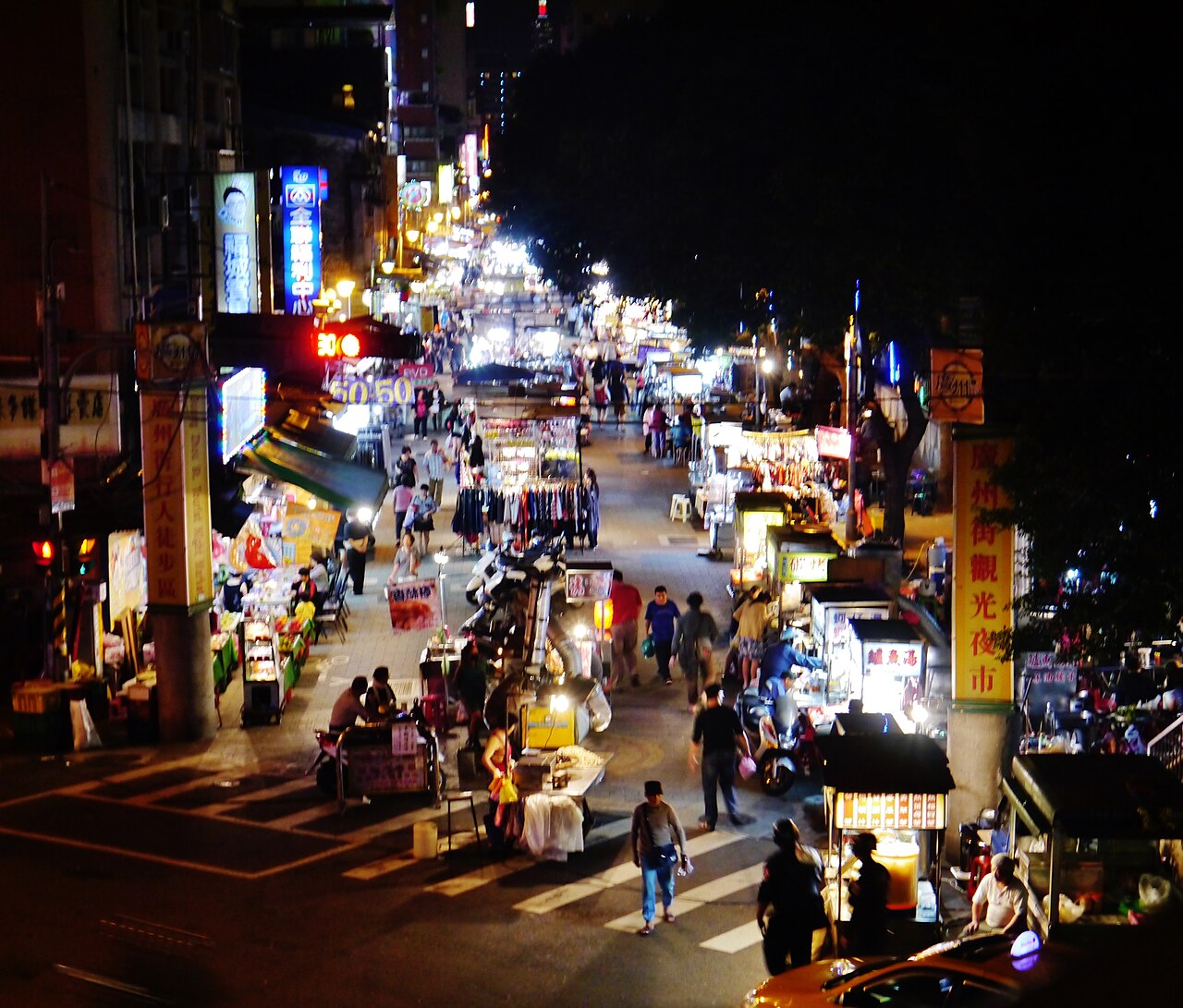
A focused visit usually takes twenty to forty minutes. This gives enough time to view the entrance and halls, appreciate the carving and painted decoration, observe the altar arrangements, and pause in the devotional atmosphere. Visitors interested in religious art or festival traditions may stay longer. Qingshan Temple works particularly well as part of a Wanhua walking route, where the temple can be combined with historic streets, markets, and other nearby cultural landmarks.
Checked 2026-08-26 · Source
Weekday mornings can provide a calmer setting for observing the temple’s details and daily worship. Festival periods and lunar-calendar celebrations bring greater communal activity and a more animated atmosphere around the temple. Taipei’s hot, humid summers and rainy periods make breathable clothing and suitable rain protection useful for the walk through Wanhua. Choose a quieter time for contemplation, or visit during a celebration when you want to witness the temple functioning as a community gathering place.
Checked 2026-08-26 · Source
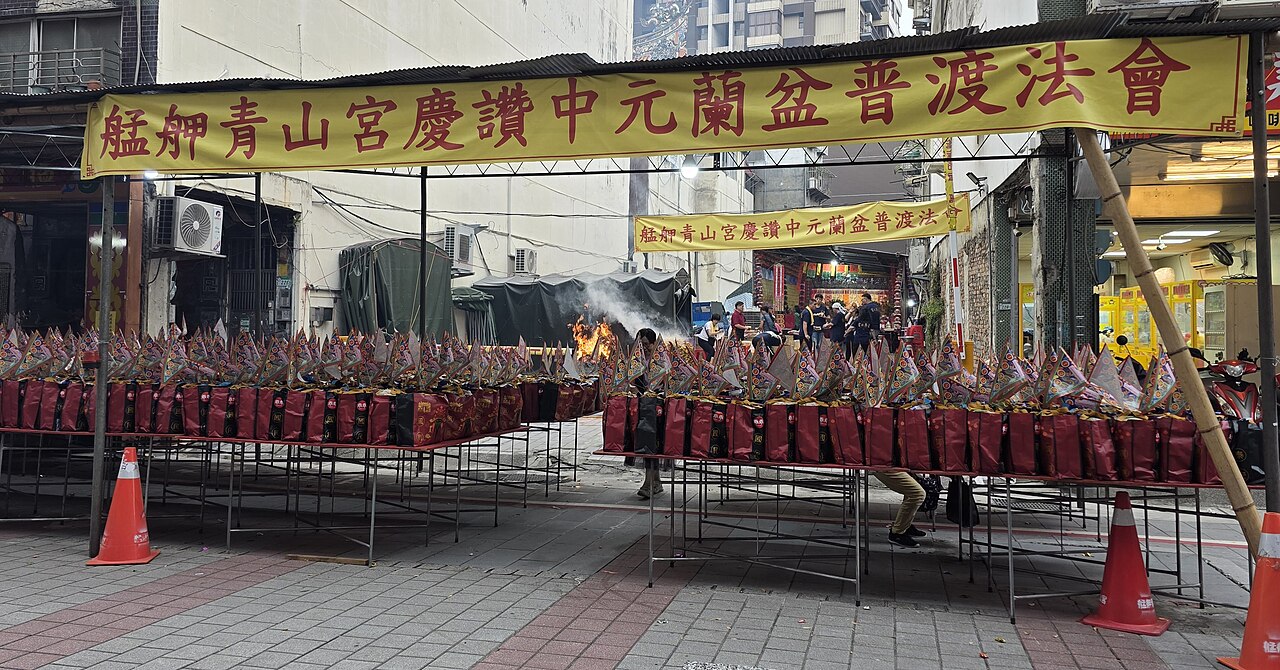
Taiwanese folk temples traditionally welcome visitors without a formal admission ticket. Donations and offerings are part of the religious setting, and incense or ceremonial items may be available near the entrance. Carrying small cash can be useful if you wish to participate respectfully. Entry is different from purchasing an offering: you may observe the architecture and atmosphere without treating the temple like a paid museum. Keep your visit unobtrusive while worshippers use the space for their own practices.
Checked 2026-08-26 · Source
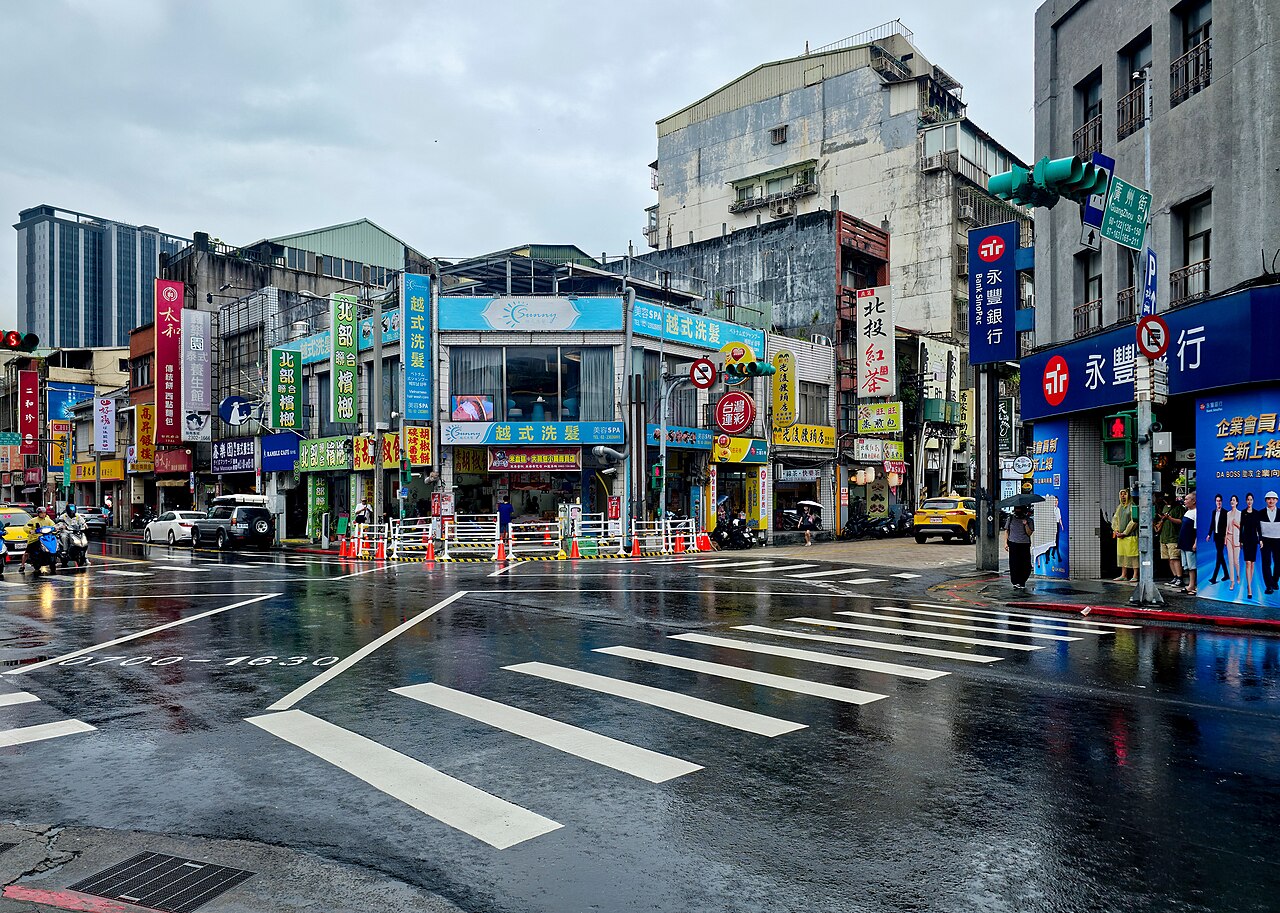
Longshan Temple Station on Taipei Metro’s Blue Line provides nearby access to Qingshan Temple. Continue on foot through Wanhua’s historic streets, where the final approach passes active residential and commercial areas. Buses serve the wider district, and taxis can shorten the route to the neighbourhood. The temple entrance is identifiable by its traditional architecture and the activity of worshippers. Walking is the most rewarding final connection because it places the visit within the older Bangka streetscape.
Checked 2026-08-26 · Source
Qingshan Temple is an active religious space, so dress modestly and keep your voice low. Covered shoulders and knees are a respectful choice. Incense smoke may be strong, and burning offerings create hot ash and open flames. Follow any local directions about thresholds, footwear, and photography. Crowds increase during festivals and major observances. Narrow Wanhua streets carry pedestrians and motorcycles, so stay attentive outside the temple as well as inside it.
Checked 2026-08-26 · Source
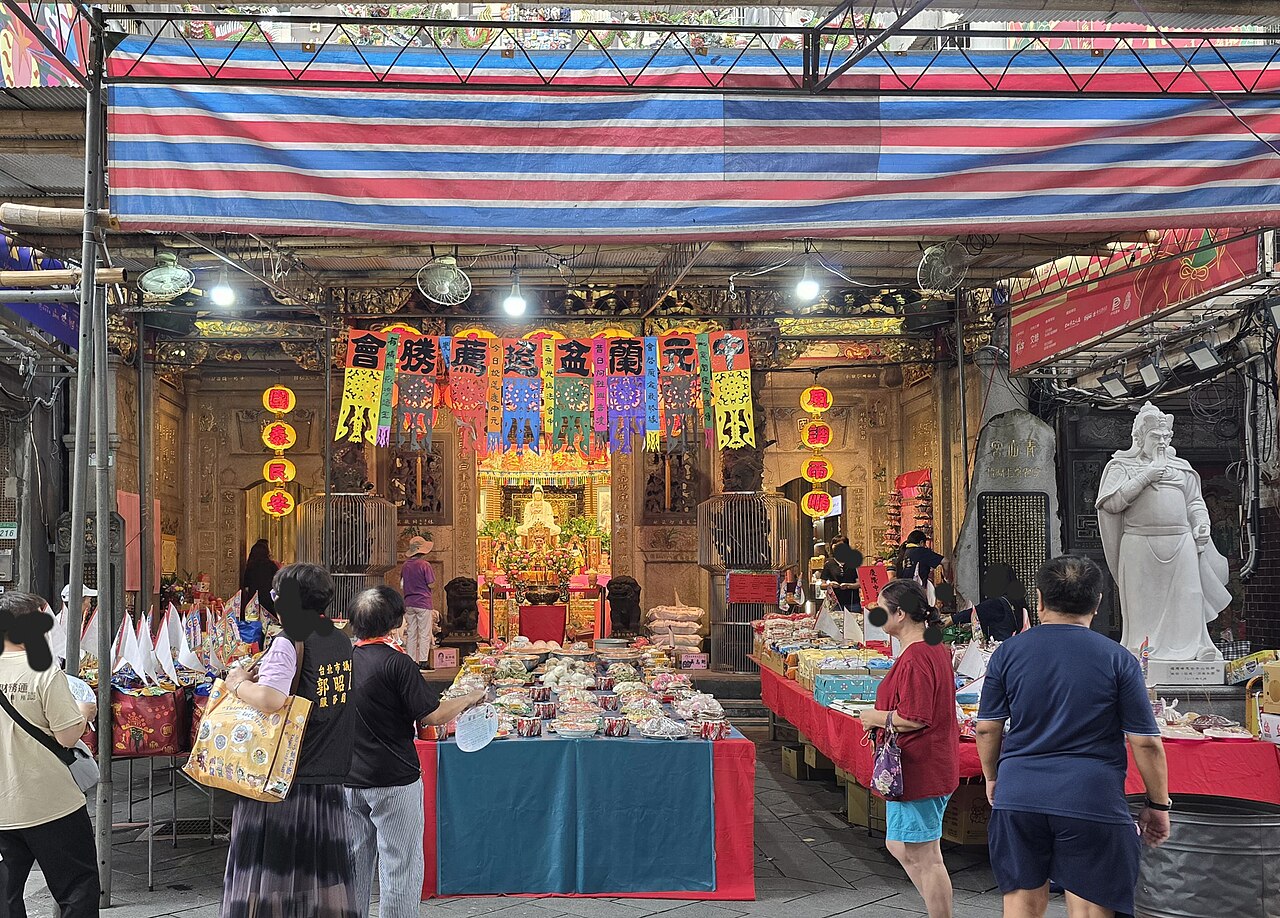
The temple’s roofline, ceramic ornament, carved doors, painted beams, and altar details provide strong subjects for photography. Exterior images place the building within Wanhua’s historic streets, while interior photographs can convey the layered devotional spaces. Ask before photographing worshippers or sensitive ritual areas, and avoid flash where it could disturb ceremonies. A small camera is easier to use discreetly than a large setup. Early light can reveal exterior craftsmanship before the surrounding streets become especially busy.
Checked 2026-08-26 · Source
Its local name is 艋舺青山宮.
The temple is dedicated to the Qingshan King, traditionally associated with protection from plague and illness.
Longshan Temple Station on the Blue Line provides nearby Metro access, followed by a walk through Wanhua.
Allow around twenty to forty minutes for the architecture, devotional spaces, and a respectful pause.
You can see altar arrangements, incense areas, carved wood, painted details, ceremonial objects, and the central deity image.
Modest clothing with covered shoulders and knees is a respectful choice for this active religious site.
Loading the interactive map…
The interactive map could not be loaded.
Last updated:
Source: OpenStreetMap contributors, Wikidata ·