
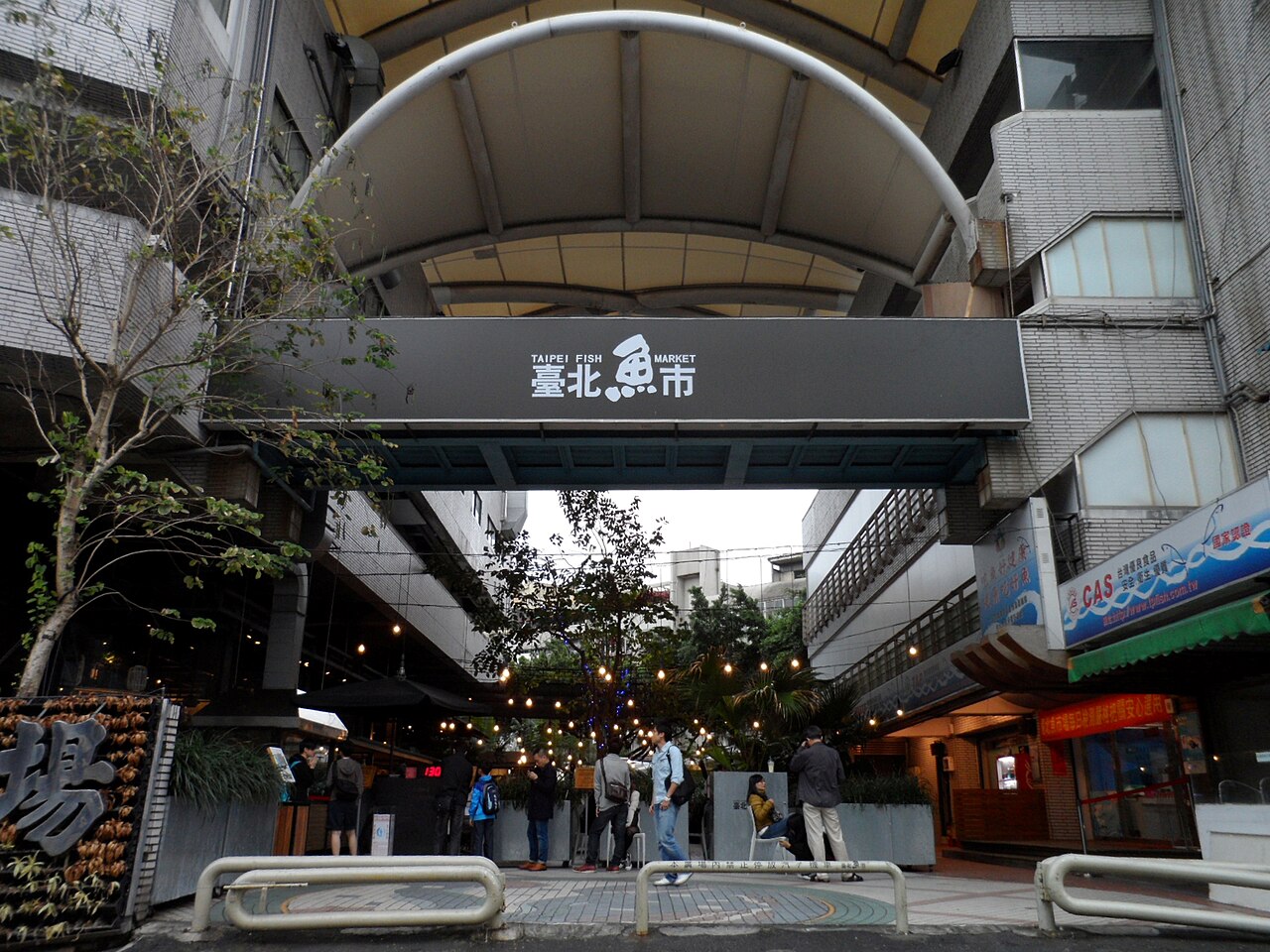
6 min walk
Taipei Fish Market
- Must see
- Market
Language · 11 published
Place of worship · Taipei
行天宮
Reviewed by Elena Voss · Roavina Travel Editor
| Monday | 04:00 – 22:00 |
|---|---|
| Tuesday | 04:00 – 22:00 |
| Wednesday | 04:00 – 22:00 |
| Thursday | 04:00 – 22:00 |
| Friday | 04:00 – 22:00 |
| Saturday | 04:00 – 22:00 |
| Sunday | 04:00 – 22:00 |
Parsed from OpenStreetMap opening hours on 2026-09-09.
This place is a Place of worship. It was established in 1967.
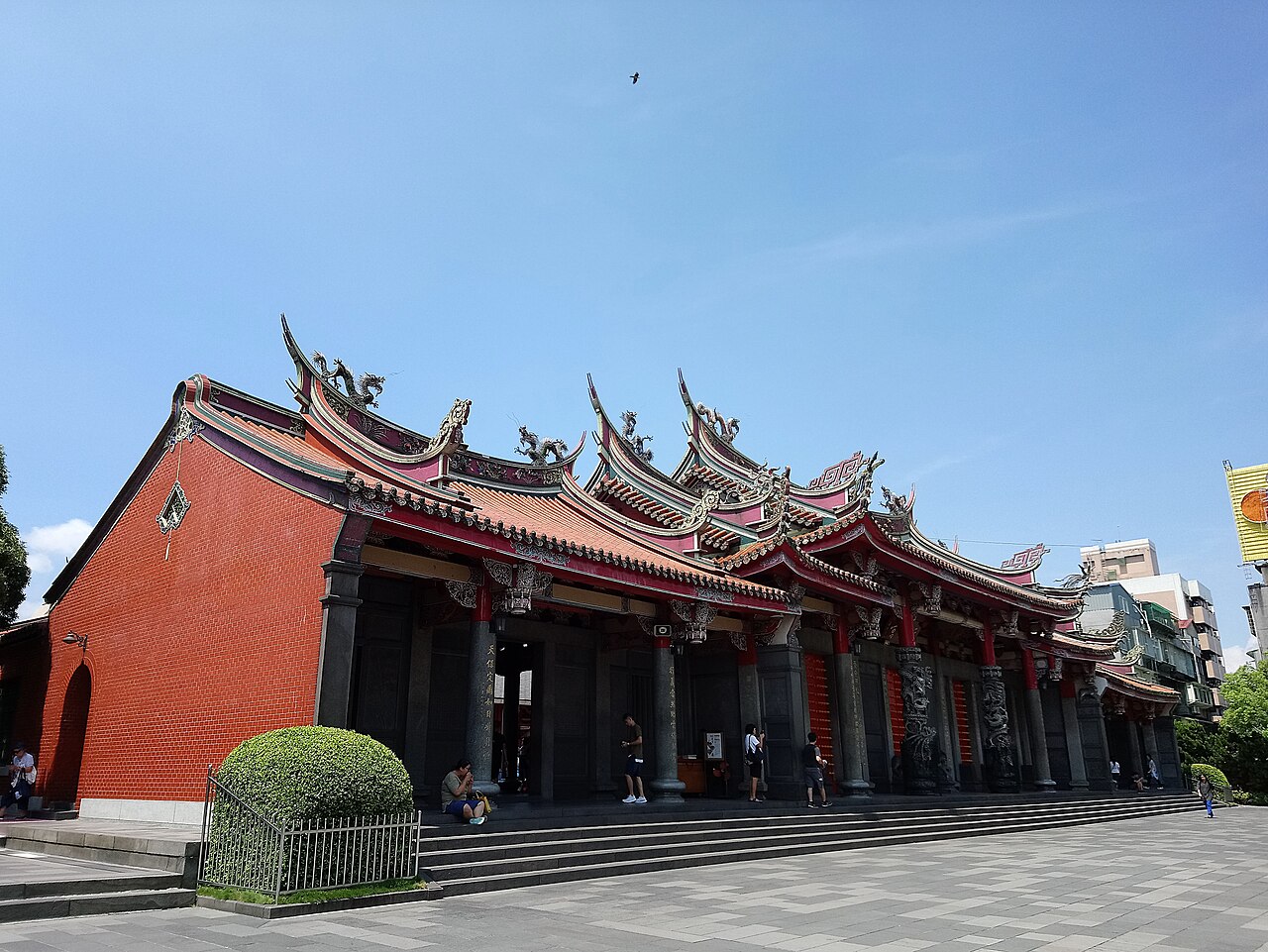
Xingtian Temple, or 行天宮, is a prominent Taipei place of worship dedicated to Guan Yu, associated with war and righteousness in Chinese folk religion. It is an active religious site rather than a museum or staged attraction. Its importance comes from the combination of daily devotion, traditional temple architecture and its place in Taipei’s spiritual landscape. Include it when you want to experience a working city temple and observe how religious life continues within a dense urban neighbourhood. Xingtian Temple, known locally as 行天宮, is a prominent religious site in Taipei. It serves as a significant place of worship dedicated to Guan Yu, the deity of war and righteousness in Chinese folk religion.
Checked 2026-08-26 · Source
Inside, visitors encounter religious spaces arranged for worship and ritual practice. Altars, incense offerings and traditional architectural details frame the main devotional areas. Guan Yu is the central figure of veneration, while subsidiary spaces support other religious activities. The temple’s character is devotional rather than theatrical, so the most rewarding experience comes from watching the rhythm of worship respectfully. Expect an active place where visitors and devotees share the same environment, rather than a quiet exhibition with explanatory displays. The temple interior contains traditional religious spaces arranged for worship and ritual practice. Devotees and visitors encounter altars, incense offerings, and architectural elements characteristic of Taiwanese temple design. The main hall centers on veneration of Guan Yu, with subsidiary spaces supporting various religious functions. Decorative and symbolic elements reflect conventional temple aesthetics without extravagant ornamentation. The atmosphere emphasizes spiritual devotion over tourist spectacle, maintaining active religious use rather than museum-like presentation.
Checked 2026-08-26 · Source
Allow around thirty to sixty minutes for a thoughtful visit. A short stop is enough to walk through the accessible areas, notice the architecture and observe the offerings. Visitors who wish to pray, burn incense or spend time in contemplation may stay longer. The site is compact and does not require a long route between separate landmarks. It works especially well as one stop within a wider Taipei day, paired with neighbourhood food, shopping or other central attractions.
Checked 2026-08-26 · Source
Weekday mornings suit visitors who prefer a calmer setting for observation. Festival periods connected with Guan Yu can bring substantially larger crowds and a more intense ritual atmosphere. Taipei’s summers are hot and humid, while winters are milder and more comfortable for moving around the city. Evening visits can provide a different mood as worship continues and the temple frontage may be illuminated. Choose a time that matches whether you want quiet observation or lively religious activity.
Checked 2026-08-26 · Source
A temple visit is centred on worship rather than paid sightseeing. Visitors may encounter donation boxes for maintenance or charitable work, and voluntary contributions are appropriate when offered freely. Bring modest cash if you wish to make an offering or purchase ritual items. The ordinary experience is a walk-in visit, not a reserved tour. Treat any religious service as separate from casual sightseeing, and let the devotional setting guide your pace and behaviour.
Checked 2026-08-26 · Source
Xingtian Temple is served by Taipei’s urban transport network, with Xingtian Temple Station on the Zhonghe-Xinlu line providing the most direct rail approach. Buses serve nearby streets, while taxis and ride-hailing services operate across the district. Prepare the Chinese name, 行天宮, when asking for directions or entering a destination into a local map. Once nearby, the surrounding city streets make it easy to combine the temple with other neighbourhood stops on foot.
Checked 2026-08-26 · Source
This is an active place of worship, so keep your voice low and avoid interrupting ceremonies, queues or personal prayers. Incense smoke may be strong for visitors with sensitive breathing. Wear clothing that feels respectful in a religious setting, and do not handle offerings or ritual objects without invitation. Crowds increase during festivals, when movement can become slower. Follow signs and the behaviour of worshippers around you, especially near altars and blessing services.
Checked 2026-08-26 · Source
The exterior and architectural details offer useful subjects, but photography should remain secondary to worship. Be especially restrained near altars, incense burners and people engaged in prayer. Avoid flash, which can distract worshippers, and do not photograph individuals closely without consent. A handheld camera is more practical than a tripod in a functioning temple. When the atmosphere becomes crowded or ceremonial, put the camera away and allow devotees to use the space without obstruction.
Checked 2026-08-26 · Source
It is a Taipei place of worship dedicated to Guan Yu, associated with war and righteousness in Chinese folk religion.
Xingtian Temple Station on Taipei’s Zhonghe-Xinlu MRT line provides direct access, and buses serve nearby streets.
Plan around thirty to sixty minutes for walking, observation and a respectful look at the devotional spaces.
Choose clothing that feels respectful in an active religious setting, and keep your conduct quiet around worshippers.
Incense is part of the temple atmosphere and may be strong, so visitors with sensitive breathing should take care near ritual areas.
The temple’s main devotional focus is Guan Yu, a figure linked with war and righteousness in Chinese folk religion.
Loading the interactive map…
The interactive map could not be loaded.
Last updated:
Source: OpenStreetMap contributors, Wikidata ·