.jpg)
2 min walk
Guangdu Fude Temple
- Notable
- Place of worship
Language · 11 published
Place of worship · Taipei
關渡宮
Reviewed by Elena Voss · Roavina Travel Editor

This place is a Place of worship. It was established in 1712.
Guandu Temple, known locally as 關渡宮, is an active place of worship in Taipei devoted to Mazu, the sea goddess. Its position above the Tamsui River gives the visit a strong sense of place: religious architecture, incense, river scenery, and daily devotional activity come together within one complex. This is a useful stop for travelers interested in Taiwanese folk religion, temple craftsmanship, and the way a working sanctuary remains part of city life. Guandu Temple, known locally as 關渡宮, stands as one of Taipei's significant religious landmarks. The temple holds established recognition within Taipei's official city attraction inventory, confirming its status as a meaningful destination for visitors exploring the capital's cultural heritage. Dedicated to the sea goddess Mazu, the temple represents an important center of Taiwanese folk religious practice. Its elevated position overlooking the Tamsui River contributes to its distinctive setting. The structure serves as both an active place of worship and a documented point of interest for those seeking to understand Taiwan's temple architecture and spiritual traditions. Yes, Guandu Temple is retained as a meaningful Taipei visitor destination documented in the official city attraction inventory accessible through https://www.travel.taipei/en/attraction.
Checked 2026-08-26 · Source
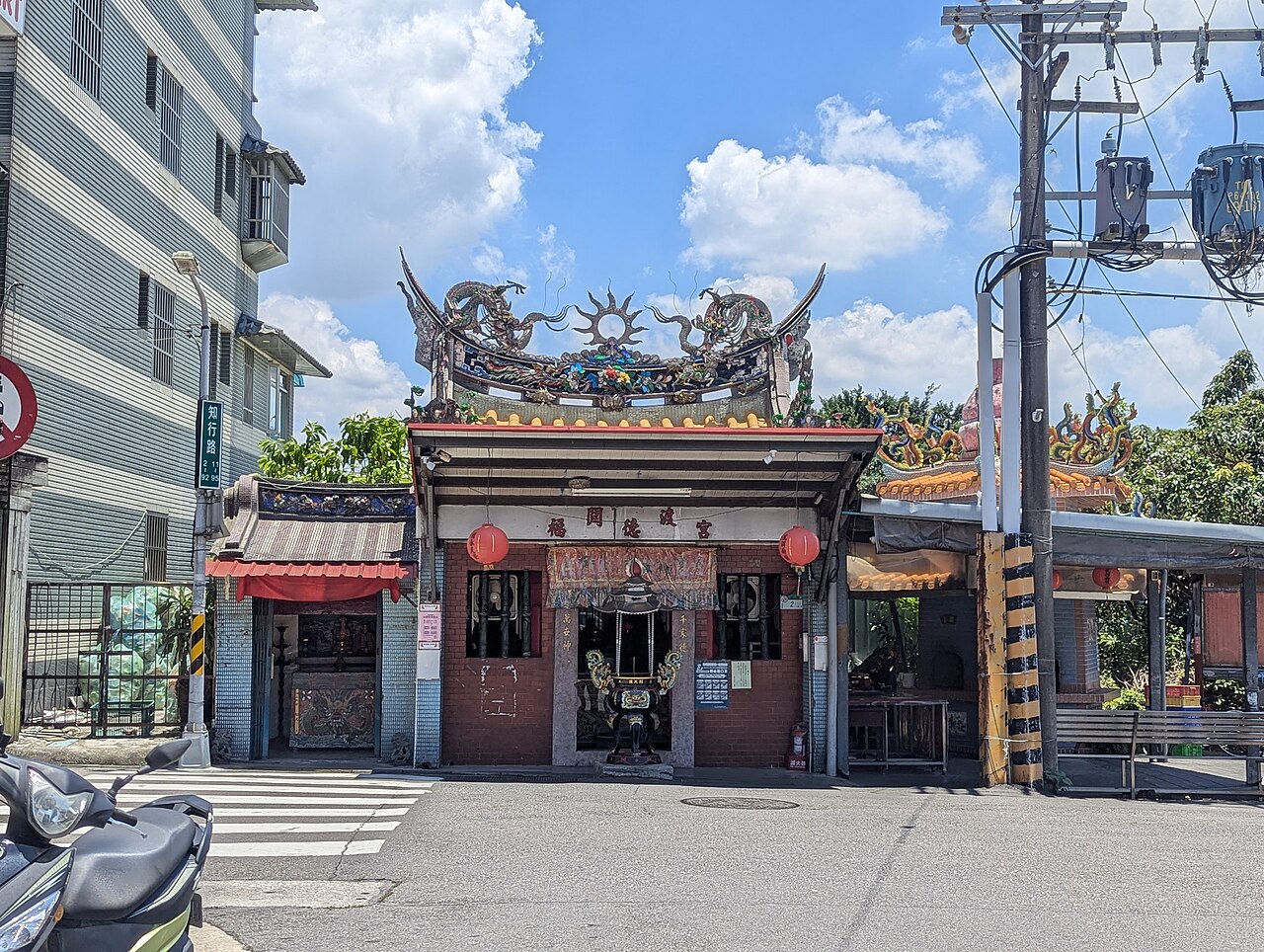
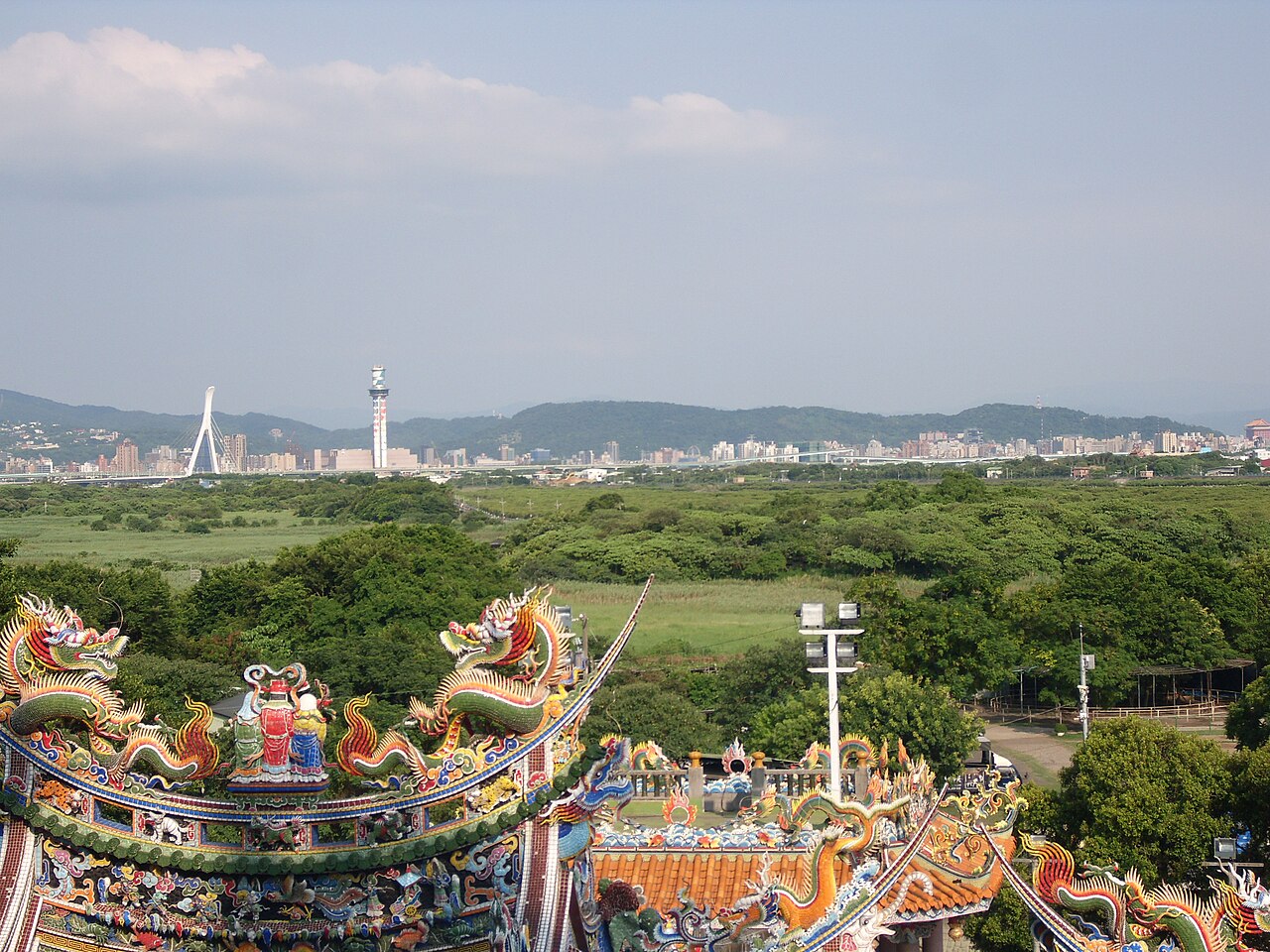
The complex brings together several halls and subsidiary structures arranged around active devotional spaces. Look for carved pillars, painted beams, ornamental roof figures, stone lions, and incense burners receiving offerings from worshippers. The principal sanctuary centers on Mazu, while additional altars reflect the layered religious life of Taiwanese temples. The riverside setting adds open views and changing light, while interior areas retain the concentrated atmosphere of a functioning sacred site. The temple complex encompasses multiple halls and structures typical of major Taiwanese religious institutions. Visitors encounter elaborate decorative elements including carved pillars, painted beams, and ornamental roof figures that demonstrate traditional craftsmanship. The main sanctuary houses the principal deity image, while subsidiary altars accommodate attendant gods and ancestral figures.
Checked 2026-08-26 · Source
Allow about forty-five to ninety minutes for a rounded visit. A shorter stop can focus on the main facade, principal sanctuary, roof decoration, and river outlook. A slower visit takes in subsidiary halls, carved details, incense activity, and the different levels of the complex. Add time for walking from transit or parking areas, especially if you want to pause for photographs or observe worshippers without rushing through their rituals.
Checked 2026-08-26 · Source
Morning and late afternoon offer comfortable conditions for combining exterior architecture with the river setting, although Taipei weather can be hot, humid, or rainy. Festival periods connected with Mazu and the lunar calendar bring a more intense devotional atmosphere and larger crowds. Choose a quieter weekday period for close architectural observation, or visit during a busy celebration if you want to experience the temple as a community gathering place rather than a quiet monument.
Checked 2026-08-26 · Source
A standard temple visit is centered on worship and observation rather than a museum-style ticketed experience. Travelers can carry small-denomination currency if they wish to make a voluntary devotional contribution or participate in customary offering practices. Transport, food, and personal offerings are separate expenses. Keep the focus on respectful participation: entry into a sacred complex is not the same as purchasing access to an entertainment attraction.
Checked 2026-08-26 · Source
Guandu Station on Taipei Metro's Tamsui-Xinyi Line is the nearest rapid-transit reference for reaching the temple area. From the station, continue on foot or use a local connection toward the temple precinct. The wider Guandu district also has bus and road access, while the Tamsui River corridor suits cyclists using the riverside network. Leave extra journey time during busy Taipei traffic, and plan the final approach separately from the Metro ride.
Checked 2026-08-26 · Source
Guandu Temple remains a working religious site, so worshippers and ceremonies take priority over sightseeing. Move quietly, leave offerings and ritual objects untouched, and follow signs or staff directions in interior spaces. Incense smoke can be strong. Steps, uneven paving, and hillside movement call for steady footwear. Modest clothing covering shoulders and knees fits the setting, while festival crowds require patience around entrances, halls, and devotional activity.
Checked 2026-08-26 · Source
The temple offers strong exterior subjects in its rooflines, carved decoration, entrance guardians, and elevated relationship with the Tamsui River. Morning or late-afternoon light can bring texture to painted surfaces and architectural silhouettes. Inside, photograph only where permitted and avoid interrupting prayer or ceremonies. Flash and tripods can disturb circulation and worship, so a quiet handheld approach is more suitable. Incense haze can soften contrast and create atmospheric layers in the frame.
Checked 2026-08-26 · Source
Guandu Temple is dedicated to Mazu, the sea goddess, and remains an active center of Taiwanese folk religious practice.
Its local name is 關渡宮.
Visitors can see multiple halls, painted beams, carved pillars, ornamental roofs, stone lions, incense burners, and river views.
Plan approximately forty-five to ninety minutes, depending on how closely you explore the halls, decoration, rituals, and river setting.
Guandu Station on the Tamsui-Xinyi Line provides the nearest rapid-transit connection, followed by a walk or local connection to the temple precinct.
Modest clothing covering the shoulders and knees is appropriate for this active religious complex.
Loading the interactive map…
The interactive map could not be loaded.
Last updated:
Source: OpenStreetMap contributors, Wikidata ·