National Revolutionary Martyrs' Shrine
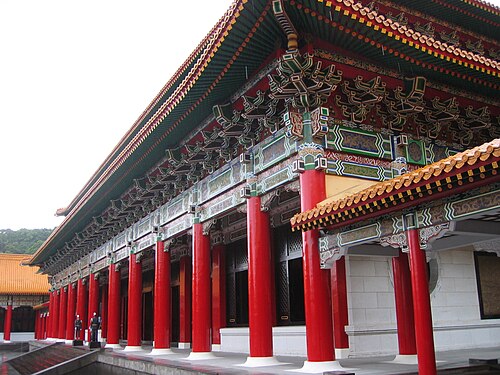
國民革命忠烈祠
The National Revolutionary Martyrs’ Shrine is a solemn Taipei memorial complex dedicated to military personnel and civilians who died in service to the Republic of China.
- Must see
- Historic monument
City guide · Taiwan
Taipei is organised around a highly connected MRT grid rather than one single old centre. Ximending and the historic west side sit near Taipei Main Station, civ...
Photograph · Heeheemalu · CC BY-SA 4.0
Set your days, your pace and the hours you actually want to be out. The planner works around closing days and travel time, and leaves room to eat.
Reviewed by Elena Voss · Roavina Travel Editor
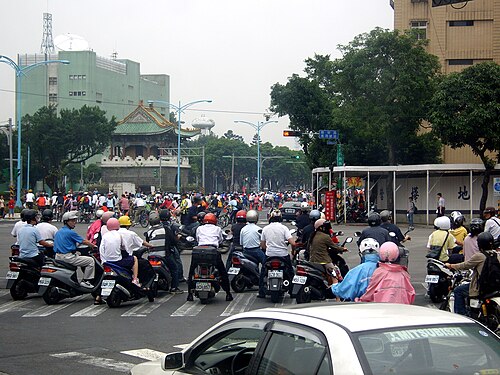
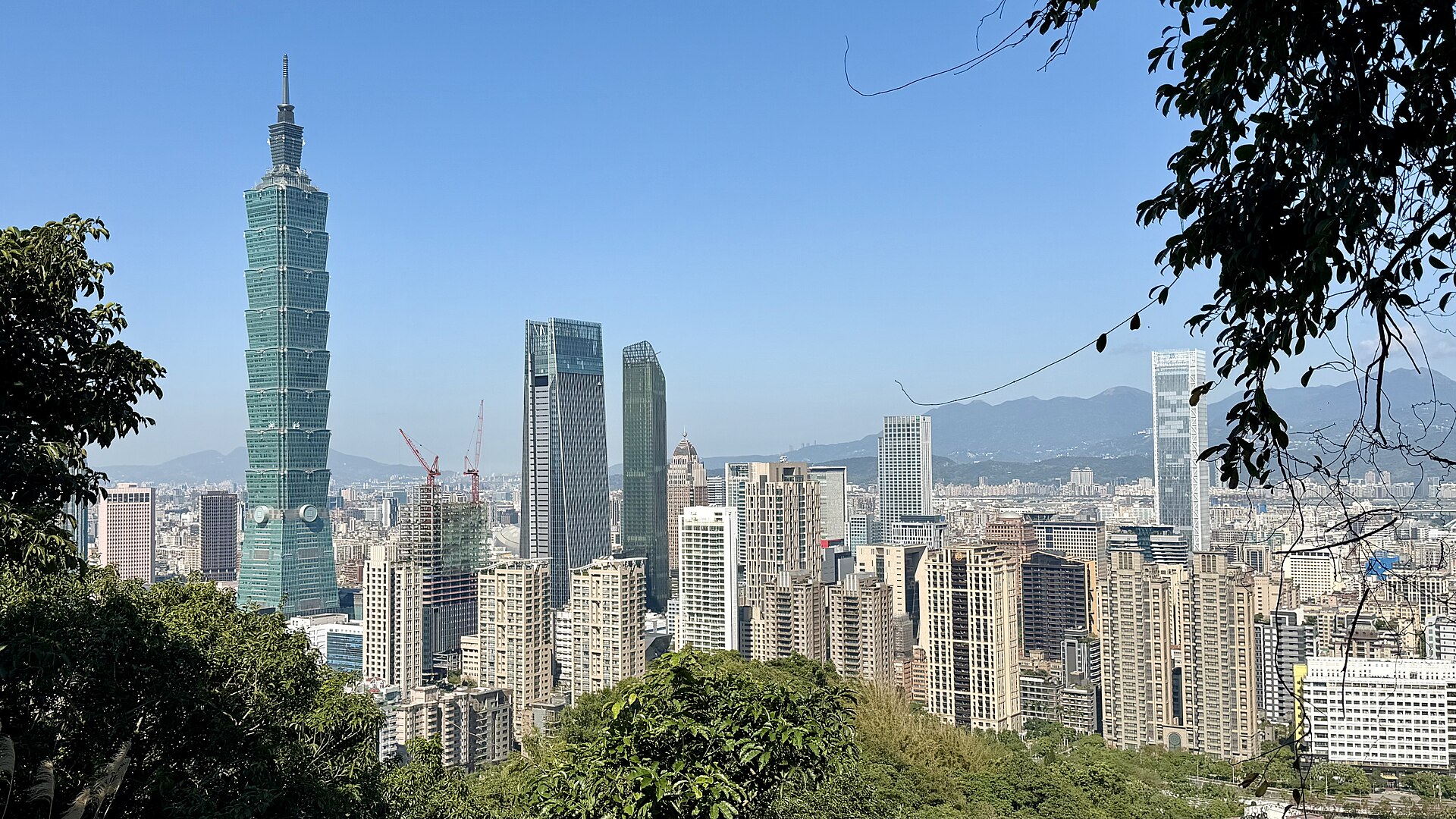
Taipei is organised around a highly connected MRT grid rather than one single old centre. Ximending and the historic west side sit near Taipei Main Station, civic and commercial districts extend east toward Taipei 101, and the northern museum and hot-spring areas follow separate rail corridors. Riverside parks and mountain trailheads form another outer layer.
Checked 2026-08-26
September · September in Taipei is NEUTRAL: CWA's Taiwan-wide 1911–2015 record identifies July through September as the typhoon season, with August the peak month. This supports a peak-risk weather fallback but, without Taipei-specific recurring access-impact evidence, not the BAD threshold.
Ranked by importance — sitelinks, pageviews and heritage status, not editor preference.
16 places match
Category
Typical visit duration
Interests
國民革命忠烈祠
The National Revolutionary Martyrs’ Shrine is a solemn Taipei memorial complex dedicated to military personnel and civilians who died in service to the Republic of China.
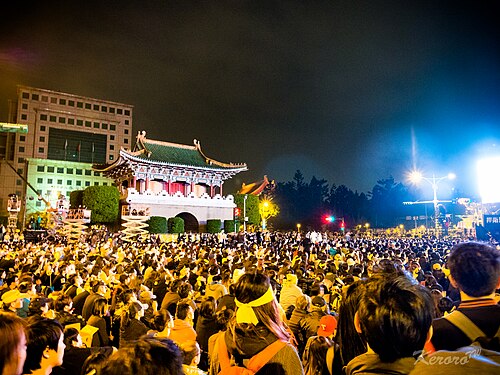
自由廣場
Liberty Square, or 自由廣場, is a monumental public plaza in central Taipei. Its broad open space is framed by the Chiang Kai-shek Memorial Hall, National Theater, National Concert Hall, and a ceremonial entrance gate.
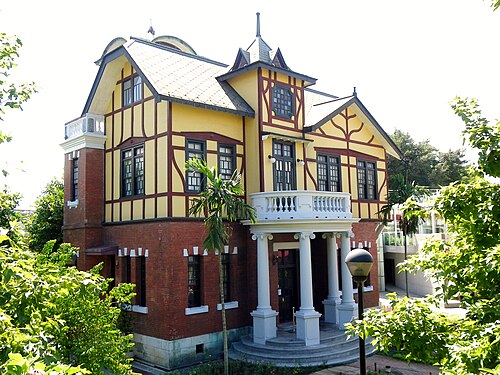
台北故事館
Taipei Story House, locally called 台北故事館, is a small heritage house with a distinctly European-influenced appearance in Taipei’s museum district. Its steep roof, patterned half-timbering and intimate domestic scale make the building itself the central attraction.
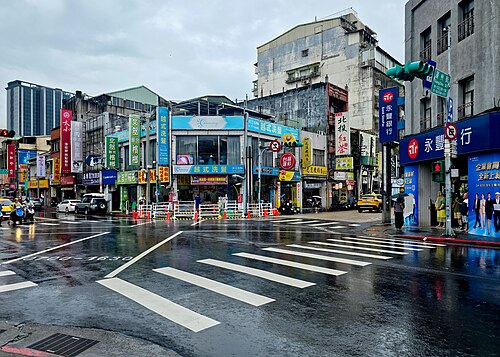
永康街
Yongkang Street is a renowned commercial and dining destination in Taipei's Da'an District, officially recognized in the city's attraction inventory. The street has developed significant visitor appeal through its concentration of local eateries, specialty shops, and neighborhood atmosphere.
剝皮寮歷史街區
Bopiliao Historic Block, known locally as 剝皮寮歷史街區, preserves an old streetscape in Taipei’s Wanhua district. Its buildings and lanes connect visitors with the city’s Qing dynasty and Japanese colonial-era development.
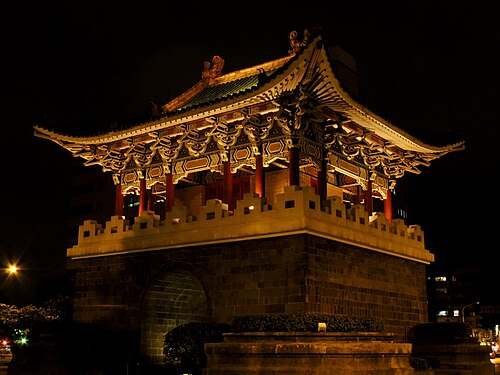
臺北府城南門
South Gate of Taipei, also known as 臺北府城南門, is the principal southern gate associated with the former Taipei Prefecture walls.
臺北府城東門
The East Gate of Taipei, known locally as 臺北府城東門, is a surviving remnant of the city’s historic fortifications.
臺北府城小南門
Xiaonanmen is a preserved gate from old Taipei’s Qing-era city wall, known in Chinese as 臺北府城小南門. It gives a compact, highly visible glimpse of the fortified city that once shaped this part of Taipei.
四四南村
Four Four South Village, locally called 四四南村, is a preserved military dependents’ village in Taipei’s Xinyi District. The compact settlement represents residential quarters built for Nationalist military personnel and their families who arrived from mainland China in the late 1940s.
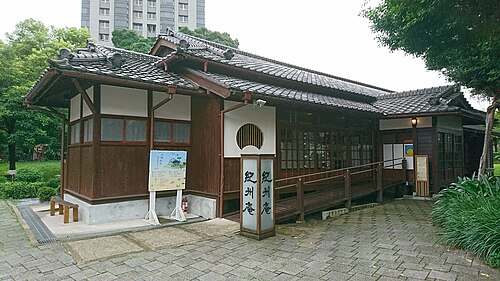
紀州庵文學森林
Kishu An Forest of Literature, known locally as 紀州庵文學森林, is a Taipei literary and cultural destination where Taiwanese literary heritage meets a public setting.
Group Longshan Temple, Bopiliao and Ximending on the west side, then use Taipei Main Station as the interchange for other zones. Plan Chiang Kai-shek Memorial Hall separately from the eastern Taipei 101 and Xinyi cluster. Beitou, National Palace Museum, Maokong and Yangmingshan each require a deliberate transit leg beyond the central grid.
Checked 2026-08-26
Taipei Travel identifies the MRT as the city’s most convenient public transport, with frequent services and connections to buses. Walk within each neighbourhood cluster and use rail between them. QR single-journey tickets and other accepted fare media are available, but check current operator guidance before travel. Buses or final walking sections are needed for several hillside attractions.
Checked 2026-08-26
A fixed stay length is not recorded. Build the visit around the west side, civic centre and Xinyi, then add Beitou, Maokong and Yangmingshan only when the available time supports a separate journey.
Group places by district instead of crossing the city repeatedly. Start with the west side, civic centre and Xinyi; treat Beitou, Maokong and Yangmingshan as separate routes with their own travel allowance.
Use Walking, MRT and city bus. Walk within compact clusters and consult the linked official transport information before making longer transfers or relying on a particular route.
Only within individual neighbourhood clusters. The main visitor areas are separated by distances, waterways, major roads or regional approaches, so longer links normally need public transport or a licensed vehicle.
Plan Beitou, Maokong and Yangmingshan separately from the west side, civic centre and Xinyi. Check the current route, return connection and any access requirements on the official source before departure.