

01
45 min
Raohe Night Market
饒河街觀光夜市
Raohe Street Tourist Night Market is an evening street market on Raohe Street in Taipei’s Songshan District. Its Chinese name is 饒河街觀光夜市.
- Must see
- Market
Language · 11 published
City guide · Taiwan
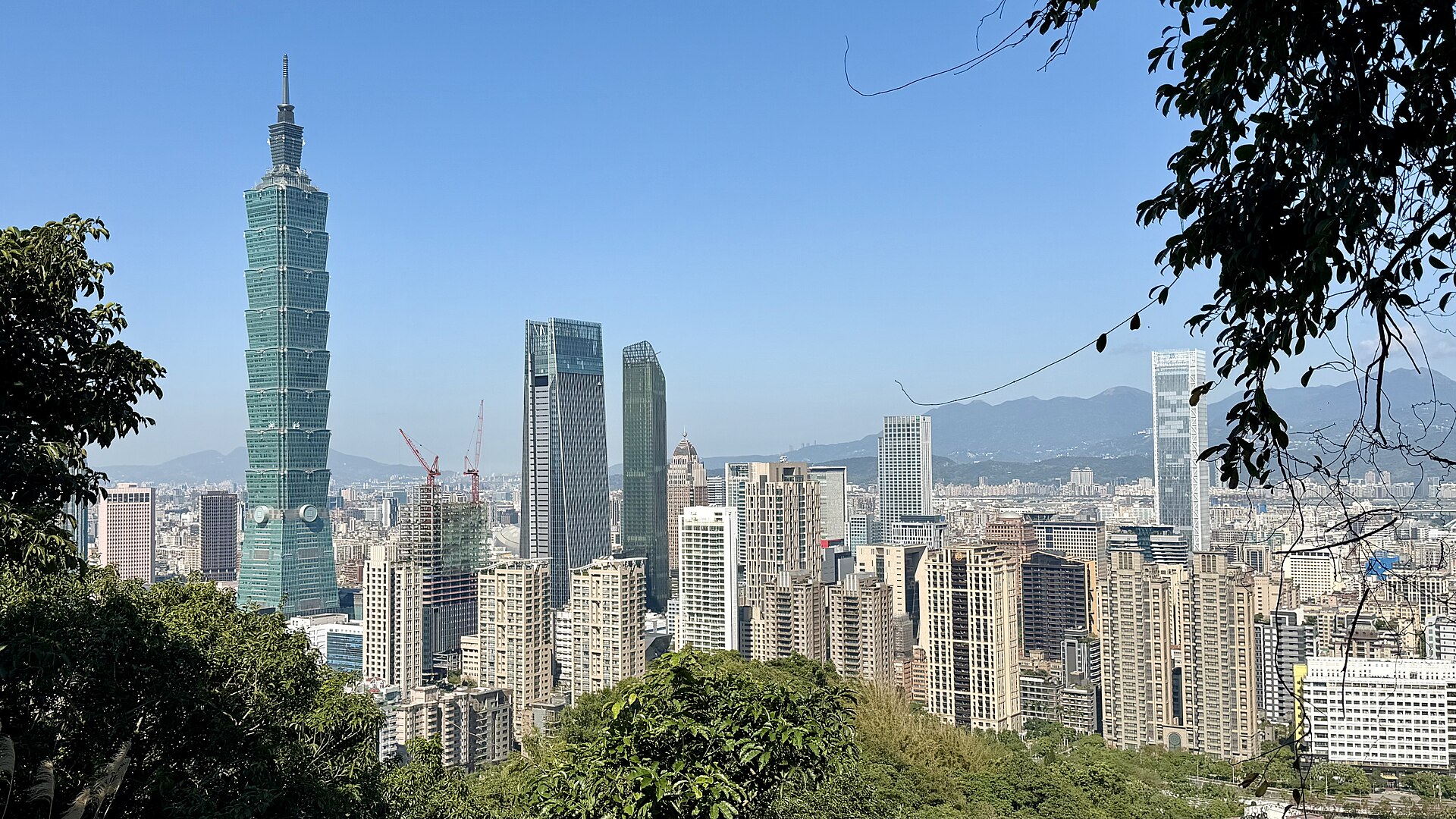
Taipei is organised around a highly connected MRT grid rather than one single old centre. Ximending and the historic west side sit near Taipei Main Station, civic and commercial districts extend east toward Taipei 101, and the northern museum and hot-spring areas follow separate rail corridors. Riverside parks and mountain trailheads form another outer layer.
Reviewed by Elena Voss · Roavina Travel Editor
Set your days, your pace and the hours you actually want to be out. The planner works around closing days and travel time, and leaves room to eat.
Ranked by importance — sitelinks, pageviews and heritage status, not editor preference.
11 places match
Category
Typical visit duration
Interests
饒河街觀光夜市
Raohe Street Tourist Night Market is an evening street market on Raohe Street in Taipei’s Songshan District. Its Chinese name is 饒河街觀光夜市.
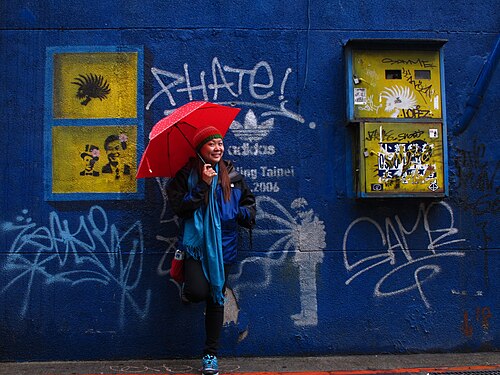
Ximending is a historic commercial district in Taipei's Wanhua District, centered on pedestrian zones northwest of the old city gate.
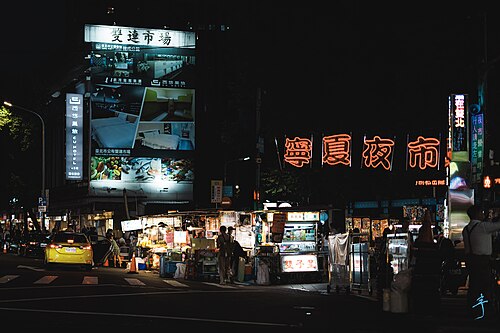
寧夏夜市
Ningxia Night Market is a traditional Taiwanese food market on Ningxia Road in Taipei’s Datong District. It is an evening destination built around compact rows of food stalls and vendors.
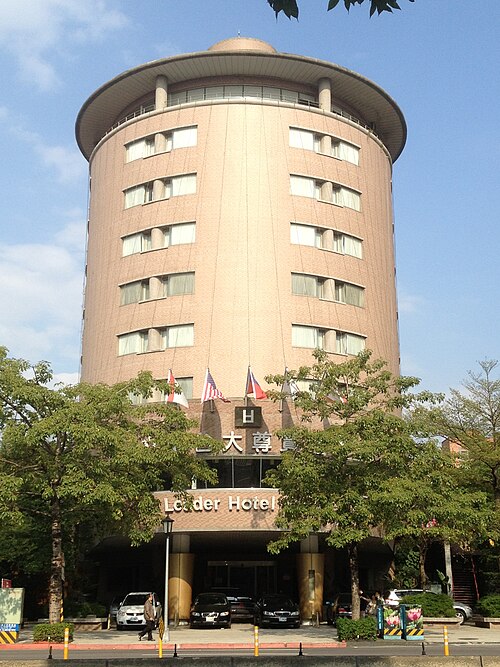
公館夜市
Gongguan Night Market is an evening food, shopping, and street-life destination in Taipei’s Gongguan area, near National Taiwan University. It brings together food stalls, small shops, casual dining, and the constant movement of a student-oriented urban district.
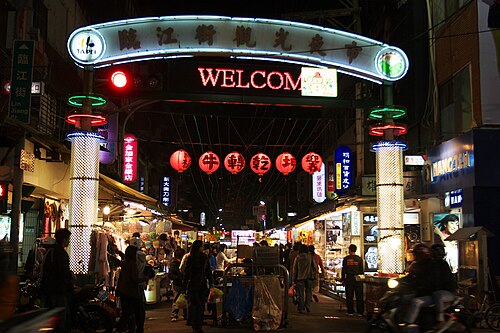
臨江街觀光夜市
Linjiang Street Night Market, known locally as 臨江街觀光夜市, is an evening street market in Taipei’s urban fabric, with the visit unfolding along vendor fronts rather than inside one attraction building.
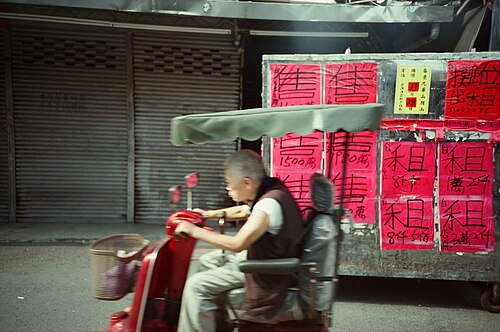
南機場夜市
Nanjichang Night Market, known locally as 南機場夜市, is a neighborhood night market in Taipei. It brings together food stalls and small independent businesses in an evening street setting.
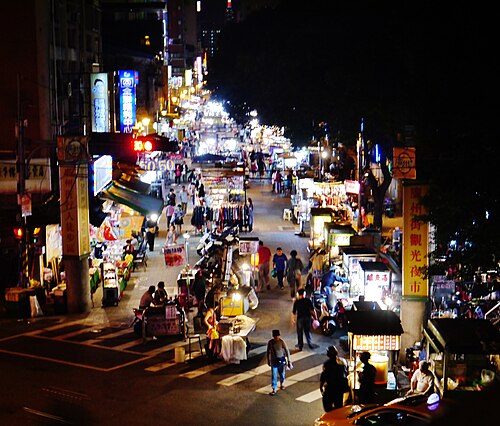
廣州街觀光夜市
Guangzhou Street Night Market, locally called 廣州街觀光夜市, runs along Guangzhou Street in Taipei’s Wanhua District. It is a traditional street market with food stalls, snacks, and local businesses.
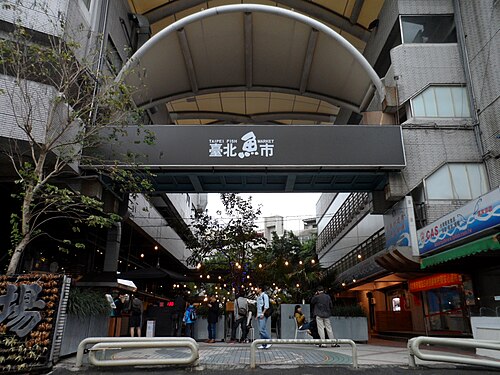
臺北魚市
Taipei Fish Market, locally known as 台北魚市, is a working seafood marketplace in Taipei. It combines wholesale trade with retail activity, giving visitors a view of how seafood moves through an urban market rather than through a museum-style exhibition.
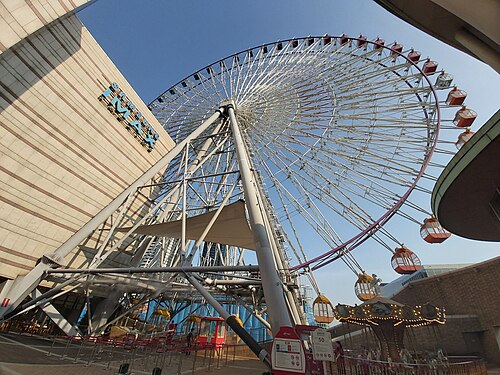
美麗華百樂園
Miramar Entertainment Park, known in Chinese as 美麗華百樂園, is a large Taipei shopping and entertainment complex built around several kinds of urban leisure in one destination.
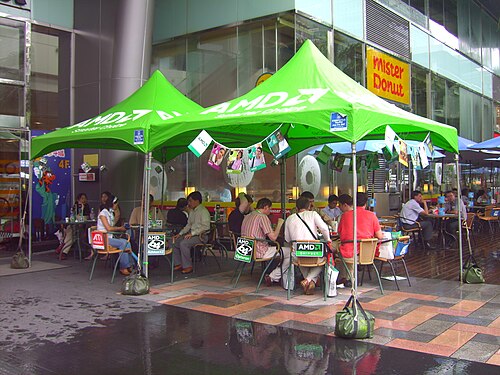
ATT 4 FUN is a commercial entertainment complex in Taipei combining shopping, dining, and leisure in one urban destination. The complex suits travelers who want an indoor stop with several possible activities rather than a single museum or monument.
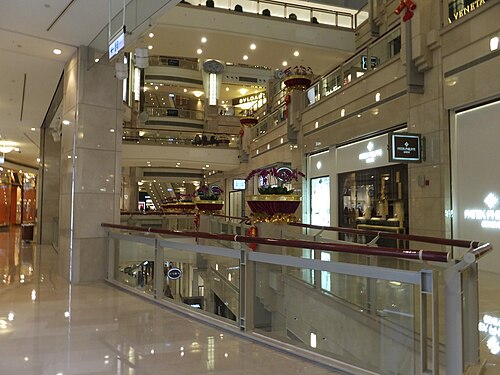
台北101購物中心
Taipei 101 Mall occupies the lower floors of the Taipei 101 complex in Xinyi District. It is the shopping component of one of Taipei’s most recognizable towers, combining retail, dining, and access to the wider Taipei 101 experience.
Source: OpenStreetMap contributors, Wikidata ·
Group Longshan Temple, Bopiliao and Ximending on the west side, then use Taipei Main Station as the interchange for other zones. Plan Chiang Kai-shek Memorial Hall separately from the eastern Taipei 101 and Xinyi cluster. Beitou, National Palace Museum, Maokong and Yangmingshan each require a deliberate transit leg beyond the central grid.
Checked 2026-08-26
Taipei Travel identifies the MRT as the city’s most convenient public transport, with frequent services and connections to buses. Walk within each neighbourhood cluster and use rail between them. QR single-journey tickets and other accepted fare media are available, but check current operator guidance before travel. Buses or final walking sections are needed for several hillside attractions.
Checked 2026-08-26
A fixed stay length is not recorded. Build the visit around the west side, civic centre and Xinyi, then add Beitou, Maokong and Yangmingshan only when the available time supports a separate journey.
Group places by district instead of crossing the city repeatedly. Start with the west side, civic centre and Xinyi; treat Beitou, Maokong and Yangmingshan as separate routes with their own travel allowance.
Use Walking, MRT and city bus. Walk within compact clusters and consult the linked official transport information before making longer transfers or relying on a particular route.
Only within individual neighbourhood clusters. The main visitor areas are separated by distances, waterways, major roads or regional approaches, so longer links normally need public transport or a licensed vehicle.
Plan Beitou, Maokong and Yangmingshan separately from the west side, civic centre and Xinyi. Check the current route, return connection and any access requirements on the official source before departure.