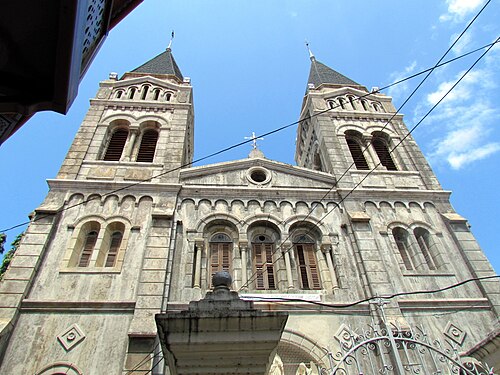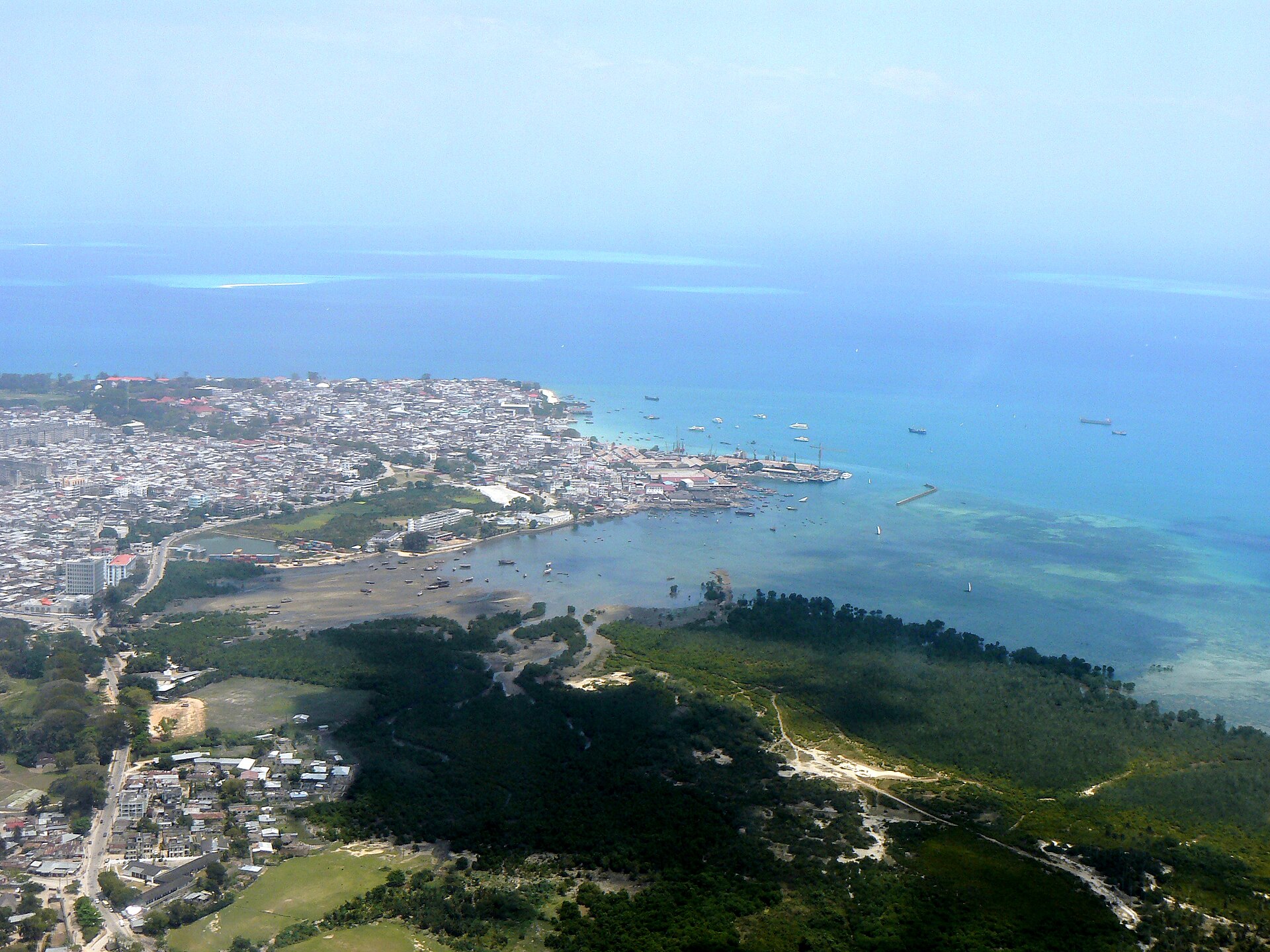
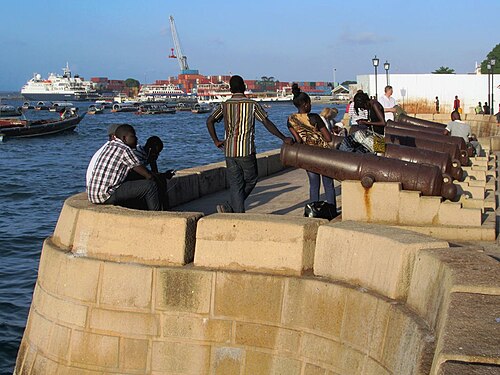
A photograph of Zanzibar City

City guide · Tanzania

Zanzibar City

Zanzibar City is centred on Stone Town, a compact historic quarter of narrow lanes beside the harbour. The Old Fort, palace museums, markets and seafront garden...

Photograph · Paul Brockmeyer from Chicago, USA · CC BY 2.0

457 Places
Suggested stay
Not recorded
Getting around
Walk in Stone Town; taxi beyond it

Turn this list into a plan

Set your days, your pace and the hours you actually want to be out. The planner works around closing days and travel time, and leaves room to eat.

Plan Zanzibar City

Reviewed by Elena Voss · Roavina Travel Editor

Zanzibar City is centred on Stone Town, a compact historic quarter of narrow lanes beside the harbour. The Old Fort, palace museums, markets and seafront gardens fit into a walking route, while Ng'ambo and the wider urban area extend east beyond the old town. Island beaches, spice farms and forest reserves are separate excursions rather than city-centre stops, so distinguish a Stone Town itinerary from a wider Zanzibar stay.

Checked 2026-08-26

Practical information

Language spoken
Swahili and English
National practical orientation; regional and minority languages may also be used
Dialling code
+255
International calling code; local area and mobile prefixes still apply
Currency
Tanzanian shilling (TZS)
Use the official local currency; card acceptance varies by place
Emergency number
112
Use only for an emergency; tourist assistance may use a separate number
Plug type
Type D and G · 230 V
Check that chargers support the recorded voltage before using an adapter
Tap water
Not recorded
No verified nationwide visitor drinking-water statement was recorded

Planning a visit

September · September remains dry in Zanzibar City with 33 mm of rainfall and a 29.9°C mean maximum.

  1. January: viable with meaningful trade-offs
  2. February: viable with meaningful trade-offs
  3. March: viable with meaningful trade-offs
  4. April: recurring difficult conditions
  5. May: viable with meaningful trade-offs
  6. June: best time to visit
  7. July: best time to visit
  8. August: best time to visit
  9. September: best time to visit — current month
  10. October: good time to visit
  11. November: viable with meaningful trade-offs
  12. December: viable with meaningful trade-offs

Sources

Top things to see

Ranked by importance — sitelinks, pageviews and heritage status, not editor preference.

  1. Darajani Market Darajani Market
    02 45 min

    Darajani Market

    Soko la Darajani

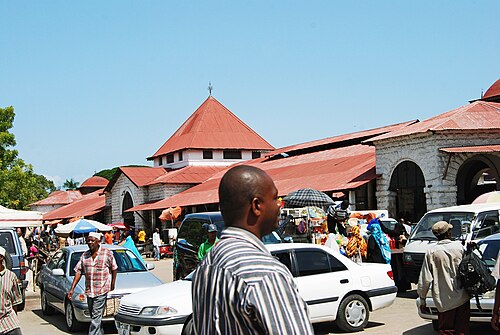
    Darajani Market, known locally as Soko la Darajani, is Zanzibar City's principal covered market and a vital commercial hub. It serves as the boundary between Stone Town's historic core and Ng'ambo, the newer part of the city.

    • Must see
    • Market
  2. Prison Island Prison Island
    03 1 hour

    Prison Island

    Changuu Island

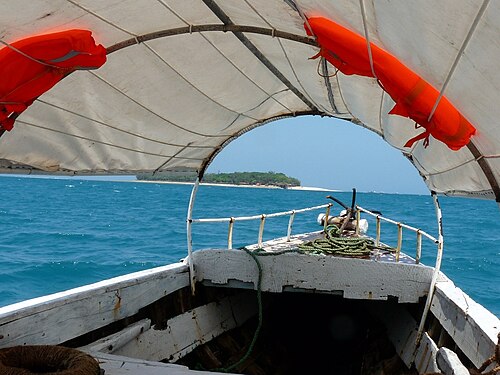
    Prison Island, locally known as Changuu Island, sits offshore from Stone Town in Zanzibar City.

    • Must see
    • Nature site
  3. Old Dispensary Old Dispensary
    04 45 min

    Old Dispensary

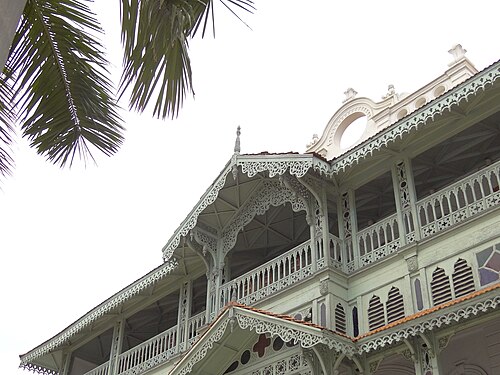
    The Old Dispensary, also called Ithnasheri Dispensary, is a restored nineteenth-century building in Stone Town, Zanzibar City. Its ornate facade reflects Indian-influenced mercantile architecture and the commercial world created by Indian Ocean trade.

    • Must see
    • Historic monument
  4. Hamamni Persian Baths Hamamni Persian Baths
    05 45 min

    Hamamni Persian Baths

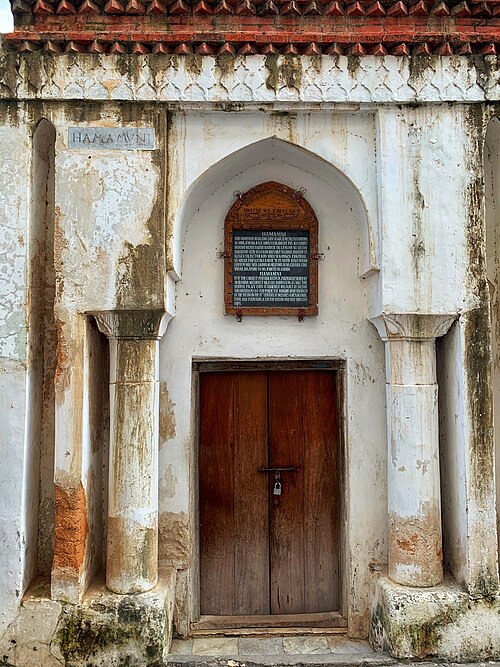
    Hamamni Persian Baths are a preserved nineteenth-century bath complex in Stone Town. The building reflects Persian and Omani influence on Zanzibar’s architecture and social life, and it lies within the Stone Town UNESCO World Heritage site.

    • Must see
    • Historic monument
  5. St. Joseph's Cathedral, Zanzibar St. Joseph's Cathedral, Zanzibar
    06 30 min

    St. Joseph's Cathedral, Zanzibar

    St. Joseph's Cathedral

    St. Joseph Roman Catholic Cathedral is a twin-spired Catholic church in Stone Town, Zanzibar City. It stands as the most prominent Roman Catholic landmark in the historic district and contributes significantly to the area's multi-faith skyline.

    • Must see
    • Place of worship

Source: OpenStreetMap contributors, Wikidata ·

How the city is laid out

Stone Town occupies the western waterfront and is organised around the harbour, Forodhani Gardens, the Old Fort and Darajani Market. Its narrow lanes are best understood through a few fixed landmarks rather than a road grid. Ng'ambo begins beyond Creek Road and contains the newer city. The airport lies south of the centre, while beach villages and nature sites spread far beyond Zanzibar City across Unguja and require road transfers.

Checked 2026-08-26

Getting around

Walk inside Stone Town, where many lanes are too narrow for ordinary vehicle access. The Zanzibar Commission for Tourism lists taxis, buses and rental cars among the island's transport options. For movement beyond the old town, arrange suitable road transport and confirm the pickup point, because vehicles generally meet passengers on wider perimeter roads rather than inside the historic lanes. Check current operator terms before making a longer journey.

Checked 2026-08-26

Common questions

How many days should I plan for Zanzibar City?

No fixed stay length is recorded. Separate the Stone Town walking programme from any spice-farm, beach, forest or island excursion elsewhere on Unguja.

Is Stone Town walkable?

Yes. Its principal seafront, market and heritage sites sit within a compact network of narrow lanes, and walking is the practical way to move between them.

How do I reach places outside Stone Town?

The Zanzibar Commission for Tourism lists taxis, buses and rental cars. Choose the suitable option for the distance and confirm the operator terms and return arrangement before departure.

Where should a taxi meet me in Stone Town?

Use an agreed point on a wider perimeter road or near a recognised landmark. Many interior lanes do not provide normal vehicle access.

Are Zanzibar beaches part of the city walking route?

No. Zanzibar City and Stone Town form the urban base; the island's principal beach villages and nature areas require separate road or boat excursions.