
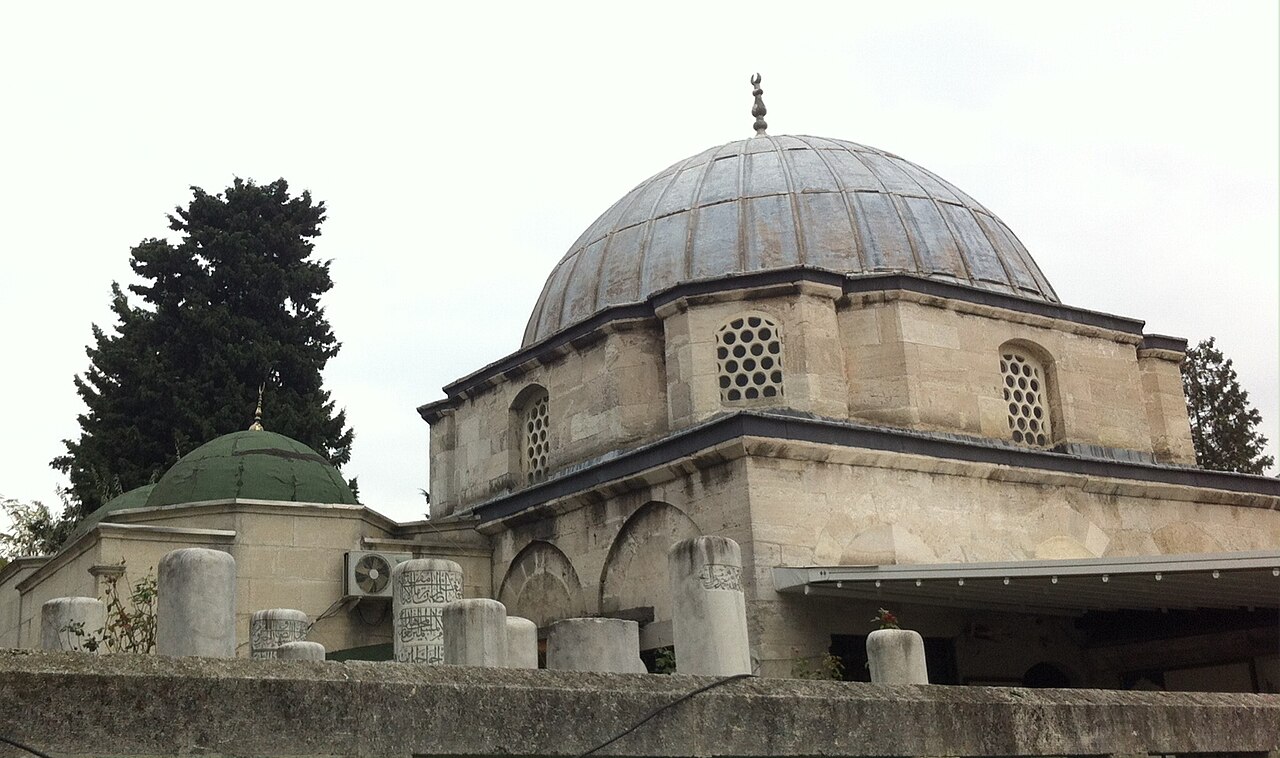
2 min walk · Eyüpsultan
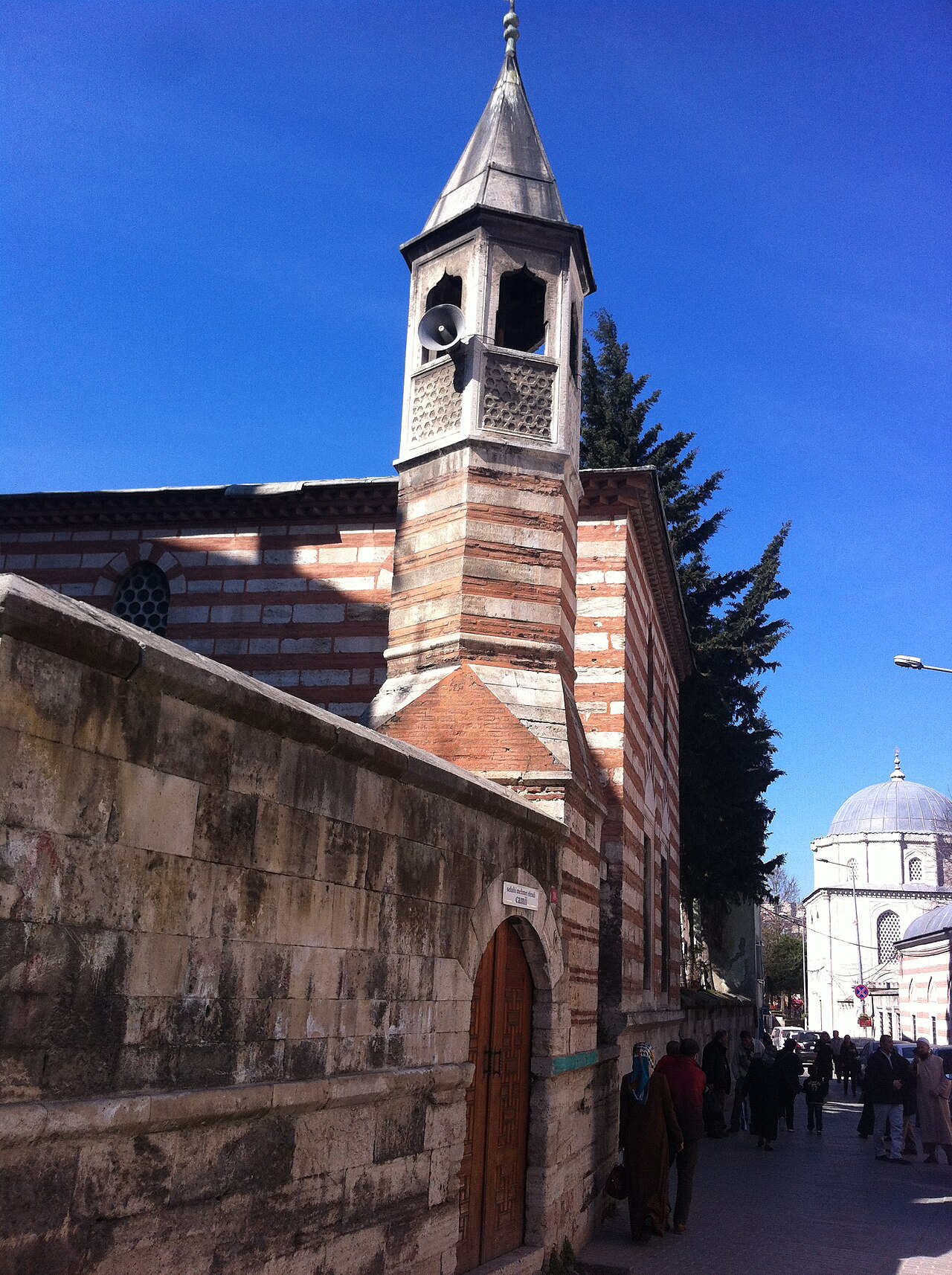
Saçlı Abdülkadir Efendi Mosque
- High
- Place of worship
Language · 11 published
Place of worship · Eyüpsultan, Istanbul
Eyüp Sultan Camii
Reviewed by Elena Voss · Roavina Travel Editor
| Monday | 04:00 – 23:00 |
|---|---|
| Tuesday | 04:00 – 23:00 |
| Wednesday | 04:00 – 23:00 |
| Thursday | 04:00 – 23:00 |
| Friday | 04:00 – 23:00 |
| Saturday | 04:00 – 23:00 |
| Sunday | 04:00 – 23:00 |
Checked 2026-08-31 · Source
Read from the OpenStreetMap access tags; anything not listed has no tag recorded.
Set the group type to family in the planner and the day window contracts to about three quarters of a solo day.
This place is a Place of worship. It was established in 1458. It was built in the Ottoman architecture style.
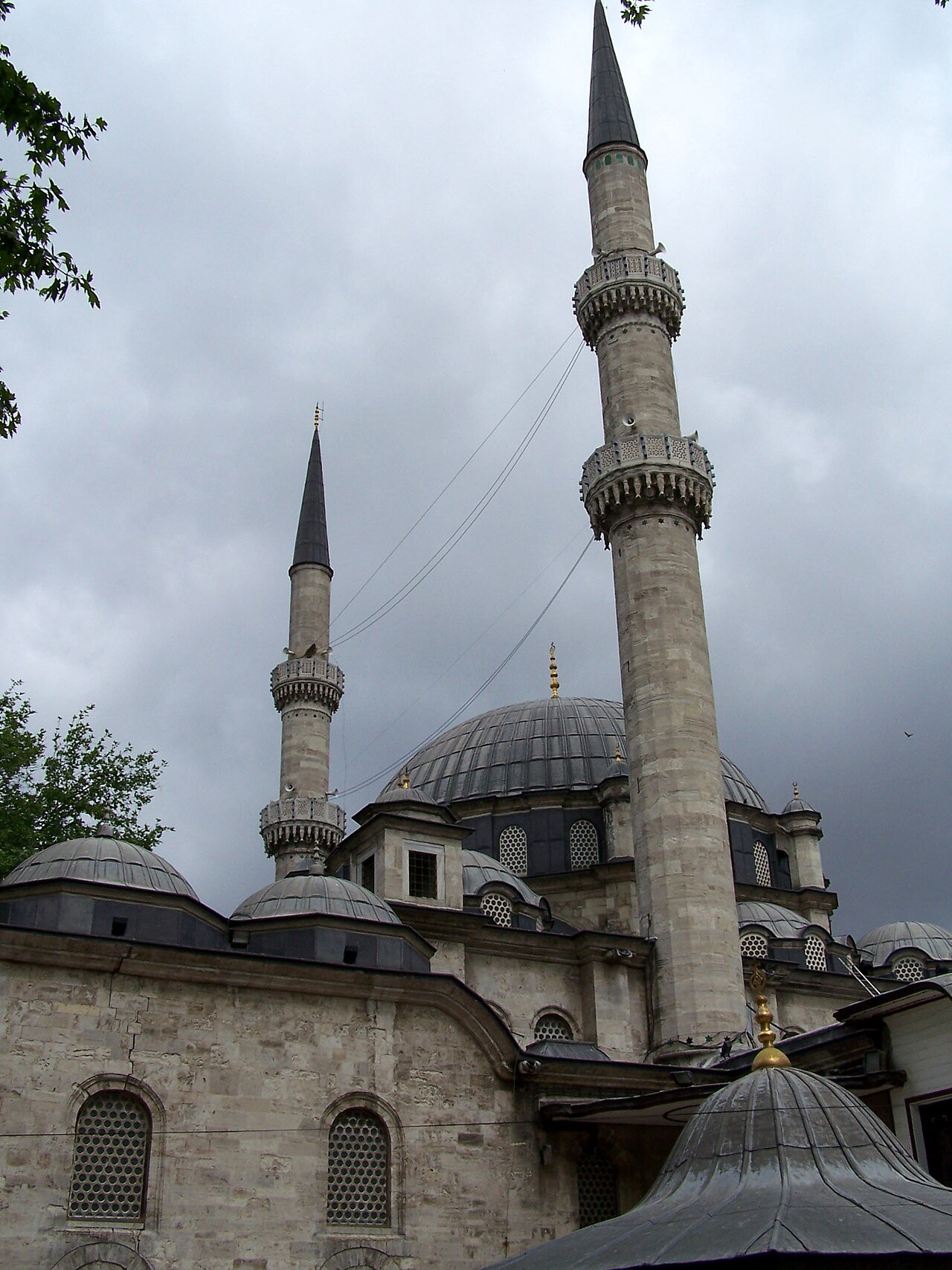
This is the mosque Ottoman Istanbul built around a grave rather than around a view. Abu Ayyub al-Ansari was a companion of the Prophet Muhammad and his standard-bearer, and he is believed to have died outside the walls of Constantinople during the first Arab siege in the 670s. Eight centuries later, in 1458 — five years after the conquest — Mehmed II's teacher Akşemseddin identified the burial place, and the mosque went up beside it. By the end of the eighteenth century the complex was in a ruinous state, possibly from earthquake damage. Open daily from before dawn through evening around the five prayers; Friday, funeral and major religious services heavily restrict sightseeing. The main courtyard has step-free approaches and accessible facilities, but crowds, thresholds and the tomb queue create limitations. Open daily from before dawn through evening around the five prayers; Friday, funeral and major religious services heavily restrict sightseeing. Base public or worship access is free. Accessibility is LIMITED: The main courtyard has step-free approaches and accessible facilities, but crowds, thresholds
Checked 2026-08-31 · Source
Two things, and the second is the reason for the queue. The prayer hall is one part of the visit; the mausoleum of Abu Ayyub al-Ansari, facing it across the inner courtyard, is the other, and almost everyone here has come for the tomb. The mausoleum's walls carry İznik tiles from several different periods, gathered together during the 1798–1799 rebuilding rather than made for the room. Among them are panels showing the sealing-wax red of Armenian bole, the glaze that dates from around 1580 and that İznik never quite reproduced afterwards. Base public or worship access is free. Use T5 tram to Eyüpsultan Teleferik or Eyüpsultan, then walk through Eyüp Square to the mosque; ferries also serve Eyüp pier.
Checked 2026-08-31 · Source
Forty-five minutes, and the queue is why. Ten minutes in the prayer hall and ten in the courtyard would be plenty on their own, but the file of visitors waiting to pass the tomb commonly runs ten to twenty minutes and can run considerably longer, so the arithmetic lands near three quarters of an hour. That estimate assumes an ordinary weekday. It does not hold on a Friday, during a religious holiday or on a kandil night, when the queue is the whole visit and forty-five minutes will not be close. Accessibility is LIMITED: The main courtyard has step-free approaches and accessible facilities, but crowds, thresholds and the tomb queue create limitations.
Checked 2026-08-31 · Source
Open daily from before dawn through evening around the five prayers; Friday, funeral and major religious services heavily restrict sightseeing. Worship, weather, restoration and events can replace ordinary access. Use T5 tram to Eyüpsultan Teleferik or Eyüpsultan, then walk through Eyüp Square to the mosque; ferries also serve Eyüp pier.
Checked 2026-08-31 · Source
General public or worship access is free; independently operated activities can cost extra. The base amount and currency follow the operator tariff; premium products and separate institutions remain excluded unless named. Religious services, conservation, ceremonies, weather or dated operator notices can alter ordinary access.
Checked 2026-08-31 · Source
Use T5 tram to Eyüpsultan Teleferik or Eyüpsultan, then walk through Eyüp Square to the mosque; ferries also serve Eyüp pier. Use the named entrance or stop because hills, security and historic streets change the approach. Dress modestly, remove shoes where required and avoid sightseeing during prayer.
Checked 2026-08-31 · Source
The main courtyard has step-free approaches and accessible facilities, but crowds, thresholds and the tomb queue create limitations. Open daily from before dawn through evening around the five prayers; Friday, funeral and major religious services heavily restrict sightseeing. Base public or worship access is free. Accessibility is LIMITED: The main courtyard has step-free approaches and accessible facilities, but crowds, thresholds and the tomb queue create limitations. Historic surfaces, crowds and security remain relevant.
Checked 2026-08-31 · Source
The courtyard is the picture and the plane tree is the anchor. Stand back against the arcade on the side opposite the tomb and let the tree, the marble platform and the fountain corners stack up in front of the mausoleum door; the composition is why that platform was built where it was. Inside the mausoleum, restraint beats ambition. The İznik panels reward a tight frame on a single tile group rather than a wide shot of the room, and a wide shot will include people at prayer anyway. General public or worship access is free; independently operated activities can cost extra.
Checked 2026-08-31 · Source
Open daily from before dawn through evening around the five prayers; Friday, funeral and major religious services heavily restrict sightseeing.
Base public or worship access is free.
Accessibility is LIMITED: The main courtyard has step-free approaches and accessible facilities, but crowds, thresholds and the tomb queue create limitations.
Use T5 tram to Eyüpsultan Teleferik or Eyüpsultan, then walk through Eyüp Square to the mosque; ferries also serve Eyüp pier.
Religious services, conservation, ceremonies, weather or dated operator notices can alter ordinary access.
Dress modestly, remove shoes where required and avoid sightseeing during prayer.
Loading the interactive map…
The interactive map could not be loaded.
Last updated:
Source: OpenStreetMap contributors, Wikidata ·