
89 min walk · Salihli
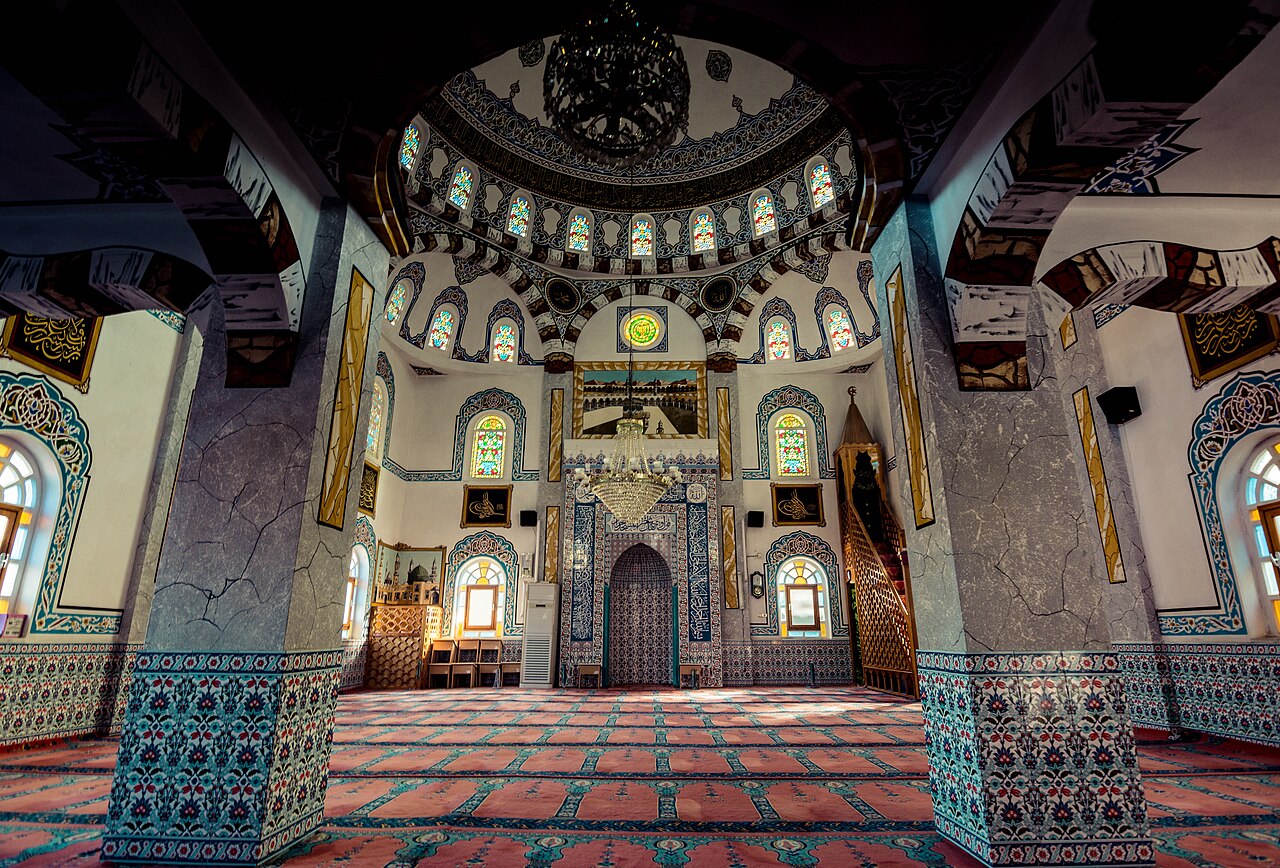
Gökeyüp Mahallesi Camii
- Notable
- Place of worship
Language · 11 published
Historic monument · Salihli, Manisa
Reviewed by Elena Voss · Roavina Travel Editor
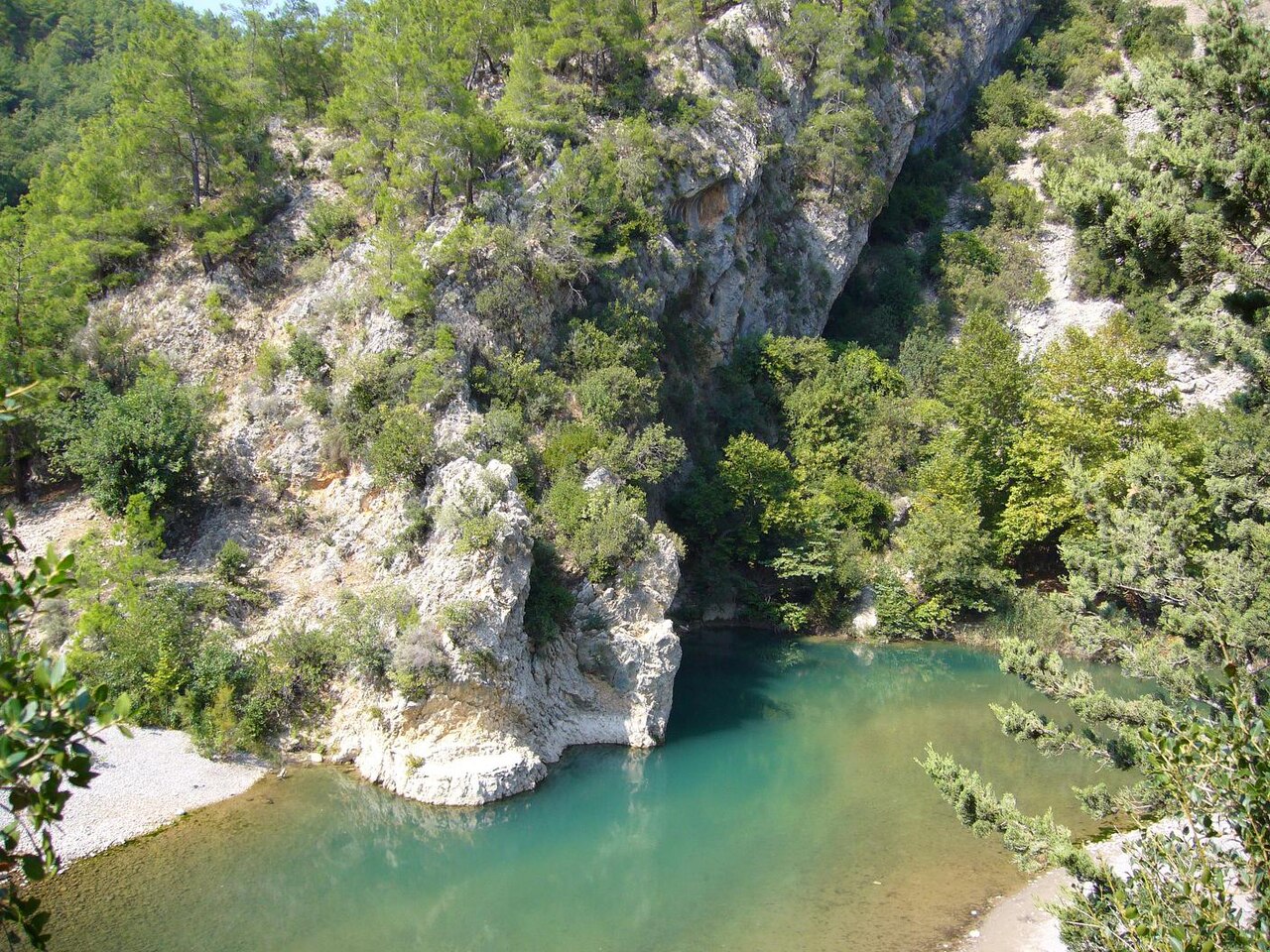
Çakallar is a protected open-air heritage locality on a volcanic hillside near Sindel, also called Akçeşme, in Salihli district, Manisa. Its defining evidence is a group of fossilised human and animal footprints preserved as impressions in volcanic tuff. The traces remain part of the original landscape rather than movable museum objects. Çakallar belongs to the Kula-Salihli UNESCO Global Geopark, linking prehistoric evidence with volcanic geology and rural terrain. Visit for the combination of surviving footprints, exposed rock and hillside setting. The site is an outdoor heritage stop, not an indoor gallery, performance venue or conventional town attraction.
Checked 2026-09-02 · Source
The central subject is the preserved footprint evidence on volcanic tuff. Human tracks and animal tracks survive as impressions in the rock, allowing you to read the marks together with the volcanic hillside that holds them. The locality is open ground, so the setting matters as much as the traces: stone, slope and the wider Kula-Salihli landscape form part of the experience. Nearby Kanlıkayalar is known for prehistoric rock paintings and can be paired with Çakallar in a broader prehistoric-heritage outing. At Çakallar, expect concentrated outdoor observation rather than cafés, galleries or a programmed visitor sequence.
Checked 2026-09-02 · Source
Allow around 30–60 minutes at the locality to orient yourself, inspect the footprint fossils carefully and take in the volcanic hillside. The viewing time is separate from the journey through Salihli’s rural surroundings and from any walking needed after leaving the road. Uneven ground may slow movement, especially when you want to study the impressions without stepping onto protected surfaces. If you combine Çakallar with Kanlıkayalar or another Kula-Salihli geopark stop, plan a larger half-day outing. Travellers focused on geology or prehistoric heritage will benefit from the longer end of the range because the landscape deserves attention beyond a quick photograph.
Checked 2026-09-02 · Source
Choose daylight because the footprint fossils are outdoors and the volcanic terrain needs careful visual reading. Dry, stable weather can make the slope and loose surfaces easier to cross, while rain can make exposed ground slippery. Morning or afternoon light may help shallow impressions stand out against the tuff and can make the hillside more legible in photographs. Give yourself enough time to finish the observation before visibility declines. The locality is best suited to an unhurried visit when the approach and ground conditions allow you to move slowly, protect the traces and study the relationship between the footprints and the surrounding geopark landscape.
Checked 2026-09-02 · Source
Plan Çakallar as a protected outdoor heritage stop rather than a conventional ticketed museum visit. The locality’s significance lies in fossilised human and animal footprints preserved in volcanic tuff, so conservation is part of the visitor experience. Do not touch, chip, mark, scrape or remove anything from the surface. Respect lawful access and conservation instructions at the site. The visit centres on observing the traces in their original setting, and responsible behaviour matters more than approaching the fossil-bearing ground for a closer photograph.
Checked 2026-09-02 · Source
Use the Salihli–Demirci road and leave it around kilometre 25 for the route towards the Çakallar area. The locality is about 1 kilometre east of Akçeşme, also called Sindel, on the hillside south of the road between Çarıklılar and Akçeşme villages. This is a rural approach rather than a city-centre stop. Treat the final section as an outdoor field route. Once a continuous vehicle surface ends, continue only where the local route is clear and safe. Build in time for orientation around the hillside and for the slower walking needed to protect the footprint-bearing surfaces.
Checked 2026-09-02 · Source
Çakallar lies on volcanic slope and open ground, without a described flat, uninterrupted pedestrian surface to the fossil traces. Step-free access is limited. Wear shoes with secure grip and move carefully over uneven or loose surfaces. Rain can change the footing and make the slope harder to cross. Keep children close, stay away from fragile edges and never climb onto, handle or scrape the fossil-bearing tuff. Prepare for the rural setting before leaving the main road, carry what your group needs and keep the visit focused on observation. Protecting the site means leaving the traces exactly as you found them.
Checked 2026-09-02 · Source
Photograph the footprint fossils with enough surrounding volcanic tuff and hillside to show their setting. Soft daylight can make shallow impressions easier to read, while a wider frame helps distinguish the traces from ordinary marks in exposed ground. Keep your feet, tripod and other equipment away from fossil-bearing surfaces. Never scrape, move stones or touch the rock to improve a composition. Kanlıkayalar, the nearby prehistoric rock-painting locality, can add context to a wider Kula-Salihli itinerary, but its painted surfaces also deserve protection. The strongest images document the landscape, the rock and the surviving marks without changing the place.
Checked 2026-09-02 · Source
Çakallar is near Sindel, also called Akçeşme, in Salihli district, Manisa. It is about 1 kilometre east of Akçeşme on the hillside south of the road between Çarıklılar and Akçeşme.
Çakallar lies within the Kula-Salihli UNESCO Global Geopark, a landscape combining volcanic geology and prehistoric heritage.
You can see fossilised human and animal footprints preserved as impressions in volcanic tuff in an open hillside landscape.
The footprints were exposed in 1968–1969 during road and hillside works around the Demirköprü Dam area.
Use the Salihli–Demirci road, leave it around kilometre 25 towards Çakallar and continue towards the hillside about 1 kilometre east of Akçeşme, or Sindel.
Kanlıkayalar, known for prehistoric rock paintings, is nearby in the wider Kula-Salihli prehistoric landscape. Its painted rock surfaces should not be touched or marked.
Loading the interactive map…
The interactive map could not be loaded.
Last updated:
Source: OpenStreetMap contributors ·