_IMG_2114.jpg)
_IMG_2115.jpg)
_IMG_2116.jpg)
10 min walk · Salihli
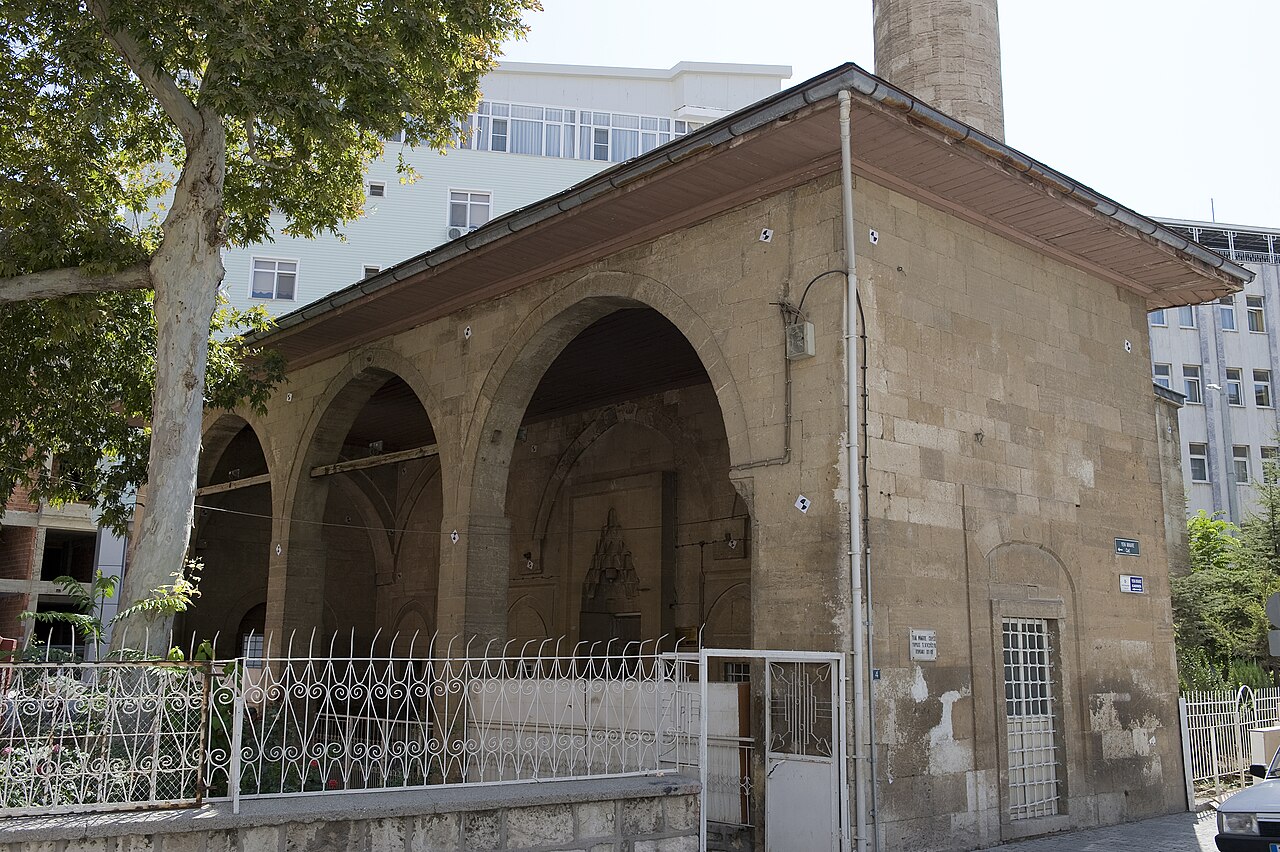
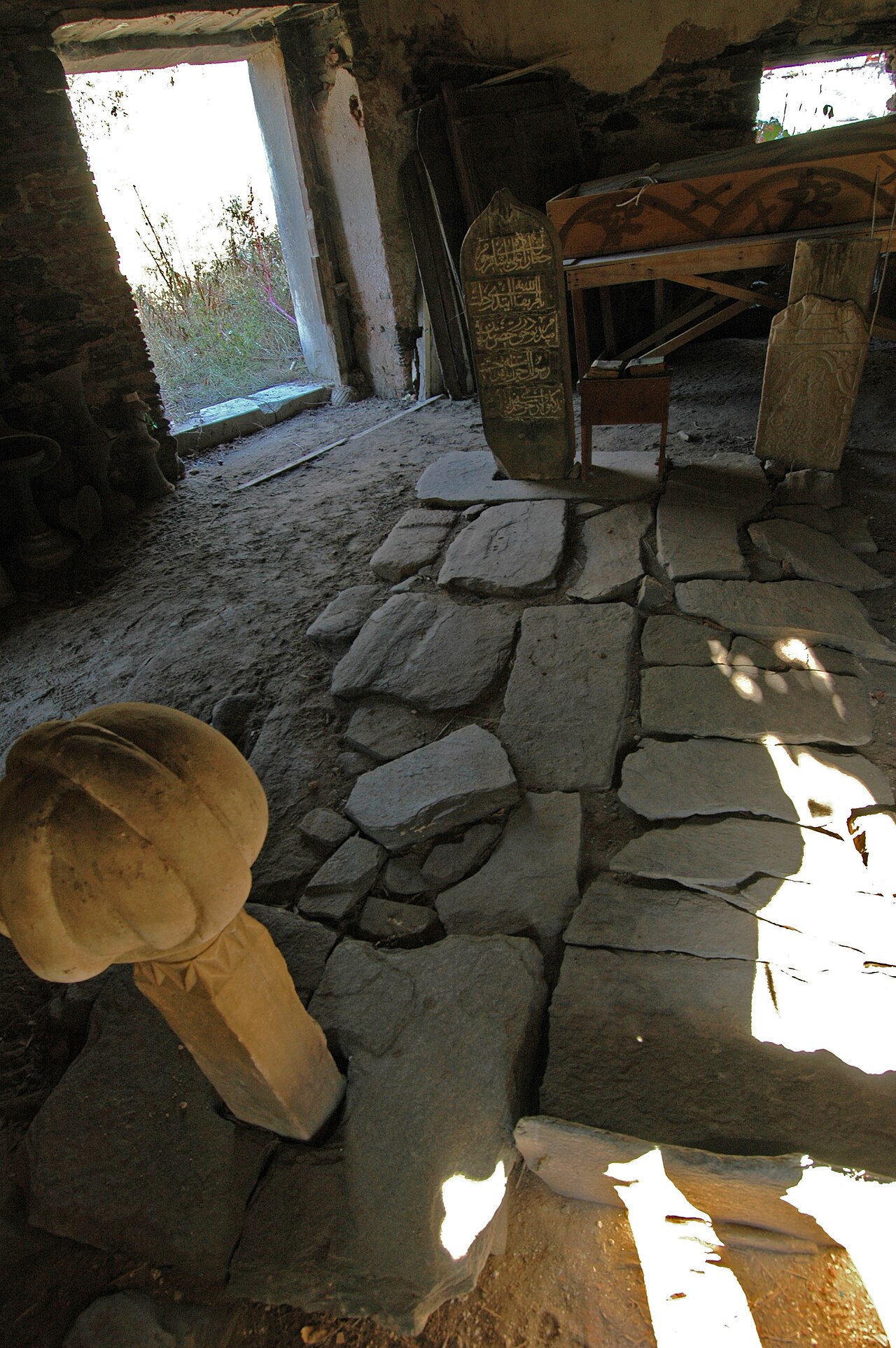
Yeni Karaman Camii
- Notable
- Place of worship
Historic monument · Salihli, Manisa
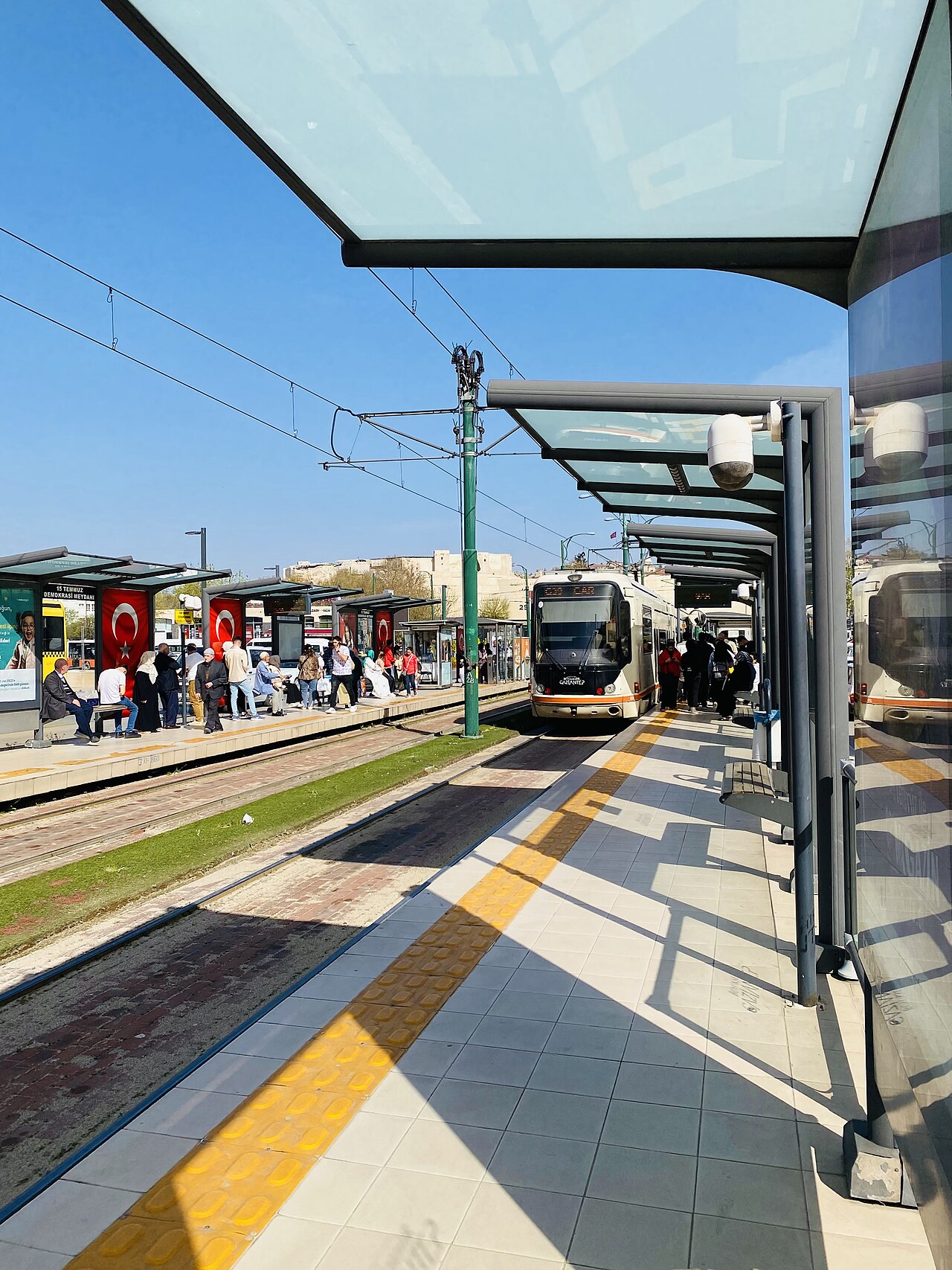
Demokrasi Meydanı is an open-air civic square in central Manisa’s Şehzadeler district, known in official notices as 15 Temmuz Demokrasi Meydanı. Its character comes from public use rather than an enclosed collection: people gather here for remembrance, marches, concerts and community activity. The square’s position on the İzmir Caddesi corridor, near the Sultan Cami–8 Havuzu line, gives it a distinctive role in the centre. Its name changed in 2016 from Manolya Meydanı, linking today’s public space with a recent chapter of Manisa’s civic history. The square is best understood as a civic landmark within the city centre.
Checked 2026-09-02 · Source
The main experience is the square itself and the changing public life it accommodates. Official notices associate Demokrasi Meydanı with 15 July remembrance walks, concerts, women’s marches and municipal aşure distributions. Each programme reveals a different side of the place: remembrance gives it a role in public memory, a march makes it part of a civic route, music turns it into a performance setting, and aşure distribution highlights community sharing. On a quiet visit, look at how the open space meets İzmir Caddesi and the Sultan Cami–8 Havuzu line. During an event, speeches, music, procession movement and the assembled crowd become the central features.
Checked 2026-09-02 · Source
Allow about 20 to 30 minutes for a focused look at Demokrasi Meydanı, its urban setting and its connection with central Manisa. This gives enough time to understand the open space, place it along İzmir Caddesi and notice the Sultan Cami–8 Havuzu orientation. Extend the stop when it forms part of a longer centre walk or when a public programme is underway. A documented onward route begins at the square and continues towards Cumhuriyet Meydanı through İzmir Caddesi, Doğu Caddesi and Kuyumcular Caddesi. A short pause suits orientation; an organised gathering deserves longer for its speeches, music and movement.
Checked 2026-09-02 · Source
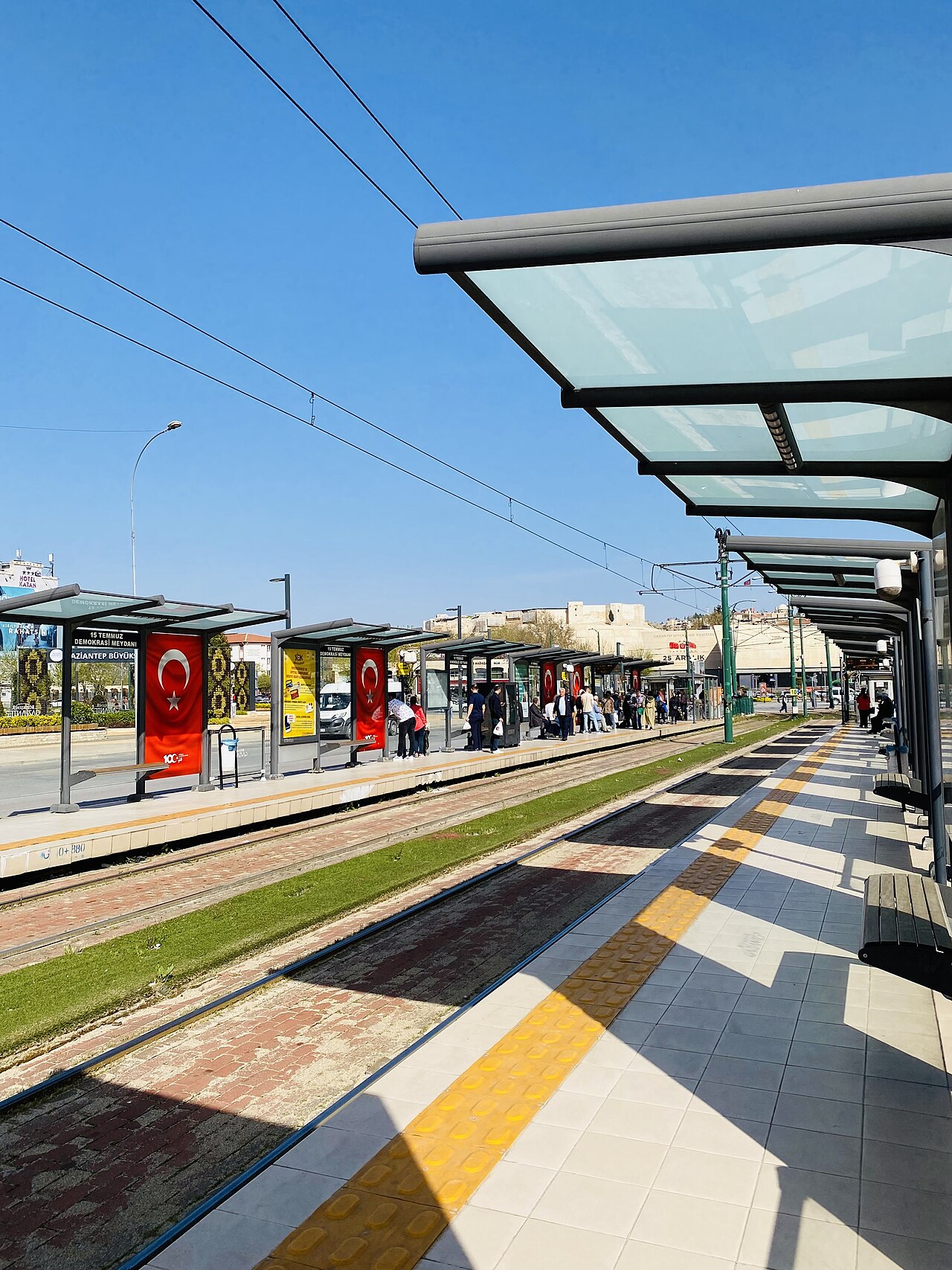
Daytime is useful for reading Demokrasi Meydanı as part of central Manisa and seeing the relationship between the square, İzmir Caddesi, Sultan Cami and 8 Havuzu. To experience its civic role directly, choose an announced programme associated with the square, such as a commemoration, concert, march or community distribution. Event activity changes pedestrian circulation and the open space available for standing. A quiet visit is better for orientation and observing the surrounding streets; a scheduled gathering shows the square in its collective form. The contrast between everyday passage and public occasion is central to understanding this place.
Checked 2026-09-02 · Source
The supplied official notices describe public programmes at Demokrasi Meydanı but do not establish a ticket procedure or admission price for the square itself. Plan it as an open-air civic setting within central Manisa’s public street environment, not as an enclosed attraction with a recorded entrance. Ordinary use should be distinguished from any arrangements made for a particular concert, commemoration, march or community programme. The square’s civic role is therefore best understood through its setting and events, without assigning it an unsupported admission policy.
Checked 2026-09-02 · Source
Use central Manisa’s named street connections to orient yourself. Demokrasi Meydanı is identified on the İzmir Caddesi corridor and along the Sultan Cami–8 Havuzu line. For the documented onward walk to Cumhuriyet Meydanı, begin at the square and follow İzmir Caddesi, Doğu Caddesi and Kuyumcular Caddesi. These streets provide the clearest supplied wayfinding sequence for combining the square with central stops. No transport timetable, parking instruction or separate visitor entrance is documented here, so keep to the central street network. During organised events, follow route guidance and leave space for procession movement.
Checked 2026-09-02 · Source
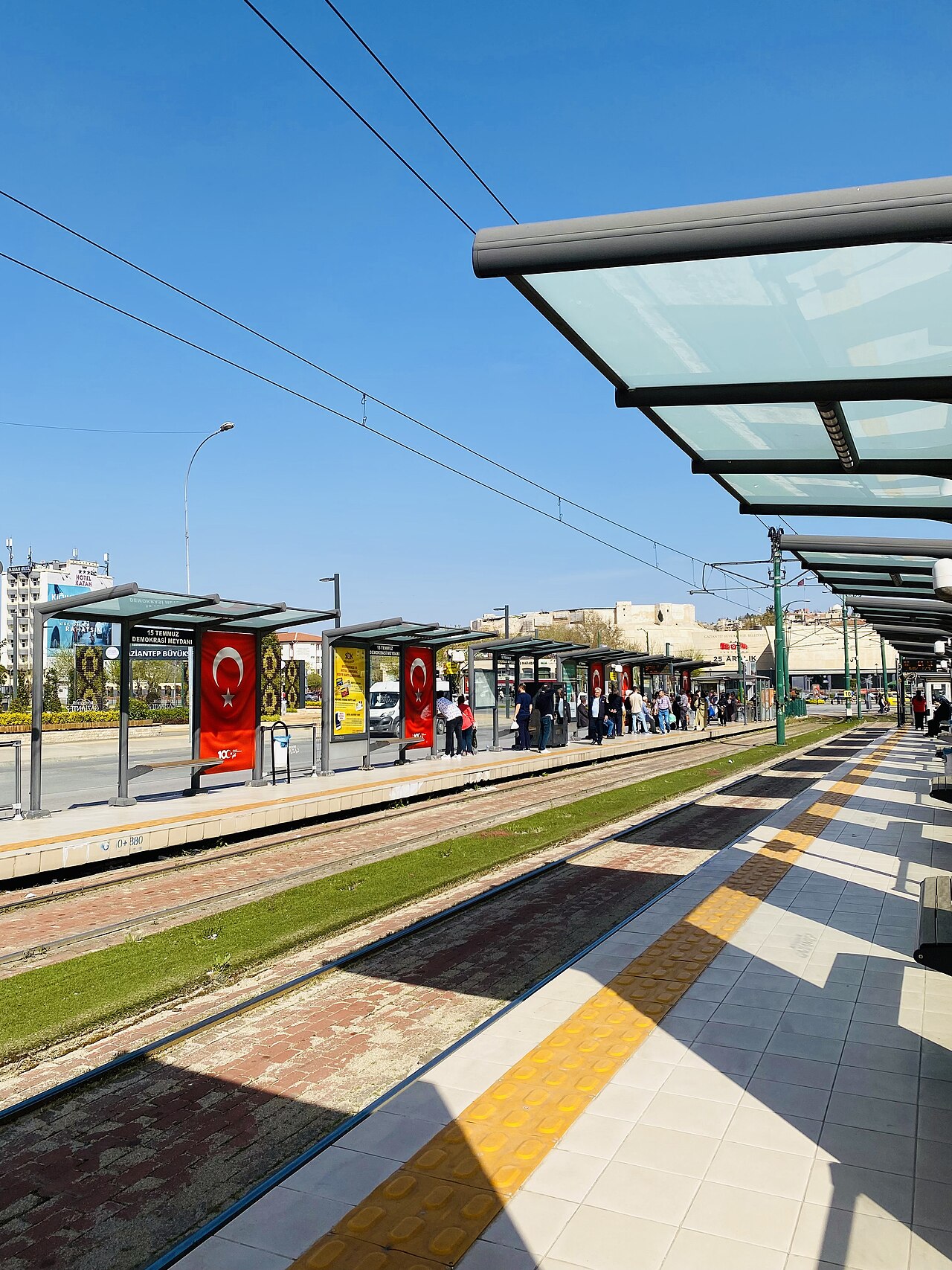
Demokrasi Meydanı is an active civic space, so a ceremony, march, concert or community activity can alter pedestrian flow and the area available for standing. Keep clear of procession and performance routes, avoid blocking people moving through the square and follow organiser instructions during busy programmes. The experience is shaped by current public use rather than a fixed visitor sequence. At a large gathering, allow extra time to move through nearby streets and expect the event layout to determine where people can stand or walk. During a procession, surrounding movement may matter as much as the square.
Checked 2026-09-02 · Source
Photograph Demokrasi Meydanı as part of central Manisa: the open space, its İzmir Caddesi setting and the connections towards nearby civic streets communicate more than an isolated view. A quiet frame can show the square’s urban position alongside the Sultan Cami–8 Havuzu line. During a remembrance event, concert or march, the crowd supplies stronger context, but remain outside procession lines and do not obstruct participants. Wide views can connect the square with surrounding streets, while event photographs should give participants room and dignity. Focus on the civic setting, changing public use and the way this square links central Manisa’s streets.
Checked 2026-09-02 · Source
It is an open-air public square in central Manisa’s Şehzadeler district, on the İzmir Caddesi corridor and along the Sultan Cami–8 Havuzu line.
Official municipal and governorate notices also refer to Demokrasi Meydanı as 15 Temmuz Demokrasi Meydanı.
Its name changed in 2016 from Manolya Meydanı to 15 Temmuz Demokrasi Meydanı.
Start at Demokrasi Meydanı and follow İzmir Caddesi, Doğu Caddesi and Kuyumcular Caddesi towards Cumhuriyet Meydanı.
The square is associated with 15 July remembrance walks, concerts, women’s marches and municipal aşure distributions at or along events involving the square.
No. It is an open-air civic square used for everyday movement, public gatherings and organised events.
Loading the interactive map…
The interactive map could not be loaded.
Last updated:
Source: OpenStreetMap contributors ·