


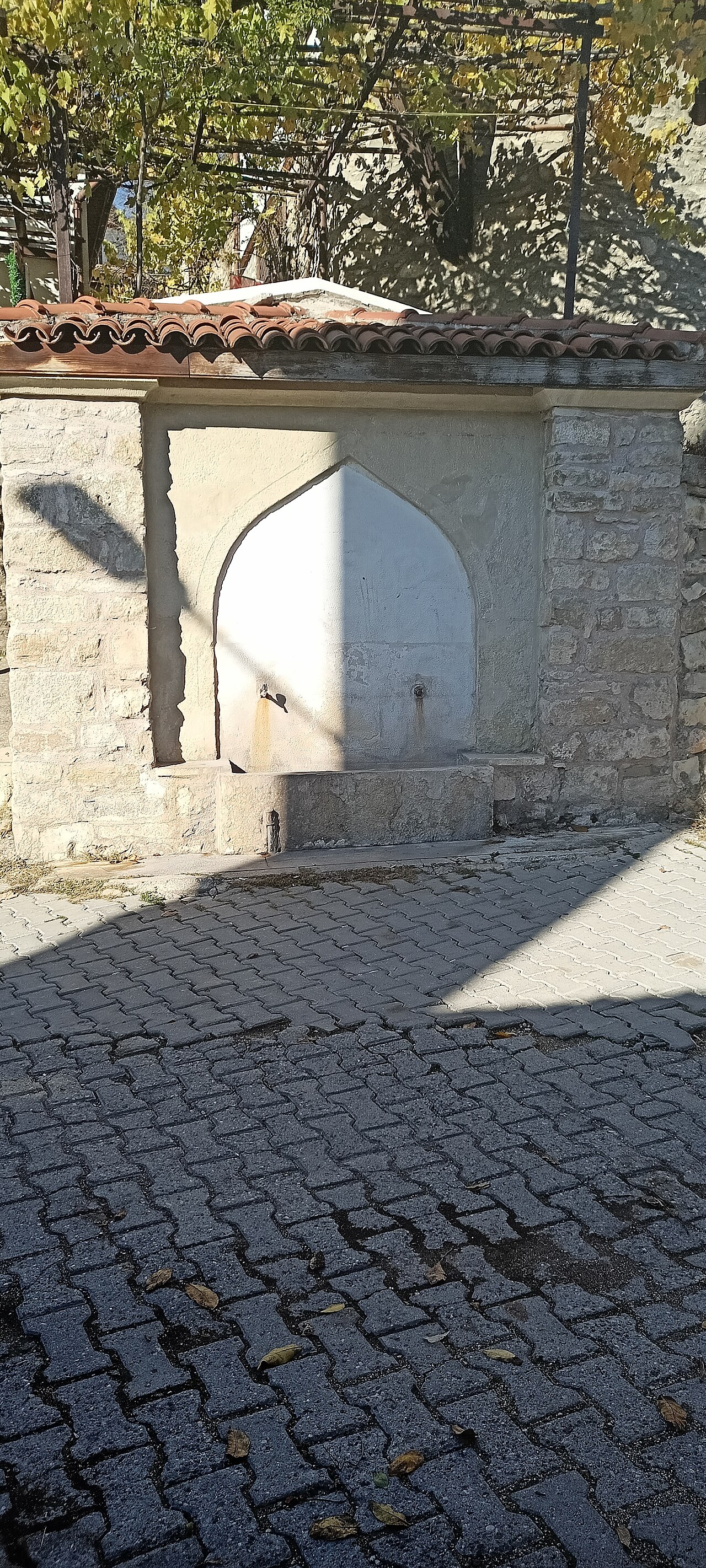
3 min walk · Kula
Eski Camii
- Notable
- Place of worship
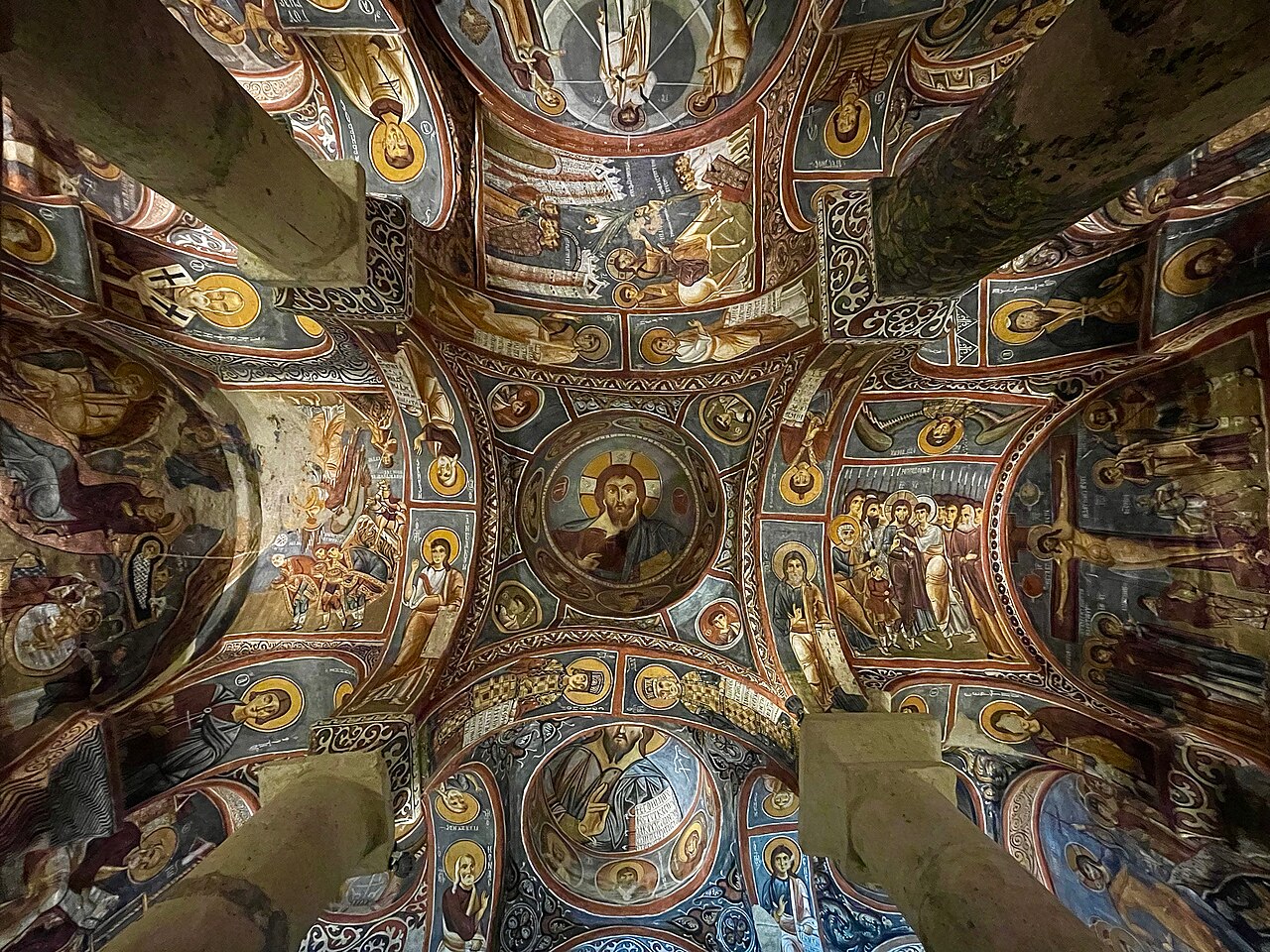
Historic monument · Kula, Manisa
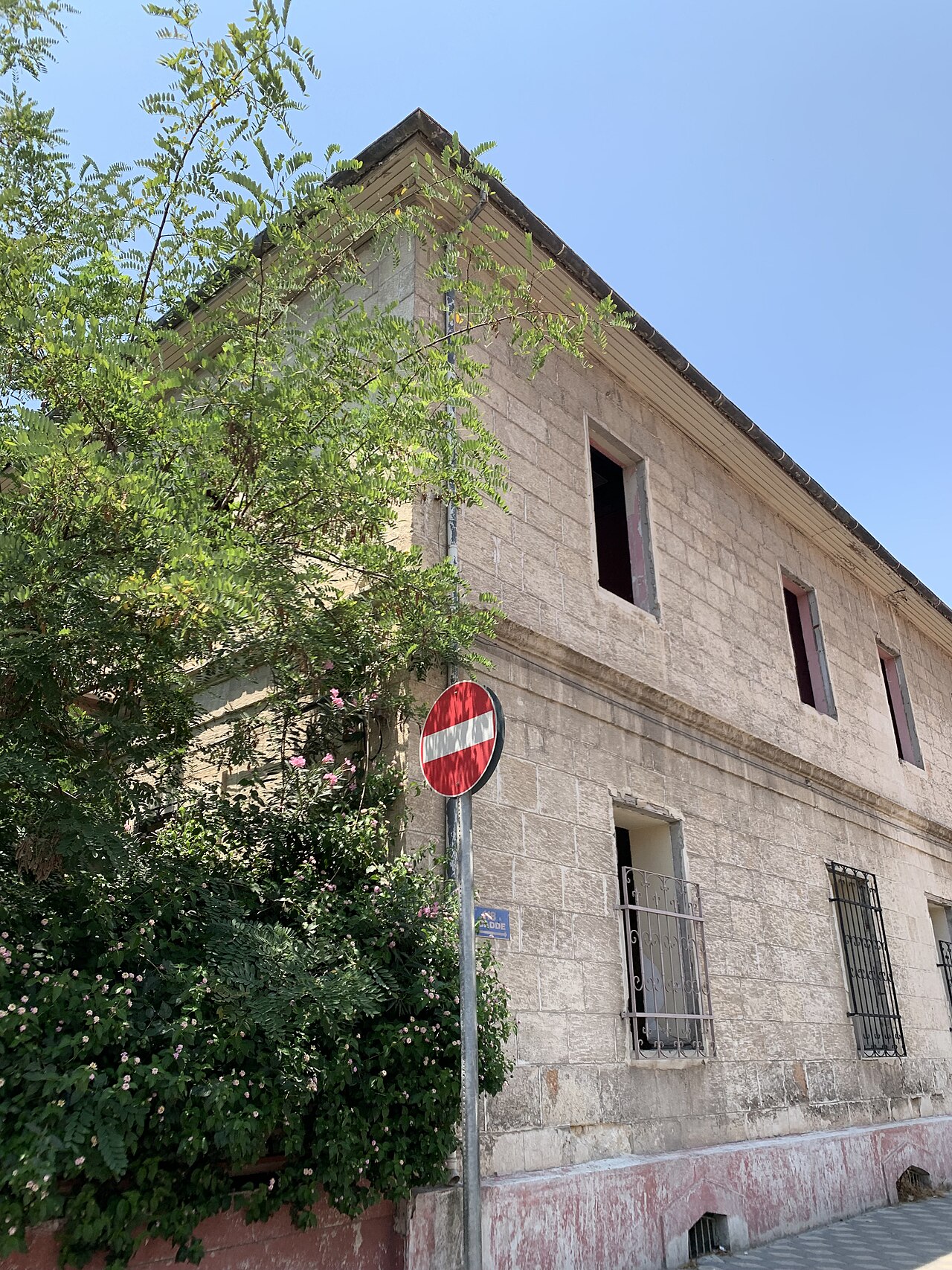
Meryem Ana Kilisesi is a former Greek Orthodox church in Zaferiye Mahallesi, central Kula, on Mustafa Sapcı Sokak. Its history is tied to Kula’s Rum community, including the Turkish-speaking Karamanlı population. After restoration, the building was adapted as Meryem Ana Kültür Evi, a multi-purpose cultural venue. The site is therefore both a religious heritage building and evidence of Kula’s layered community history. Its compact form, restored cultural identity and position within an older neighbourhood distinguish it from a conventional museum or a currently functioning parish church. Visitors interested in Kula’s built heritage can read the building together with the surrounding historic streets.
Checked 2026-09-02 · Source
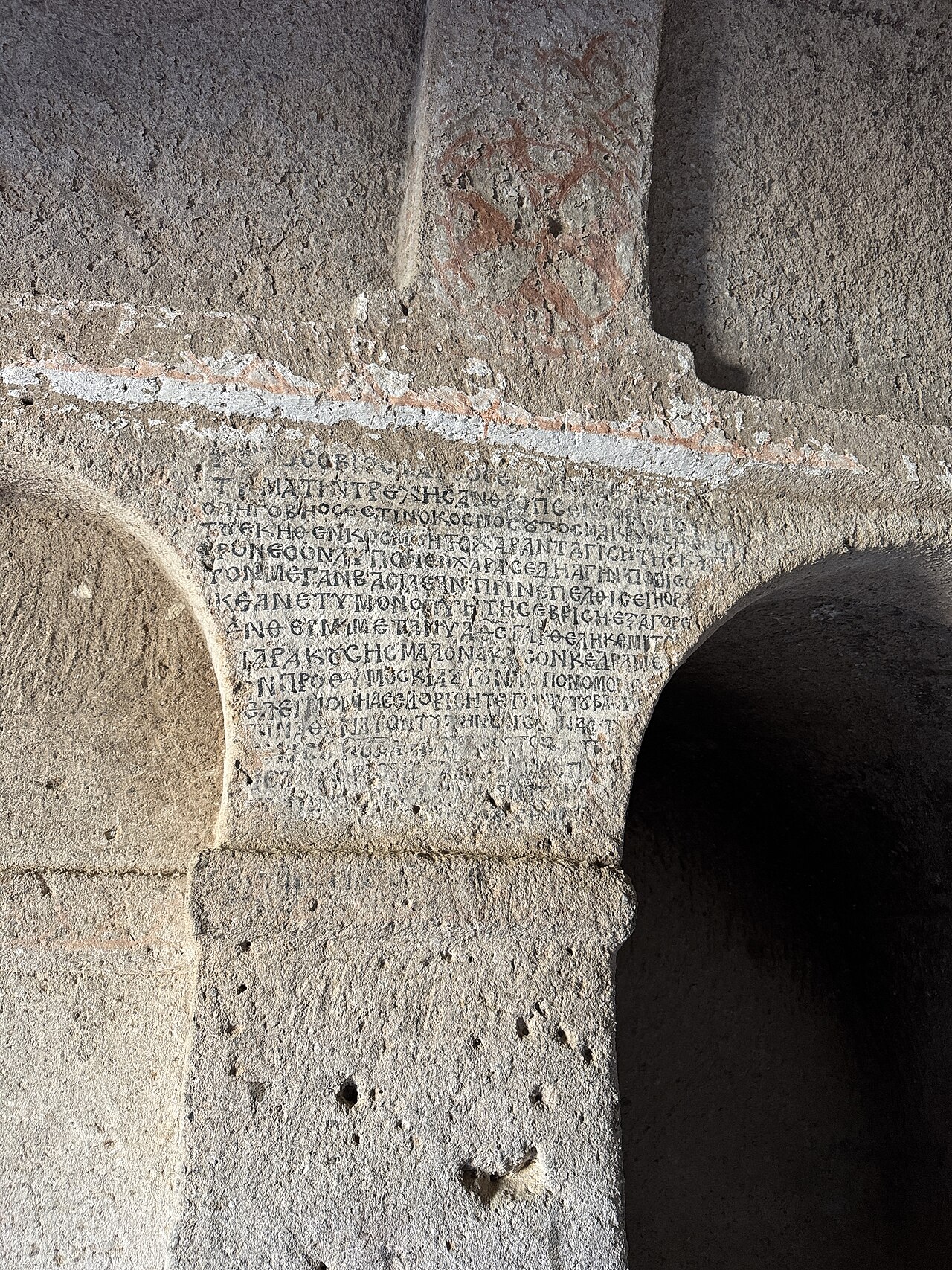
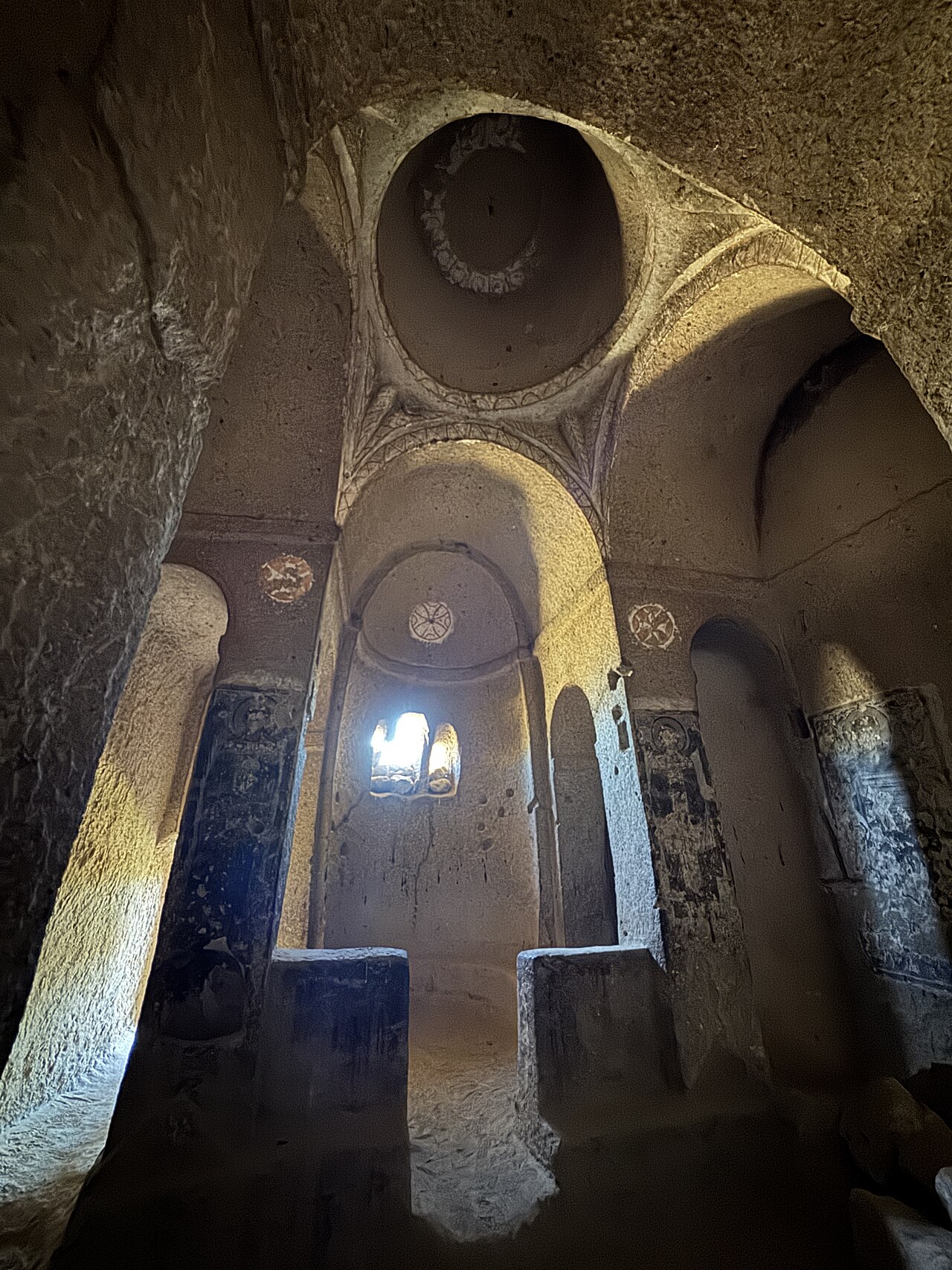
The church has a rectangular east–west plan and a single apse at the eastern end. Its interior preserves the spatial vocabulary of an Orthodox place of worship: a raised bema is separated from the naos by an iconostasis. A Greek inscription records 25 March 1837. Architectural research places construction activity at the beginning of the 1830s, beginning in 1831, and identifies a major repair in 1837. The plan, sanctuary elevation and liturgical division are the principal subjects to observe. This is an architectural and historical interior rather than a large museum collection with a long sequence of display rooms.
Checked 2026-09-02 · Source
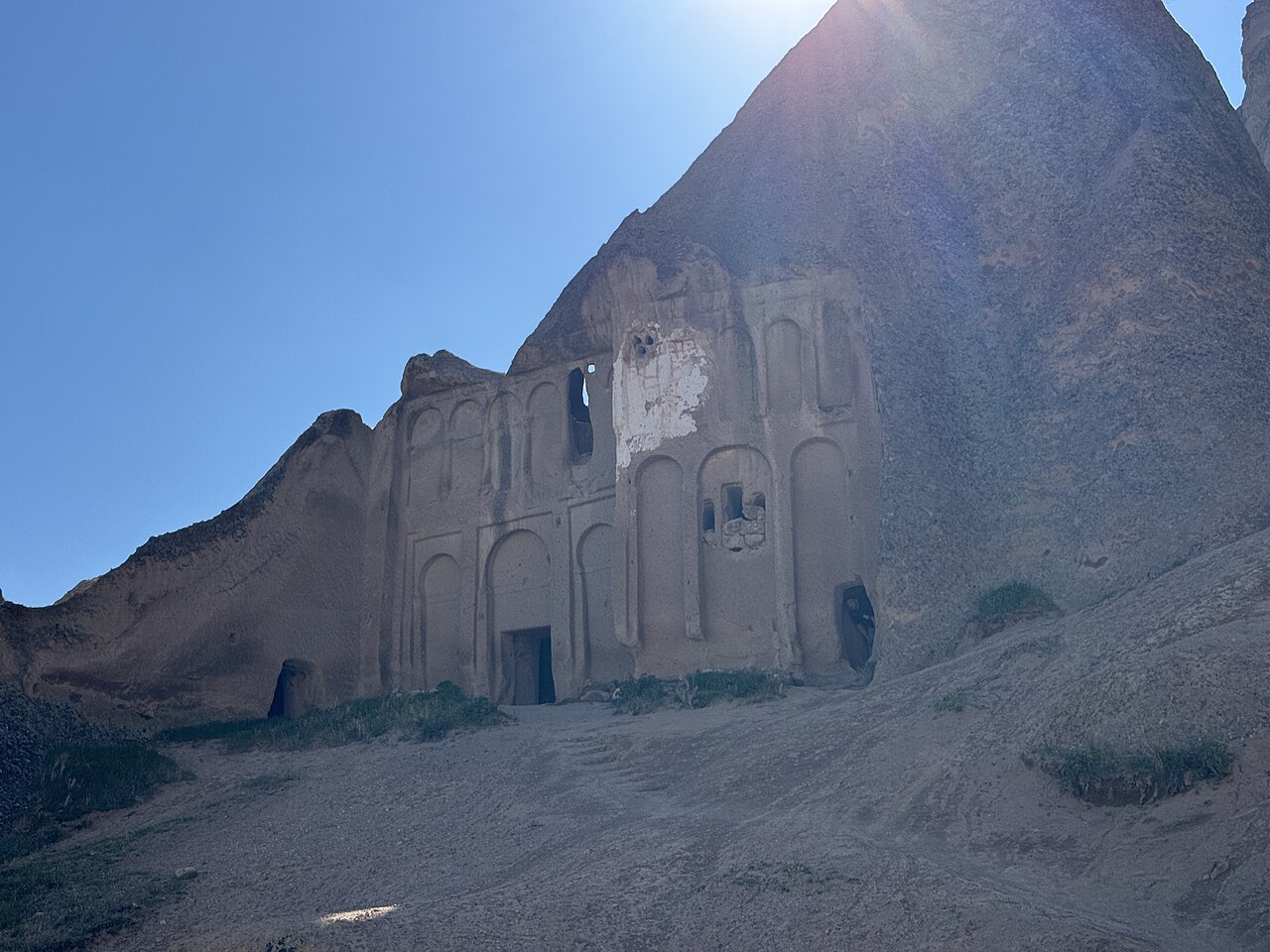
Allow around 30 to 45 minutes for the church and its immediate setting. The interior is compact, so a careful visit can focus on the east–west plan, single apse, iconostasis and raised bema rather than a lengthy exhibition route. Add time for a walk through Zaferiye Mahallesi and the nearby historic streets that place the building within Kula’s older urban fabric. The church works well as one stop in a broader walking circuit, especially for visitors comparing religious, residential and civic buildings in the town centre. A slower neighbourhood walk adds more context than rushing directly onward.
Checked 2026-09-02 · Source
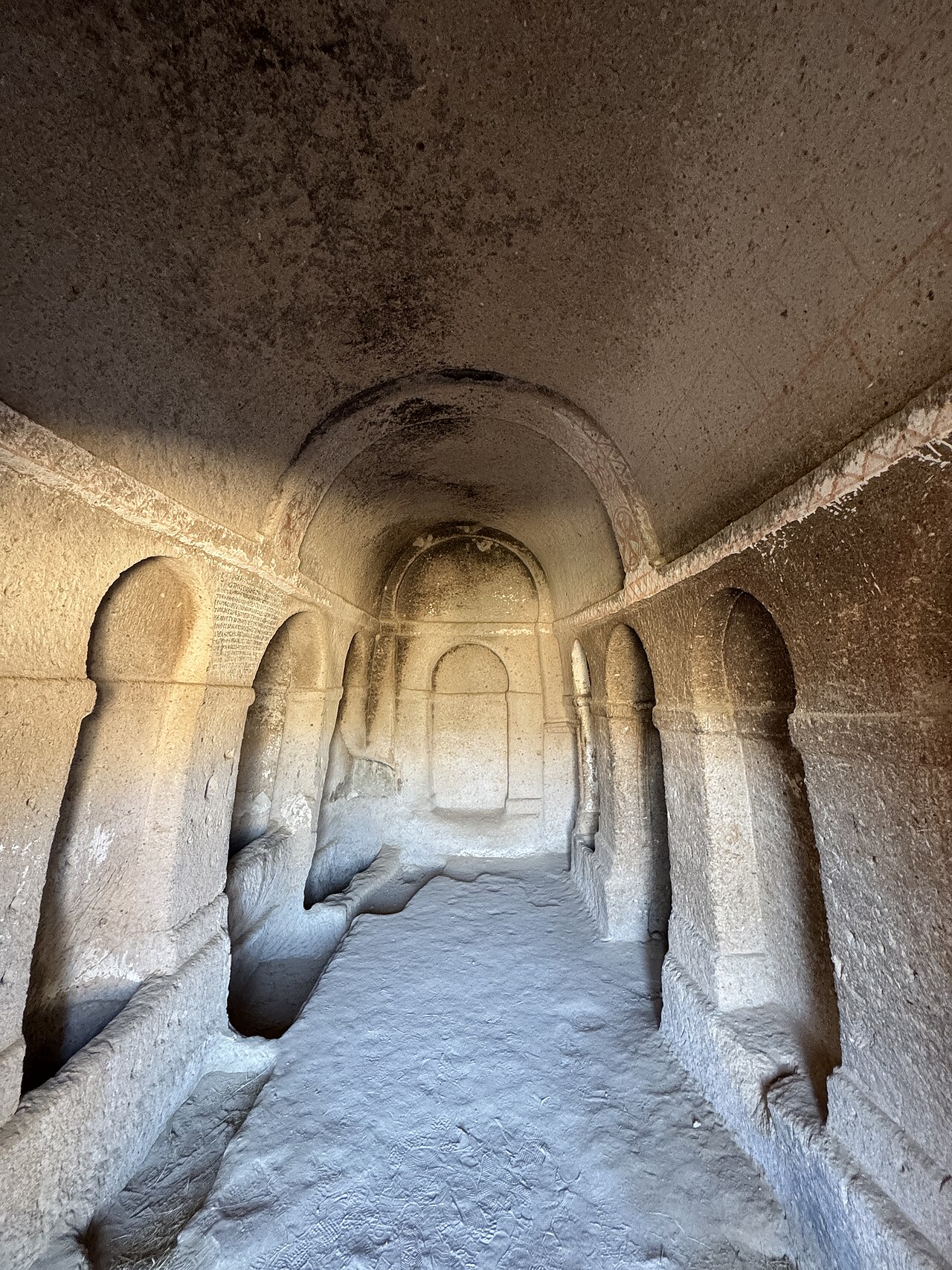
It does not establish a daily museum schedule or a routine walk-in timetable for the building. Plan the visit around information confirmed by the responsible local authority, rather than an assumed weekday, weekend or seasonal schedule. This is particularly important when travelling to Kula as a day trip, because reaching the town centre does not itself establish that the interior will be available. Once the visit is arranged, leave enough daylight to explore Zaferiye Mahallesi and observe the church’s exterior relationship with the historic street network.
Checked 2026-09-02 · Source
No supported ticket amount should therefore be included in a visit budget. Meryem Ana Kilisesi is described as a restored cultural venue, but the available material does not provide a verified tariff, ticket office procedure or standard admission product. Treat the building’s access arrangements as information to establish before travel, and follow any conditions communicated by the responsible authority or venue staff. The absence of a recorded price is not evidence that entry is free.
Checked 2026-09-02 · Source
Meryem Ana Kilisesi is on Mustafa Sapcı Sokak in Zaferiye Mahallesi, central Kula. By road, approach Kula via the D300 Manisa–Kula route, continue towards the town centre, and use local streets for the final approach. The last part is on foot through the historic neighbourhood, so allow walking time after reaching Zaferiye Mahallesi rather than expecting a large-vehicle approach directly to the building. Kula Otogarı is the named intercity-bus arrival point for the town. Use the mapped OpenStreetMap way to orient yourself before beginning the final walk and keep the exact street name available for navigation.
Checked 2026-09-02 · Source
The architectural study documents level changes inside the historic building: the raised bema is reached by two steps, so the interior should not be treated as fully step-free. Visitors should pay attention to the transition between the naos and the elevated bema and follow the responsible person’s instructions about permitted movement. Stable footwear is useful on the surrounding historic streets. The building’s religious history also calls for respectful behaviour around its fabric and spatial divisions. Avoid touching surfaces, blocking circulation or treating the interior as an unattended public exhibition.
Checked 2026-09-02 · Source
Use photography to record the church’s architectural organisation: the rectangular east–west layout, single apse, iconostasis and raised bema explain the former worship space more clearly than a quick wide image. Historic details and the change in floor level can make useful subjects, provided the building fabric is not touched. Ask the responsible person before photographing indoors, using flash or recording cultural activity. Exterior images can place the church within Zaferiye Mahallesi’s older streetscape and show how the building sits among historic local streets. Photograph local people only with permission, and let any activity inside determine where visitors may stand or work.
Checked 2026-09-02 · Source
Meryem Ana Kilisesi is in Zaferiye Mahallesi, central Kula, Manisa, on Mustafa Sapcı Sokak. The final approach is on foot through the historic neighbourhood.
Its Greek inscription records 25 March 1837. Architectural research places construction activity at the beginning of the 1830s, beginning in 1831, with a major repair in 1837.
It was a place of worship for Kula’s Rum community, including the Turkish-speaking Karamanlı population.
After restoration, the building was adapted as a multi-purpose cultural venue known as Meryem Ana Kültür Evi. It is not a continuously open museum.
It has a rectangular east–west plan, a single apse and a raised bema separated from the naos by an iconostasis.
The raised bema is reached by two steps, so the historic interior should not be treated as fully step-free.
Loading the interactive map…
The interactive map could not be loaded.
Last updated:
Source: OpenStreetMap contributors, Wikidata ·