7 min walk
Tomb of Amyntas
- Must see
- Historic monument
Language · 11 published
Museum · Muğla
Fethiye Müzesi
Reviewed by Elena Voss · Roavina Travel Editor
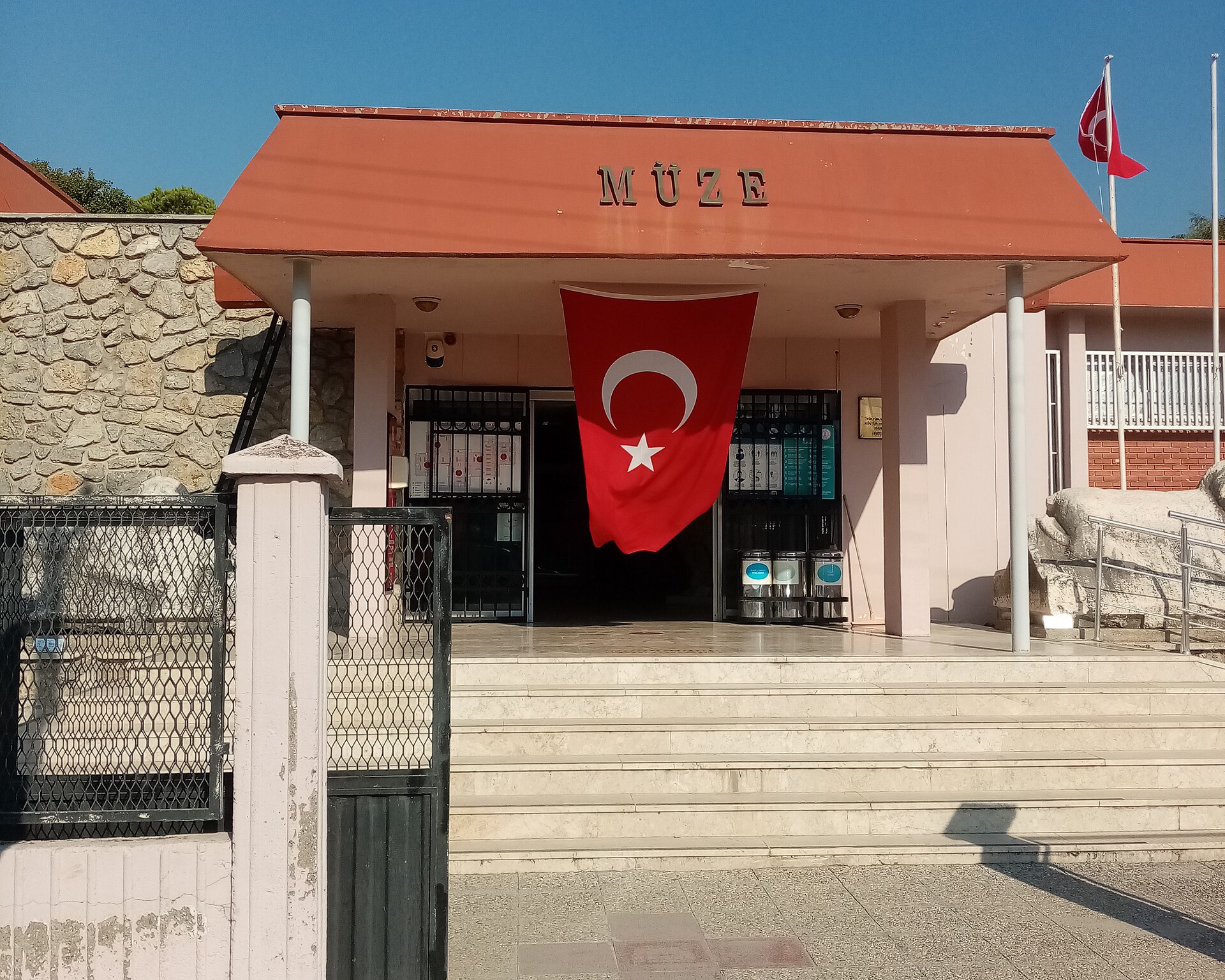
This place is a Museum.
Fethiye Museum is a town-centre museum in Kesikkapı presenting archaeology and ethnography from Fethiye and its surrounding area. Its collection connects local life with the ancient landscapes of Lycia. The archaeology hall includes a trilingual stele bearing Lycian, Aramaic and Greek inscriptions, a combination linked to the decipherment of Lycian. The museum is currently closed while works required after an earthquake-risk assessment are completed. For present-day planning, treat it as a future cultural stop rather than an open indoor attraction. Fethiye Museum is a local museum in Kesikkapı presenting archaeology and ethnography connected with Fethiye and its surrounding area. Its distinctive value is the direct link between a town-centre collection and the ancient landscapes of Lycia. The archaeology hall includes a trilingual stele written in Lycian, Aramaic and Greek, an inscription associated with the decipherment of Lycian. The museum is currently closed to visitors while works required after an earthquake-risk assessment are completed. The Fethiye Museum Directorate says it is closed to visitors until works required after an earthquake-risk assessment are completed.
Checked 2026-09-02 · Source
The museum’s planned experience brings together archaeology and ethnography halls. Archaeological material relates to Fethiye and the surrounding area, while ethnographic displays present local life and traditions from a more recent period. The trilingual stele is the most specifically identified object: its Lycian, Aramaic and Greek texts give it unusual linguistic importance. An outdoor exhibition area is also part of the recorded layout. When the museum reopens, visitors can move from regional archaeology to local culture within one institution, creating a compact introduction to Fethiye’s wider historical setting.
Checked 2026-09-02 · Source
Allow about 45 to 75 minutes for a future visit through the archaeology and ethnography halls and the outdoor exhibition area. The shorter plan suits a concise overview, while the longer visit leaves time to read labels, compare archaeological and ethnographic material, and study the trilingual stele. This is a future planning estimate because the museum is closed to visitors on the checked date. Once access resumes, the available galleries and the depth of your interest will determine the actual length of the stop.
Checked 2026-09-02 · Source
Fethiye Museum is currently closed to visitors. The responsible directorate states that access will remain closed until works required after an earthquake-risk assessment are completed. The official listing gives normal hours of 08:30 to 18:00, with the ticket desk closing at 17:30, but those timetable details do not create access during the closure. Until the directorate confirms reopening, plan Fethiye days around other places and regard the museum as a future addition rather than a dependable stop for the present trip.
Checked 2026-09-02 · Source
The official museum listing gives free admission. At present, however, the museum is closed while the required works remain incomplete, so the free price does not provide entry today. If visitor operations resume, free admission will be the relevant cost for the museum visit. The same listing gives normal opening at 08:30, closing at 18:00 and ticket-desk closure at 17:30; these are normal-operation details and remain secondary to the active closure. Include the museum in a future town-centre plan when access returns.
Checked 2026-09-02 · Source
Fethiye Museum is at Kesikkapı Mahallesi, 505 Sokak No:4, Fethiye, Muğla 48300, in the town centre. Fethiye Mahalle Garajı is nearby, with buses and minibuses serving routes including Fethiye–Karaçulha, Fethiye–Kayaköy and Fethiye–Ölüdeniz. The intercity bus terminal is also in Kesikkapı, making the address convenient to combine with arrival or onward travel through town after reopening. At present, the closure means a special journey should not be planned around museum admission.
Checked 2026-09-02 · Source
The essential point is the active closure. The directorate links it to works required after an earthquake-risk assessment, so the normal timetable does not mean that the galleries are accessible. The listed ticket-desk closing time of 17:30 and building closing time of 18:00 describe ordinary operations only. Place the museum low in a current Fethiye schedule until reopening is confirmed, and do not travel to Kesikkapı expecting an indoor visit during the closure period.
Checked 2026-09-02 · Source
The trilingual stele is the clearest photographic subject identified for the museum, combining Lycian, Aramaic and Greek writing in one object. The archaeology and ethnography halls, along with the outdoor exhibition area, will offer different visual settings if those spaces reopen. At present the museum is closed, so photography inside is not part of a current visit. When access resumes, follow the institution’s rules and frame the displays to show the connection between Fethiye’s regional archaeology, local culture and the wider Lycian world.
Checked 2026-09-02 · Source
The museum directorate says it is closed until works required after an earthquake-risk assessment are completed.
The official museum listing gives free admission, although the museum is currently closed to visitors.
It is at Kesikkapı Mahallesi, 505 Sokak No:4, Fethiye, Muğla 48300, in the town centre.
The official listing gives normal hours of 08:30–18:00, with the ticket desk closing at 17:30; the current closure means these hours are not currently visitable.
The museum has archaeology and ethnography halls with material from Fethiye and the surrounding area, plus a recorded outdoor exhibition area.
The archaeology hall contains a stele with Lycian, Aramaic and Greek inscriptions, whose combination contributed to the decipherment of Lycian.
Loading the interactive map…
The interactive map could not be loaded.
Last updated:
Source: OpenStreetMap contributors, Wikidata ·