361 min walk
Stratonicea
- Must see · Heritage site
- Historic site
Museum · Muğla
Muğla Müzesi
Closed today, Wednesday. The next opening is not recorded — the planner will not place a stop here on a Wednesday.
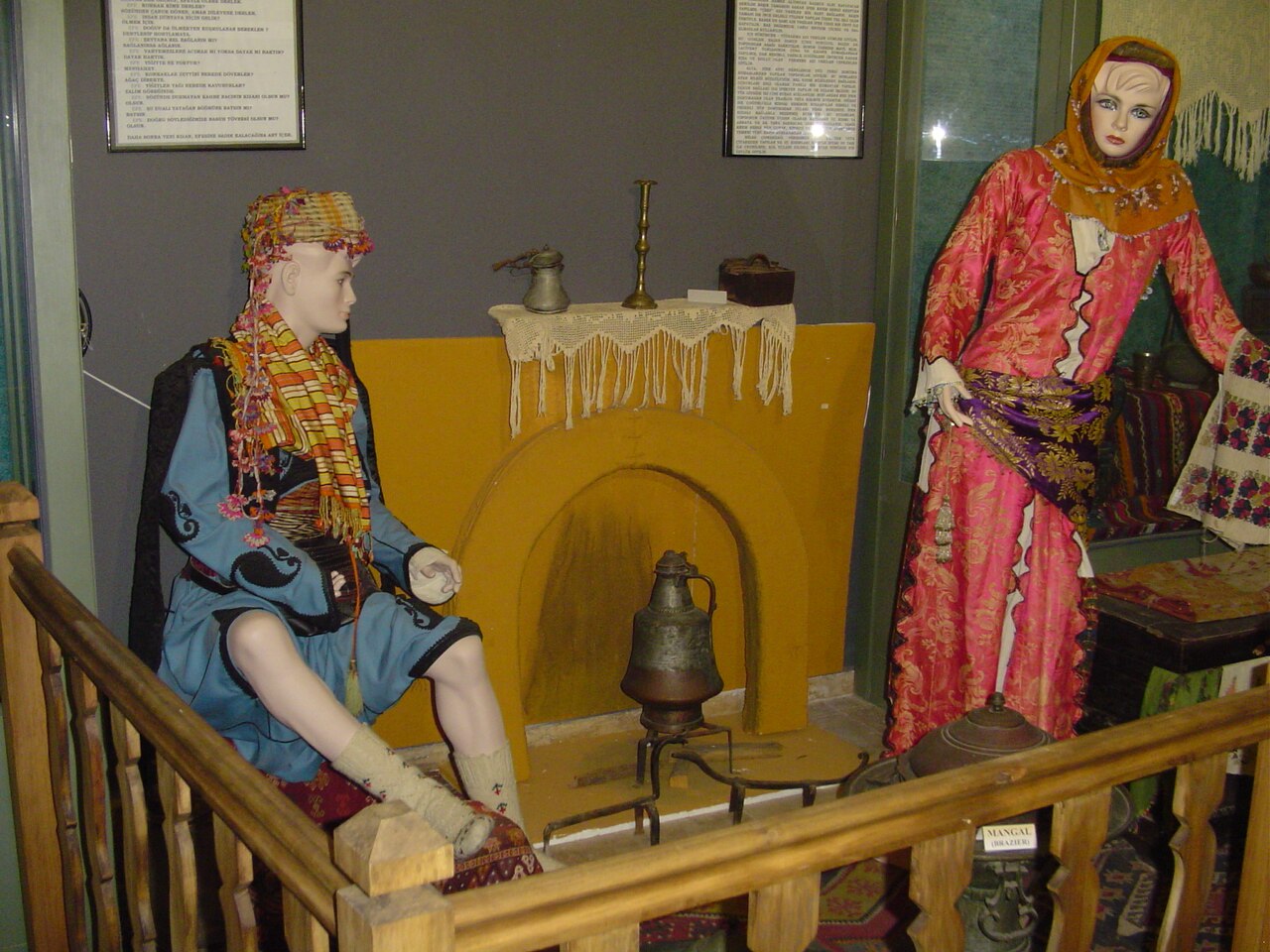
Plan around itMuğla Museum occupies a former prison building on Müştak Bey Cad., behind the courthouse in Menteşe. Its displays bring together two sharply different records of the region: fossils from animals and plants that lived approximately 5–9 million years ago, and an ethnography collection of Muğla clothing and everyday objects. The setting gives the visit a particular character, because an institutional building now frames both deep natural history and recent local life. This is a compact museum with a distinctly Muğla-focused story, linking prehistoric evidence to the everyday culture of the city and surrounding area.
Checked 2026-09-02 · Source
The fossil displays look back roughly five to nine million years, presenting evidence of animal and plant life from a much older landscape. The ethnography section changes the scale from prehistoric environments to human experience, showing clothing and ordinary objects associated with Muğla. Consider the two parts as complementary rather than interchangeable: fossils suggest vanished life and environmental change, while garments and household objects reveal how people expressed identity and handled daily routines. The contrast is the museum’s main interpretive strength, especially for visitors interested in how a region can be read through both geology and lived culture. The collection is modest in scope but specific to Muğla’s natural and social history.
Checked 2026-09-02 · Source
When the museum reopens, allow approximately 45–60 minutes for a focused visit. That is enough time to see the fossil displays, explore the ethnography section, read the principal labels and examine the Muğla clothing and everyday objects without turning the building into a rushed photo stop. Visitors with a strong interest in palaeontology, regional history or material culture may want longer, particularly if they compare the two collections carefully. In a central Menteşe itinerary, the museum is best treated as a compact stop paired with other nearby sights, not as an all-day attraction. Its two contrasting themes make a short, attentive visit more rewarding than a hurried pass through either section.
Checked 2026-09-02 · Source
The operator’s published schedule is 08:30–17:30, with the ticket office closing at 17:00 and Monday listed as the weekly closure day. Those hours describe normal operation, but they are not currently usable for a museum visit: the responsible authority reports a temporary closure while preventive seismic-safety works are completed. Plan around the closure and do not treat the former timetable as confirmation that the doors are open. If an official reopening is announced, arriving in the morning should provide the most comfortable margin for viewing the collections before ticket sales end. The present closure is the key timing fact for any Muğla itinerary.
Checked 2026-09-02 · Source
Admission is free according to the official DÖSİMM tariff, which lists Muğla Museum as free for both Turkish citizens and foreign visitors. There is therefore no entrance charge to include in a future visit budget when the museum is operating. The zero price must be kept separate from present access: the museum is temporarily closed for preventive seismic-safety works, so visitors cannot currently enter. The tariff establishes the admission price; it does not override the operator’s closure notice. Free admission is consequently a future operating condition, not a promise of entry during the safety works. The admission information comes from the responsible public tariff.
Checked 2026-09-02 · Source
Muğla Museum is on Müştak Bey Cad., in the former prison building behind the courthouse, in Menteşe, Muğla. Muğla Metropolitan Municipality’s Muğla Kentkart transport service provides route and stop information for named MUTTAŞ and ÖTTA services and includes a “Nasıl giderim” route-planning function. Enter the museum address as the destination from your starting point, then check the suggested stop and final walking approach. Using the specific street address is more useful than entering only Muğla city centre. The municipal service is the relevant reference for selecting a current public-transport route. Because routes and stops can change, use the municipality’s route planner for the journey you intend to make after reopening.
Checked 2026-09-02 · Source
The decisive practical issue is the temporary closure for preventive seismic-safety works. The published schedule should be understood as the normal timetable awaiting the museum’s return to service, not as evidence that the doors are open today. After reopening, remember that ticket sales end at 17:00 even though visiting hours continue until 17:30, and Monday is the weekly closure day. Visitors who need access information should rely on the responsible authority’s current guidance before travelling. The former prison setting also means visitors should follow any on-site instructions about circulation and photography.
Checked 2026-09-02 · Source
Muğla Museum’s setting is distinctive: fossils representing life millions of years old are displayed inside a former prison building behind the courthouse, alongside clothing and everyday objects from Muğla. If photography is permitted when the museum reopens, look for contrasts between fossil forms, the building’s institutional character and the ethnography displays. Follow the operator’s instructions on site rather than assuming every room or object can be photographed. Flash or particular displays may be restricted, and the current temporary closure means interior photography is not presently possible. Exterior photographs should respect the courthouse surroundings and normal access routes.
Checked 2026-09-02 · Source
No. Muğla Museum is temporarily closed while preventive seismic-safety works are completed.
Yes. The official tariff lists Muğla Museum as free for both Turkish citizens and foreign visitors.
The published hours are 08:30–17:30, with ticket sales ending at 17:00; Monday is the weekly closure day. These hours are not currently operative because the museum is temporarily closed for preventive seismic-safety works.
It is on Müştak Bey Cad. in the former prison building behind the courthouse, in Menteşe, Muğla.
The museum presents fossils from animals and plants that lived about 5–9 million years ago, alongside an ethnography section with clothing and everyday objects from Muğla.
Muğla Metropolitan Municipality’s Muğla Kentkart service covers MUTTAŞ and ÖTTA routes and offers the “Nasıl giderim” route-planning function; enter the museum’s Müştak Bey Cad. address as the destination.
Loading the interactive map…
The interactive map could not be loaded.
Last updated:
Source: OpenStreetMap contributors, Wikidata ·