
65 min walk
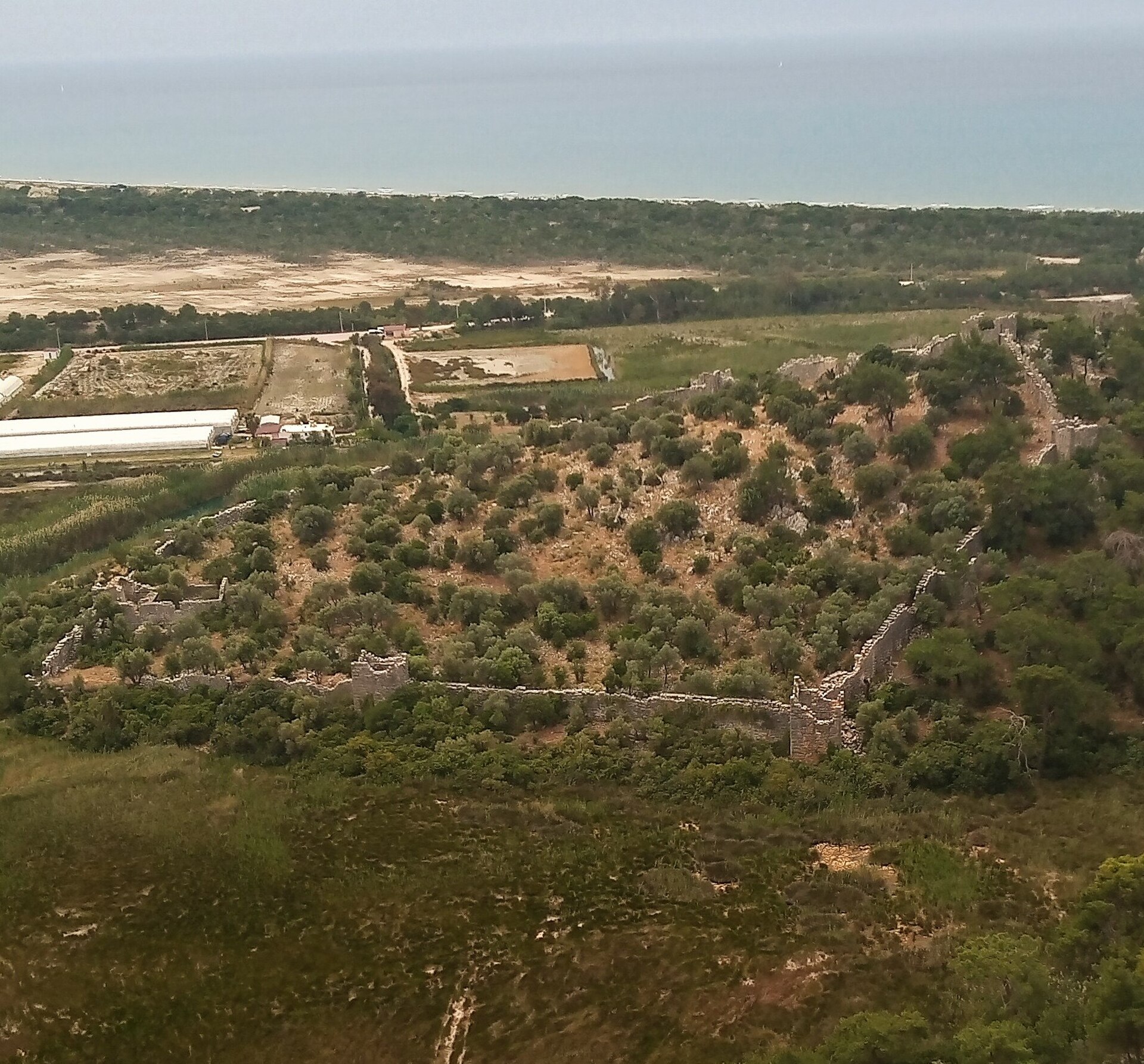
Pydnae
- High
- Historic monument
Language · 11 published
Historic monument · Muğla
Reviewed by Elena Voss · Roavina Travel Editor
| Monday | 08:30 – 19:30 |
|---|---|
| Tuesday | 08:30 – 19:30 |
| Wednesday | 08:30 – 19:30 |
| Thursday | 08:30 – 19:30 |
| Friday | 08:30 – 19:30 |
| Saturday | 08:30 – 19:30 |
| Sunday | 08:30 – 19:30 |
Checked 2026-09-02 · Source
Read from the OpenStreetMap access tags; anything not listed has no tag recorded.
Set the group type to family in the planner and the day window contracts to about three quarters of a solo day.
This place is a Archaeological site. It was built in the ancient Greek architecture style. It carries the part of UNESCO World Heritage Site heritage designation.
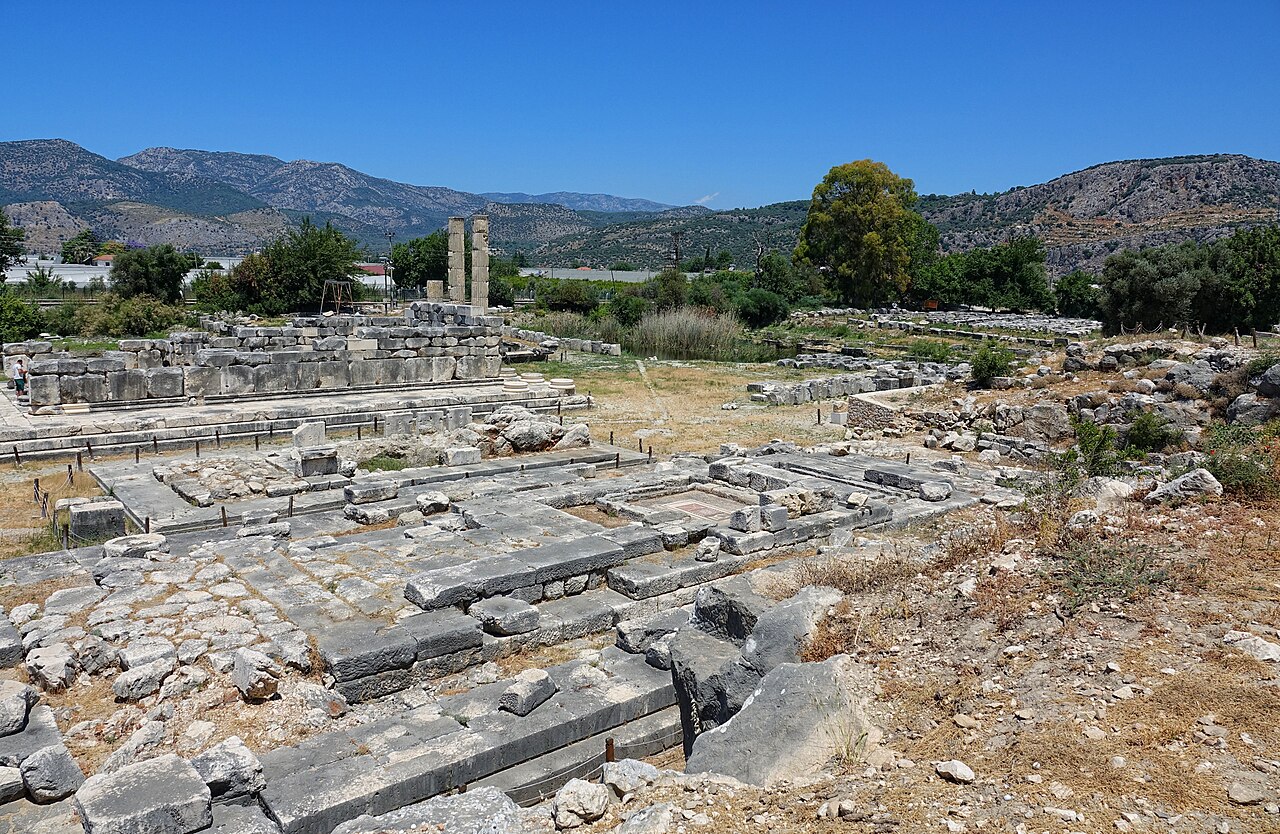
Letoon is a Lycian sacred centre near Kumluova in Seydikemer, Muğla. It served as the federal sanctuary of the Lycian League and as the cult centre of Xanthos, the nearby Lycian capital. Three temples dedicated to Leto, Artemis and Apollo stand together within the sanctuary. Letoon forms part of the Xanthos-Letoon cultural landscape, inscribed on the UNESCO World Heritage List in 1988. This is an archaeological site rather than a reconstructed museum, so the visit focuses on surviving foundations, carved stone, water features and the theatre in their original setting. The compact landscape brings religious and civic functions together in one open-air visit. Letoon was the federal sacred sanctuary of the Lycian League and the cult centre of Xanthos. Three temples stand side by side, dedicated to Leto, Artemis and Apollo.
Checked 2026-09-02 · Source
The central monument group is the row of three temples dedicated to Leto, Artemis and Apollo. A fourth-century BC trilingual inscription contains Lycian, Greek and Aramaic texts. North of the sanctuary stands a large, well-preserved Hellenistic theatre, while the southern area preserves a Roman-period nymphaion associated with the sacred spring. Architectural fragments and visible ground plans help explain how the buildings were arranged. Together, the temples, inscription, theatre and water structure reveal Lycian, Hellenistic and Roman layers. The open setting also connects the sanctuary with the wider Xanthos valley landscape and its ancient routes.
Checked 2026-09-02 · Source
Allow about 60 to 90 minutes for a focused visit covering the three temples, the trilingual inscription, the theatre and the nymphaion remains. Add time for photography or a slower look at the valley setting. A practical route begins with the temple group, continues north to the theatre, then finishes at the southern water feature before returning. Letoon is compact, but many remains are low, partial or spread across uneven ground, so the walking pace can be deliberate. In hot weather, exposed archaeological terrain can make the visit feel longer than the distance suggests.
Checked 2026-09-02 · Source
The operator publishes daily summer hours of 08:30–19:30 from 1 April to 1 October, with the ticket office closing at 19:30. Its weekly programme does not specify a regular closing day. Morning is the most comfortable time for walking across exposed ground and gives softer light to the temple remains. Late afternoon can provide warmer stone and attractive shadows, but leave enough time to reach the ticket office before closing. Shade is limited, so bring water, a hat and sun protection.
Checked 2026-09-02 · Source
General admission is €3.00 for international visitors and 200 TL for Turkish citizens. Turkish citizens aged 0–18 and over 65 enter free, while non-Turkish children aged 0–8 also enter free. These are person-based admissions. Because the ticket office closes at 19:30 during the published summer season, arriving at the end of the day risks missing entry. Group visitors should prepare the relevant nationality and age details and carry a payment method suitable for the published currency.
Checked 2026-09-02 · Source
Letoon is in Kumluova, Seydikemer, Muğla, reached from the old Fethiye–Kaş road. The official route description places the southbound turn at approximately kilometre 65, followed by about 3 km on the access road. A private car or planned taxi is the straightforward choice for most visitors, especially when combining Letoon with other Lycian remains in the valley. The official record lists parking.
Checked 2026-09-02 · Source
The ground is partly grassy and includes irregular marble, so step-free movement is limited even though parking and toilets are listed. Firm footwear with grip is useful, particularly after rain or where grass conceals changes in level. Wheelchair users and visitors with pushchairs may need to adapt their route and may not reach every monument comfortably. The open site can be hot and bright, with limited shade; bring water, sun protection and a hat. Keep the 19:30 ticket-office closing time in mind. Stay on sensible paths and avoid touching fragile surviving stonework.
Checked 2026-09-02 · Source
Photograph Letoon as a connected monument landscape rather than a single ruin. Begin with the three temples together so the unusual grouping of Leto, Artemis and Apollo remains clear. Move closer for masonry and carved details, then use the Hellenistic theatre to the north for a wider composition. The southern nymphaion remains provide a contrasting water-related subject. Early light separates low ruins from grass, while late afternoon warms the stone, but both require enough time before the ticket office closes at 19:30. Include the valley backdrop where possible: it shows Letoon as a sanctuary embedded in Lycian territory.
Checked 2026-09-02 · Source
Letoon was the federal sacred sanctuary of the Lycian League and the cult centre of Xanthos.
Three temples stand side by side, dedicated to Leto, Artemis and Apollo.
The fourth-century BC inscription contains Lycian, Greek and Aramaic texts.
Yes. Xanthos-Letoon was inscribed on the UNESCO World Heritage List in 1988.
Yes. A large, well-preserved Hellenistic theatre stands north of the sanctuary.
Yes. Remains of a Roman-period nymphaion associated with the sacred spring survive in the south of the site.
Loading the interactive map…
The interactive map could not be loaded.
Last updated:
Source: OpenStreetMap contributors, Wikidata ·