
114 min walk
Pydnae
- High
- Historic monument
Language · 11 published
Historic monument · Muğla
Reviewed by Elena Voss · Roavina Travel Editor
This place is a Archaeological site.
Sidyma is a dispersed ancient settlement in Dodurga Mahallesi, within Seydikemer district of Muğla Province. Its identity comes from the way civic buildings, tombs, defensive works and a hillside theatre remain connected across a living rural landscape. The visible architecture is mainly Roman, although inscriptions and coins point to an earlier history, and occupation continued into the Byzantine period. This is not a single monumental façade or enclosed museum: it is an archaeological landscape read by moving between village-centre remains and the two-part hill. Sidyma is especially rewarding for visitors who want to understand how an ancient community occupied terrain, commemorated its dead and organised public space.
Checked 2026-09-02 · Source
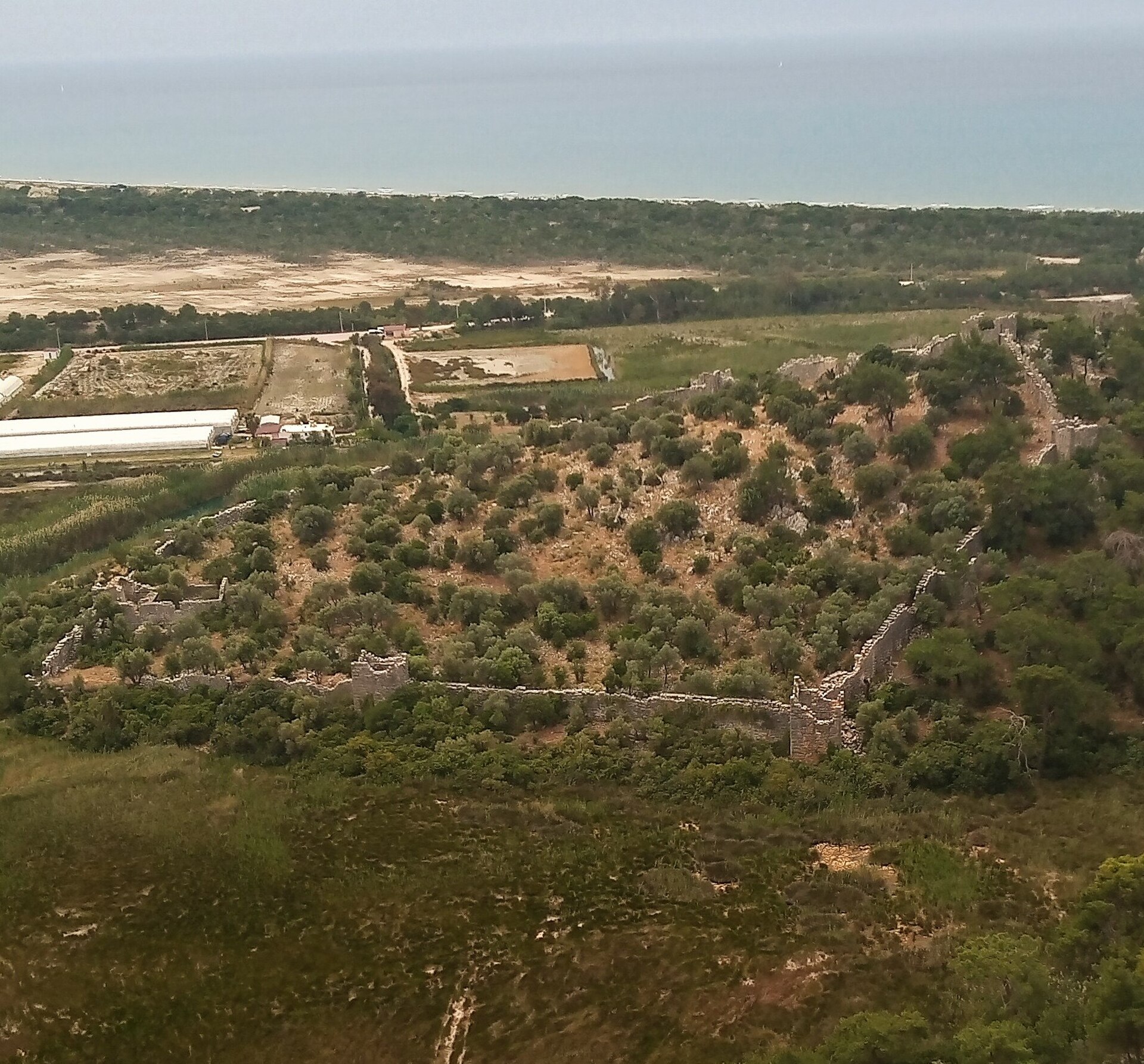
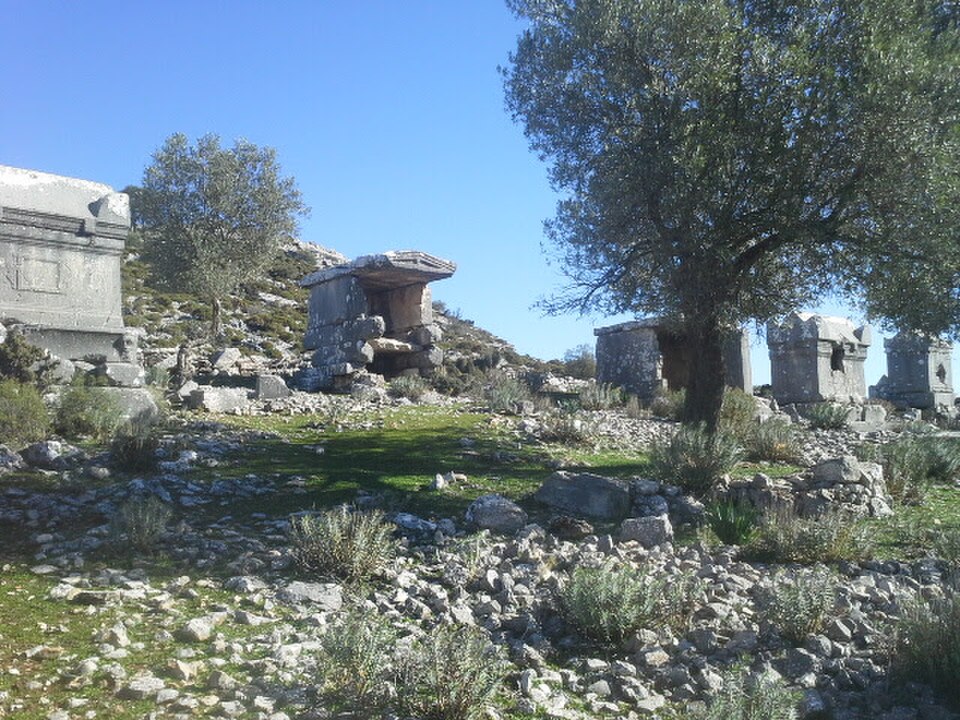
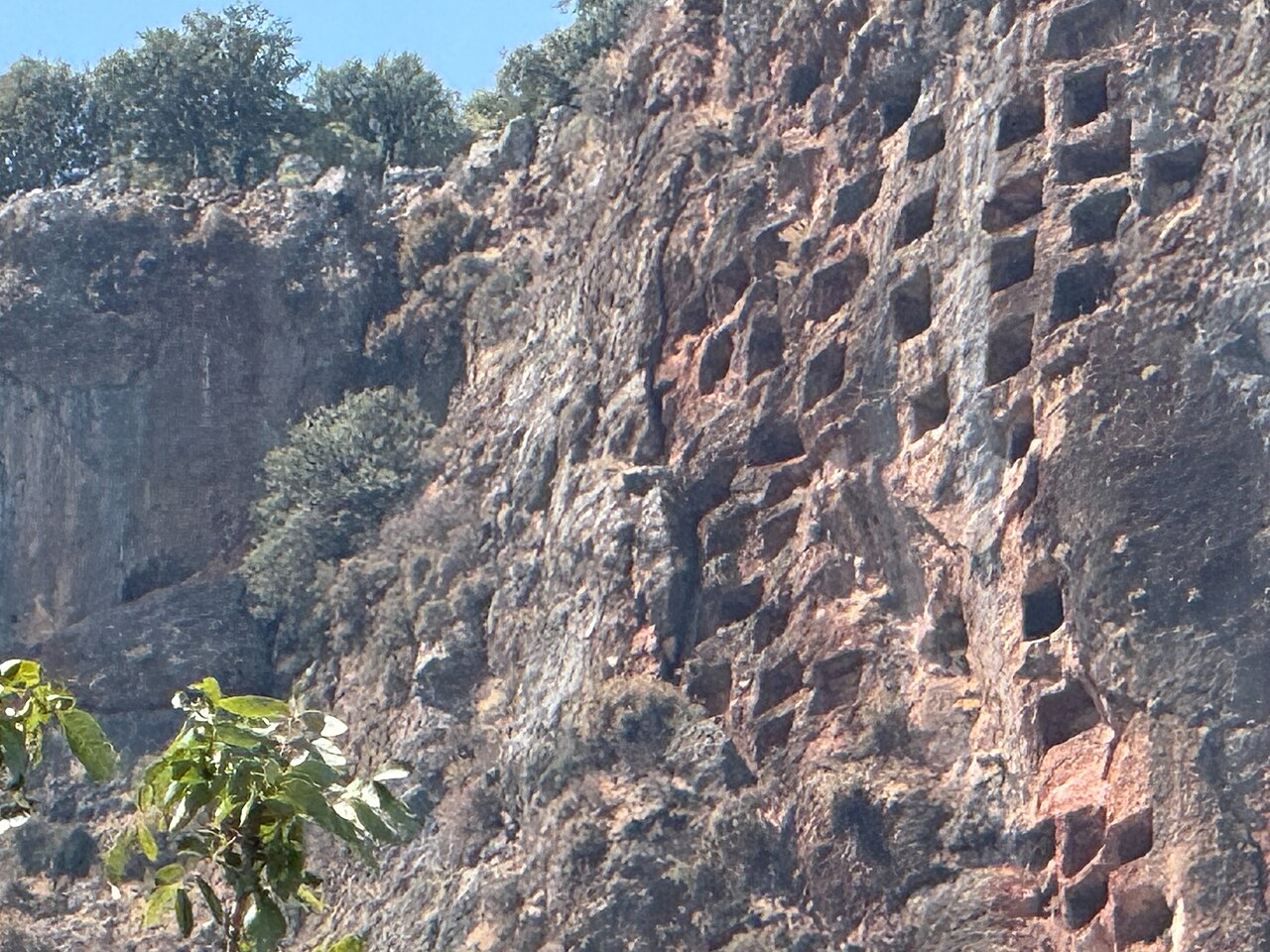
Start in the village centre, where a standing-column stoa is dated to the reign of Emperor Claudius, AD 41–54. The surrounding archaeological landscape includes monumental royal tombs, house-shaped and sarcophagus-shaped tombs, and rock-cut tombs shaped like dovecotes. Continue towards the two-part hill to find the acropolis, whose defensive wall extends for 365 metres and includes a polygonal eastern gate and a watchtower. A partly buried theatre retains six visible rows of seats. Together, these remains show Sidyma through public architecture, burial traditions, defence and hillside settlement, with each area adding a different dimension to the site.
Checked 2026-09-02 · Source
Allow at least two hours for a focused visit, and consider a half-day if you intend to explore the village-centre remains, funerary monuments and acropolis carefully. Sidyma has no museum circuit; its features are distributed across outdoor ground, so time is spent walking, orienting yourself and choosing safe viewpoints. A short visit can concentrate on the stoa and nearby tombs, while the hill needs additional time for the wall, gate, watchtower and partly buried theatre. The rural approach may also be slow, so avoid treating Sidyma as a quick roadside stop. Build in pauses to understand how the lower settlement relates to the elevated defensive area.
Checked 2026-09-02 · Source
Plan a daylight visit because the responsible public-body descriptions provide no staffed timetable, seasonal schedule or closure-day information for Sidyma. Dry conditions are useful for the generally unpaved approach and for walking between the village remains, tombs and acropolis. In hot weather, earlier or later daylight can make time on the exposed hill more comfortable; after rain, the road and hillside may require slower, more careful progress. Daylight also helps reveal partly buried features around the theatre and defensive works. Your timing therefore depends on light, weather, heat and road conditions rather than a published museum calendar.
Checked 2026-09-02 · Source
The responsible public-body description identifies Sidyma as archaeological remains in Dodurga and identifies no ticket office or admission charge. The official research therefore supports recording no listed admission charge for this open-access ruin landscape. This describes the published information, not a staffed visitor service: the same material does not identify a ticket counter, museum entrance, visitor centre or café at the site. Plan for an independent outdoor visit and bring the essentials you will need, especially water and suitable footwear. The absence of a published charge should not be confused with a promise of facilities or supervised access.
Checked 2026-09-02 · Source
From the Fethiye–Kaş highway, leave the road around its 50th kilometre towards Dodurga and continue approximately 12 kilometres on a generally unpaved road. The Muğla Provincial Directorate of Culture and Tourism places Sidyma in Dodurga Mahallesi, Seydikemer; another public-body description gives approximately 7 kilometres from Dodurga village. These figures use different starting points, so first reach the village area and then follow the local approach. A private vehicle is the practical choice for this rural destination. Allow extra time for the final section, avoid blocking village access, and expect to continue on foot across the archaeological landscape once you arrive.
Checked 2026-09-02 · Source
Sidyma is a rural archaeological landscape rather than a level, step-free museum route. The hillside acropolis, uneven ground and generally unpaved approach call for secure footwear, water and cautious walking. Loose surfaces and partly buried remains are important considerations around the theatre and defensive structures. Do not climb, move or lean on ancient stones, and keep away from unstable edges or tomb interiors. Because no accessible path is identified in the responsible public-body research, visitors with limited mobility should assess the terrain conservatively. Keep children close where the ground narrows, and allow slower walkers time to choose safe stopping points.
Checked 2026-09-02 · Source
Photograph Sidyma as a connected landscape. In the village centre, frame the standing-column stoa with its rural surroundings rather than isolating the column from the settlement. Around the funerary remains, compare monumental royal forms with house-shaped, sarcophagus-shaped and dovecote-like rock-cut tombs. On the acropolis, the 365-metre wall, polygonal eastern gate and watchtower create strong lines, while the partly buried theatre is clearest from a respectful distance that includes its six visible seat rows. Wide views explain the two-part hill and its relationship to the lower settlement; closer compositions show construction forms without contact.
Checked 2026-09-02 · Source
Sidyma is in Dodurga Mahallesi, in Seydikemer district of Muğla Province.
Leave the Fethiye–Kaş highway around kilometre 50 towards Dodurga and continue approximately 12 kilometres on a generally unpaved road. A separate public-body description gives approximately 7 kilometres from Dodurga village.
The visible remains are mainly Roman, while the settlement continued during the Byzantine period; inscriptions and coins indicate an earlier history.
The standing-column stoa in the village centre is dated to the reign of Emperor Claudius, AD 41–54.
The acropolis has a 365-metre defensive wall, a polygonal eastern gate, a watchtower and a partly buried theatre with six visible rows of seats.
Sidyma is known for monumental royal tombs, rock-cut tombs shaped like dovecotes, and house-shaped and sarcophagus-shaped tombs.
Loading the interactive map…
The interactive map could not be loaded.
Last updated:
Source: OpenStreetMap contributors, Wikidata ·